
OKAI Ranger
OKAI Ranger Electric Bike User Manual
Model: OKAI Ranger
Brand: OKAI
1. Important Safety Information
Please read this manual thoroughly before operating your OKAI Ranger Electric Bike. Failure to follow instructions and safety warnings could result in serious injury or property damage.
- Always wear a helmet and appropriate safety gear when riding.
- Ensure all components are properly assembled and secured before each ride.
- Do not operate the e-bike under the influence of alcohol or drugs.
- Familiarize yourself with local traffic laws and regulations regarding electric bikes.
- Regularly inspect brakes, tires, and battery for wear and damage.
- Do not attempt to modify the e-bike's electrical system or motor.
- Keep hands and feet clear of moving parts.
- The maximum weight recommendation for this bike is 330 lbs.
2. Product Overview
The OKAI Ranger Electric Bike is designed for versatility, offering a robust solution for both urban commutes and off-road adventures. Its durable construction and powerful motor provide a reliable and enjoyable riding experience across various terrains.

Figure 2.1: OKAI Ranger Electric Bike (Black model with front basket and rear rack)
Key Features:
- Powerful Motor: Equipped with a 1000W peak power BAFANG rear hub motor providing 80 Nm of torque for strong acceleration and hill climbing.
- Long-Lasting Battery: 705.6Wh removable battery pack with Samsung cells, UL-certified for reliability and IP67 resistance.
- All-Terrain Capability: Features 26x4 inch fat tires and a dependable RST hydraulic suspension fork with 80mm travel and lockout for various terrains.
- 8-Speed Drivetrain: Shimano 8-speed drivetrain for smooth and accurate gear shifting.
- Durable Frame: Crafted from high-quality Aerospace-Grade aluminum for durability and performance.
- Integrated LCD Touchscreen: Provides real-time information including assist level, range, and speed.
- Cargo Capacity: Includes a front basket (max load 11 lbs, 16.54x12.83x5.91 inches) and a rear rack combo (max load 55 lbs, 20.5x15.5x6 inches).

Figure 2.2: The OKAI Ranger is suitable for extended rides on various surfaces.
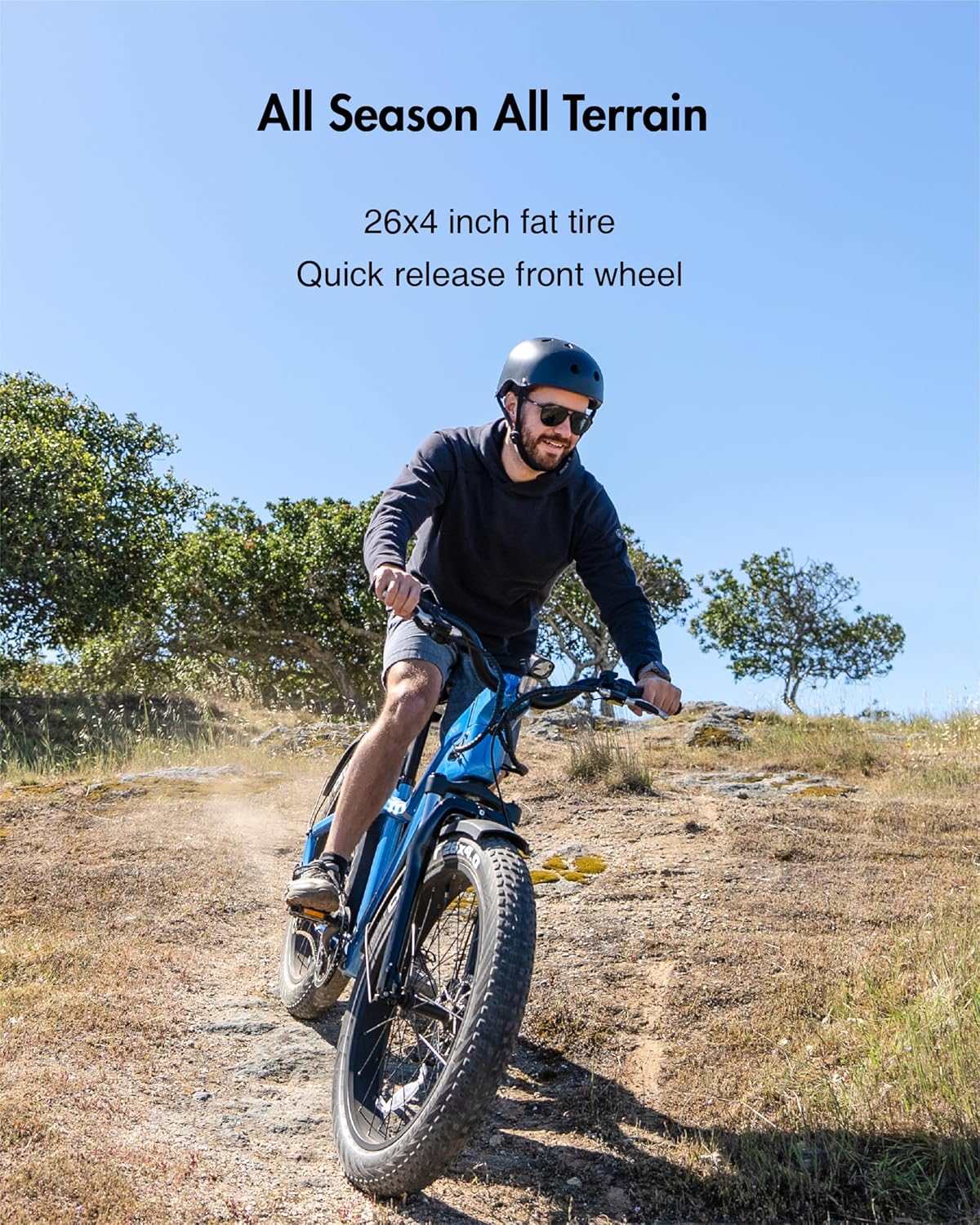
Figure 2.3: The fat tires and suspension allow for all-season, all-terrain use.
3. Setup and Assembly
The OKAI Ranger Electric Bike requires some assembly upon arrival. Follow these steps carefully to ensure proper setup.
3.1 Unboxing and Initial Inspection
- Carefully remove all components from the packaging.
- Check for any visible damage during shipping. Contact customer support immediately if damage is found.
- Verify all parts listed in the packing list are present.
3.2 Handlebar Installation
- Attach the handlebar to the stem, ensuring proper alignment.
- Tighten the stem bolts securely using the provided tools.
3.3 Front Wheel and Fender Attachment
- Install the front wheel into the fork dropouts. Ensure the quick-release skewer is properly secured.
- Attach the front fender to the fork using the designated mounting points.

Figure 3.1: The hydraulic suspension fork provides 80mm of travel and includes a lockout feature.
3.4 Pedal Installation
- Identify the left (L) and right (R) pedals.
- Thread the pedals into the crank arms. The right pedal tightens clockwise, the left pedal tightens counter-clockwise.
- Tighten firmly with a wrench.
3.5 Seat Post and Saddle Adjustment
- Insert the seat post into the frame's seat tube.
- Adjust the saddle height to ensure comfortable and safe riding posture. The minimum seat to floor height is 31.3 inches.
- Secure the quick-release lever or bolt.
3.6 Battery Installation and Charging
- Insert the removable battery into its compartment in the downtube.
- Ensure the battery is securely locked in place.
- Fully charge the battery before the first ride. Connect the charger to the charging port and a power outlet.
3.7 Basket and Rack Attachment (if applicable)
- Attach the front basket to the designated mounting points on the handlebars or front fork.
- Secure the rear rack to the frame's rear mounting points.

Figure 3.2: Front basket with a maximum load capacity of 11 lbs.

Figure 3.3: Rear rack with a maximum load capacity of 55 lbs.
4. Operating Instructions
4.1 Powering On/Off
- To power on, press and hold the power button on the integrated LCD touchscreen until the display illuminates.
- To power off, press and hold the power button until the display turns off.
4.2 Using the LCD Touchscreen
The integrated LCD touchscreen provides essential riding information and allows for control of various functions.
- Display Information: View current speed, battery level, assist level, trip distance, and total mileage.
- Assist Level Adjustment: Use the controls on the display to cycle through different pedal assist levels (e.g., Eco, Standard, Sport).
- Headlight Control: Activate or deactivate the integrated headlight via the display controls.
4.3 Riding Modes
The OKAI Ranger offers multiple riding modes to suit your preference and terrain.
- Pedal Assist Mode (PAS): The motor provides assistance as you pedal. Different levels offer varying degrees of power.
- Throttle Mode: Engage the throttle for power without pedaling (check local regulations for throttle use).
- Manual Mode: Ride the bike like a traditional bicycle without motor assistance.
4.4 Gear Shifting
The Shimano 8-speed drivetrain allows for efficient power transfer and adaptability to different inclines and speeds.
- Use the shifter on the handlebar to change gears.
- Shift to a lower gear for climbing hills and a higher gear for flat terrain or downhill riding.
- Avoid shifting gears under heavy load to prevent damage to the drivetrain.

Figure 4.1: The Shimano 8-speed drivetrain ensures fast and accurate shifting.
5. Maintenance
Regular maintenance is crucial for the longevity and safe operation of your OKAI Ranger Electric Bike.
5.1 Cleaning
- Wipe down the frame and components with a damp cloth. Avoid high-pressure washing.
- Clean the chain regularly and apply bicycle-specific lubricant.
5.2 Battery Care
- Charge the battery regularly, even if not in use, to maintain its health.
- Store the battery in a cool, dry place away from direct sunlight and extreme temperatures.
- Do not expose the battery to water or moisture beyond its IP67 rating.

Figure 5.1: OKAI batteries are designed for long-lasting performance and capacity retention.
5.3 Tire Pressure
- Check tire pressure before each ride. Refer to the tire sidewall for recommended PSI.
- Proper tire pressure improves ride quality, efficiency, and tire lifespan.
5.4 Brake Inspection
- Regularly inspect brake pads for wear and replace them when necessary.
- Ensure brake levers are firm and responsive. Adjust cable tension if needed.
6. Troubleshooting
This section addresses common issues you might encounter with your OKAI Ranger Electric Bike.
6.1 Bike Not Powering On
- Check Battery: Ensure the battery is fully charged and properly seated in its compartment.
- Power Button: Confirm the power button is pressed and held correctly.
- Connections: Inspect all visible electrical connections for looseness or damage.
6.2 Motor Not Providing Assist
- Battery Level: Ensure the battery has sufficient charge.
- Assist Level: Verify that a pedal assist level is selected on the display (not in Manual Mode).
- Brake Levers: Check if brake levers are fully released, as some systems cut motor power when brakes are applied.
- Sensor Check: Ensure the pedal assist sensor (PAS) is clean and unobstructed.
6.3 Brakes Squealing or Ineffective
- Brake Pads: Inspect brake pads for wear or contamination. Clean or replace as needed.
- Rotor: Check the brake rotor for bends or damage.
- Adjustment: Adjust brake cable tension or hydraulic fluid if necessary (consult a professional if unsure).
6.4 Drivetrain Noise or Poor Shifting
- Chain Lubrication: Lubricate the chain if it sounds dry or squeaky.
- Derailleur Adjustment: Check if the derailleur is properly aligned and adjusted.
- Cable Tension: Adjust shifter cable tension for smoother shifts.
For issues not covered here or if problems persist, please contact OKAI customer support or a certified e-bike technician.
7. Specifications
| Feature | Detail |
|---|---|
| Bike Type | Electric Bike |
| Model Name | Ranger |
| Age Range | Adult |
| Motor | 1000W Peak Power BAFANG Rear Hub Motor (80 Nm Torque) |
| Battery | 705.6Wh Removable (Samsung Cells, UL-certified, IP67) |
| Number of Speeds | 8 (Shimano Drivetrain) |
| Wheel Size | 26 Inches |
| Wheel Width | 4 Inches (Fat Tire) |
| Frame Material | Aerospace-Grade Aluminum |
| Suspension Type | Front (RST Hydraulic Fork with Lockout, 80mm travel) |
| Brake Style | Disc Brakes |
| Item Weight | 83.8 Pounds |
| Maximum Weight Recommendation | 330 Pounds |
| Front Basket Max Load | 11 lbs |
| Rear Rack Max Load | 55 lbs |
| Dimensions (LxWxH) | 75.8 x 28 x 43.5 inches |
| Minimum Seat to Floor | 31.3 inches |
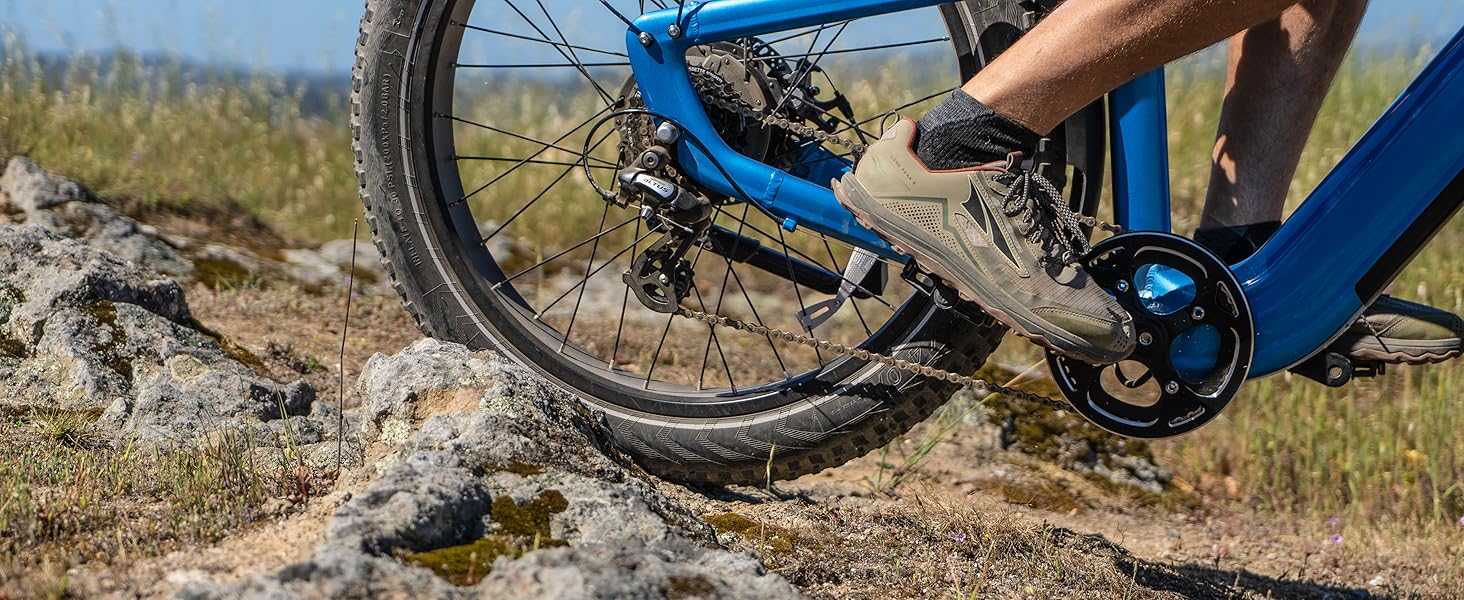
Figure 7.1: OKAI Ranger Geometry and Dimensions.
8. Warranty and Support
8.1 Limited Warranty
The OKAI Ranger Electric Bike comes with a limited warranty. Please refer to the official OKAI website or your purchase documentation for specific terms and conditions regarding warranty coverage, duration, and claims process.
8.2 Customer Support
For technical assistance, troubleshooting, parts replacement, or any other inquiries, please contact OKAI customer support. Contact information can typically be found on the official OKAI website or your product packaging.
It is recommended to have your product model number (OKAI Ranger) and purchase date available when contacting support.
Related documentsRanger


Ask a question about this manual
Ask about setup, troubleshooting, compatibility, parts, safety, or missing instructions. Manuals+ will review the question and use this page’s manual context to help answer it.