
1. Introduction
The MS8229 is an auto-ranging digital multimeter designed for professional and home use. It combines multiple measurement functions including AC/DC voltage and current, resistance, frequency, duty cycle, and capacitance. Additionally, it features built-in sensors for sound level, light (Lux), ambient temperature, and humidity, making it a versatile 5-in-1 testing instrument. Its large dual LCD display with backlight ensures clear readings in various conditions.

Figure 1.1: Front view of the MS8229 Digital Multimeter, showing the display, rotary switch, and input jacks.
2. Key Features
- Display: 4000 counts, large dual LCD with backlight.
- Integrated Sensors: Built-in Sound Level Meter, Light Meter (Lux), Ambient Temperature, and Humidity Tester.
- Core Measurements: Tests AC/DC Voltage and Current, Resistance, Frequency, Duty Cycle, and Capacitance.
- Diode & Continuity: Diode Check and Continuity Test with audible buzzer (if resistance is less than 40 ohms).
- Temperature Measurement: Type K thermocouple contact temperature measurement.
- Data Functions: Data Hold and Relative Measurement.
- Operation: Auto Ranging / Selection.
- Power Indicator: Low Battery Display.
3. Package Contents
Upon opening the package, please verify that all items listed below are present and in good condition:
- 1 x MASTECH MS8229 Digital Multimeter
- 1 x Test Clip (Test Leads)
- 1 x Temperature Probe (Type K Thermocouple)
- 1 x English Manual

Figure 3.1: The MS8229 Multimeter shown with its included test leads, temperature probe, and user manual.
4. Safety Information
To ensure safe operation and service of the meter, follow these safety precautions:
- Always ensure the meter is in the correct function and range for the measurement being taken.
- Do not apply voltage or current that exceeds the maximum rated input for the selected range.
- Use caution when working with voltages above 30V AC RMS, 42V peak, or 60V DC. These voltages pose a shock hazard.
- Before changing functions or ranges, disconnect the test leads from the circuit under test.
- Inspect test leads for damaged insulation or exposed metal before use. Replace if damaged.
- Do not operate the meter if it appears damaged or if the case is open.
- Replace the batteries as soon as the low battery indicator appears to ensure accurate readings.
- Adhere to all local and national safety codes.
5. Setup
5.1 Battery Installation
The MS8229 requires three (3) 1.5V AAA batteries (not included) for operation.
- Ensure the meter is turned OFF.
- Locate the battery compartment cover on the rear of the meter.
- Use a screwdriver to loosen the screw securing the battery cover.
- Remove the cover.
- Insert three AAA batteries, observing the correct polarity (+ and -) as indicated inside the compartment.
- Replace the battery cover and secure it with the screw.
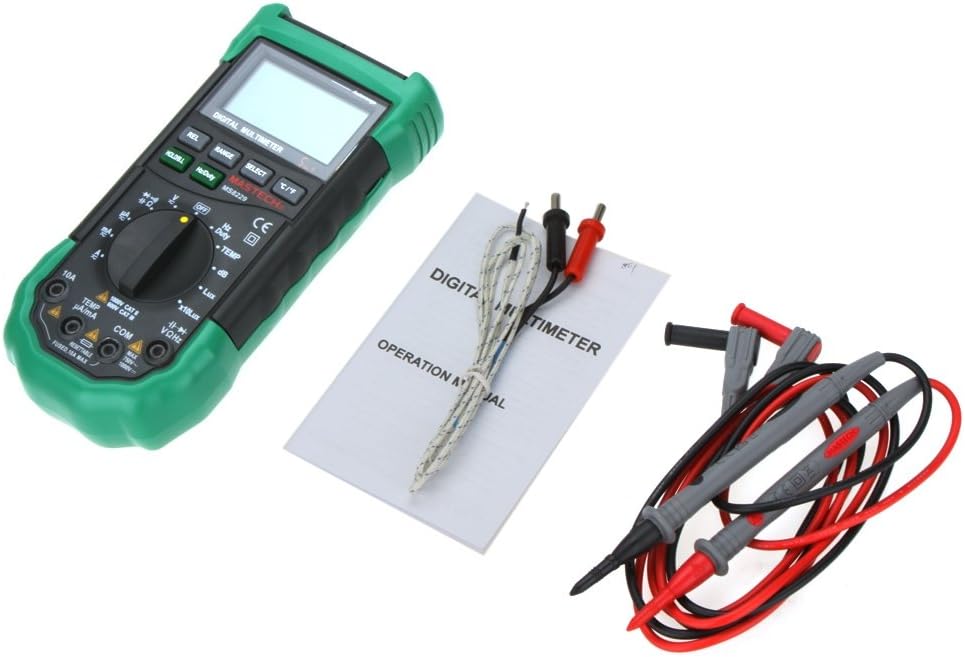
Figure 5.1: View of the battery compartment, showing the slots for three AAA batteries and the fuse location.
5.2 Connecting Test Leads
Proper connection of test leads is crucial for accurate and safe measurements.
- For most voltage, resistance, frequency, capacitance, diode, and continuity measurements, insert the red test lead into the VΩHz jack and the black test lead into the COM jack.
- For current measurements (mA/µA), insert the red test lead into the TEMP µA/mA jack and the black test lead into the COM jack.
- For high current measurements (10A), insert the red test lead into the 10A jack and the black test lead into the COM jack.
- For temperature measurements, connect the Type K thermocouple probe to the TEMP µA/mA and COM jacks, observing polarity if applicable.

Figure 5.2: The MS8229 Multimeter with red and black test leads properly inserted into the input jacks.
6. Operating Instructions
The MS8229 features a rotary switch for function selection and several buttons for additional features.

Figure 6.1: The MS8229 Multimeter display showing typical readings for humidity and temperature, along with a main measurement.
6.1 Rotary Switch Functions
Turn the rotary switch to select the desired measurement function:
- OFF: Turns the meter off.
- V~: AC Voltage measurement.
- V-: DC Voltage measurement.
- Ω: Resistance measurement.
- Diode/Continuity: Diode test and Continuity test.
- Hz/Duty: Frequency and Duty Cycle measurement.
- TEMP: Temperature measurement using the Type K thermocouple.
- dB: Sound Level measurement.
- Lux / x10Lux: Light (Illumination) measurement.
- RH: Relative Humidity measurement.
- A~: AC Current measurement (400µA to 10A).
- A-: DC Current measurement (400µA to 10A).
6.2 Button Functions
- HOLD/B.L: Press once to hold the current display reading. Press and hold to activate/deactivate the backlight.
- Hz/Duty: In Frequency/Duty Cycle mode, press to toggle between Hz and Duty Cycle display.
- REL: Activates relative measurement mode, displaying the difference between the current reading and a stored reference value.
- RANGE: Manually selects the measurement range (overrides auto-ranging).
- SELECT: Toggles between different functions within a single rotary switch position (e.g., AC/DC in voltage/current modes, Diode/Continuity).
- °C/°F: In Temperature mode, toggles between Celsius and Fahrenheit units.
6.3 Performing Measurements (Examples)
6.3.1 DC Voltage Measurement
- Set the rotary switch to V-.
- Insert the red test lead into the VΩHz jack and the black test lead into the COM jack.
- Connect the test leads in parallel to the DC voltage source or component to be measured.
- Read the voltage value on the display.
6.3.2 Resistance Measurement
- Ensure the circuit or component is de-energized before measuring resistance.
- Set the rotary switch to Ω.
- Insert the red test lead into the VΩHz jack and the black test lead into the COM jack.
- Connect the test leads across the component whose resistance is to be measured.
- Read the resistance value on the display.
6.3.3 Temperature Measurement
- Set the rotary switch to TEMP.
- Connect the Type K thermocouple probe to the TEMP µA/mA and COM jacks.
- Place the tip of the thermocouple probe on or near the object/area whose temperature is to be measured.
- Press the °C/°F button to switch between Celsius and Fahrenheit.
- Read the temperature value on the display.
7. Maintenance
7.1 Cleaning
Wipe the case with a damp cloth and mild detergent. Do not use abrasives or solvents. Keep the input terminals free of dirt or debris.
7.2 Battery Replacement
When the low battery indicator appears on the display, replace the batteries as described in Section 5.1. Prompt battery replacement ensures continued accuracy and proper operation.
7.3 Fuse Replacement
The 10A input jack is protected by a resettable fuse. If the 10A current measurement function stops working, it indicates the fuse has tripped. Disconnect the meter from the circuit, turn it off, and wait a few moments for the fuse to reset. If the fuse continues to trip, check for short circuits or excessive current draw in your application.
7.4 Storage
If the meter is not to be used for an extended period, remove the batteries to prevent leakage and damage to the meter.
8. Troubleshooting
If the meter does not function correctly, check the following:
- No Display or Faint Display: Check battery installation and replace batteries if necessary.
- Incorrect Readings: Ensure the correct function and range are selected. Verify test lead connections. Check for damaged test leads.
- "OL" or Overload Indication: The measured value exceeds the selected range. Switch to a higher range or ensure the input is within the meter's maximum specifications.
- Current Measurement Not Working: Check if the 10A fuse has tripped (see Section 7.3). Ensure test leads are connected to the correct current input jacks.
- Continuity Buzzer Not Sounding: Ensure the resistance is below 40 ohms for the buzzer to activate.
If problems persist, contact customer support.
9. Specifications
| Measurement Type | Range / Value | Accuracy |
|---|---|---|
| DC Voltage (DCV) | 400m/4/40/400/1000V | 0.7%+2 |
| AC Voltage (ACV) | 400m/4/40/400V; 750V | 0.8%+3; 1%+3 |
| DC Current (DCA) | 400/4000µ/40m/400mA; 4/10A | 1.2%+3; 2.0%+10 |
| AC Current (ACA) | 400/4000µ/40m/400mA; 4/10A | 1.5%+5; 3.0%+10 |
| Resistance | 400/4K/40K/400K/4MΩ; 40MΩ | 1.2%+5; 2%+5 |
| Capacitance | 40n/400n/4µ/40µ/100µF | 3.0%+3 |
| Frequency | 10/100/1K/10K/100KHz | 2.0%+5 |
| Temperature | -20 ~ 1000°C; 4 ~ 1832°F | 2.0% |
| Relative Humidity (RH) | 20 to 95% | 5.0% |
| Light (Lux) | 4,000/40,000 Lux | 5.0% |
| Sound Level (dB) | 40 ~ 100dB | 3.5% |
| Diode Test | Yes | |
| Continuity Tester | Buzzer if resistance < 40 ohms | |
| Duty Cycle | 0.1% - 99.9% | 3.0% |
| Power Supply | 3 * 1.5V AAA batteries (not included) | |
| Dimension | 195 * 92 * 55mm | |
| Product Weight | 390g |
10. Warranty and Support
This product is designed for reliability and performance. For any issues or inquiries not covered in this manual, please refer to your purchase documentation for warranty details or contact the retailer/manufacturer's customer support. Keep your purchase receipt as proof of purchase.