
1. Introduction
The LILYGO T-Display K230 is a versatile and high-performance AIoT (Artificial Intelligence of Things) development board. It integrates the powerful K230 AIoT chip, offering extensive computing capabilities and various expansion interfaces. Key features include LoRa 915Mhz communication, Wi-Fi connectivity, an integrated microphone, and a vibrant 4.1-inch AMOLED capacitive touchscreen. This board is designed for advanced applications in remote data transmission, AI recognition, and IoT monitoring and interaction.
2. Product Overview
The T-Display K230 combines several advanced technologies into a compact, handheld-sized device. Its core is the K230 chip, which provides robust processing power for AI and IoT tasks. The 4.1-inch AMOLED touchscreen offers a clear visual interface and supports intuitive capacitive touch input. With integrated LoRa and Wi-Fi, the board facilitates both long-range, low-power communication and standard network connectivity. It also supports an ISP camera for imaging applications.

Figure 2.1: LILYGO T-Display K230 with attached antenna, displaying its user interface.

Figure 2.2: Exploded view of the T-Display K230, highlighting the main board and display assembly.
3. What's in the Box
Upon unboxing your LILYGO T-Display K230, please verify that all components listed below are present:
- 1 x T-Display K230 Development Board
- 1 x LoRa Antenna (915Mhz)
- 1 x Pin Header Set
- 1 x User Manual (this document)
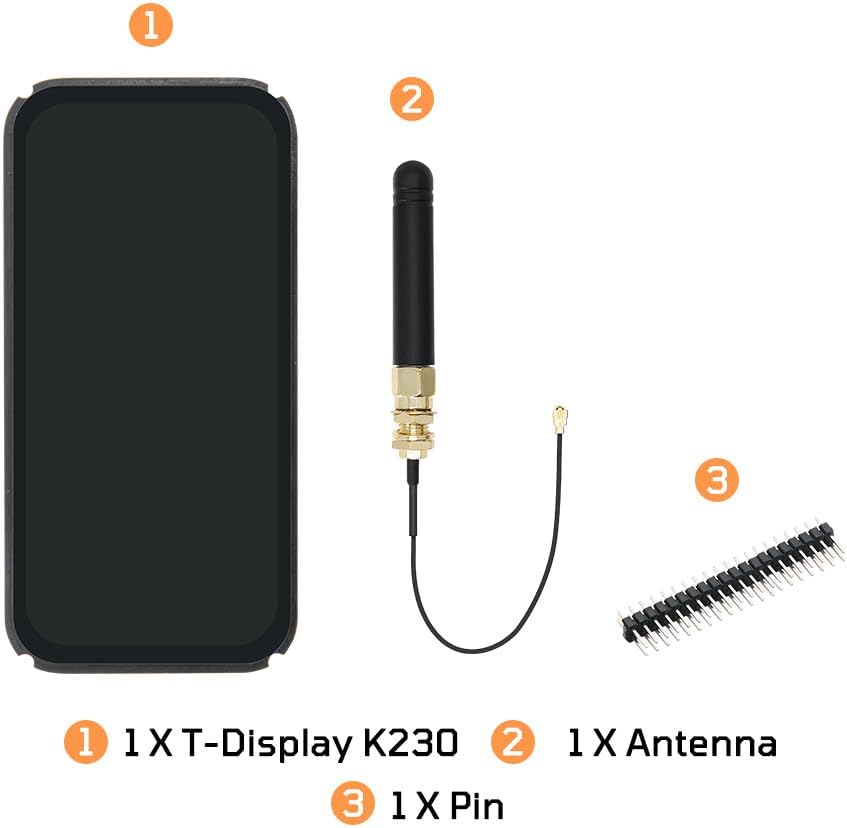
Figure 3.1: Package contents of the LILYGO T-Display K230.

Figure 3.2: The T-Display K230 and its accessories within the protective packaging.
4. Specifications
Detailed technical specifications for the LILYGO T-Display K230:
| Feature | Description |
|---|---|
| Brand | LILYGO |
| Model Name | T-Display K230 |
| Processor | K230 AIoT Chip (Dual 64-bit RISC-V CPU, KPU, DPU, GPU, VPU) |
| CPU Frequency | CPU1: 1.6 GHz, CPU0: 800 MHz |
| Display | 4.1-inch AMOLED Touchscreen (RM69A10 driver, 568 x 1232 resolution) |
| LoRa Transceiver | SX1262 Module, 915Mhz Band |
| Wi-Fi Module | RTL8189 (IEEE 802.11 b/g/n 2.4GHz) |
| RAM | x32 LPDDR4 8GB |
| Camera | 2MP 1080P (GC2093 Module) |
| Ethernet Module | RC01812 (RJ45 Connector) |
| Operating System | Linux |
| USB Ports | 2 x Type-C (Power, USB-OTG) |
| USB Charging | 5V, 500mA |
| Dimensions (L x W x H) | 104 x 51 x 15.5 mm |
| UPC | 717382831299 |

Figure 4.1: Key technical specifications of the T-Display K230.

Figure 4.2: Pinmap and component layout of the LILYGO T-Display K230.

Figure 4.3: Physical dimensions of the T-Display K230.
5. Setup Guide
Follow these steps to set up your LILYGO T-Display K230:
- Attach the LoRa Antenna: Carefully screw the provided LoRa antenna onto the designated SMA connector on the board. Ensure it is securely fastened but do not overtighten.
- Connect Peripherals (Optional): If you plan to use an ISP camera or other external modules, connect them to the appropriate FPC or GPIO interfaces as indicated in the pinmap (Figure 4.2).
- Power On: Connect the T-Display K230 to a 5V power source using a USB Type-C cable. The device should power on and the display will activate.
- Initial Software Configuration: For development and initial setup, refer to the official GitHub repository for firmware flashing instructions, development environment setup, and example code. The repository can be found at: github.com/Xinyuan-LilyGO/T-Display-K230_canmv_rt.
6. Operating Instructions
This section provides general guidance on operating your T-Display K230. Specific operations will depend on the firmware loaded onto the device.
- Touchscreen Interaction: The 4.1-inch AMOLED display supports capacitive touch. Interact with the user interface by tapping, swiping, and using multi-touch gestures as supported by the loaded application.
- LoRa Communication: Utilize the integrated LoRa 915Mhz module for long-range, low-power wireless data transmission. Configuration for LoRa communication protocols and data exchange will be handled through software. Refer to the GitHub repository for LoRa examples and libraries.
- Wi-Fi Connectivity: Connect the device to a 2.4GHz Wi-Fi network for internet access or local network communication. Wi-Fi settings are typically managed via the device's software interface or through a configuration utility.
- Microphone Usage: The onboard microphone enables audio input for various applications, such as voice commands, audio recording, or sound analysis. Software applications will process the microphone data.
- AI Recognition: Leverage the K230 chip's AI capabilities for tasks like image recognition (with an attached ISP camera), object detection, or other machine learning inferences. Development kits and examples are available on the GitHub page.
Video 6.1: An overview of the LILYGO T-Display K230's features and capabilities.
7. Maintenance
Proper maintenance ensures the longevity and optimal performance of your T-Display K230:
- Cleaning: Use a soft, dry, anti-static cloth to clean the display and exterior. Avoid abrasive cleaners or solvents.
- Environmental Conditions: Operate and store the device within recommended temperature and humidity ranges. Avoid exposure to extreme temperatures, direct sunlight, moisture, or corrosive environments.
- Software Updates: Regularly check the official LILYGO GitHub repository for firmware updates and software improvements. Keeping your device's software up-to-date can enhance performance and add new features.
- Handling: Handle the development board with care to prevent physical damage. Avoid dropping the device or applying excessive force to its components.
8. Troubleshooting
This section addresses common issues you might encounter with your T-Display K230.
| Problem | Possible Cause | Solution |
|---|---|---|
| Device does not power on. | Incorrect power supply, loose cable, or faulty USB port. | Ensure a stable 5V, 500mA power source. Check USB Type-C cable connection. Try a different USB port or cable. |
| Display is blank or unresponsive. | Software issue, display cable not properly connected, or hardware fault. | Perform a hard reset (if available). Re-flash the firmware. Check display FPC cable connection (if accessible and safe to do so). |
| LoRa communication not working. | Antenna not connected, incorrect frequency/settings, or software configuration error. | Verify the LoRa antenna is securely attached. Check LoRa frequency and other parameters in your software. Consult the GitHub repository for LoRa examples. |
| Wi-Fi connection issues. | Incorrect Wi-Fi credentials, out of range, or software configuration. | Double-check Wi-Fi SSID and password. Ensure the device is within range of the Wi-Fi access point. Review Wi-Fi configuration in your code. |
| General software errors. | Bugs in custom code, incorrect library usage, or outdated firmware. | Refer to the LILYGO GitHub repository for the latest code, examples, and community support. Ensure your development environment is correctly set up. |
9. Warranty and Support
LILYGO is committed to providing quality products and support for its development boards.
- Technical Resources: For detailed technical documentation, example code, and community discussions, please visit the official LILYGO GitHub repository: github.com/Xinyuan-LilyGO/T-Display-K230_canmv_rt.
- Customer Support: If you have any questions, suggestions, or require assistance with your product, please contact the seller directly through the platform where you purchased the device.
- Warranty Information: Specific warranty terms may vary by region and retailer. Please refer to your purchase documentation or contact the seller for details regarding warranty coverage.


