
LIKARVA 47800-39420, 47800-39410, 47800-39400
LIKARVA Rear Differential Coupling Assembly 4WD Instruction Manual
Model Numbers: 47800-39420, 47800-39410, 47800-39400
Compatible with: Hyundai Santa Fe 2010, 2011, 2012 (2.4L, 3.5L 4WD models)
1. Product Overview
This document provides essential information for the LIKARVA Rear Differential Coupling Assembly 4WD. This component is designed as a direct replacement part for specific Hyundai Santa Fe models, ensuring proper function of the vehicle's all-wheel-drive system.
The assembly is manufactured to original factory specifications, ensuring a precise fit and reliable performance. It is constructed from high-quality, lightweight, anti-rust, and colorfast materials for durability.
Key Features:
- Direct replacement for original equipment.
- Tested for performance and accurate parameters.
- Constructed from durable, high-quality metal.
- Ensures stable performance of the 4WD system.

Image 1.1: Overall view of the LIKARVA Rear Differential Coupling Assembly 4WD. This image displays the main body of the assembly, including the input and output shafts and mounting points.
2. Setup and Installation
WARNING: Professional installation is strongly recommended for this component. Improper installation can lead to vehicle damage, system malfunction, or personal injury.
This differential coupling assembly is a critical component of your vehicle's drivetrain. Due to the complexity and safety implications, installation should only be performed by a qualified automotive technician with appropriate tools and expertise.
Before Installation:
- Compatibility Verification: Confirm that the part numbers (47800-39420, 47800-39410, 47800-39400) match the required specifications for your Hyundai Santa Fe (2010-2012, 2.4L or 3.5L 4WD). If unsure, provide your vehicle's VIN to a professional for verification.
- Inspect Component: Before installation, visually inspect the new differential coupling assembly for any signs of shipping damage or manufacturing defects.
- Gather Tools: Ensure all necessary specialized tools and equipment are available for safe and correct removal of the old unit and installation of the new one.
Installation Steps (General Guidance - Consult Service Manual):
- Safely lift and secure the vehicle.
- Drain differential fluid (if applicable and necessary).
- Disconnect electrical connectors and remove mounting bolts from the existing differential coupling assembly.
- Carefully remove the old assembly.
- Install the new LIKARVA differential coupling assembly, ensuring all connections are secure and torqued to manufacturer specifications.
- Refill differential fluid to the correct level with the specified type of fluid.
- Perform post-installation checks and tests as per vehicle service manual.
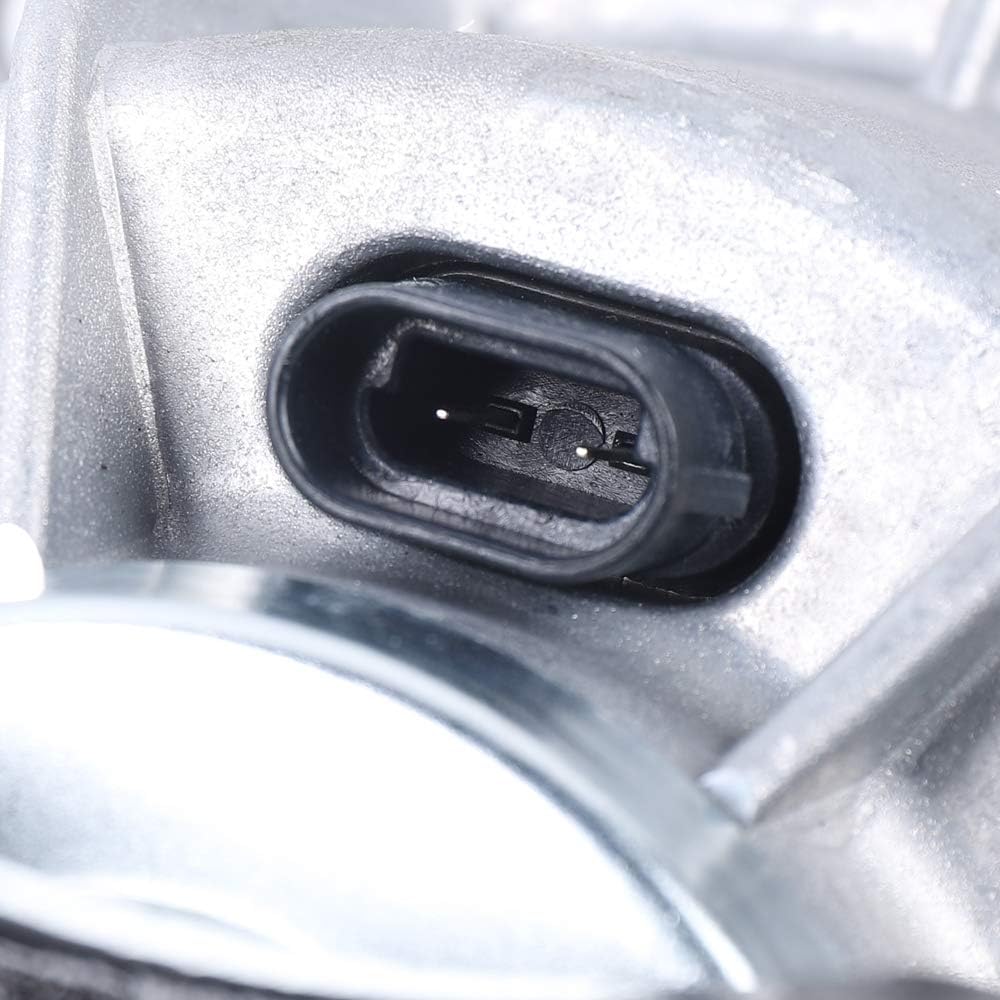
Image 2.1: Close-up view of the electrical connector on the differential coupling assembly. This connector facilitates communication and power supply for the electronic clutch mechanism.
3. Operating Principles
The Rear Differential Coupling Assembly is an integral part of your vehicle's 4WD (All-Wheel Drive) system. Its primary function is to transfer power from the transmission to the rear wheels, and specifically, to manage the engagement and disengagement of the rear axle based on driving conditions.
This assembly typically contains an electronically controlled clutch pack. When the vehicle's control unit detects conditions requiring 4WD (e.g., wheel slip), it sends a signal to the coupling assembly. The clutch pack then engages, transferring torque to the rear wheels. In normal driving conditions, or when 4WD is not needed, the clutch may disengage or allow for differential speed between the front and rear axles, optimizing fuel efficiency and reducing drivetrain wear.
The operation of this component is automatic and managed by the vehicle's onboard computer system. There are no user-operable controls directly associated with the differential coupling assembly itself.
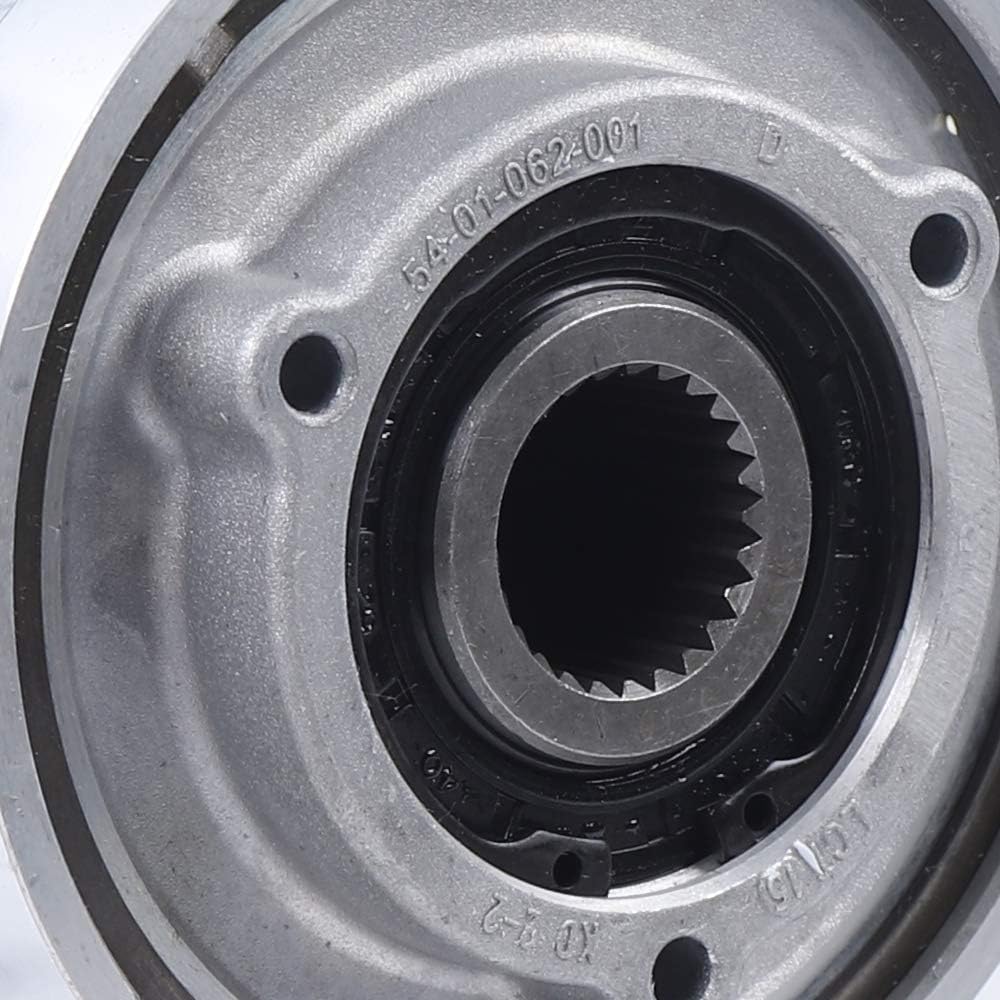
Image 3.1: Detailed view of the splined input shaft of the differential coupling assembly. This shaft connects to the vehicle's driveshaft, transmitting power into the coupling unit.
4. Maintenance
The LIKARVA Rear Differential Coupling Assembly is designed for long-term reliability. Specific user-level maintenance for this internal component is generally not required beyond regular vehicle service intervals.
General Maintenance Considerations:
- Fluid Checks: Ensure that the differential fluid (if applicable to your vehicle's specific setup) is checked and replaced according to your vehicle manufacturer's recommended schedule. The coupling assembly may share fluid with the rear differential or have its own sealed fluid. Consult your vehicle's service manual.
- Regular Inspections: During routine vehicle maintenance, have a qualified technician inspect the differential coupling assembly for any signs of leaks, unusual wear, or damage to its housing or connections.
- Address Unusual Noises: If you notice any new or unusual noises (e.g., grinding, whining, clunking) coming from the rear of the vehicle, especially during 4WD engagement or turns, have the vehicle inspected immediately by a professional.
Adhering to your vehicle's manufacturer-recommended maintenance schedule is the best way to ensure the longevity and proper function of all drivetrain components, including this coupling assembly.
5. Troubleshooting
If you experience issues with your vehicle's 4WD system after installing this component, or if you suspect a malfunction, professional diagnosis is essential. Troubleshooting a differential coupling assembly typically requires specialized diagnostic equipment and expertise.
Common Symptoms of a Malfunctioning Differential Coupling Assembly:
- 4WD System Warning Light: An illuminated warning light on your dashboard indicating a fault in the 4WD system.
- No 4WD Engagement: The rear wheels do not receive power when 4WD is expected to engage.
- Unusual Noises: Grinding, clunking, or whining sounds emanating from the rear differential area, especially during acceleration or turns.
- Vibration: Excessive vibration felt through the vehicle, particularly at certain speeds or under load.
- Binding or Dragging: A sensation of the wheels binding or dragging, especially during low-speed turns, which could indicate the coupling is not disengaging properly.
If any of these symptoms occur, it is recommended to have your vehicle inspected by a certified mechanic. They can perform diagnostic tests to accurately identify the root cause of the problem, which may or may not be directly related to the differential coupling assembly.

Image 5.1: View of the output flange (yoke) of the differential coupling assembly. This component connects to the rear driveshaft, transmitting power to the rear differential.
6. Specifications
| Specification | Detail |
|---|---|
| Brand | LIKARVA |
| Model | Rear Differential Coupling Assembly 4WD |
| Manufacturer Part Numbers | 47800-39420, 47800-39410, 47800-39400 |
| Interchange Part Numbers | 47800 39420, 47800 39410, 47800 39400 |
| Material | Metal |
| Type | Differential Coupling Assembly |
| Fitment Type | Direct Replacement |
| Compatible Vehicles | Hyundai Santa Fe 2010, 2011, 2012 (2.4L & 3.5L 4WD models) |
| Package Includes | 1X Differential Coupling Assy |
7. Warranty Information
Specific warranty details for the LIKARVA Rear Differential Coupling Assembly 4WD are not provided within this manual. For information regarding product warranty, including coverage period and terms, please refer to the original purchase documentation or contact the seller directly. It is advisable to retain your proof of purchase for any warranty claims.
8. Support and Contact
For technical assistance, installation questions, or any other support inquiries related to this product, please contact the seller or manufacturer directly through the platform where the purchase was made. When contacting support, please have your product model numbers (47800-39420, 47800-39410, 47800-39400) and vehicle information (make, model, year, VIN) readily available.
Ask a question about this manual
Ask about setup, troubleshooting, compatibility, parts, safety, or missing instructions. Manuals+ will review the question and use this page’s manual context to help answer it.