Introduction
This manual provides essential information for the proper setup, operation, and maintenance of your AODSK AD-X1 Digital Piano and ALP-22 Adjustable Piano Bench. Please read these instructions carefully before use to ensure optimal performance and longevity of your instruments.

Figure 1: Assembled AODSK AD-X1 Digital Piano and ALP-22 Adjustable Piano Bench.
Setup and Assembly
Carefully unpack all components and ensure all parts are present before beginning assembly. Refer to the included hardware package for specific fasteners.
1. Digital Piano Assembly (AD-X1)
- Attach the four legs to the underside of the digital piano body using the provided screws. Ensure they are securely fastened.
- Insert the music rest into the designated slot on the top panel of the digital piano.
- Connect the sustain pedal or triple pedal unit to the appropriate port on the rear panel of the piano.

Figure 2: Digital Piano dimensions. Length: 53.15 inches, Depth: 12.2 inches, Height: 24.8 inches (without music rest).
2. Piano Bench Assembly (ALP-22)
- Attach the four legs to the base of the piano bench using the provided hardware.
- Ensure the height adjustment mechanism is properly aligned and functional.
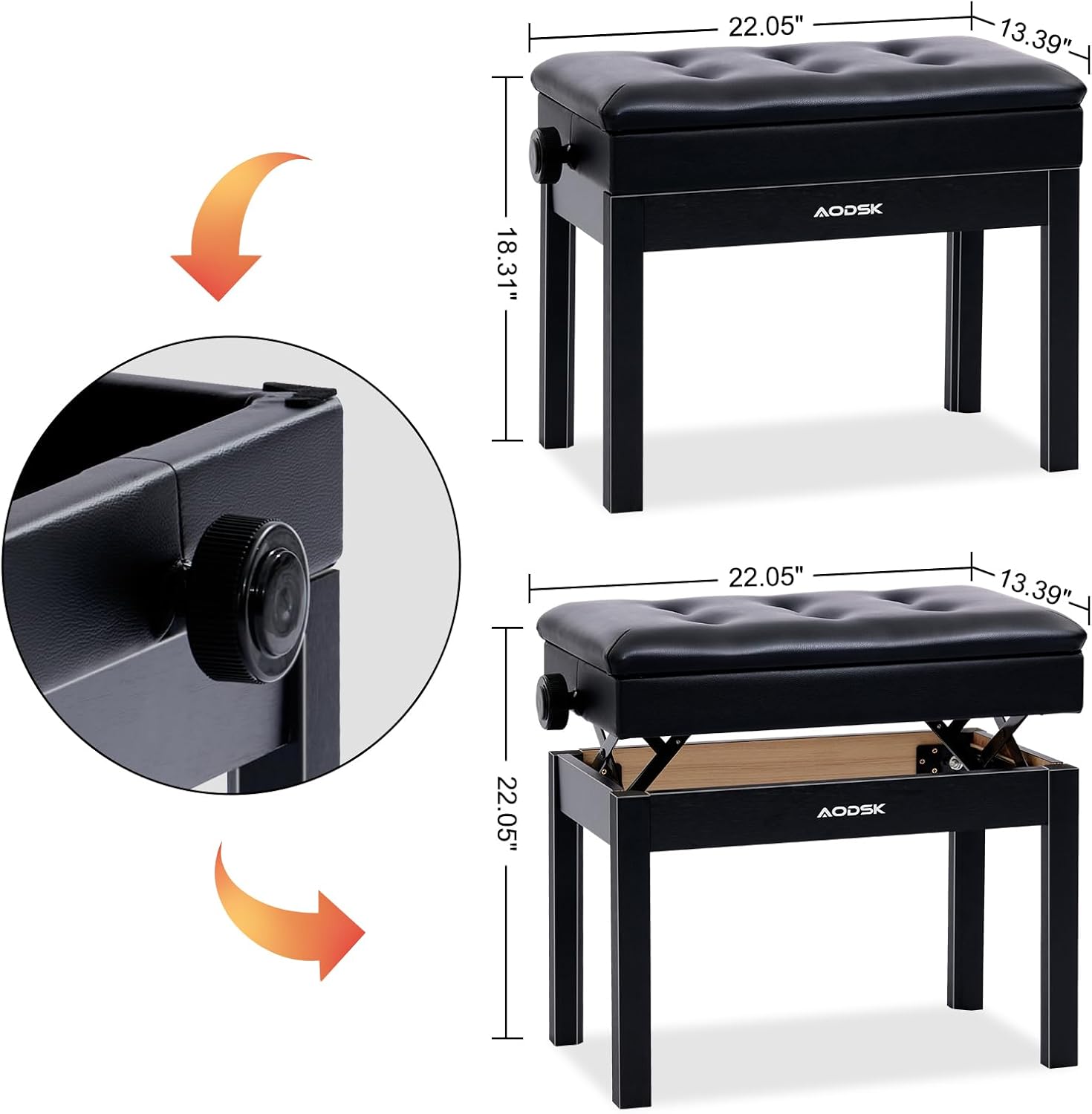
Figure 3: Piano Bench dimensions. Length: 22.05 inches, Width: 13.39 inches. Adjustable height range: 18.31 to 22.05 inches.
Operating the Digital Piano (AD-X1)
1. Power On/Off
- Connect the power adapter to the DC IN port (3) on the rear panel and plug it into a standard electrical outlet.
- Press the POWER button on the control panel to turn the piano on or off.
2. Control Panel Functions
The control panel provides access to various features and settings:

Figure 4: Digital Piano control panel with buttons for DEMO, RHYTHM, VOLUME, TONE, RECORD, SPLIT, TOUCH, RE-PLAY, CHORD, SYNC, METRONOME, START/STOP, POWER, and DATA WHEEL.
- DEMO: Plays built-in demonstration songs (80 available).
- RHYTHM: Selects from 128 available rhythms.
- VOLUME: Adjusts the overall sound output level.
- TONE: Selects from 128 available instrument timbres.
- RECORD: Initiates recording of your performance.
- SPLIT: Divides the keyboard into two sections for different voices.
- TOUCH: Adjusts touch sensitivity of the keys.
- RE-PLAY: Plays back recorded performances.
- CHORD: Activates chord recognition mode.
- SYNC: Synchronizes rhythm playback.
- METRONOME: Activates the metronome function for practice.
- START/STOP: Starts or stops rhythm/demo playback.
- DATA WHEEL: Used to navigate menus and adjust values.
3. Headphone Mode
To practice privately, connect headphones to the Headphone Jack (1) on the rear panel. The internal speakers will automatically mute.

Figure 5: Headphone jack for private practice.
4. Connectivity
The rear panel offers various connection options:
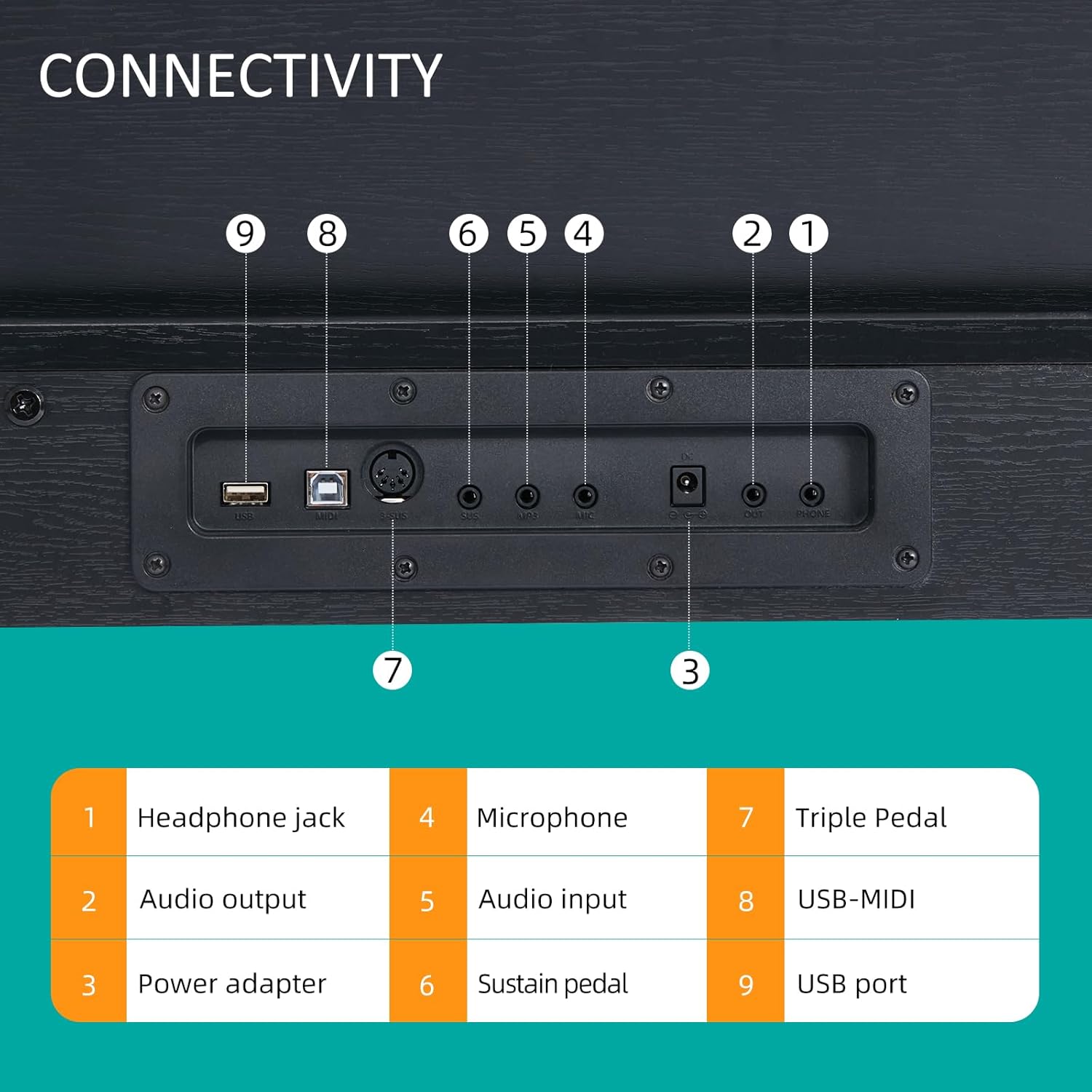
Figure 6: Connectivity panel with labeled ports.
- 1. Headphone Jack: For connecting headphones (3.5mm).
- 2. Audio Output: For connecting to external amplification systems or recording devices.
- 3. Power Adapter: DC IN port for the power supply.
- 4. Microphone: Input for a microphone.
- 5. Audio Input: For connecting external audio sources.
- 6. Sustain Pedal: Input for a single sustain pedal.
- 7. Triple Pedal: Input for the included triple pedal unit.
- 8. USB-MIDI: For connecting to a computer or MIDI devices.
- 9. USB Port: For connecting USB storage devices or other peripherals.
Operating the Piano Bench (ALP-22)
1. Height Adjustment
The ALP-22 piano bench features an adjustable height mechanism. Locate the knob on the side of the bench. Rotate the knob to raise or lower the seat to your desired height. The adjustable range is from 18.31 inches to 22.05 inches.

Figure 7: Adjusting the piano bench height using the side knob.
2. Storage Compartment
The padded seat of the ALP-22 bench can be lifted to reveal a storage compartment. This space is suitable for storing sheet music, books, and small accessories.

Figure 8: Storage compartment beneath the piano bench seat.
Maintenance
1. Cleaning
- Wipe the surfaces of the digital piano and bench with a soft, dry cloth.
- For stubborn dirt, slightly dampen the cloth with water and a mild, non-abrasive cleaner. Avoid harsh chemicals or solvents.
- Do not allow liquids to enter the piano's internal components.
2. Storage
- Store the instruments in a dry environment, away from direct sunlight and extreme temperature fluctuations.
- Avoid placing heavy objects on the piano or bench.
Troubleshooting
- No Sound:
- Ensure the power adapter is securely connected and the piano is turned on.
- Check the volume level.
- If headphones are plugged in, unplug them to enable speaker output.
- Verify external audio connections if using an amplifier.
- Keys Not Responding:
- Restart the piano.
- Ensure no foreign objects are lodged between the keys.
- Pedal Not Functioning:
- Check that the pedal cable is securely connected to the correct port on the piano's rear panel.
Specifications
AODSK AD-X1 Digital Piano
| Feature | Specification |
|---|---|
| Model Name | AD-X1 |
| Number of Keys | 88 Standard Keys (A2-C5 range) |
| Max Polyphony | 128 |
| Timbres | 128 |
| Rhythms | 128 |
| Demo Songs | 80 |
| Connectivity | 3.5mm Headphone Jack, Audio Output, Microphone Input, Audio Input, Sustain Pedal Input, Triple Pedal Input, USB-MIDI, USB Port |
| Power Source | Corded Electric |
| Finish Type | Matte |
| Skill Level | Beginner |
AODSK ALP-22 Adjustable Piano Bench
| Feature | Specification |
|---|---|
| Model Name | ALP-22 |
| Adjustable Height Range | 18.31'' - 22.05'' |
| Seat Material | Padded, High-elastic sponge |
| Storage | Integrated compartment under seat |
Warranty and Support
For warranty information or technical support, please refer to the documentation included with your purchase or contact AODSK customer service directly. Keep your purchase receipt as proof of purchase.


