
1. Product Overview
1.1 Purpose
The ABS (Anti-lock Braking System) wheel speed sensor is a critical component of your vehicle's safety system. It monitors the rotational speed of each wheel and transmits this data to the ABS control unit. This information allows the ABS system to prevent wheel lock-up during braking, maintaining steering control and reducing stopping distances.
1.2 Compatibility
This LadyCent ABS Wheel Speed Sensor is designed for the front left wheel of the following Mercedes Benz models:
- Mercedes Benz C-Class W202
- Mercedes Benz C-Class S202
- Mercedes Benz SLK R170
- Mercedes Benz CLK C208
- Mercedes Benz CLK A208
Please verify the OE (Original Equipment) number to ensure proper fitment for your specific vehicle.
1.3 Reference OE Number
The reference OE number for this sensor is 2025402317. Always confirm this number matches your vehicle's requirements before installation.
2. Safety Information
Always prioritize safety when working on your vehicle. Improper installation or handling of automotive components can lead to injury or damage. It is recommended that installation be performed by a qualified professional.
- Ensure the vehicle is securely supported on jack stands before working underneath.
- Disconnect the vehicle's battery before beginning any electrical work.
- Wear appropriate personal protective equipment, including safety glasses and gloves.
- Refer to your vehicle's service manual for specific torque specifications and procedures.
3. Package Contents
The package contains:
- 1 x LadyCent ABS Wheel Speed Sensor (Front Left)
4. Setup and Installation
4.1 Tools Required (Not Included)
- Vehicle jack and jack stands
- Wheel lug wrench
- Socket set and ratchet
- Torque wrench
- Wire brush or cleaning tool (optional)
4.2 Installation Steps
The following steps provide a general guide for replacing the ABS wheel speed sensor. Specific procedures may vary by vehicle model. Professional installation is highly recommended.
- Prepare the Vehicle: Park the vehicle on a level surface, engage the parking brake, and block the rear wheels. Loosen the lug nuts on the front left wheel.
- Lift and Secure: Jack up the front of the vehicle and place it securely on jack stands. Remove the lug nuts and the front left wheel.
- Locate the Old Sensor: Identify the existing ABS wheel speed sensor. It is typically mounted near the wheel hub or steering knuckle and has a wire harness connected to it.
- Disconnect and Remove: Carefully disconnect the electrical connector from the old sensor. Unclip any wiring harnesses securing the cable. Remove the mounting bolt(s) holding the sensor in place and carefully extract the old sensor from its mounting location.
- Inspect and Clean: Inspect the sensor mounting hole for any debris, rust, or corrosion. Clean the area thoroughly if necessary to ensure proper seating of the new sensor.
- Install New Sensor: Insert the new LadyCent ABS wheel speed sensor into the mounting hole. Ensure it is fully seated and properly aligned. Secure it with the mounting bolt(s) and tighten to the manufacturer's specified torque.
- Connect Wiring: Route the new sensor's wiring harness along the original path and secure it with any clips. Connect the electrical connector firmly until it clicks into place.
- Reassemble: Reinstall the wheel and tighten the lug nuts by hand. Lower the vehicle off the jack stands and torque the lug nuts to the manufacturer's specifications.
- Test: Start the vehicle and check for any ABS warning lights. Drive the vehicle briefly to allow the system to self-test. If the ABS light remains on, further diagnosis may be required.
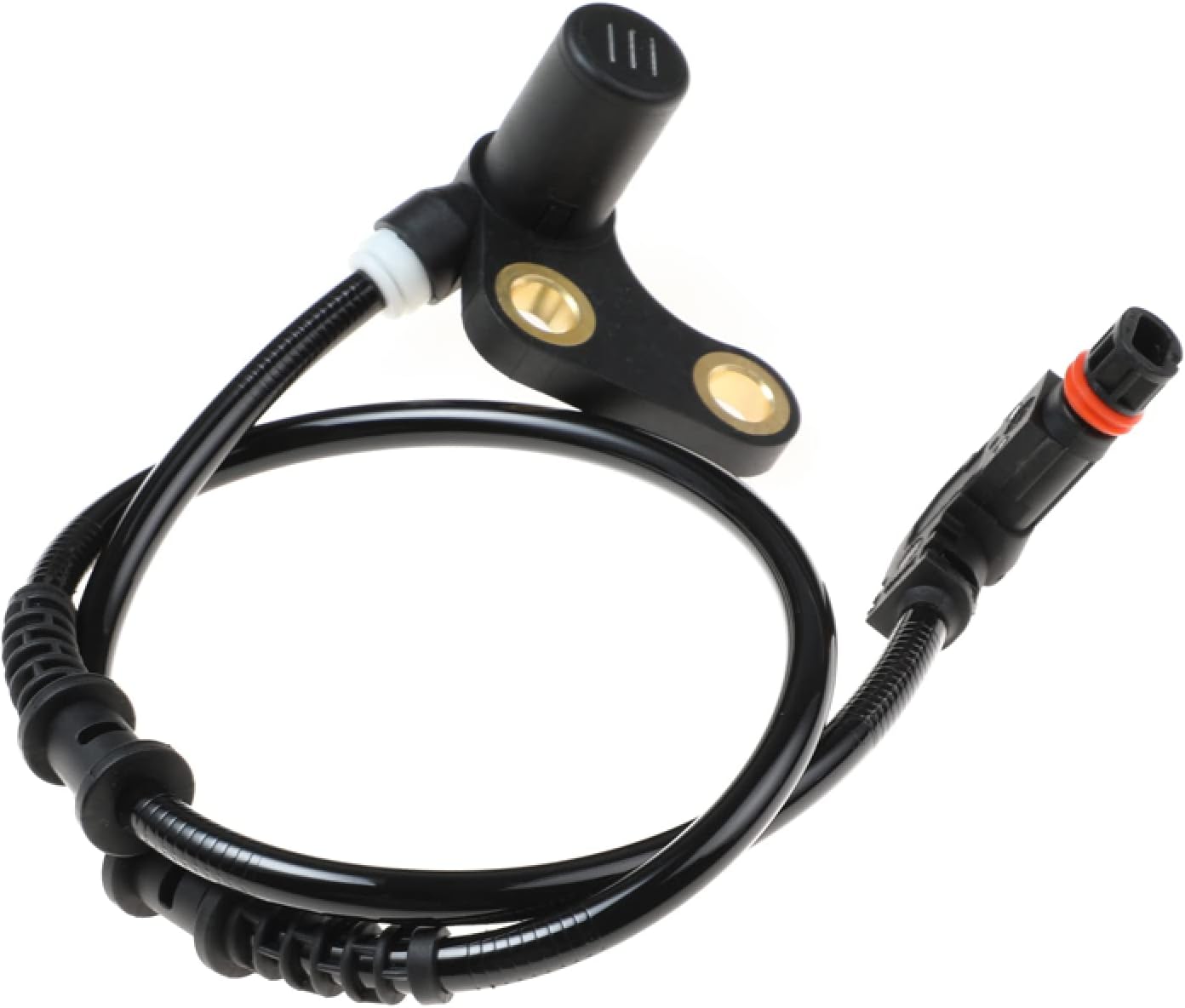
Figure 1: Overall view of the LadyCent ABS Wheel Speed Sensor.

Figure 2: Detail of the sensor head and mounting points.

Figure 3: Detail of the sensor's electrical connector.
5. Operating Principles
The ABS wheel speed sensor operates by detecting the rotation of a toothed ring (reluctor ring) located on the wheel hub or axle. As the wheel rotates, the teeth of the reluctor ring pass by the sensor, generating a series of electrical pulses. The frequency of these pulses is directly proportional to the wheel's speed. This signal is then sent to the ABS control module, which uses this data to determine if a wheel is locking up during braking and to modulate brake pressure accordingly.
6. Maintenance and Care
ABS wheel speed sensors are generally maintenance-free. However, periodic inspection can help ensure their longevity and proper function:
- Visual Inspection: During routine brake inspections or tire rotations, visually check the sensor and its wiring for any signs of physical damage, corrosion, or loose connections.
- Cleanliness: Ensure the area around the sensor and the reluctor ring is free from excessive dirt, debris, or metallic particles, which could interfere with the sensor's signal.
- Wiring Integrity: Check that the sensor's wiring harness is securely routed and not chafing against any moving parts or sharp edges.
7. Troubleshooting Common Issues
A faulty ABS wheel speed sensor can manifest in several ways. If you experience any of the following, the sensor may require inspection or replacement:
- ABS Warning Light On: The most common symptom is the illumination of the ABS warning light on your dashboard.
- Traction Control Light On: Since traction control systems often rely on ABS sensor data, this light may also illuminate.
- Fault Codes: A diagnostic scan tool will typically reveal specific fault codes related to the wheel speed sensor (e.g., C0035 for front left wheel speed sensor).
- Erratic Braking: In some cases, a faulty sensor might cause the ABS to activate prematurely or erratically.
If these symptoms occur, it is recommended to have the vehicle diagnosed by a professional technician. While this sensor is designed for direct replacement, proper diagnosis is crucial to ensure the correct component is being addressed.
8. Product Specifications
| Brand | LadyCent |
| Material | Plastic |
| Reference OE Number | 2025402317 |
| Placement on Vehicle | Front Left |
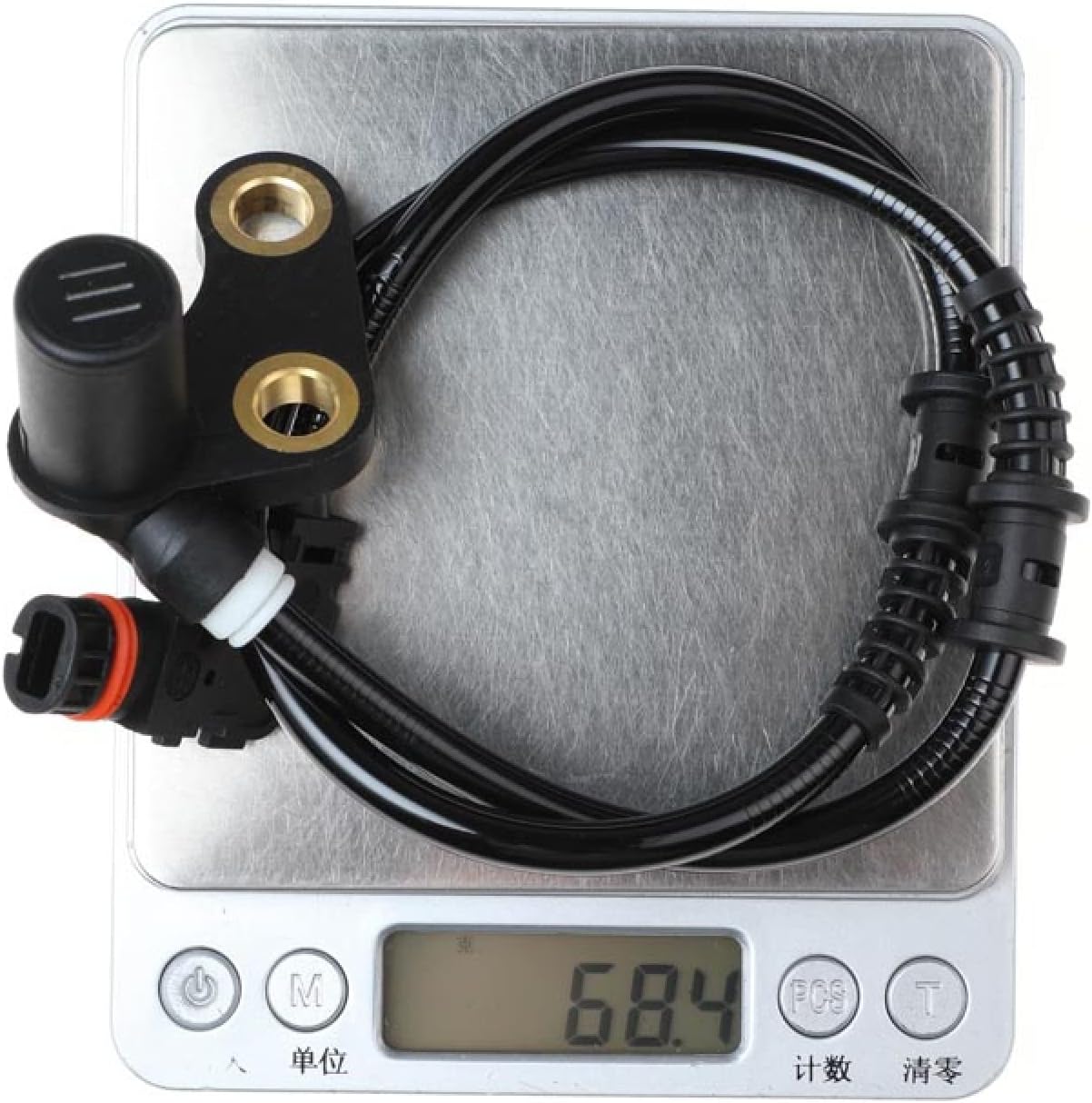
Figure 4: Sensor weight measurement.

Figure 5: Sensor dimensions for reference.
9. Warranty and Customer Support
LadyCent is committed to providing quality products and customer satisfaction. If you have any questions regarding the installation, function, or compatibility of your ABS wheel speed sensor, please contact our customer support team.
We offer 24-hour online service to assist you with any inquiries. Please refer to your purchase documentation for specific warranty details and contact information.