
1. Introduction
This manual provides essential information for the safe and efficient operation, maintenance, and troubleshooting of your TUXING 4500Psi High-Pressure Air Compressor. Please read this manual thoroughly before operating the unit to ensure proper use and to prevent injury or damage.
The TUXING TXESB041-2 is a gasoline-powered, high-pressure air compressor designed for applications requiring a pure, high-pressure gas source, such as diving and paintball. It features an automatic stop function for user convenience and safety.
2. Safety Information
WARNING: Failure to follow these safety instructions could result in serious injury or death.
- Always operate the compressor in a well-ventilated area to prevent carbon monoxide poisoning from engine exhaust.
- Ensure all connections are secure before operation to prevent high-pressure leaks.
- Do not exceed the maximum rated pressure of 30 MPa (4500 Psi). The auto-stop feature is a safety mechanism, but manual monitoring is always recommended.
- Wear appropriate personal protective equipment (PPE), including eye and ear protection, during operation.
- Keep children and unauthorized personnel away from the compressor during operation.
- Do not touch hot surfaces, such as the engine or compressor head, during or immediately after operation.
- Use only recommended lubricants (food-grade quality) as specified in the maintenance section.
- Regularly inspect the compressor for any signs of damage, wear, or leaks. Do not operate a damaged unit.
- Refer to the gasoline engine's separate manual for specific safety instructions related to fuel handling and engine operation.
3. Product Overview and Components
The TUXING TXESB041-2 compressor is a robust unit designed for high-pressure air delivery. Key components include the gasoline engine, compressor pump, cooling system, filtration system, and control panel.
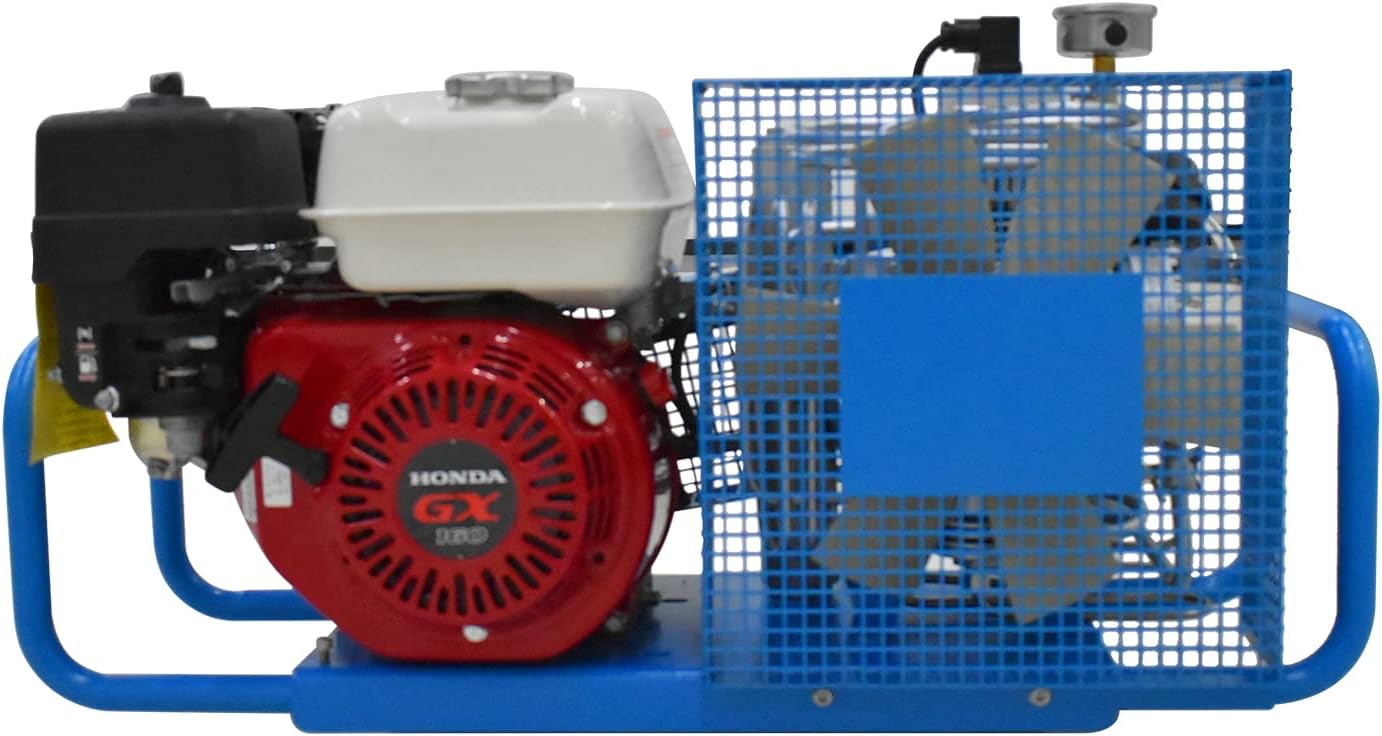
Figure 3.1: Main view of the TUXING 4500Psi High-Pressure Air Compressor, showing the gasoline engine and the compressor unit with its protective cage.
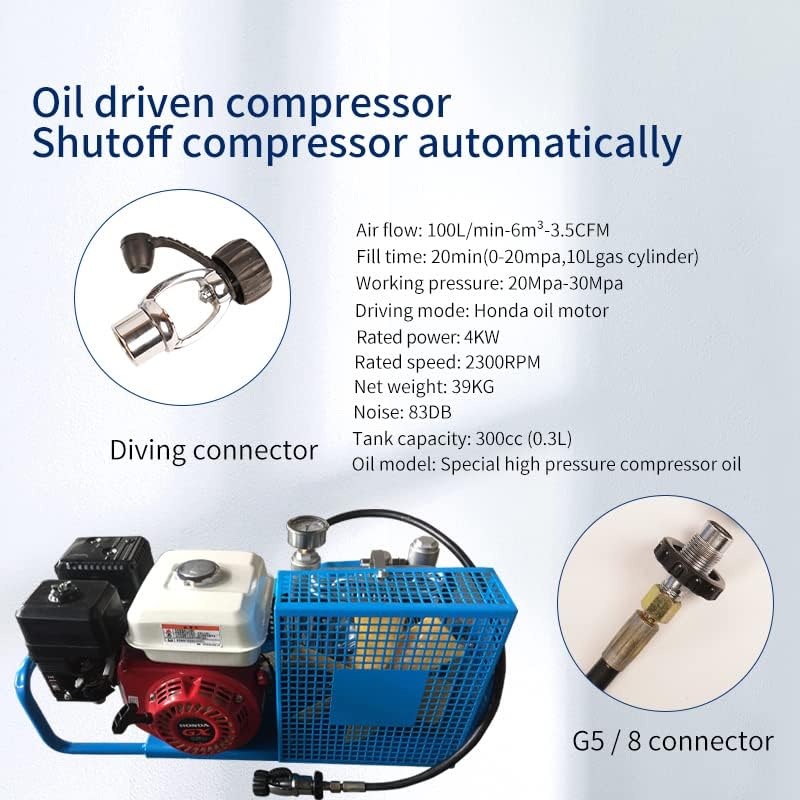
Figure 3.2: Detailed view highlighting the diving connector and G5/8 connector, along with key operational specifications such as air flow, fill time, working pressure, and noise level.
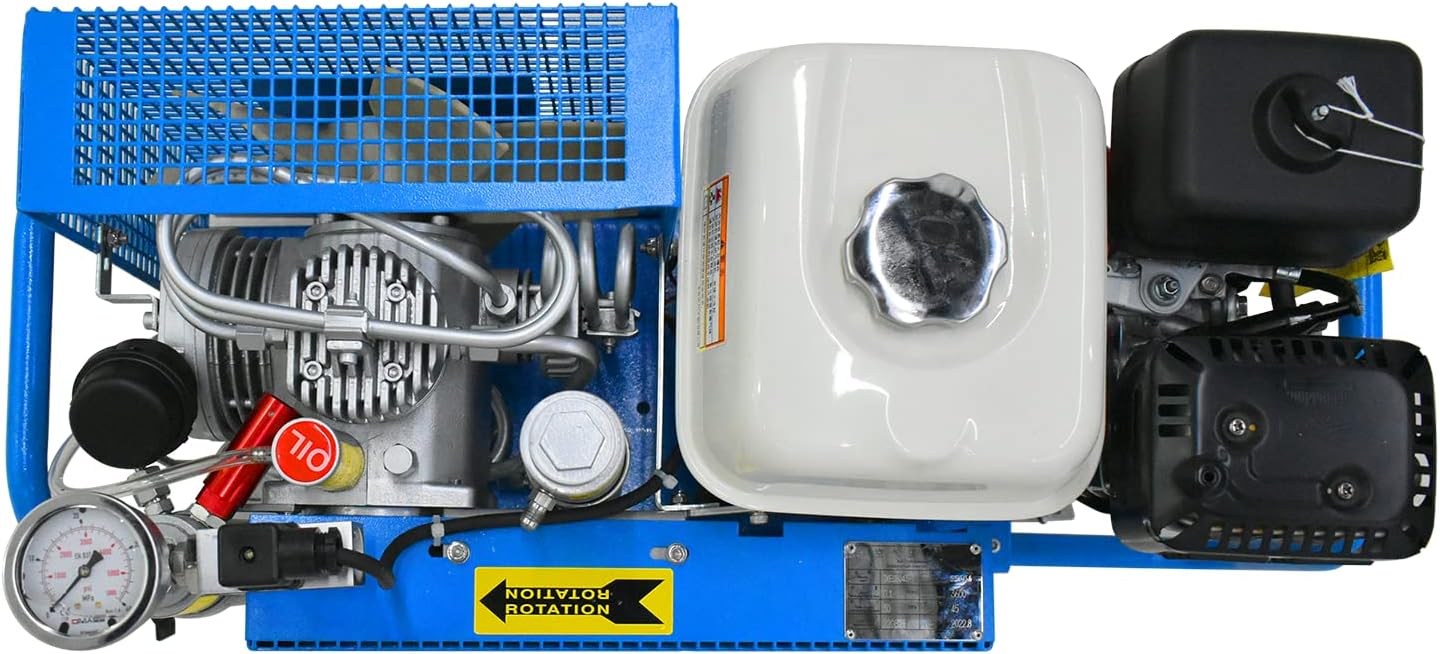
Figure 3.3: Top view of the compressor, providing a clear perspective of the engine, compressor block, and various connections from above.

Figure 3.4: Angled side view of the compressor, showcasing the robust frame and the arrangement of components from another perspective.
Key Components:
- Gasoline Engine: Powers the compressor pump.
- Compressor Pump: Four high-pressure cylinders capable of compressing air up to 30 MPa.
- Cooling Fan: Ensures efficient heat dissipation during operation.
- Filtration System: Includes intake filter, separator, and oil filter for clean air output.
- Safety Valve: Releases pressure if it exceeds safe limits.
- Pressure Switch: Activates the automatic stop function when preset pressure is reached.
- Pressure Gauge: Displays current operating pressure.
- Diving Connector / G5/8 Connector: For connecting to air tanks or other high-pressure systems.
4. Specifications
| Feature | Specification |
|---|---|
| Model Number | TXESB041-2 |
| Manufacturer | Xiamen Subang Technology Co.,Ltd. |
| Dimensions (L x W x H) | 78 x 44 x 50 cm (30.7 x 17.3 x 19.7 inches) |
| Weight | 57 kg (125.7 lbs) |
| Power Source | Gasoline Engine |
| Air Flow Rate | 100 L/min (3.5 CFM) |
| Working Pressure | 20-30 MPa (200-300 bar / 3000-4500 Psi) |
| Max Preset Pressure | 30 MPa |
| Rated Power | 4 Kilowatts (4 Watt-hours) |
| Rated Speed | 2300 RPM |
| Noise Level | 83 dB |
| Tank Capacity (Oil) | 0.3L (300cc) |
| Oil Model | Special high pressure compressor oil (Food-grade recommended) |
| Compliance | EU EN12021, GB18435-2001 |
| Batteries Included | 2 LR44 (for certain components, e.g., pressure gauge backlight) |
5. Setup
Before first use, ensure the compressor is placed on a stable, level surface in a well-ventilated area, away from flammable materials.
- Unpacking: Carefully remove the compressor from its packaging. Inspect for any shipping damage.
- Fueling the Engine: Fill the gasoline tank with appropriate fuel as specified in the engine's manual. Do not overfill.
- Adding Compressor Oil: Ensure the compressor oil reservoir is filled to the correct level with special high-pressure compressor oil (food-grade recommended). Refer to the oil level indicator.
- Connecting Hoses: Connect the high-pressure hose to the compressor's output port and to the tank or device you intend to fill. Ensure all connections are tight and secure.
- Check Filters: Verify that the intake filter and oil filter are correctly installed and clean.

Figure 5.1: Side view of the compressor, showing the filtration system and various connections. Ensure these are properly set up before operation.
6. Operating Instructions
Follow these steps for safe and effective operation of your TUXING high-pressure compressor.
- Preparation:
- Ensure the compressor is on a stable, level surface.
- Confirm adequate ventilation.
- Check fuel and oil levels.
- Verify all hose connections are secure.
- Open the bleed valve on the compressor to release any residual pressure before starting.
- Setting Pressure: Adjust the pressure switch to your desired shut-off pressure (maximum 30 MPa).
- Starting the Engine: Follow the starting procedure for the gasoline engine (typically involves choke, throttle, and pull start or electric start if equipped). Refer to the engine's specific manual if needed.
- Compressing Air: Once the engine is running smoothly, close the bleed valve. The compressor will begin to fill the connected tank. Monitor the pressure gauge.
- Automatic Shut-off: The compressor will automatically stop when the preset pressure is reached.
- After Compression:
- Turn off the engine.
- Slowly open the bleed valve to release pressure from the compressor system.
- Disconnect the high-pressure hose from your tank.

Figure 6.1: Top angled view of the compressor, showing the engine, compressor unit, and pressure gauge. This perspective helps in locating controls and monitoring during operation.
7. Maintenance
Regular maintenance is crucial for the longevity and safe operation of your compressor.
- Oil Change: Change the compressor oil after the first 20 hours of operation, then every 50-100 hours or as recommended by the oil manufacturer. Use only special high-pressure compressor oil (food-grade recommended). The oil capacity is 0.3L.
- Filter Replacement:
- Intake Filter: Inspect and clean the intake filter regularly. Replace if damaged or excessively dirty.
- Oil Filter & Separator: Replace these filters as per the manufacturer's recommendations or if air quality degrades.
- Bleed Valve Usage: Always open the bleed valve after each use to release moisture and prevent corrosion in the system.
- Belt Inspection: Check the drive belt for wear and proper tension periodically. Adjust or replace as necessary.
- General Cleaning: Keep the exterior of the compressor clean and free of debris to ensure proper cooling.
- Storage: When storing for extended periods, drain fuel from the engine and ensure the compressor system is depressurized and dry.

Figure 7.1: Angled view showing the filtration unit and oil fill point. Regular inspection and maintenance of these components are vital.
8. Troubleshooting
This section addresses common issues you might encounter with your compressor. For problems not listed here, contact customer support.
| Problem | Possible Cause | Solution |
|---|---|---|
| Compressor does not start. | No fuel; Engine issue; Electrical issue (if applicable). | Check fuel level. Refer to engine manual for starting issues. Ensure all switches are in the correct position. |
| Compressor runs but does not build pressure. | Bleed valve open; Leaks in system; Clogged intake filter; Worn piston rings. | Close bleed valve. Check all connections for leaks. Clean/replace intake filter. Contact service for internal component issues. |
| Compressor stops prematurely. | Preset pressure reached; Overheating; Low oil pressure. | Check preset pressure. Allow unit to cool down. Check oil level. |
| Excessive noise or vibration. | Loose components; Worn bearings; Unbalanced fan; Low oil. | Inspect for loose bolts. Check oil level. Contact service if noise persists. |
| Oil in compressed air. | Damaged oil separator; Overfilled oil; Worn piston rings. | Replace oil separator. Check oil level. Contact service for internal component issues. |
9. Warranty and Support
For warranty information, please refer to the documentation provided with your purchase or contact TUXING customer support directly. TUXING is committed to providing high-quality products and excellent customer service.
If you require technical assistance, spare parts, or have any questions regarding your TUXING 4500Psi High-Pressure Air Compressor, please visit the official TUXING store on Amazon or contact their customer service department.
TUXING Official Store: Visit TUXING Store


