
1. Introduction
This manual provides essential information for the proper installation, operation, and maintenance of your DNM AOY-38RC Mountain Bike Air Rear Shock. Please read this manual thoroughly before using the product to ensure optimal performance and safety. Retain this manual for future reference.

Figure 1.1: The DNM AOY-38RC Mountain Bike Air Rear Shock, featuring its black anodized body and adjustment mechanisms.
2. Safety Information
Always prioritize safety when working with bicycle components. Improper installation or adjustment can lead to serious injury or product damage.
- Always wear appropriate safety gear, including eye protection, when performing maintenance or adjustments.
- Ensure the bicycle is securely supported before beginning any work.
- Do not exceed the maximum air pressure specified for the shock (MAX: 275 psi). Over-pressurization can cause component failure.
- If you are unsure about any installation or adjustment procedure, consult a qualified bicycle mechanic.
- Keep hands and fingers clear of moving parts during adjustment.
3. Product Overview
The DNM AOY-38RC is an air-sprung rear shock designed for mountain bikes, offering adjustable rebound damping and a lockout feature. It is constructed with a dark hard-anodized AL-6061 shock body and an AL-7075 damper shaft for durability and performance.
3.1 Key Features
- Air Spring: Provides adjustable suspension characteristics.
- Rebound Adjustment: Controls the speed at which the shock extends after compression.
- Lockout Function: Allows for firming up the suspension for climbing or smooth terrain.
- Durable Construction: AL-6061 shock body and AL-7075 damper shaft.
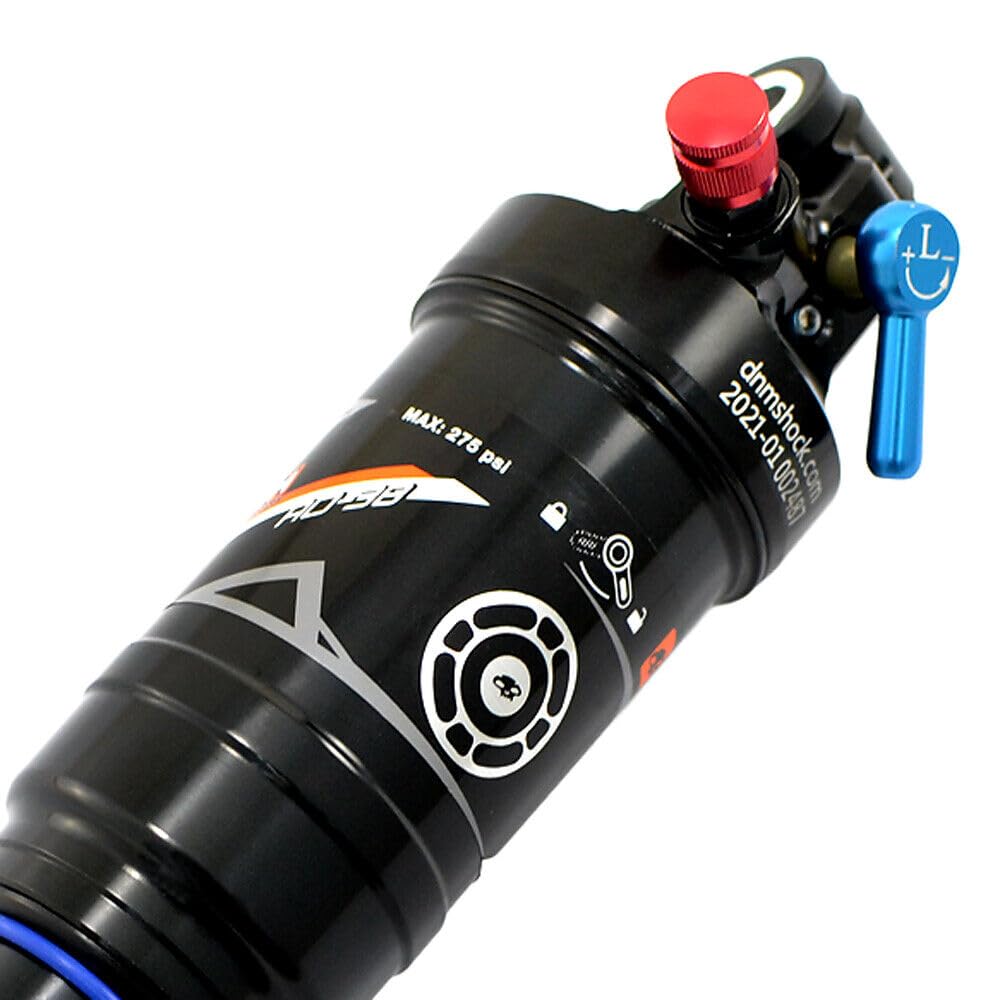
Figure 3.1: Close-up view of the top section of the shock, showing the lockout lever (blue), rebound adjustment dial (red), and the maximum air pressure indicator (MAX: 275 psi).
4. Setup
4.1 Installation
The DNM AOY-38RC rear shock is designed for mountain bikes with a 190x50mm eye-to-eye and travel measurement. Installation typically involves:
- Remove the existing rear shock from your bicycle frame.
- Ensure the mounting hardware (bushings and spacers) is compatible with the DNM AOY-38RC. The eyelet diameter is 8mm and eyelet width is 24mm.
- Carefully install the new DNM AOY-38RC shock into the frame's mounting points.
- Tighten all mounting bolts to the bicycle manufacturer's recommended torque specifications.
4.2 Air Pressure Adjustment (Sag Setting)
Proper air pressure is crucial for optimal performance and rider comfort. This is typically set by measuring 'sag', the amount the suspension compresses under the rider's weight.
- Attach a high-pressure shock pump to the air valve. The air valve is located near the lockout lever.
- Add or release air until the desired sag percentage is achieved. A common starting point for XC/Trail riding is 20-30% sag.
- To measure sag:
- With the shock fully extended, measure the eye-to-eye length or the exposed shaft length.
- Carefully sit on the bike in your normal riding position (with gear).
- Without bouncing, dismount the bike and measure the new eye-to-eye length or exposed shaft length.
- The difference between the extended and compressed measurements is the sag. Adjust air pressure until sag is within the recommended range for your bike and riding style.
- Do not exceed 275 psi.
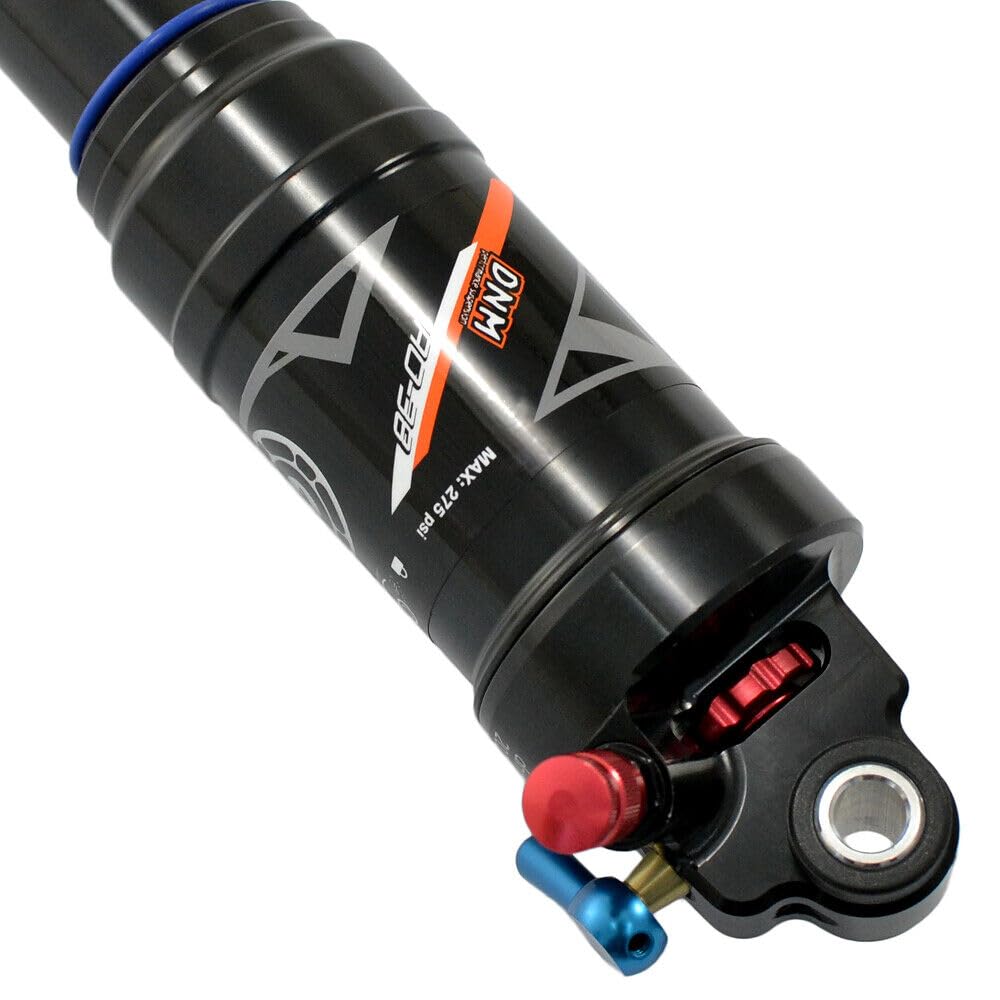
Figure 4.1: Detail of the air valve and the 'MAX: 275 psi' marking on the shock body, indicating the maximum allowable air pressure.
5. Operation
5.1 Rebound Adjustment
The rebound adjustment controls how quickly the shock returns to its extended position after compression. This is adjusted via the red dial.
- Turn the red dial clockwise (towards 'S' for Slower) to increase rebound damping, making the shock return slower.
- Turn the red dial counter-clockwise (towards 'F' for Faster) to decrease rebound damping, making the shock return faster.
- Adjust rebound based on terrain and rider preference. A good starting point is to set it so the wheel tracks the ground without 'pogo-sticking' or packing up.
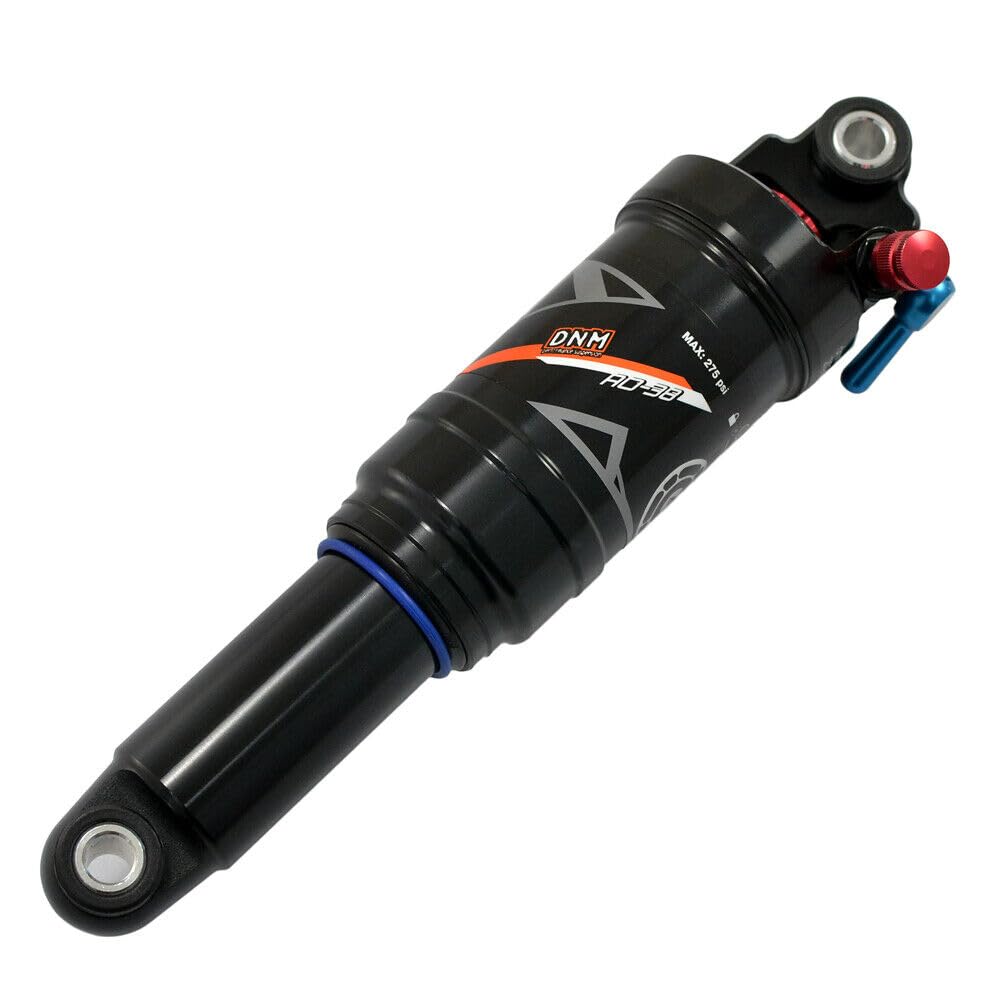
Figure 5.1: The red rebound adjustment dial, typically found at the end of the shock body, used to control the speed of extension.
5.2 Lockout Function
The lockout feature allows you to stiffen the shock, reducing suspension movement for more efficient pedaling on smooth surfaces or climbs.
- To engage lockout, turn the blue lever to the 'L' (Lock) position.
- To disengage lockout, turn the blue lever to the 'U' (Unlock) position.
- Avoid riding with the lockout engaged on rough terrain, as this can damage the shock.

Figure 5.2: The blue lockout lever, used to engage or disengage the shock's lockout feature for varying terrain conditions.
6. Maintenance
Regular maintenance ensures the longevity and performance of your DNM AOY-38RC rear shock.
6.1 Cleaning
- After each ride, especially in wet or dusty conditions, wipe down the shock body and shaft with a clean, damp cloth.
- Avoid using high-pressure washers directly on the shock seals, as this can force water and contaminants inside.
- Do not use harsh chemicals or solvents, which can damage seals and finishes.
6.2 Inspection
- Periodically inspect the shock for any signs of damage, leaks, or excessive wear on the shaft and seals.
- Check mounting bolts for proper tightness.
- Ensure the lockout lever and rebound dial operate smoothly.
6.3 Service
For internal service, such as seal replacement or damper fluid changes, it is recommended to consult a professional bicycle mechanic or an authorized DNM service center. Specialized tools and knowledge are required for these procedures.
7. Troubleshooting
This section addresses common issues you might encounter with your DNM AOY-38RC rear shock.
| Problem | Possible Cause | Solution |
|---|---|---|
| Shock feels too soft/bottoms out easily | Insufficient air pressure | Add air using a high-pressure shock pump. Re-check sag. |
| Shock feels too stiff/harsh ride | Excessive air pressure | Release air using a high-pressure shock pump. Re-check sag. |
| Shock returns too slowly (packs up) | Rebound damping too high | Decrease rebound damping (turn red dial counter-clockwise). |
| Shock returns too quickly (pogo-sticking) | Rebound damping too low | Increase rebound damping (turn red dial clockwise). |
| Lockout not fully engaging/disengaging | Internal issue or cable tension (if remote lockout) | Ensure lever is fully engaged. If issue persists, consult a professional. |
| Oil leakage around shaft | Worn seals | Requires professional service for seal replacement. |
8. Specifications
Detailed technical specifications for the DNM AOY-38RC Air Rear Shock.
| Feature | Specification |
|---|---|
| Model | AOY-38RC |
| Eye to Eye x Travel | 190 x 50 mm (7.83 x 1.97 inch) |
| Weight | 290g (0.64 Ib) |
| Eyelet Diameter | 8 mm |
| Eyelet Width | 24 mm |
| Adjustments | Rebound / Lock out / Air Pressure Adjustable |
| Damper Shaft | Dark hard-anodized AL-7075 Ø10 mm (0.39 inch) |
| Shock Body | Dark hard-anodized AL-6061 |
| Spring Type | Air Spring |
| Riding Style | XC / Trail |
| Maximum Air Pressure | 275 psi |
| Material | Aluminum |
| Color | Black |
| Manufacturer Part Number | AOY-38RC |
| UPC | 607816954352 |
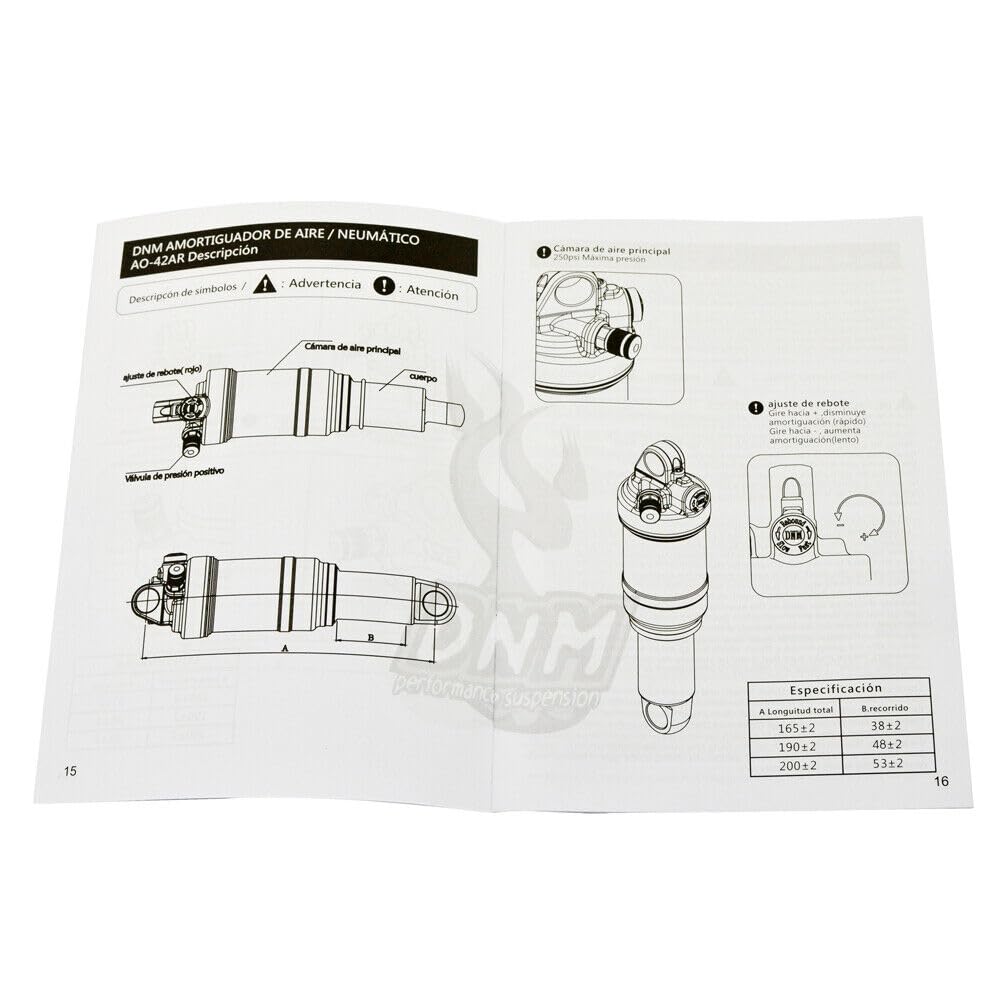
Figure 8.1: An excerpt from the user manual, showing diagrams and specifications for various DNM shock models, including the AOY-38RC.
9. Warranty and Support
9.1 Warranty Information
DNM products are manufactured to high standards. For specific warranty terms and conditions, please refer to the warranty card included with your product or visit the official DNM website. Typically, warranties cover manufacturing defects under normal use conditions.
9.2 Customer Support
For technical assistance, spare parts, or warranty claims, please contact DNM customer support through their official website or your authorized dealer. Provide your product model (AOY-38RC) and purchase details when contacting support.
You can find more information and resources on the official DNM website: dnmshock.com


