
Renogy 3000w Pure Sine Wave Inverter Charger
Renogy 3000W Pure Sine Wave Inverter Charger User Manual
Model: 3000w Pure Sine Wave Inverter Charger
Brand: Renogy
1. Introduction
The Renogy 3000W Pure Sine Wave Inverter Charger is a versatile and powerful device designed to provide reliable AC power from a DC battery bank, while also offering advanced battery charging capabilities. This unit is ideal for off-grid solar systems, RVs, boats, and home backup power solutions. It features a pure sine wave output, ensuring compatibility with sensitive electronics, and includes an auto transfer switch for seamless power transitions.
Key Features:
- Versatile Compatibility: Seamlessly compatible with a wide range of battery types including GEL, AGM, SLA, FLD, CAL, and LI.
- Powerful Output: Delivers continuous power of 3000W and surge power up to 9000W, suitable for various electrical appliances.
- Electronic Safeguard: Advanced Pure Sine Wave technology provides high-quality AC power, protecting sensitive devices.
- 4-Stage Charging: Equipped with Bulk, Boost, Float, and Equalization stages for optimal and automatic battery charging.
- Comprehensive Safety Features: Includes protection against under-voltage, overvoltage, overload, overheating, and short circuits.
2. Safety Information
Please read and understand all safety instructions before installing or operating the Renogy 3000W Pure Sine Wave Inverter Charger. Failure to follow these instructions may result in electrical shock, fire, or serious injury.
- Ensure the inverter charger is in the OFF position before connecting any wires.
- Always wear appropriate personal protective equipment (PPE), including insulated gloves and eye protection, when working with electrical systems.
- Verify correct polarity when connecting battery cables to prevent damage to the unit and batteries.
- Install the unit in a well-ventilated area, away from flammable materials and moisture.
- Do not attempt to disassemble or repair the unit yourself. Refer all servicing to qualified personnel.
3. Product Overview

Figure 3.1: Renogy 3000W Pure Sine Wave Inverter Charger
The Renogy 3000W Pure Sine Wave Inverter Charger is a compact and robust unit, designed for efficient power conversion and battery management. Its dimensions are 20.1 x 11.2 x 7.6 inches, and it weighs 63.5 pounds.
Components Included:
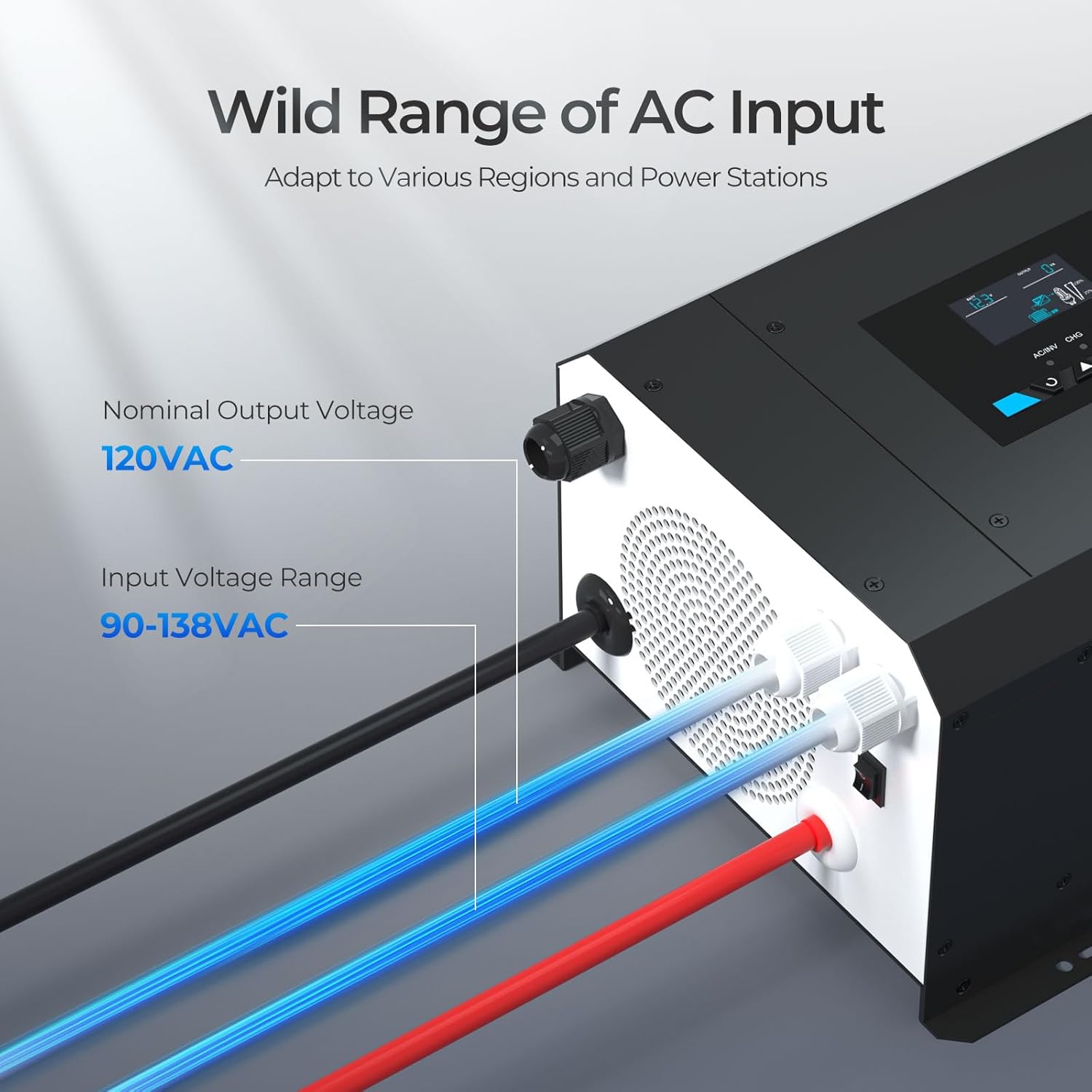
Figure 3.2: Contents of the Renogy Inverter Charger Box
The inverter charger unit comes with essential accessories for its operation. These include a battery temperature sensor and a wired remote control. Please note that battery cables are not included and must be sourced separately.
LCD Display and Controls:

Figure 3.3: Intelligent LCD Display Panel
The unit features an intelligent LCD display panel with smart LED indicators (AC/INV, CHG, FAULT) and four function keys. This interface allows users to view the inverter's status, monitor input/output voltages, and program various settings for optimal performance.
4. Setup & Installation
Proper installation is crucial for the safe and efficient operation of your Renogy Inverter Charger. Follow these steps carefully.
4.1 Pre-Installation Checks:
- Ensure the unit is in the OFF position before any wiring.
- Gather all necessary tools and cables (2 AWG cables are recommended for battery connections).
- Select a mounting location that is dry, well-ventilated, and provides sufficient clearance for air circulation around the unit.
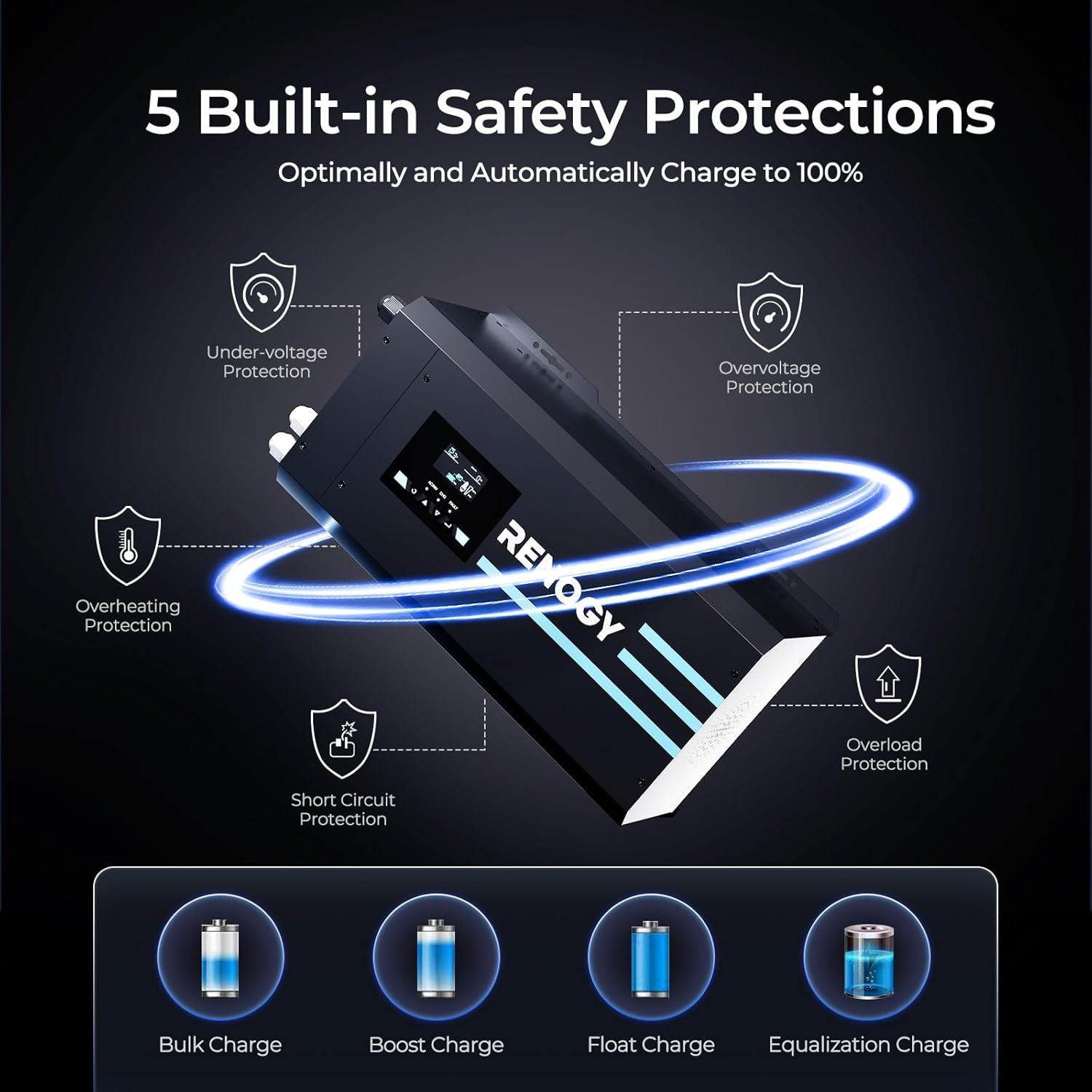
Figure 4.1: Compact design for easy installation in various setups like RVs.
4.2 Battery Connection:
Connect the inverter charger to your deep cycle battery bank. Always connect the negative terminal first, then the positive.
- Remove the terminal cover from the inverter charger.
- Loosen the negative terminal nut on the inverter. Insert the negative battery cable onto the terminal and tighten securely.
- Connect the other end of the negative battery cable to the negative post of your battery.
- Repeat the process for the positive battery cable, connecting it to the positive terminal on the inverter and then to the positive post of your battery. Ensure polarity is matched correctly.
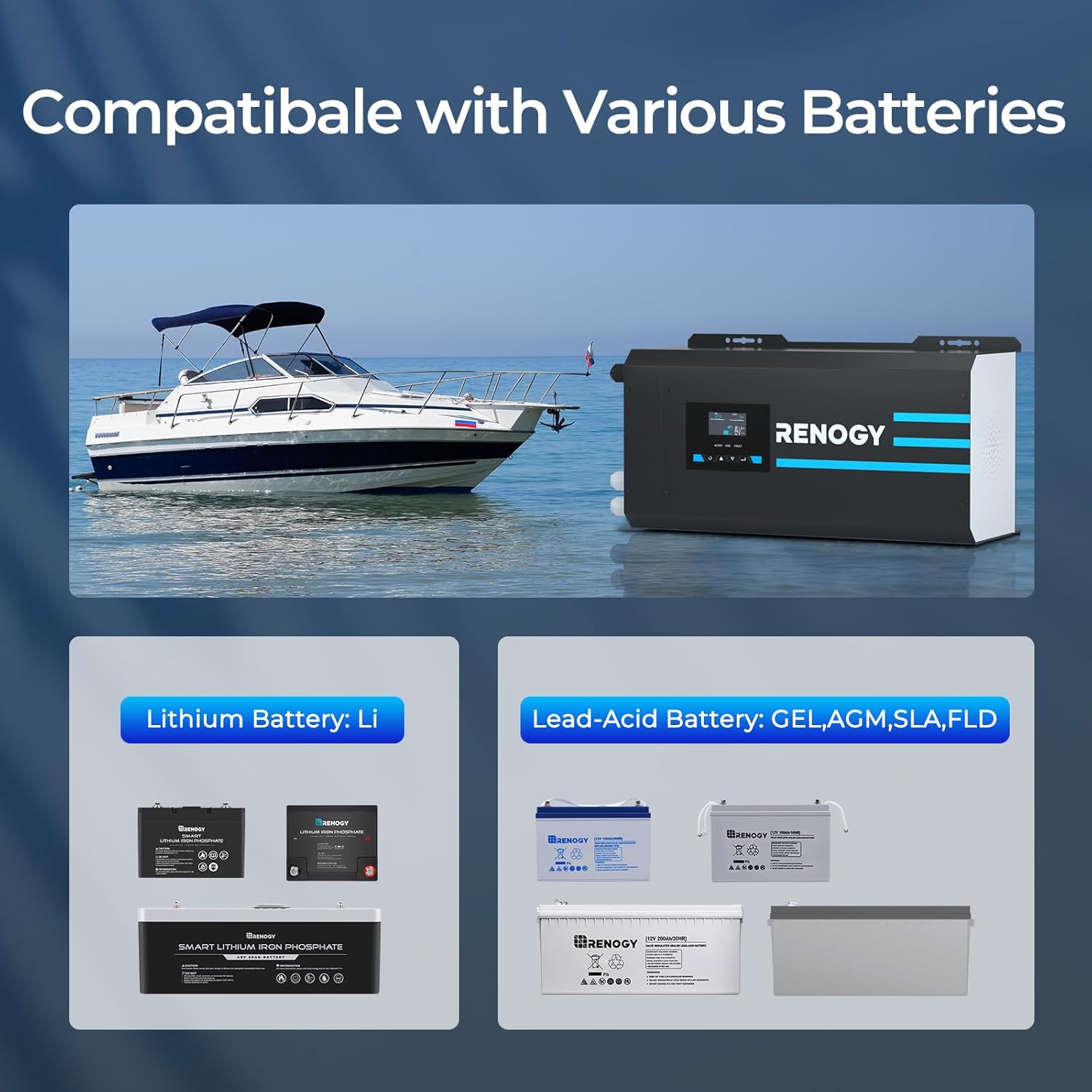
Figure 4.2: The inverter charger is compatible with various battery types, including Lithium and Lead-Acid (GEL, AGM, SLA, FLD).
4.3 AC Input/Output Wiring:
The inverter charger uses hard-wired connections for AC input and output. Ensure all connections are secure and follow local electrical codes.
- Feed the bare wire ends of your AC input cable (e.g., from shore power) through the corresponding faceplate terminals labeled 'INPUT' (L, N, Ground). Tighten the terminals securely.
- Feed the bare wire ends of your AC output cable (for connecting appliances) through the corresponding faceplate terminals labeled 'OUTPUT' (L, N, Ground). Tighten the terminals securely.
4.4 Remote Control and Temperature Sensor Connection:
Connect the provided accessories for enhanced functionality.
- Connect the battery temperature sensor to its designated port on the inverter charger. Place the sensor near the battery bank to allow the inverter to continuously adjust charging voltage based on battery temperature. Note: The temperature sensor is NOT necessary for LiFePO4 batteries.
- Connect the wired remote control to the RJ11 port on the inverter charger. This allows you to turn the unit on/off from a more convenient location.
Video 4.1: Renogy 3000W Pure Sine Wave Inverter Charger with LCD Display - This video demonstrates the physical connections for the battery, AC input/output, temperature sensor, and remote control, as well as initial power-up and basic LCD navigation.
5. Operating Instructions
Once all connections are made, you can begin operating your inverter charger.
5.1 Powering On/Off:
- Ensure all wiring is correct and secure.
- Flip the main power switch on the inverter charger to the ON position. The LCD screen will illuminate.
- To power off, flip the switch to the OFF position.
5.2 Understanding the LCD Display:
The LCD display provides real-time information about the inverter's status, including input voltage, output voltage, battery charge status, and fault indicators. Use the navigation buttons (up, down, enter, escape) to cycle through different screens and settings.
5.3 Battery Type Settings:
It is essential to set the correct battery type for optimal charging and discharge protection. This setting is typically found in the programming menu (e.g., Option 5 for battery settings).
- Press and hold the 'Enter' button for 3 seconds to access the settings menu.
- Navigate to the battery settings option (e.g., '05 b-L').
- Press and hold 'Enter' again to modify the setting. Use the navigation buttons to select your battery type (e.g., Lithium, GEL, AGM, etc.).
- Press 'Enter' to confirm your selection.
5.4 AC Output Modes:
The inverter charger can be programmed to prioritize power sources:
- Utility Priority: The inverter will primarily use shore power (AC input) to power loads and charge batteries. If shore power is unavailable, it will automatically switch to battery power (inverter mode).
- Battery Priority: The inverter will primarily use battery power to run loads. It will only switch to shore power when the battery voltage drops below a set threshold.

Figure 5.1: The auto transfer switch ensures seamless power transition between AC input and battery power, typically within ~10ms.
6. Maintenance
Regular maintenance ensures the longevity and optimal performance of your Renogy Inverter Charger.
- Cleaning: Periodically clean the exterior of the unit with a dry cloth. Ensure ventilation openings are free from dust and debris.
- Connections: Regularly check all electrical connections (battery, AC input/output) for tightness and corrosion. Loose connections can lead to overheating and poor performance.
- Battery Health: Monitor your battery bank's health. The inverter's 4-stage charging process helps maintain battery health, but regular checks of battery terminals and electrolyte levels (for flooded batteries) are recommended.
7. Troubleshooting
If you encounter issues with your inverter charger, refer to the following common problems and solutions.
Common Issues:
- No Power Output: Check battery connections, ensure the unit is turned on, and verify battery voltage is within the operating range.
- Fault Indicator (FAULT LED) is On: This indicates an error. Refer to the LCD display for specific fault codes. Common faults include:
- Overload: The connected load exceeds the inverter's capacity. Reduce the load.
- Overheating: Insufficient ventilation or high ambient temperature. Ensure proper airflow and reduce load if necessary.
- Under-voltage/Overvoltage: Battery voltage is too low or too high. Check battery health and charging system.
- Short Circuit: A short circuit in the AC output. Disconnect loads and inspect wiring.
- Battery Not Charging: Verify AC input connection (shore power), check AC input voltage, and ensure the charging mode is enabled in settings.
Video 7.1: Renogy Inverter Charge Controller in a camper van - This video shows the inverter's LCD display and its behavior during power transitions, which can be helpful for understanding normal operation versus fault conditions.
8. Specifications
| Attribute | Value |
|---|---|
| Product Dimensions | 20.1 x 11.2 x 7.6 inches |
| Item Weight | 63.5 pounds |
| Manufacturer | Renogy |
| Item Model Number | 3000w Pure Sine Wave Inverter Charger |
| Power Source | Solar Powered |
| Wattage | 3000W (Continuous), 9000W (Surge) |
| Battery Capacity (Example) | 200 Amp Hours |
| Model Name | 12V DC to 120V AC Surge 9000w |
9. Warranty & Support
Renogy stands behind the quality of its products. This inverter charger typically comes with a manufacturer's warranty. For specific warranty terms and conditions, please refer to the documentation included with your purchase or visit the official Renogy website.
Customer Support:
If you require technical assistance, have questions about installation, or need to address a warranty claim, please contact Renogy Customer Support. You can often find support resources, FAQs, and contact information on the Renogy Store on Amazon or their official website.
For additional resources, you may also refer to the official User Guide (PDF) available at: User Guide (PDF).
Related documents3000w Pure Sine Wave Inverter Charger


Ask a question about this manual
Ask about setup, troubleshooting, compatibility, parts, safety, or missing instructions. Manuals+ will review the question and use this page’s manual context to help answer it.