
1. Product Overview
The Kratos FA 10 103 00 is a 2-point fall arrest safety harness designed for personal protection against falls from a height. This harness is a crucial component of a personal fall arrest system (PFAS) and must be used in conjunction with other compatible equipment.
It features a dorsal D-ring and sternal textile loops for attachment, adjustable thigh straps, and color-differentiated shoulder and thigh straps for easy and correct donning. An ergonomically placed sub-pelvic strap enhances user comfort.

Figure 1: Front view of the Kratos FA 10 103 00 Safety Harness. This image shows the full harness with its green and black straps, dorsal D-ring, and sternal textile loops.
This harness is classified as Personal Protective Equipment (PPE) and complies with the EN 361:2002 standard. It is suitable for users with a maximum weight of 140 kg.
2. Safety Information and Warnings
- Read and understand all instructions before using this equipment. Failure to do so may result in serious injury or death.
- This harness must only be used by trained and competent persons, or under the direct supervision of such a person.
- Inspect the harness before each use for any signs of damage, wear, or degradation. Do not use if any defects are found.
- Ensure all buckles and adjusters are securely fastened and correctly adjusted before use.
- The harness is designed for fall arrest purposes. It must be connected to a suitable fall arrest system that includes an anchorage point, a connector, and a lanyard or retractable lifeline.
- The maximum user weight, including tools and clothing, must not exceed 140 kg.
- Never modify or alter the harness.
- In the event of a fall, the harness must be immediately removed from service and inspected by a competent person or the manufacturer.
- Avoid contact with sharp edges, abrasive surfaces, high temperatures, chemicals, and other hazards that could damage the harness.
3. Components
The Kratos FA 10 103 00 harness consists of the following main components:
- Shoulder Straps: Adjustable straps that go over the shoulders.
- Thigh Straps: Adjustable straps that go around the thighs.
- Dorsal D-Ring: A metal D-ring located on the back, used as a primary fall arrest attachment point.
- Sternal Textile Loops: Two textile loops on the chest area, forming a sternal attachment point for fall arrest.
- Sub-Pelvic Strap: A strap positioned under the buttocks for enhanced comfort and support.
- Adjustment Buckles: Steel buckles for adjusting the fit of the shoulder and thigh straps.
- Identification Label: Contains product information, standards, and manufacturing details.
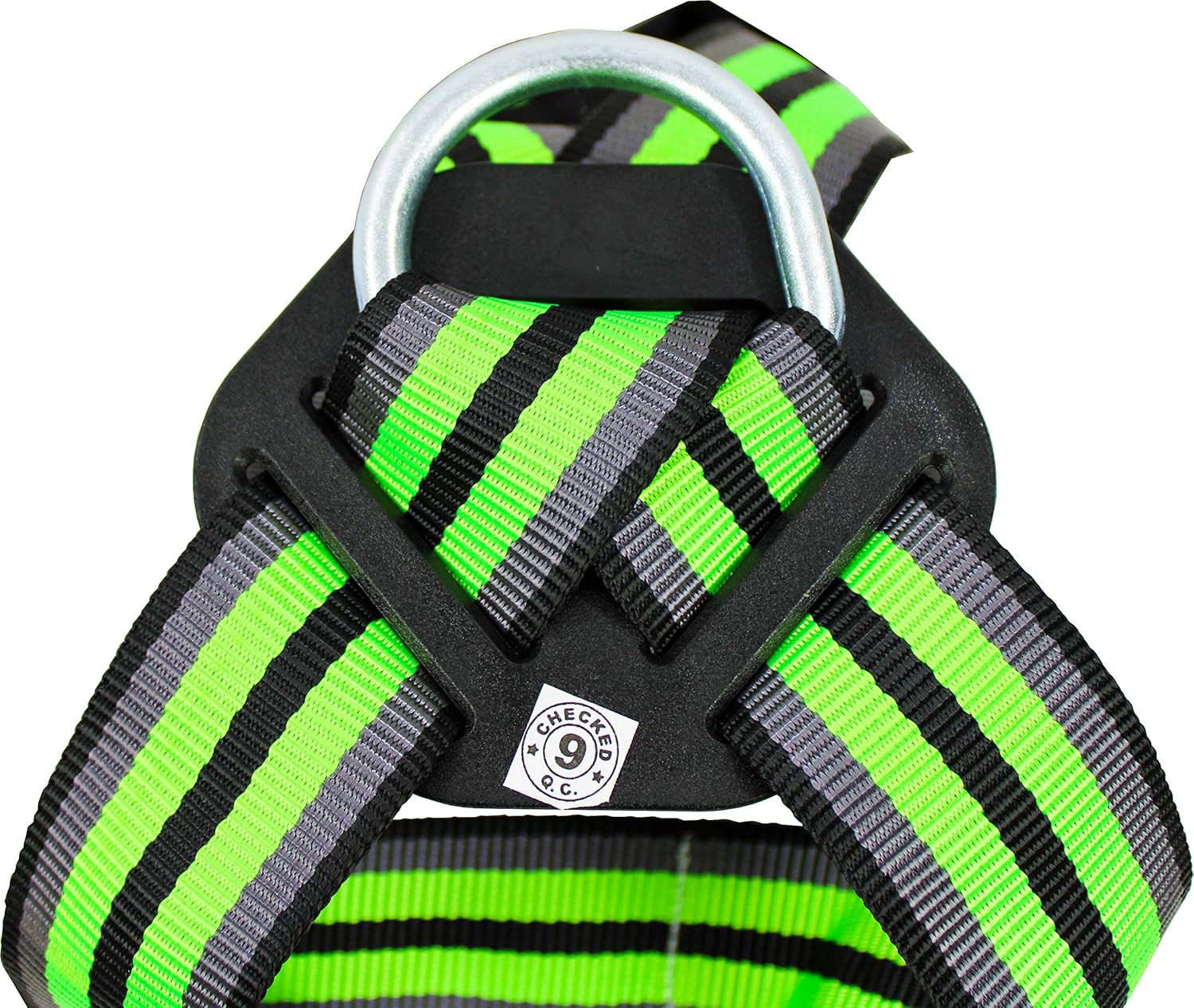
Figure 2: Close-up of the dorsal D-ring, a primary attachment point for fall arrest systems. Note the "CHECKED Q.C." label indicating quality control.
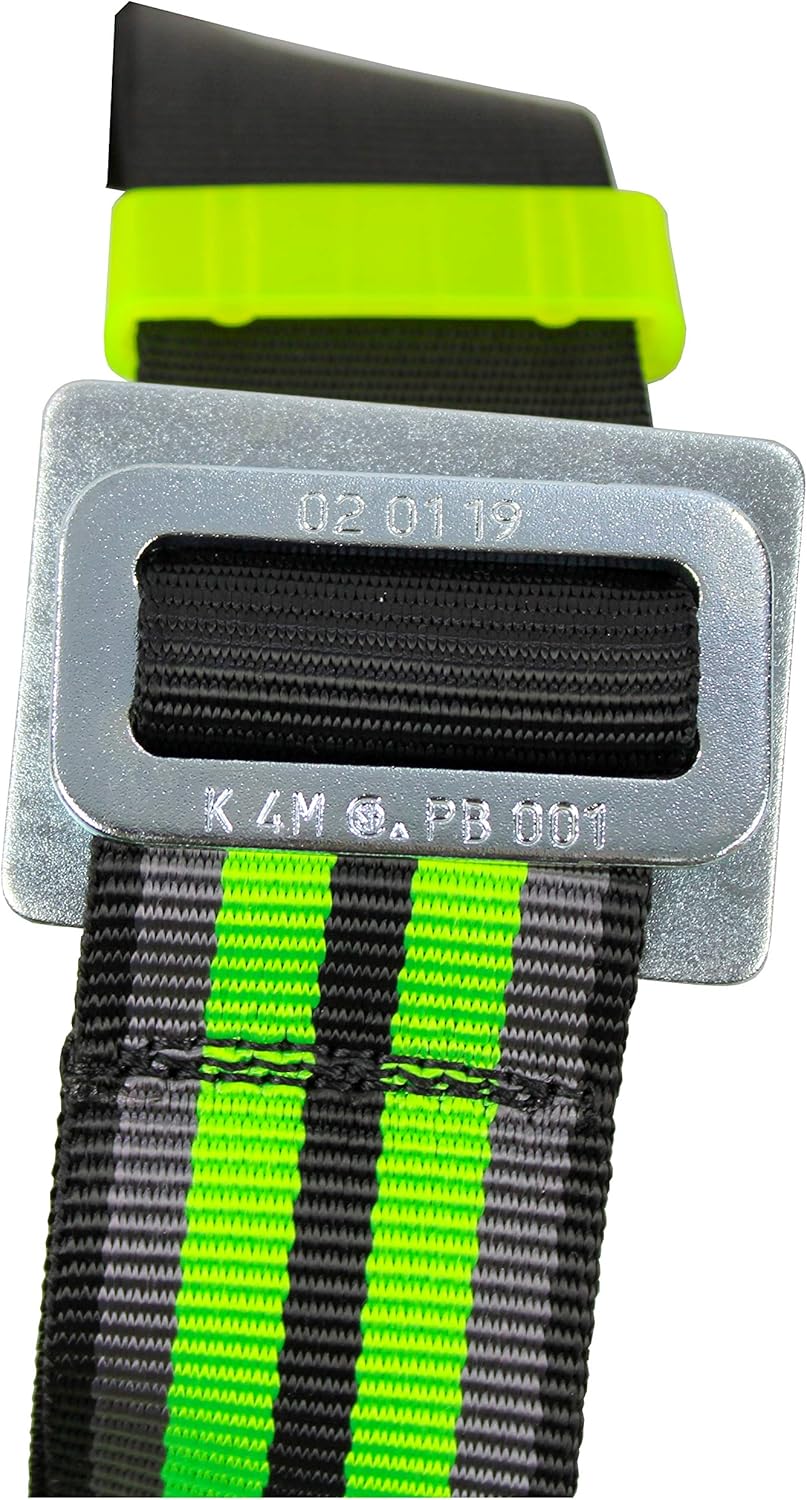
Figure 3: Detail of an adjustment buckle on the harness strap, showing manufacturing markings.

Figure 4: Product identification label, displaying compliance with EN 361:2002, maximum user weight (140 kg), model number (FA 10 103 00), material (Polyester), and universal size.
4. Setup and Donning Instructions
Follow these steps to correctly don the Kratos FA 10 103 00 safety harness:
- Inspect the Harness: Before each use, visually inspect the entire harness for cuts, fraying, burns, chemical damage, missing stitches, or any other signs of wear or damage. Check all buckles and D-rings for deformation or corrosion.
- Hold by Dorsal D-Ring: Hold the harness by the dorsal D-ring. Allow the shoulder and thigh straps to fall freely. Ensure the straps are not twisted.
- Don Shoulder Straps: Slip the shoulder straps over your shoulders as if putting on a jacket. The dorsal D-ring should be positioned between your shoulder blades.
- Connect Sternal Loops: Bring the sternal textile loops together at the front of your chest and connect them as per the system's design (e.g., using a compatible connector).
- Don Thigh Straps: Pass the thigh straps between your legs and connect them to the corresponding buckles on the waist/hip section of the harness. The thigh straps are color-differentiated for easier identification.
- Adjust Straps: Adjust all straps (shoulder, thigh, and sub-pelvic) to ensure a snug but comfortable fit. There should be no slack, but the harness should not restrict movement or breathing. The sub-pelvic strap should be ideally placed for comfort.
- Final Check: Perform a final visual and tactile check to ensure all buckles are securely fastened, straps are not twisted, and the harness fits correctly.

Figure 5: Detail of the harness straps, showing the textile loops and adjustment points. The color differentiation helps in correct donning.
5. Operating and Usage
The Kratos FA 10 103 00 harness is designed for use as part of a personal fall arrest system. It provides attachment points for connecting to a lanyard, retractable lifeline, or other compatible fall arrest components.
- Attachment Points:
- Dorsal D-Ring: Located on the back, this is the primary attachment point for fall arrest.
- Sternal Textile Loops: Located on the chest, these two textile loops form a sternal attachment point for fall arrest.
- Connection: Always connect your fall arrest lanyard or retractable lifeline to one of the designated attachment points (dorsal D-ring or sternal textile loops). Ensure the connector is compatible and securely closed.
- Anchorage: Connect your fall arrest system to an anchorage point capable of supporting at least 12 kN (2700 lbs) per worker, or as specified by local regulations. The anchorage point should be located above the user's head to minimize fall distance.
- Fall Clearance: Ensure adequate fall clearance below the work area to prevent impact with the ground or obstructions in the event of a fall. Consider lanyard length, deceleration device extension, harness stretch, and user height.
- Rescue Plan: Always have a rescue plan in place and means to implement it quickly in case of a fall. Prolonged suspension in a harness after a fall can lead to suspension trauma.
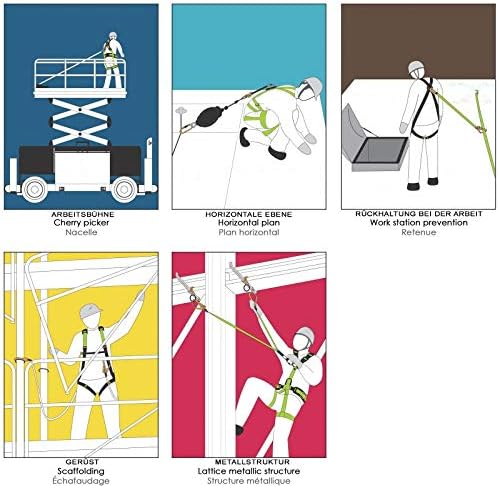
Figure 6: Illustrations depicting various applications for fall protection equipment, including use on a cherry picker, horizontal plane, for work station prevention, scaffolding, and metallic structures. This harness is suitable for occasional use.
6. Maintenance and Storage
- Cleaning: Hand wash the harness only. Use a mild soap and water solution. Rinse thoroughly with clean water. Do not use bleach or harsh detergents.
- Drying: Allow the harness to air dry completely in a cool, shaded, well-ventilated area, away from direct sunlight or heat sources.
- Storage: Store the harness in a clean, dry, cool, and dark place, away from direct sunlight, extreme temperatures, humidity, corrosive chemicals, and sharp objects.
- Periodic Inspection: In addition to pre-use inspections, the harness must be periodically inspected by a competent person at least every 12 months, or more frequently depending on usage and environmental conditions. Maintain records of all inspections.
- Service Life: The service life of the harness is dependent on its condition, frequency of use, and storage. Refer to the manufacturer's guidelines on the product label for specific service life recommendations. Any harness involved in a fall must be immediately removed from service.
7. Troubleshooting
Most issues with a safety harness relate to improper donning, damage, or incorrect usage. Always refer to the "Safety Information and Warnings" section.
- Harness feels uncomfortable or loose: Re-adjust all straps (shoulder, thigh, sub-pelvic) to ensure a snug fit. Ensure straps are not twisted. If discomfort persists, re-check donning steps.
- Cannot connect to fall arrest system: Verify that the connector (e.g., lanyard snap hook) is compatible with the harness attachment points (dorsal D-ring or sternal textile loops). Ensure the connector is not damaged or obstructed.
- Visible damage or wear: If any part of the harness shows signs of damage (cuts, fraying, burns, corrosion on buckles), immediately remove it from service. Do not attempt to repair the harness.
- Harness involved in a fall: Immediately remove the harness from service, even if no visible damage is apparent. It must be inspected by a competent person or the manufacturer before any potential re-use.
8. Specifications
| Attribute | Detail |
|---|---|
| Model Number | FA1010300 |
| Brand | Kratos Safety |
| Attachment Points | 1 Dorsal D-ring, 1 Sternal (2 textile loops) |
| Compliance Standard | EN 361:2002 |
| Maximum User Weight | 140 kg |
| Size | Universal |
| Strap Material | Polyester |
| Buckle Material | Steel |
| Harness Weight | 0.79 kg |
| Care Instructions | Hand wash only |
9. Warranty and Support
For warranty information, technical support, or further assistance, please contact KRATOS SAFETY directly or refer to their official website. Always ensure you are using genuine KRATOS SAFETY products and components.
It is recommended to register your product with the manufacturer, if applicable, to receive important safety updates and warranty service.

