
Introduction
Welcome to your Montgomery Ward Microwave Cooking Guide, Model 8195. This guide is designed to help you master the art of microwave cooking, providing a comprehensive collection of recipes and techniques tailored for efficient and delicious results using your microwave oven. Whether you are new to microwave cooking or looking to expand your culinary skills, this manual offers valuable insights and practical instructions.
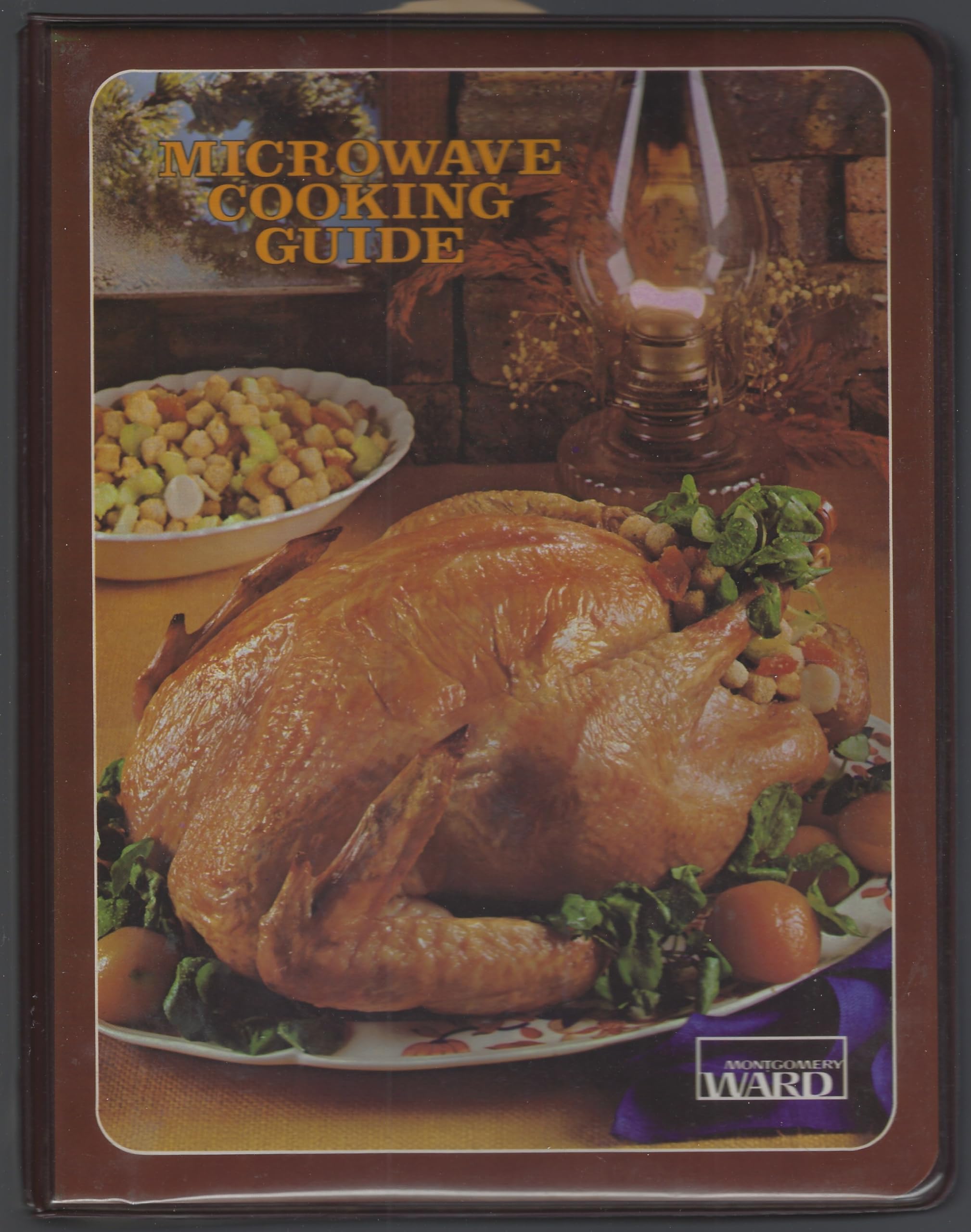
Image: Front cover of the Montgomery Ward Microwave Cooking Guide, featuring a roasted turkey surrounded by side dishes, with the title "Microwave Cooking Guide" prominently displayed.
Understanding Microwave Cooking
Microwave ovens cook food by exposing it to electromagnetic radiation in the microwave spectrum. This causes water molecules within the food to vibrate rapidly, generating heat. Understanding a few key principles will enhance your cooking experience:
- Power Levels: Most microwave recipes specify a power level (e.g., High, Medium, Low). Familiarize yourself with your microwave's power settings to achieve desired results.
- Cooking Times: Microwave cooking times are often shorter than conventional methods. Always start with the minimum recommended time and add more as needed.
- Stirring and Rotating: To ensure even cooking, stir or rotate food periodically, especially in larger dishes.
- Standing Time: Many foods continue to cook after being removed from the microwave. This "standing time" is crucial for proper doneness and even heat distribution.
- Appropriate Cookware: Use only microwave-safe dishes made of glass, ceramic, or plastic. Avoid metal containers or foil, as they can cause arcing.
Using the Recipes
Each recipe in this guide is carefully developed for microwave preparation. Follow these guidelines for best results:
- Read Thoroughly: Before beginning, read the entire recipe to understand all steps and ingredients.
- Ingredient Preparation: Ensure all ingredients are prepared as specified (e.g., chopped, thawed).
- Dish Size: Use the recommended dish sizes to prevent overflow or uneven cooking.
- Adjustments: Cooking times may vary slightly depending on your specific microwave oven's wattage and the starting temperature of ingredients. Adjust as necessary.
Troubleshooting Common Cooking Issues
Even with precise instructions, occasional issues may arise. Here are solutions to common microwave cooking problems:
| Problem | Possible Cause | Solution |
|---|---|---|
| Food cooked unevenly | Insufficient stirring/rotating; dense food; improper dish size. | Stir or rotate food more frequently. Arrange food in a ring. Use a wider, shallower dish. |
| Food is dry or tough | Overcooking; too high power level; insufficient moisture. | Reduce cooking time. Use a lower power setting. Add liquid or cover food to retain moisture. |
| Food not cooked through | Undercooking; too low power level; food too cold. | Increase cooking time. Use a higher power setting. Allow frozen foods to thaw partially before cooking. |
Care and Storage of Your Guide
To ensure the longevity of your Montgomery Ward Microwave Cooking Guide, please follow these care instructions:
- Keep Dry: Protect the guide from spills and moisture, especially in the kitchen environment.
- Clean Gently: If the cover or pages become soiled, wipe gently with a dry or slightly damp cloth. Avoid abrasive cleaners.
- Store Properly: Store the ring-bound guide upright on a shelf or in a drawer to prevent bending or damage to the pages and binding.
Specifications
| Attribute | Detail |
|---|---|
| Title | Montgomery Ward Microwave Cooking Guide |
| Model Number | 8195 |
| Publisher | Montgomery Ward |
| Publication Date | January 1, 1980 (Estimated) |
| Format | Ring-bound |
| Print Length | 90 pages |
| Item Weight | 1 pound |
| Language | English |
Warranty and Support
As this is a vintage cooking guide, there is no manufacturer's warranty or direct product support available from Montgomery Ward. For general microwave cooking inquiries, please refer to the comprehensive content within this guide.