1. Bubuka
The EchoEar Development Board is an intelligent AI development kit designed for voice interaction products. It integrates an ESP32-S3-WROOM-1 module, a 1.85-inch QSPI circular touch screen, and a dual microphone array. This board supports offline voice wake-up and sound source localization algorithms, enabling full-duplex voice interaction, multimodal recognition, and intelligent agent control when combined with large model capabilities from platforms like OpenAI, Xiaozhi AI, and Gemini. It provides a robust foundation for developing edge-side AI applications.
2. Eusi Paket
Pastikeun sadaya barang aya sareng dina kaayaan anu saé nalika unboxing:
- 1 x EchoEar Development Board (Blue)
- 1 x Chip (as included component)
- 1 x A battery (included)
- (Additional accessories may vary by package)
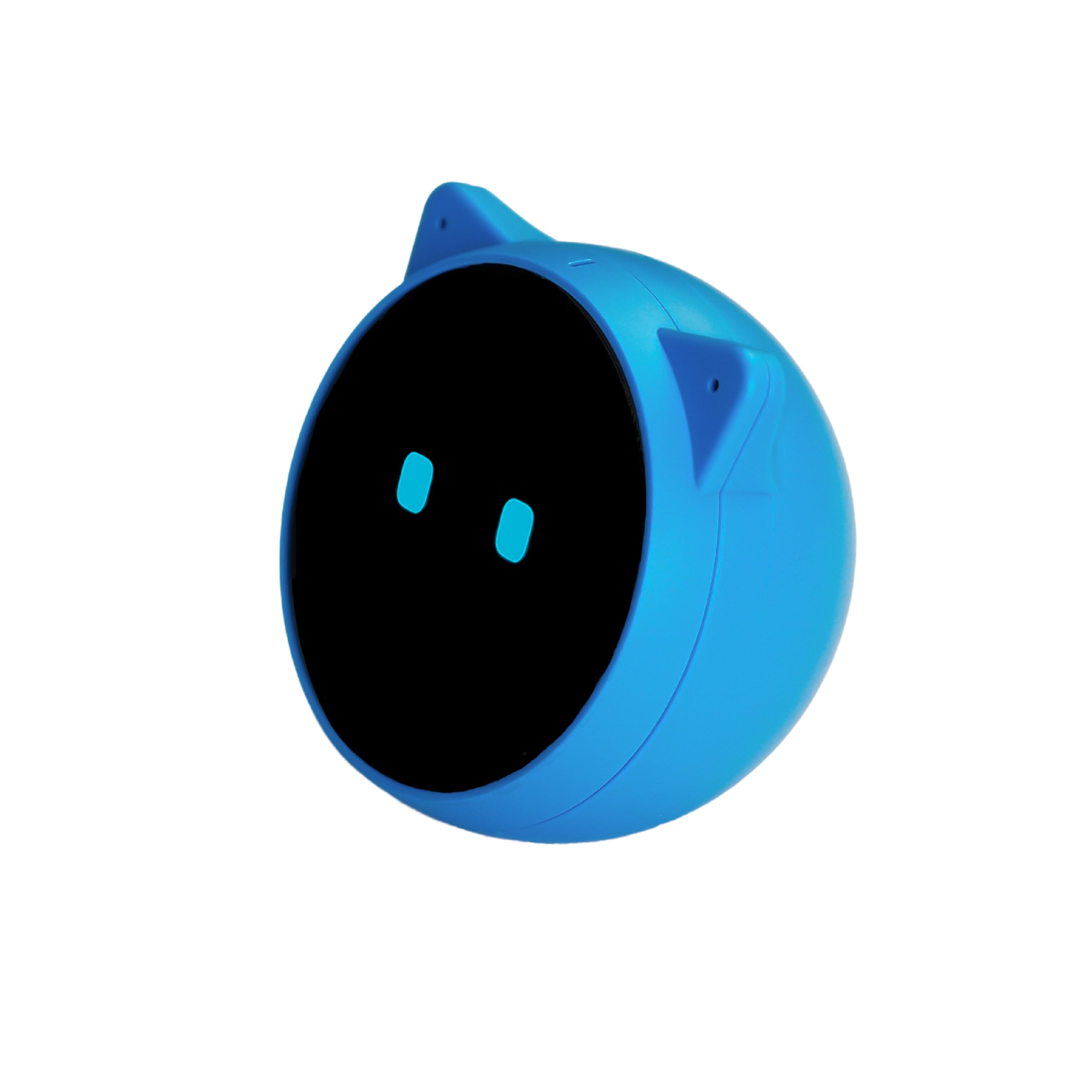
Figure 1: EchoEar Development Board. This image shows the compact blue development board with its various components and connectors.
3. Fitur konci
- ESP32-S3-WROOM-1 Module: Integrated for robust wireless connectivity and processing power.
- 1.85-inch QSPI Circular Touch Screen: Provides an interactive visual interface for applications.
- Array Mikropon Ganda: Enables advanced audio input for voice interaction and sound processing.
- Offline Voice Wake-up: Supports local voice command processing without requiring cloud connectivity.
- Sound Source Localization Algorithms: Allows the device to identify the direction from which a sound originates.
- Large Model Capabilities: Designed for integration with AI models from providers like OpenAI, Xiaozhi AI, and Gemini for advanced intelligent functions.
- Full-Duplex Voice Interaction: Facilitates natural, two-way voice communication.
- Multimodal Recognition: Supports processing and understanding of various input types beyond just voice.
- Intelligent Agent Control: Enables the development of sophisticated AI agents for device control.
4. Leuwih fisikview
The EchoEar Development Board is a compact unit designed for easy integration into various projects. Below is a visual representation and description of its main components.
Gambar 2: Top view of the EchoEar Development Board. Key components visible include the ESP32-S3-WROOM-1 module, the circular touch screen, and the dual microphone array.
4.1. Idéntifikasi komponén
- ESP32-S3-WROOM-1 Module: The central processing unit for Wi-Fi and Bluetooth connectivity.
- QSPI Circular Touch Screen: Located on the board, providing visual output and touch input.
- Array Mikropon Ganda: Positioned for optimal audio capture and sound source localization.
- Palabuhan USB-C: Pikeun kakuatan sareng komunikasi data.
- Pin GPIO: Exposed pins for connecting external sensors, actuators, and other peripherals.
4.2. ESP32 Module Overview
The core of the EchoEar board is the ESP32-S3-WROOM-1 module. This video provides a general overview of an ESP32 module, demonstrating its physical characteristics and common usage scenarios in development.
Video 1: Leuwihview of an ESP32 module. This video demonstrates the physical handling and connection of an ESP32 development board, similar to the core module found in the EchoEar. It highlights the compact size and pin layout.
5. Parentah Setup
- Sambungan Daya: Connect the EchoEar Development Board to a power source using the USB-C port. A standard 5V USB power adapter or a computer's USB port can be used.
- Pamasangan supir: Depending on your operating system, you may need to install USB-to-serial drivers (e.g., CP210x or CH340/CH341) for your computer to recognize the board. Refer to the Espressif documentation for specific driver requirements.
- Setelan Lingkungan Pangwangunan: Install the necessary development tools, such as the ESP-IDF (Espressif IoT Development Framework) or Arduino IDE with ESP32 board support. Follow the official Espressif guides for detailed installation steps.
- First Program Upload:
- Open your chosen IDE (ESP-IDF or Arduino IDE).
- Select the correct board model (ESP32-S3 Dev Module) and COM port.
- Upload a basic "Hello World" or "Blink" example to verify the setup.
- Konfigurasi awal: Once powered and programmed, the board's touch screen may display initial boot information or a default application. Follow any on-screen prompts for basic configuration.
6. Parentah Operasi
6.1. Interaksi Sora
- Wake-up Word: The board supports a configurable offline wake-up word. Refer to the example code or documentation for how to set and use it.
- Paréntah sora: After wake-up, the dual microphone array will listen for voice commands. Implement your desired command recognition logic within your application.
- Sound Source Localization: Utilize the built-in algorithms to determine the direction from which a sound originates, enhancing interactive experiences.
6.2. Touch Screen Usage
- Kaluaran tampilan: The 1.85-inch QSPI circular touch screen can display graphical user interfaces (GUIs), sensor data, or status information.
- Input Toél: Interact with your applications by touching the screen. Develop touch event handlers in your code to respond to user input.
6.3. GPIO Control
The General Purpose Input/Output (GPIO) pins allow for extensive customization and connection to external hardware. Consult the board's pinout diagram for specific pin functions and capabilities.
- Digital I/O: Control LEDs, read button states, or interface with other digital components.
- Input analog: Read data from analog sensors.
- Protokol Komunikasi: Utilize pins for I2C, SPI, UART, and other communication protocols to connect various modules.
7. Spésifikasi Téknis
| Fitur | Rincian |
|---|---|
| merek | Ésprésif |
| Modél | EchoEar Development Board |
| Modul Utama | ESP32-S3-WROOM-1 |
| tampilan | 1.85-inch QSPI Circular Touch Screen |
| Input Audio | Asép Sunandar Sunarya Mikrofon Ganda |
| Fitur sora | Offline Voice Wake-up, Sound Source Localization |
| Kamampuh AI | Full-duplex voice interaction, Multimodal recognition, Intelligent agent control (with external large models) |
| Sistem operasi | Linux (kompatibel) |
| Téhnologi Mémori RAM | LPDDR4X |
| Item Beurat | 8.8 ons |
| Dimensi produk | 2 x 2.4 x 2 inci |
| Warna | Biru |
| Jumlah prosésor | 1 |
| Batré | 1 Batré diperlukeun (kaasup) |
| Alat nu cocog | Voice interaction products (smart speakers, toys, etc.) |
8. Cara ngungkulan
- Papan Henteu Diaku ku PC:
- Ensure USB-C cable is securely connected and functional.
- Verify that the correct USB-to-serial drivers are installed for your operating system.
- Coba port USB atawa komputer béda.
- Program Upload Fails:
- Pariksa naha board sareng port COM anu leres parantos dipilih dina IDE anjeun.
- Ensure the board is in programming mode (if applicable, some ESP32 boards require pressing a BOOT button while resetting).
- Pariksa yén kode anjeun parantos dikompilasi tanpa kasalahan.
- Paréntah Sora Teu Ngaréspon:
- Check microphone connections and ensure they are enabled in your software.
- Verify the wake-up word and command recognition logic in your application.
- Ensure ambient noise levels are not excessively high.
- Touch Screen Not Responding/Displaying:
- Check display connections and power supply.
- Verify display initialization code and ensure it matches the screen model.
- Recalibrate the touch screen if touch input is inaccurate.
9. Pangropéa
- beberesih: Use a soft, dry cloth to clean the board. Avoid using liquids or abrasive materials. For the touch screen, use a screen-safe cleaner if necessary.
- Panyimpenan: Store the board in a dry, anti-static environment when not in use. Keep it away from extreme temperatures and humidity.
- Pembaruan firmware: Regularly check the Espressif official website or your chosen development framework's repository for firmware updates to ensure optimal performance and security.
- Inspeksi komponén: Periodically inspect the board for any loose connections, damaged components, or signs of overheating.
10. Garansi jeung Rojongan
For warranty information, technical support, and additional resources, please refer to the official Espressif websitus atanapi ngahubungan pangecér Anjeun. Simpen bukti pameseran anjeun pikeun klaim garansi.
Sumberdaya Online:


