1. Bubuka
This service manual provides detailed instructions and procedures for the maintenance, repair, and overhaul of Ford TW-5, TW-15, TW-25, and TW-35 series tractors. It is intended for qualified service technicians and individuals with a thorough understanding of tractor mechanics. The information contained herein is crucial for ensuring the proper function, longevity, and safety of your Ford tractor.
The manual is organized into sections covering various systems and components, offering step-by-step guidance, specifications, and diagnostic information. Always refer to the latest version of this manual for the most accurate and up-to-date service procedures.
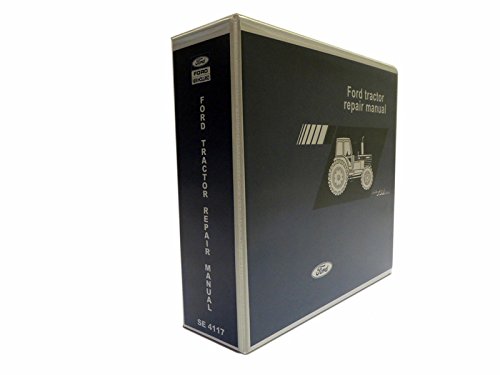
Figure 1: Cover of the Ford TW-5, TW-15, TW-25, TW-35 Tractor Service Manual, showing its ring-bound format and section dividers.
2. Pancegahan Kasalametan
Always prioritize safety when performing any service or repair work on the tractor. Failure to follow safety guidelines can result in serious injury or death. Read and understand all safety warnings and instructions before beginning any procedure.
- Ensure the tractor is parked on a level surface, the engine is off, and the parking brake is engaged.
- Disconnect the battery ground cable before working on electrical systems.
- Use appropriate personal protective equipment (PPE), including safety glasses, gloves, and sturdy footwear.
- Relieve hydraulic pressure before disconnecting hydraulic lines or components.
- Support the tractor securely with jack stands if lifting is required. Never rely solely on a jack.
- Be aware of hot surfaces and fluids. Allow components to cool before handling.
3. Émbaran umum
This section provides general information pertinent to the Ford TW-5, TW-15, TW-25, and TW-35 tractor models. It includes details on model identification, serial number locations, and general specifications that apply across the series. Always verify specific model details before proceeding with service.
The manual covers a wide range of topics, from basic adjustments to complete overhauls, ensuring that technicians have access to the necessary information for comprehensive service.
4. Engine Service
Detailed procedures for engine disassembly, inspection, repair, and reassembly are covered here. This includes cylinder head service, piston and connecting rod inspection, crankshaft and camshaft service, and timing adjustments. Proper torque specifications are critical for engine longevity.
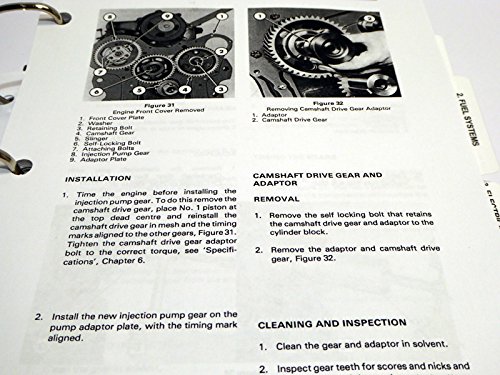
Figure 2: Illustrations detailing the removal of the engine front cover and the installation/removal of the camshaft drive gear adaptor. These steps are crucial for accessing and servicing internal engine components.
Camshaft Drive Gear and Adaptor Removal
- Remove the self-locking bolt that retains the camshaft drive gear in mesh and the timing marks aligned to the cylinder block.
- Remove the adaptor and camshaft drive gear, referring to Figure 2.
beberesih sarta Inspection
- Clean the gear and adaptor thoroughly in solvent.
- Inspect gear teeth for scores, nicks, and excessive wear. Replace if damage is evident.
5. Fuel System Service
This section covers the fuel injection pump, fuel lines, filters, and related components. Proper calibration and adjustment of the fuel system are essential for optimal engine performance and fuel efficiency. Procedures for phasing the injection pump and checking spill cut-off are detailed.
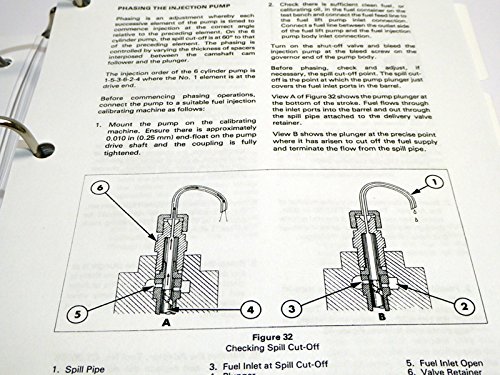
Figure 3: Detailed diagrams showing the process of phasing the injection pump and checking the spill cut-off point. These adjustments are critical for correct fuel delivery and engine timing.
Phasing the Injection Pump
Phasing ensures that successive elements of the pump are timed to advance injection at the correct angle relative to the preceding element. The injection order of the 6-cylinder pump is 1-5-3-6-2-4. Connect the pump to a suitable fuel injection calibrating machine and follow the specific steps for adjustment.
6. Electrical System Service
This section provides comprehensive information on the tractor's electrical system, including wiring diagrams, component locations, and troubleshooting procedures for common electrical faults. It covers the starter, alternator, lighting, and various sensors.
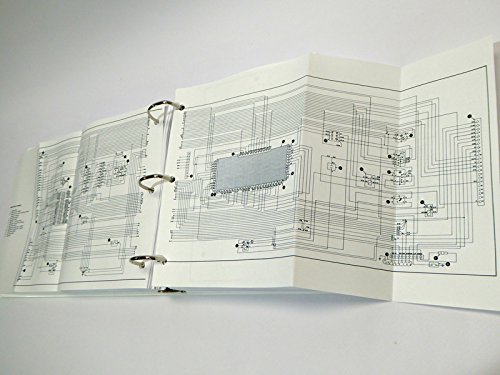
Figure 4: Wiring harness locations for Ford TW-25 and TW-35 tractors, distinguishing between models with and without deluxe cabs. This diagram helps in identifying and tracing electrical circuits.
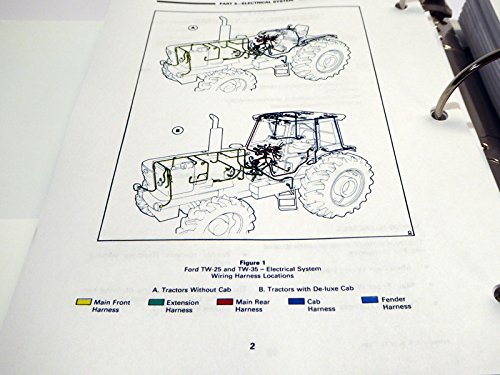
Figure 5: A detailed, large foldout diagram illustrating a complex electrical circuit within the tractor. This type of diagram is essential for diagnosing intricate electrical issues.
7. Hydraulic System Service
This section details the hydraulic system components, including pumps, valves, cylinders, and fluid reservoirs. It provides instructions for diagnosing hydraulic issues, bleeding the system, and replacing components. Understanding hydraulic flow is key to effective service.
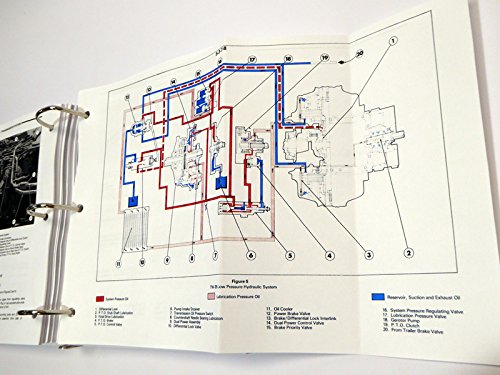
Figure 6: Diagram illustrating the hydraulic system flow during a raising operation. Different colors indicate supply pressure oil, lubrication pressure oil, and reservoir/suction/exhaust oil, aiding in system diagnosis.
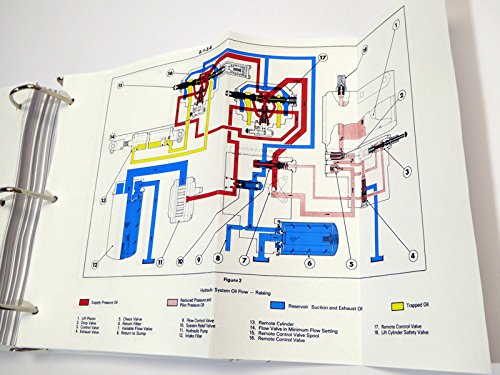
Gambar 7: Alternatif view or more detailed diagram of the hydraulic system flow during a raising operation, providing further insight into the complex fluid paths and component interactions.
8. Clutch Service
This section covers the inspection, adjustment, and replacement of the tractor's clutch systems, including the Independent Power Take-Off (I.P.T.O.) clutch. Proper clutch operation is vital for power transmission and smooth engagement.
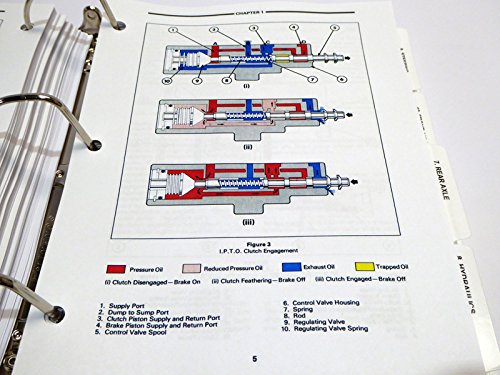
Figure 8: Diagrams illustrating the three states of I.P.T.O. clutch engagement: (i) Clutch Disengaged - Brake On, (ii) Clutch Feathering - Brake Off, and (iii) Clutch Engaged - Brake Off. This visual aid helps understand the clutch's operational cycle.
9. Rear Axle and Brakes
Service procedures for the rear axle assembly, differential, final drives, and braking system are outlined in this section. This includes fluid specifications, bearing adjustments, and component replacement guidelines.
10. Prosedur pangropéa
Regular maintenance is crucial for the reliable operation and longevity of your Ford tractor. This section provides a detailed schedule and instructions for routine maintenance tasks, including:
- Fluid level checks and changes (engine oil, transmission fluid, hydraulic fluid, coolant).
- Filter replacement (oil, fuel, air, hydraulic).
- Lubrication points and intervals.
- Belt tension and inspection.
- Tire pressure and condition checks.
Adhering to the recommended maintenance schedule will help prevent costly repairs and ensure peak performance.
11. Guide ngungkulan
This section offers a systematic approach to diagnosing common operational issues. It provides tables and flowcharts to help identify the root cause of problems related to the engine, transmission, hydraulics, and electrical systems. Always perform basic checks before attempting complex repairs.
Masalah umum sareng Solusi:
| Gejala | Mungkin Cukang lantaranana | Tindakan Koréksi |
|---|---|---|
| Mesin Gagal Mimitian | Low battery, faulty starter, no fuel, clogged fuel filter | Check battery charge, inspect starter connections, verify fuel supply, replace fuel filter |
| Leungitna Daya Hidrolik | Low hydraulic fluid, clogged hydraulic filter, faulty pump | Check fluid level, replace filter, inspect pump for damage |
| Haseup Mesin Anu Kaleuleuwihi | Incorrect fuel timing, worn injectors, restricted air intake | Adjust fuel timing, test injectors, clean/replace air filter |
12. Spésifikasi Téknis
This section provides detailed technical data, including engine specifications, fluid capacities, torque values for critical fasteners, and dimensions for the Ford TW-5, TW-15, TW-25, and TW-35 tractors. Always refer to these specifications when performing adjustments or replacing components.
- Jenis mesin: Diesel, 6-cylinder
- Kapasitas oli mesin: Refer to specific model chart
- Hydraulic System Capacity: Refer to specific model chart
- Kapasitas coolant: Refer to specific model chart
- Kapasitas Tangki Bahan Bakar: Refer to specific model chart
- Tekanan Ban: Consult tire manufacturer specifications and operating conditions
13. Émbaran Rojongan
For further assistance, genuine Ford parts, or professional service, please contact an authorized Ford dealer or a reputable agricultural machinery service center. When contacting support, always have your tractor's model and serial number available.
This manual is published by TechMedia and is an essential resource for maintaining your Ford tractor.


