
1. Introduction
This manual provides essential information for the safe and efficient installation, operation, and maintenance of your KUNKAJNGM CXSM10 Series Dual Rod Pneumatic Air Cylinder. Please read this manual thoroughly before using the product to ensure proper function and to prevent damage or injury.
The CXSM10 series dual rod pneumatic air cylinder is designed for precision motion control applications, offering stable and accurate linear movement. It features a compact design with double-axis guiding for enhanced rigidity and non-rotation accuracy.
2. Safety Instructions
Always observe the following safety precautions to prevent accidents and ensure safe operation:
- Read and Understand: Ensure all personnel involved in installation, operation, or maintenance have read and understood this manual.
- Proper Pressure: Do not exceed the maximum operating pressure specified in the product specifications.
- Air Supply: Use clean, dry, and filtered compressed air. Contaminants can damage internal components.
- Secure Mounting: Mount the cylinder securely to a stable surface to prevent movement or detachment during operation.
- Moving Parts: Keep hands and other body parts clear of moving rods and attached mechanisms during operation.
- Maintenance: Disconnect the air supply and relieve all residual pressure before performing any maintenance or adjustments.
- Environmental Conditions: Operate the cylinder within the specified ambient temperature range. Avoid corrosive environments.
- Lubrication: This cylinder is designed for non-lube operation. Do not introduce external lubricants unless specifically instructed.
3. Product Overview
The KUNKAJNGM CXSM10 dual rod pneumatic air cylinder is a compact actuator featuring two parallel piston rods for increased stability and precision. It is commonly used in applications requiring accurate positioning and resistance to rotation.
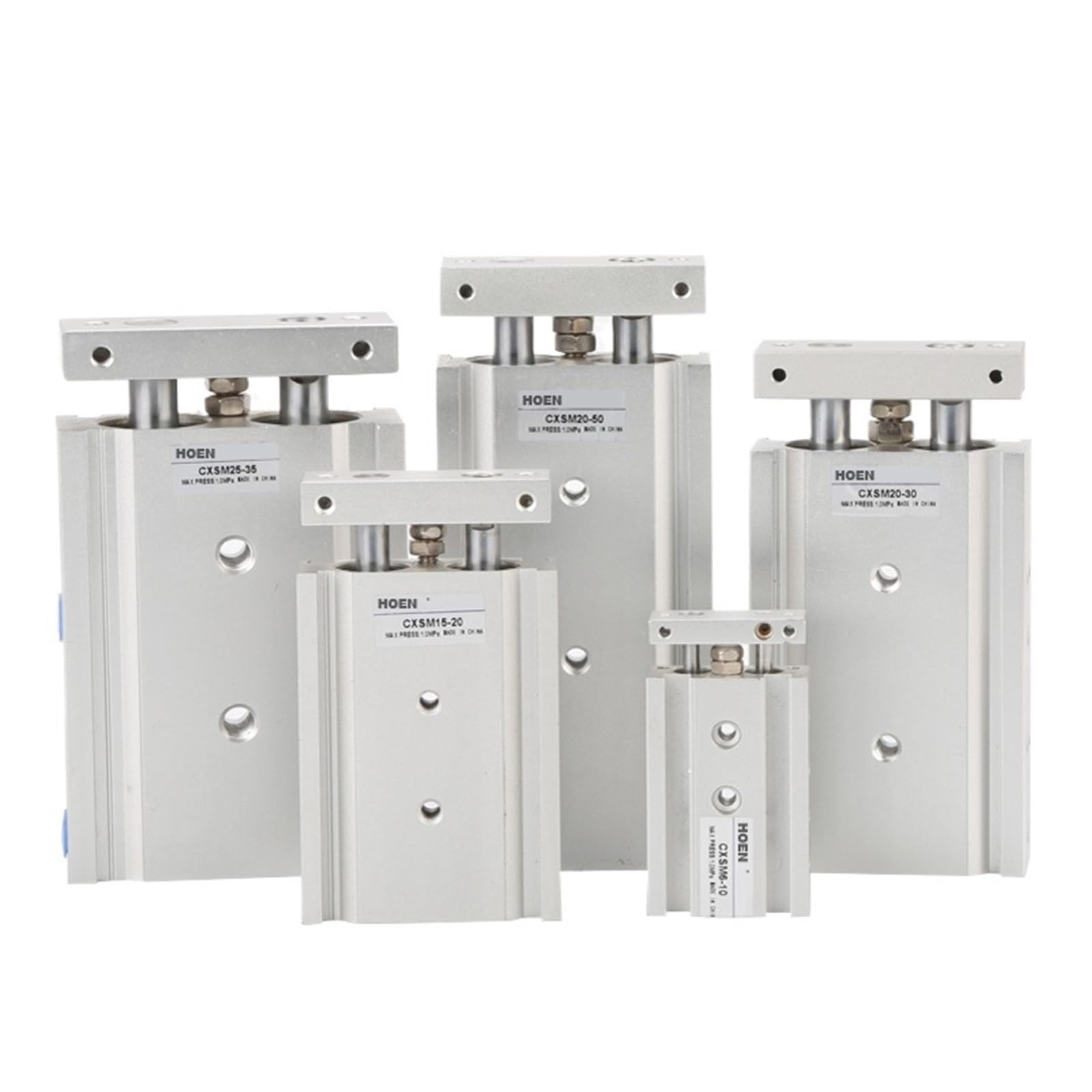
Figure 3.1: Overall view of the KUNKAJNGM CXSM10 Dual Rod Pneumatic Air Cylinder. This image shows the compact design with the main body and the dual piston rods.

Figure 3.2: Side view of the CXSM10 cylinder, illustrating the dual piston rods in an extended position. Note the mounting points on the side.

Figure 3.3: Top view of a KUNKAJNGM CXSM series cylinder, highlighting the air ports and various mounting holes for installation. The label indicates general specifications for the series.
4. Setup and Installation
Follow these steps for proper installation of the pneumatic cylinder:
- Unpacking: Carefully remove the cylinder from its packaging. Inspect for any visible damage.
- Mounting: Securely mount the cylinder to a rigid and flat surface using appropriate fasteners through the designated mounting holes. Ensure the cylinder is aligned correctly with the intended direction of motion.
- Air Line Connection: Connect the air supply lines to the cylinder's ports. Ensure connections are tight to prevent leaks. Use appropriate fittings and tubing.
- Load Attachment: Attach the load or workpiece to the end of the piston rods. Ensure the load is properly aligned and does not introduce excessive side loads or bending moments on the rods.
- Pressure Regulation: Connect a pressure regulator to the air supply to ensure the operating pressure remains within the specified range (0.1MPa~0.7MPa).
- Initial Test: Before full operation, conduct a low-pressure test to check for leaks and smooth movement of the piston rods.
5. Operating Instructions
The CXSM10 cylinder operates by introducing compressed air into its chambers, causing the piston rods to extend or retract. Control is typically achieved via a directional control valve.
- Air Supply Activation: Turn on the compressed air supply and set the pressure to the desired operating level within the specified range.
- Directional Control: Use a suitable directional control valve (e.g., 5/2-way valve) to direct air to the appropriate port for extension or retraction of the piston rods.
- Speed Adjustment: If speed control is required, install flow control valves on the exhaust ports of the cylinder or the directional control valve. Adjust these valves gradually to achieve the desired piston speed (50 to 500 mm/s).
- Cushion Adjustment (if applicable): The CXSM10 features air cushioning. This helps to absorb kinetic energy at the end of the stroke, reducing impact and noise. No external adjustment is typically required for standard air cushions.
- Monitoring: Regularly monitor the cylinder's operation for smooth movement, consistent speed, and absence of leaks.
6. Maintenance
Regular maintenance ensures the longevity and reliable performance of your pneumatic cylinder.
- Air Quality: Periodically check and maintain the air filter to ensure a supply of clean, dry air. Replace filter elements as needed.
- Leak Checks: Regularly inspect air connections and cylinder seals for leaks. Leaks can reduce efficiency and cause premature wear.
- Mounting Security: Verify that all mounting bolts and fasteners are tight. Re-tighten if necessary.
- Rod Condition: Keep piston rods clean and free from dust, debris, or damage. Do not apply external lubricants as this cylinder is designed for non-lube operation.
- Environmental Check: Ensure the operating environment remains within specified temperature and humidity limits.
- Disassembly: Do not attempt to disassemble the cylinder unless you are a qualified technician. Improper reassembly can lead to malfunction or damage.
7. Troubleshooting
Refer to the following table for common issues and their potential solutions:
| Problem | Possible Cause | Solution |
|---|---|---|
| Cylinder does not move or moves slowly | Low air pressure Blocked air line/filter Leaking connections Excessive load Faulty control valve | Check air supply pressure Inspect and clean air lines/filter Tighten connections, replace seals if necessary Reduce load or use a larger cylinder Inspect/replace control valve |
| Erratic or jerky movement | Inconsistent air pressure Contaminated air Misaligned load Damaged internal seals | Stabilize air pressure Check air filter, drain moisture trap Realign load, ensure proper mounting Contact service for repair/replacement |
| Air leakage | Loose fittings Damaged tubing Worn piston rod seals or end cap seals | Tighten all fittings Replace damaged tubing Contact service for seal replacement |
| Excessive noise or impact at end of stroke | Insufficient cushioning High piston speed | Ensure air cushion is functioning correctly Reduce piston speed using flow control valves |
8. Specifications
| Feature | Specification |
|---|---|
| Model | CXSM10 |
| Type | Dual Rod Pneumatic Air Cylinder |
| Fluid | Air |
| Operating Pressure | 0.1 MPa ~ 0.7 MPa |
| Proof Pressure | 1.05 MPa |
| Ambient and Fluid Temperature | -10°C ~ 60°C |
| Piston Speed | 50 to 500 mm/s |
| Lubrication | Non-lube |
| Cushion | Air cushion |
| Bore Sizes (Series) | 6mm, 10mm, 15mm, 20mm, 25mm, 32mm |
| Stroke (for CXSM10) | 40mm (Other strokes available in series: 10mm, 15mm, 20mm, 25mm, 30mm, 45mm, 50mm, 60mm, 70mm, 75mm, 80mm, 90mm, 100mm) |
| Product Dimensions | Approximately 0.39 x 0.39 x 0.39 inches (Note: This is a generic dimension, actual size varies by stroke/bore) |
| Item Weight | Approximately 1.76 ounces (Note: This is a generic weight, actual weight varies by stroke/bore) |
| Manufacturer | KUNKAJNGM |
9. Warranty and Support
For warranty information or technical support, please refer to the retailer or manufacturer's official website. Keep your purchase receipt for warranty claims.