
325971993729
Generic Tine Bar Bearing Instruction Manual
For Vermeer Side Delivery Hay Rake Models R-21 & R-23 (Part Number 1738001)
Introduction
This manual provides essential information for the installation, maintenance, and specifications of the Generic Tine Bar Bearing, designed as a replacement part for Vermeer Side Delivery Hay Rake models R-21 and R-23. This bearing is identified by interchange part numbers TB7623 and 1738001. Proper installation and maintenance are crucial for the optimal performance and longevity of your hay rake.
Product Overview
The Tine Bar Bearing is a critical component in the tine bar assembly of Vermeer hay rakes, facilitating smooth rotation and operation of the tines. This replacement part ensures the continued efficient functioning of your agricultural equipment.
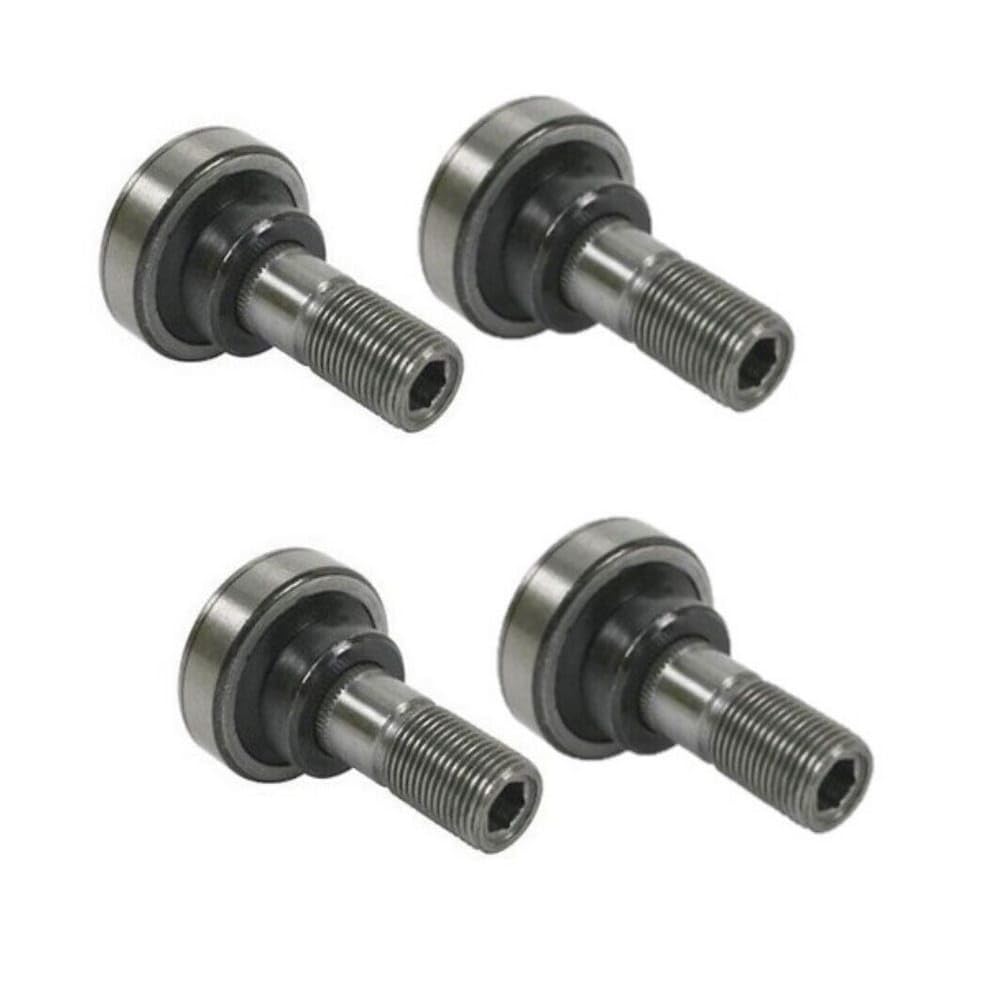
Figure 1: Generic Tine Bar Bearing. This image displays the cylindrical metal bearing, highlighting its robust construction suitable for agricultural machinery.
Installation Instructions
Safety First: Before beginning any installation, ensure the hay rake is turned off, disengaged from any power source, and properly secured to prevent accidental movement. Wear appropriate personal protective equipment (PPE), including gloves and eye protection.
- Identify the Bearing Location: Locate the worn or damaged tine bar bearing on your Vermeer R-21 or R-23 hay rake. Refer to your hay rake's original service manual for specific assembly diagrams if needed.
- Remove Old Bearing: Carefully remove any retaining clips, bolts, or other fasteners securing the old bearing. Use appropriate tools (e.g., pullers, presses) to extract the old bearing without damaging surrounding components.
- Clean the Housing: Thoroughly clean the bearing housing and shaft area. Remove any dirt, debris, rust, or old lubricant. A clean surface ensures proper seating and extends the life of the new bearing.
- Inspect Components: Inspect the shaft, housing, and any associated components for wear, damage, or deformation. Replace any other worn parts as necessary.
- Install New Bearing: Gently press or tap the new Generic Tine Bar Bearing into its housing. Ensure it is seated squarely and fully. Do not use excessive force or strike the bearing races directly, as this can cause damage. A bearing press or a soft-faced hammer with a suitable sleeve is recommended.
- Secure the Bearing: Reinstall any retaining clips, bolts, or fasteners that were removed. Ensure all components are tightened to the manufacturer's specifications (refer to your hay rake's service manual).
- Lubricate (if applicable): If the bearing is designed for lubrication, apply the recommended grease or lubricant as specified by the hay rake manufacturer.
- Test Operation: Manually rotate the tine bar assembly to ensure smooth movement and proper function before operating the hay rake under power.
Function and Operation
The Tine Bar Bearing facilitates the rotational movement of the tine bars within the hay rake mechanism. Its proper function is essential for the tines to effectively gather and move hay. Once installed correctly, the bearing operates continuously as part of the hay rake's normal function, requiring no direct user interaction during operation beyond routine maintenance.
Maintenance
Regular maintenance extends the lifespan of the Tine Bar Bearing and ensures reliable operation of your hay rake.
- Regular Inspection: Periodically inspect the bearings for signs of wear, such as excessive play, unusual noise, or visible damage. Check for any signs of lubricant leakage or contamination.
- Lubrication: If your hay rake's design includes grease fittings for the tine bar bearings, follow the manufacturer's recommended lubrication schedule and use the specified type of grease. Over-lubrication can be as detrimental as under-lubrication.
- Cleaning: Keep the area around the bearings clean and free from dirt, dust, crop debris, and moisture, which can accelerate wear and corrosion.
- Replacement: Replace bearings at the first sign of significant wear or damage to prevent further damage to the hay rake's components.
Troubleshooting
If you experience issues with your hay rake that you suspect are related to the tine bar bearings, consider the following:
- Unusual Noise (Grinding, Squealing): This often indicates a worn, damaged, or improperly lubricated bearing. Inspect the bearing for play and ensure it is adequately greased (if applicable).
- Excessive Play or Wobble in Tine Bar: A loose or worn bearing can cause the tine bar to wobble. This requires immediate inspection and likely replacement of the bearing.
- Overheating: Bearings can overheat due to insufficient lubrication, improper installation (e.g., too tight), or excessive load. Check lubrication and ensure the bearing rotates freely.
- Seizure: A seized bearing means it has completely failed and will prevent the tine bar from rotating. This necessitates immediate replacement.
For persistent issues, consult a qualified agricultural machinery technician or refer to your Vermeer hay rake's comprehensive service manual.
Specifications
| Feature | Detail |
|---|---|
| Part Type | Tine Bar Bearing |
| Brand | Generic |
| Compatible Hay Rake Models | Vermeer R-21, R-23 (Serial Number 101-5510 & Serial Number 5631->) |
| Interchange Part Number(s) | TB7623, 1738001 |
| Manufacturer Part Number | 325971993729 |
| ASIN | B0GLXTRTS5 |
| Unit Count | 1 Count |
| Bearing Type | 1 |
| Approximate Dimensions (Reference) |
Note: Specific dimensions (A-G) are for reference and may correspond to outer diameter, inner diameter, width, etc. Consult detailed diagrams for precise measurements. |
Ask a question about this manual
Ask about setup, troubleshooting, compatibility, parts, safety, or missing instructions. Manuals+ will review the question and use this page’s manual context to help answer it.