
1. Product Overview
This manual provides essential information for the safe and efficient operation of your LDGSUPH Variable Frequency Compressor. These compressors are designed for use in refrigerators, freezers, and cold storage units, offering high efficiency and reliable performance.
Key Features:
- Energy Efficiency: Precisely controlled energy consumption with high-efficiency, energy-saving motors. Operating power adapts to refrigeration capacity requirements, balancing cooling performance with low daily power consumption.
- Rapid Cooling: Offers excellent cooling speed, quickly lowering internal temperatures and maintaining a stable low-temperature environment to preserve food moisture and nutrients. Suitable for both commercial and household freezers.
- High Load Capacity: Designed for large cold storage spaces with significant volume and low-temperature demands, delivering stable power continuously for long-term preservation of large quantities of items.
- Wide Adjustment Range: Flexibly regulates cooling power based on stored items and external temperature fluctuations, accommodating extreme low-temperature needs and constant-temperature storage scenarios.
- Environmental Compatibility: Compatible with eco-friendly refrigerants (e.g., R600a) and complies with industry environmental standards, providing high-efficiency cooling with minimal environmental impact.
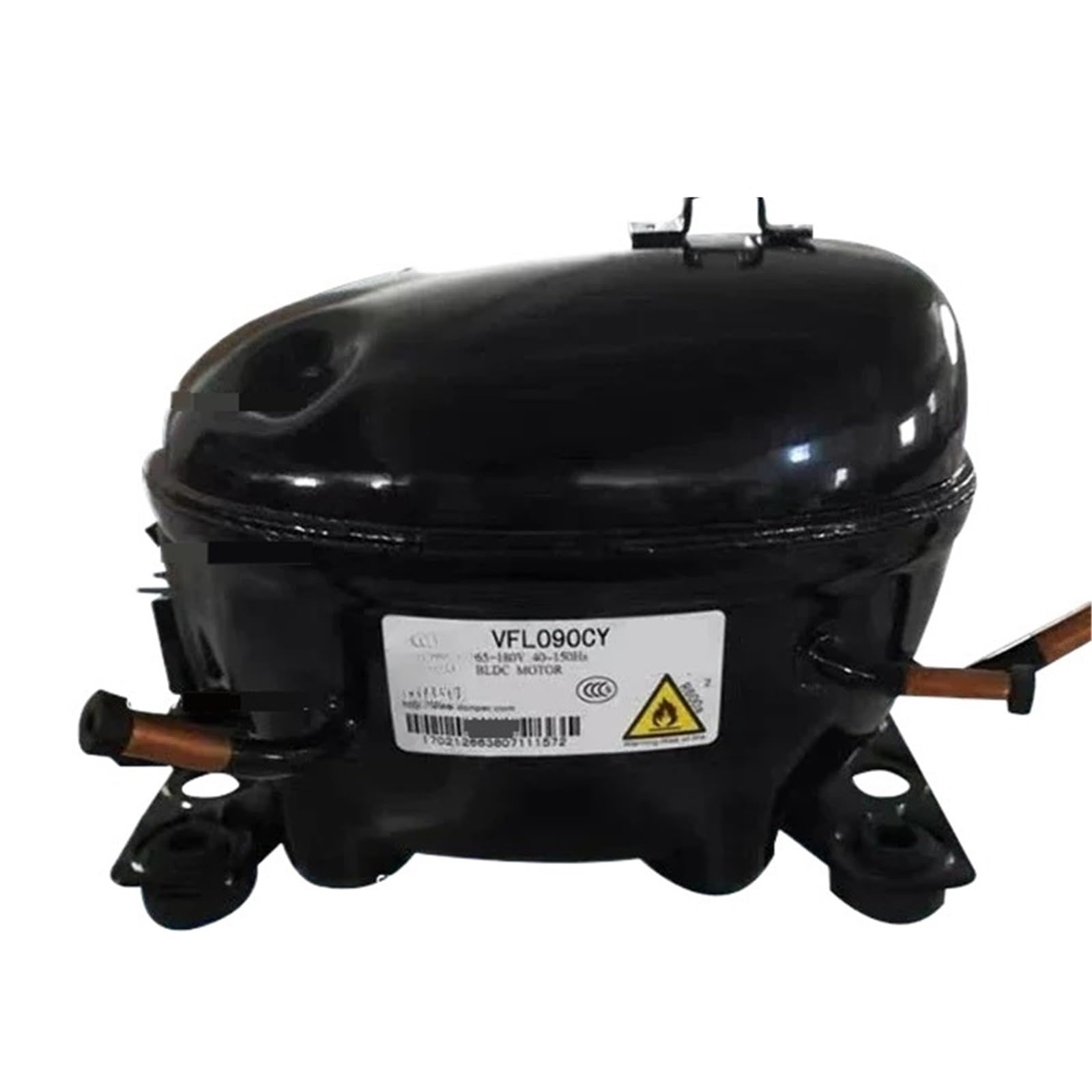
Figure 1: Front view of the LDGSUPH Variable Frequency Compressor. This image shows the main body of the compressor, which is black, with copper tubing connections visible on the sides. A product label is affixed to the front, indicating model information.
2. Safety Information
Read all safety instructions carefully before installation, operation, or maintenance. Failure to follow these instructions may result in property damage, personal injury, or death.
- Qualified Personnel: Installation and servicing must be performed by qualified and authorized personnel only.
- Power Disconnection: Always disconnect power to the appliance before performing any installation, maintenance, or repair work.
- Refrigerant Handling: This compressor uses R600a refrigerant. R600a is flammable. Handle with extreme care in a well-ventilated area, away from ignition sources. Do not puncture refrigerant lines.
- Electrical Safety: Ensure all electrical connections comply with local codes and standards. Use appropriate wiring and grounding.
- Personal Protective Equipment (PPE): Wear appropriate PPE, including safety glasses and gloves, during installation and servicing.
- Ventilation: Ensure adequate ventilation in the installation area to prevent accumulation of refrigerant gas.
3. Setup and Installation
Proper installation is crucial for the compressor's performance and longevity. Consult the specific appliance service manual for detailed installation procedures.
- Preparation: Ensure the appliance is disconnected from power. Remove the old compressor following manufacturer guidelines.
- Mounting: Securely mount the new LDGSUPH compressor in the designated location using appropriate mounting hardware. Ensure it is stable and level.
- Refrigerant Line Connections: Carefully connect the suction, discharge, and process lines to the compressor. Use proper brazing techniques for hermetic sealing, ensuring no leaks.
- Evacuation: Evacuate the refrigeration system to a deep vacuum to remove all non-condensable gases and moisture.
- Refrigerant Charging: Charge the system with the correct type and amount of R600a refrigerant as specified by the appliance manufacturer. Use a precise charging scale.
- Electrical Connections: Connect the electrical wiring to the compressor terminals according to the wiring diagram provided with your appliance. Ensure proper grounding.
- Leak Detection: After charging, perform a thorough leak check on all connections using an appropriate leak detector.

Figure 2: Side view of the LDGSUPH Variable Frequency Compressor, highlighting the copper tubing connections for refrigerant lines. Proper connection and sealing of these lines are critical for system integrity.
4. Operating Instructions
Once installed, the compressor operates automatically as part of the refrigeration system. No direct user interaction with the compressor itself is typically required.
- Initial Startup: After installation and system checks, restore power to the appliance. The compressor will begin operation according to the appliance's control system.
- Variable Frequency Operation: The variable frequency technology allows the compressor to adjust its speed to match the cooling demand, leading to stable temperatures and energy savings.
- Monitoring: Observe the appliance for proper cooling performance. Unusual noises or lack of cooling may indicate an issue.
5. Maintenance
The LDGSUPH Variable Frequency Compressor is designed for minimal maintenance. However, regular checks of the overall refrigeration system are recommended.
- System Cleanliness: Ensure the condenser coils of the refrigeration unit are kept clean and free of dust and debris to maintain optimal heat exchange.
- Leak Checks: Periodically check for refrigerant leaks, especially around connections, using an appropriate leak detector.
- Electrical Connections: Inspect electrical connections for tightness and signs of corrosion.
- Professional Inspection: For commercial or critical applications, consider annual professional inspection of the refrigeration system.
6. Troubleshooting
This section provides general troubleshooting guidance. For specific appliance issues, refer to the appliance's service manual or contact a qualified technician.
| Problem | Possible Cause | Solution |
|---|---|---|
| Compressor not starting | No power, faulty thermostat, control board issue, or electrical connection problem. | Check power supply. Verify thermostat settings. Inspect electrical wiring. Consult a technician. |
| Insufficient cooling | Low refrigerant charge, dirty condenser coils, faulty fan, or compressor issue. | Check for leaks and proper refrigerant charge. Clean condenser coils. Inspect fan operation. |
| Compressor running continuously | High ambient temperature, door seal issues, low refrigerant, or thermostat malfunction. | Ensure proper ventilation. Check door seals. Verify refrigerant charge. Inspect thermostat. |
| Unusual noise from compressor | Loose mounting, internal mechanical issue, or refrigerant flow noise. | Check compressor mounting. If noise persists, contact a qualified technician. |
Warning: Do not attempt to repair the compressor or refrigeration system if you are not a qualified technician. High voltage and pressurized refrigerant can cause severe injury or death.
7. Specifications
| Attribute | Detail |
|---|---|
| Brand | LDGSUPH |
| Model Numbers | VFA110CY1, VFA090CY1H, VFL090CY1, VFL110CY1 |
| Refrigerant Type | R600a |
| Compressor Type | Variable Frequency |
| Material | 18/10 Steel (for certain components, general material) |
| Volatile Substances | ≤ 105℃ |
| Manufacturer | B_Tianwei |
8. Warranty and Support
Specific warranty terms and conditions for your LDGSUPH Variable Frequency Compressor are typically provided by the retailer or the appliance manufacturer. Please retain your proof of purchase.
- Technical Support: For technical assistance or service inquiries, please contact the vendor or the appliance manufacturer directly.
- Genuine Parts: Always use genuine replacement parts to ensure compatibility and maintain product performance and safety.