1. Introduction
Thank you for choosing the DoCred Crop Cage Plant Protection Tent. This product is designed to provide a protective environment for your garden plants, shielding them from birds, small animals, and harsh weather conditions while allowing essential sunlight and water to pass through. This manual provides detailed instructions for assembly, operation, maintenance, and troubleshooting to ensure optimal performance and longevity of your crop cage.

Image 1.1: DoCred Crop Cage in use, protecting various plants.
2. Safety Information
- Ensure all connections are secure during assembly to prevent collapse.
- Place the crop cage on a level surface to maintain stability.
- In areas prone to strong winds, consider additional anchoring methods (e.g., stakes, weights) to prevent the cage from being displaced.
- Keep children and pets away from the assembly area to avoid injury.
- Do not hang heavy objects from the frame.
3. Package Contents
Before assembly, verify that all components are present and undamaged. If any parts are missing or damaged, please contact customer support.
- Steel Tubes (various lengths for frame construction)
- Reinforced Plastic Connectors (for joining tubes)
- High-Density Polyester Mesh Cover (with integrated zippered door)
- Ground Stakes (optional, for added stability)

Image 3.1: Product specifications and component breakdown.
4. Setup and Assembly
Assembly is designed to be straightforward. Follow these steps carefully:
- Unpack Components: Lay out all steel tubes and plastic connectors on a clean, flat surface. Refer to Image 3.1 for component identification.
- Assemble Base Frame: Connect the longest steel tubes using the appropriate 3-way or 4-way plastic connectors to form the rectangular base of the crop cage. Ensure tubes are fully inserted into the connectors for a secure fit.
- Install Vertical Supports: Insert the vertical steel tubes into the connectors at each corner and along the sides of the base frame.
- Assemble Top Frame: Connect the remaining horizontal steel tubes to the top of the vertical supports using the appropriate connectors, mirroring the base frame structure.
- Drape Mesh Cover: Carefully drape the high-density polyester mesh cover over the assembled steel frame. Ensure the zippered door aligns with the desired access point.
- Secure Mesh: Fasten the mesh cover to the frame using any integrated ties or straps. Ensure the mesh is taut and fully covers the frame to prevent gaps.
- Optional Anchoring: If using ground stakes, secure them through the designated loops at the base of the cage into the ground for enhanced stability.

Image 4.1: Close-up of steel tube and connector assembly.

Image 4.2: Key components for wind protection and access.
5. Operating Instructions
The DoCred Crop Cage is designed for ease of use and effective plant protection.
- Accessing Plants: Utilize the large zippered access door for convenient entry. The door can be rolled up and secured to remain open while you perform gardening tasks such as watering, pruning, or harvesting.
- Pest Protection: The high-density mesh effectively prevents birds, squirrels, chickens, and many insects from reaching your plants, safeguarding your crops.
- Air Circulation and Sunlight: The breathable mesh design ensures adequate air circulation and allows sunlight and rainwater to penetrate, promoting healthy plant growth without obstruction.
- Placement: Position the crop cage over raised beds, potted plants, or directly in garden plots. Ensure sufficient space around the cage for maintenance.

Image 5.1: Using the roll-up zippered door for plant care.
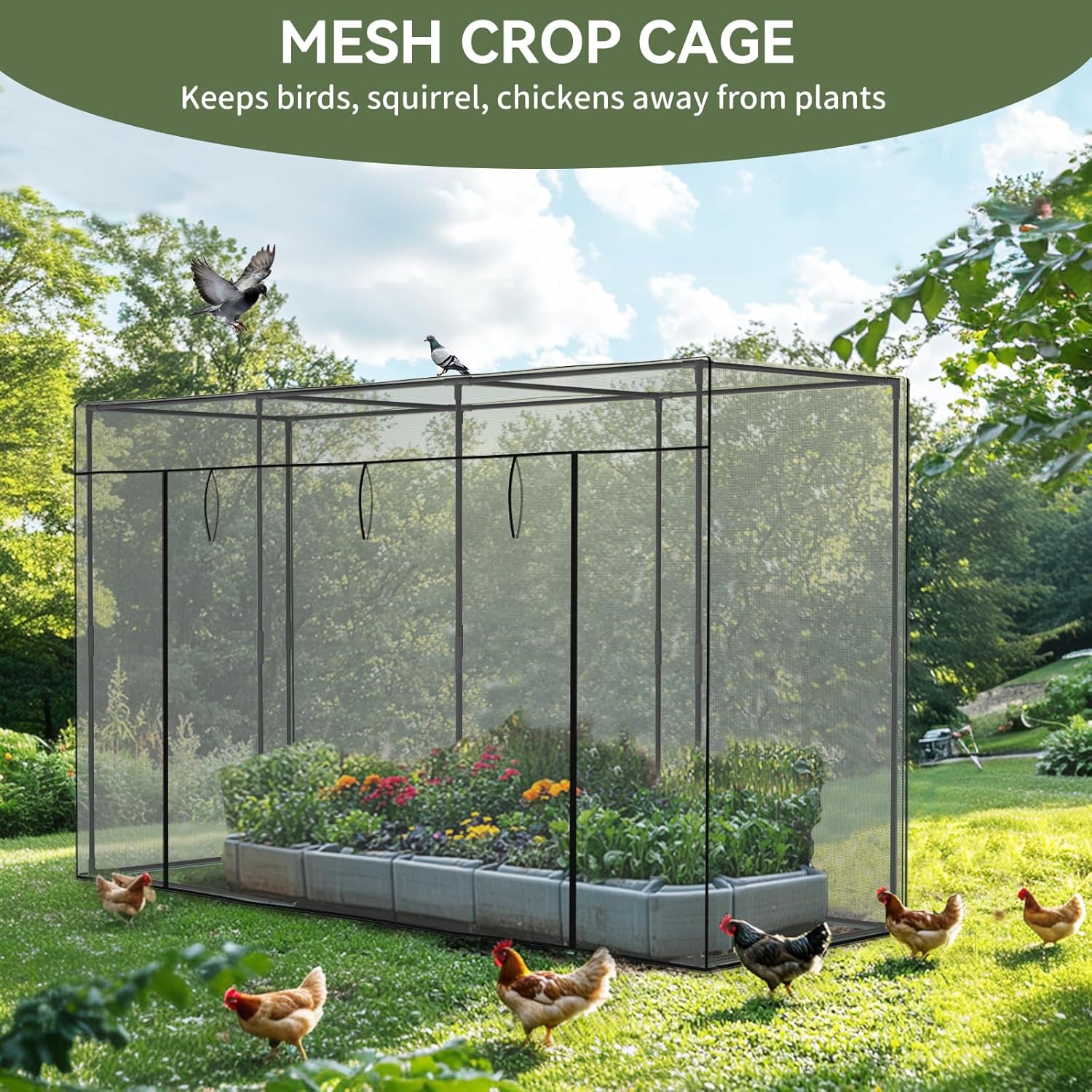
Image 5.2: Crop cage protecting plants from birds and small animals.
6. Maintenance
Regular maintenance will extend the life of your crop cage.
- Cleaning: Periodically clean the mesh cover with a soft brush and mild soapy water to remove dirt, dust, or debris. Rinse thoroughly and allow to air dry.
- Frame Inspection: Regularly check all steel tube connections and plastic connectors for tightness and damage. Replace any damaged parts promptly.
- Mesh Inspection: Inspect the mesh for any tears or holes. Small tears can be repaired with mesh repair tape to maintain effectiveness.
- Seasonal Storage: At the end of the growing season or when not in use, disassemble the crop cage. Clean all components, allow them to dry completely, and store them in a cool, dry place away from direct sunlight to prevent material degradation.

Image 6.1: Detail of the durable, high-density breathable mesh.
7. Troubleshooting
| Problem | Possible Cause | Solution |
|---|---|---|
| Cage is unstable or wobbly. | Loose connections; uneven ground; insufficient anchoring. | Ensure all tubes are fully inserted into connectors. Place on level ground. Use ground stakes or additional weights for stability. |
| Mesh cover has tears or holes. | Wear and tear; accidental damage. | Repair with mesh repair tape or replace the mesh cover if damage is extensive. |
| Zipper is stuck or difficult to operate. | Dirt or debris in zipper teeth; misalignment. | Clean zipper teeth with a small brush. Apply a silicone-based lubricant. Ensure the mesh is not pulling the zipper at an awkward angle. |
| Pests are still entering the cage. | Gaps in mesh coverage; unsealed bottom edge. | Ensure mesh is fully secured to the frame. Check for any gaps at the bottom where small pests could enter; consider burying the bottom edge slightly or weighing it down. |
8. Specifications
| Feature | Detail |
|---|---|
| Brand | DoCred |
| Model Number | PLG-FCW-FDBK-3M |
| Dimensions (L x W x H) | 9.8 x 3.3 x 6 Ft (118.1"L x 39.4"W x 71"H) |
| Shape | Square |
| Color | Black |
| Frame Material | Thickened Steel Tube (rust-resistant coating) |
| Cover Material | High-Density Polyester Plant Netting |
| Access | Walk-in Zippered Door (roll-up feature) |
9. Warranty and Support
For warranty information, product support, or to inquire about replacement parts, please contact DoCred customer service directly. Refer to your purchase documentation or the seller's website for contact details.


