
4951576463927
Generic Ignition Coil User Manual
Model: 4951576463927
1. Product Overview
This manual provides essential information for the installation, operation, and maintenance of your new Generic Ignition Coil. This component is crucial for your vehicle's engine performance, ensuring a consistent spark for optimal combustion. Please read this manual thoroughly before installation or use.
This ignition coil is compatible with various Baic, Beijing, ZOTYE, and DFM FENGON vehicle models. Refer to the 'Specifications' section for a detailed compatibility list and OE part numbers.
2. Safety Information
Always prioritize safety when working on your vehicle. Improper installation or handling of automotive electrical components can lead to injury or damage to the vehicle.
- Disconnect the Battery: Before beginning any work on the ignition system, always disconnect the negative terminal of the vehicle's battery to prevent electrical shock or short circuits.
- Wear Protective Gear: Use appropriate personal protective equipment, including safety glasses and gloves.
- Consult a Professional: If you are unsure about any step of the installation process, it is highly recommended to seek assistance from a qualified automotive technician.
- Engine Temperature: Ensure the engine is cool before working on any components to avoid burns.
3. Installation Guide
This section outlines the general steps for replacing an ignition coil. Specific procedures may vary slightly depending on your vehicle model. Always refer to your vehicle's service manual for precise instructions.
Required Tools:
- Socket wrench set
- Screwdriver set
- Torque wrench (recommended)
- Dielectric grease (optional, for boot connections)
Step-by-Step Installation:
- Preparation: Ensure the engine is off and cool. Disconnect the negative terminal of the vehicle's battery.
- Locate Coils: Identify the ignition coils on your engine. They are typically located on top of the spark plugs or in a coil pack assembly.
- Disconnect Electrical Connector: Carefully disconnect the electrical connector from the ignition coil by pressing the release tab and pulling. Avoid pulling on the wires.
- Remove Fasteners: Use the appropriate socket wrench to remove any bolts or screws securing the ignition coil to the engine.
- Remove Old Coil: Gently pull the old ignition coil straight up to remove it from the spark plug well. Inspect the spark plug and spark plug well for any oil or debris.
- Install New Coil: Apply a small amount of dielectric grease to the inside of the new ignition coil's boot (if applicable) to aid in installation and prevent moisture. Insert the new ignition coil into the spark plug well, ensuring it seats properly over the spark plug.
- Secure New Coil: Reinstall the fasteners and tighten them to the manufacturer's specified torque. Avoid overtightening.
- Reconnect Electrical Connector: Reattach the electrical connector to the new ignition coil until it clicks into place, ensuring a secure connection.
- Repeat for Other Coils: If replacing multiple coils, repeat these steps for each one.
- Final Steps: Reconnect the negative terminal of the vehicle's battery. Start the engine and check for proper operation and any warning lights.

Figure 3.1: Full view of the Generic Ignition Coil. This image shows the overall design and form factor of the ignition coil, highlighting its main body and connector.

Figure 3.2: Close-up of the ignition coil's electrical connector. This view emphasizes the connection point for the vehicle's wiring harness.
4. Operation
The ignition coil is a vital component of your vehicle's ignition system. Its primary function is to transform the low voltage from the vehicle's battery into the thousands of volts required to create an electrical spark in the spark plugs. This spark ignites the air-fuel mixture in the engine's cylinders, initiating combustion and powering the vehicle.
A properly functioning ignition coil ensures a strong and consistent spark, which contributes to:
- Enhanced Performance: Optimizes combustion efficiency, leading to improved engine power and responsiveness.
- Improved Fuel Economy: Efficient combustion reduces fuel waste.
- Reduced Emissions: Complete fuel burn minimizes harmful exhaust gases.
- Smooth Driving: Contributes to stable engine operation and smooth acceleration.
5. Maintenance
Ignition coils are designed for durability and typically do not require routine maintenance. However, periodic inspection of the ignition system components can help ensure their longevity and optimal performance.
- Visual Inspection: During routine engine checks, visually inspect the ignition coils and their connectors for any signs of damage, cracks, corrosion, or loose connections.
- Spark Plug Condition: Worn or fouled spark plugs can put additional strain on ignition coils. Ensure spark plugs are replaced according to your vehicle manufacturer's recommendations.
- Wiring Integrity: Check the wiring harness connected to the coils for any fraying, cuts, or signs of rodent damage.
- Cleanliness: Keep the engine bay clean and free of excessive oil or debris, which can degrade electrical components over time.

Figure 5.1: Side view of the ignition coil. This angle provides a different perspective of the coil's body and mounting points.
6. Troubleshooting
If you experience issues with your vehicle's engine performance, a faulty ignition coil could be a contributing factor. Here are common symptoms and basic troubleshooting steps:
Common Symptoms of a Faulty Ignition Coil:
- Engine Misfires: The engine may run rough, especially during acceleration, or feel like it's skipping a beat.
- Rough Idle: The engine may vibrate excessively or have an inconsistent RPM when idling.
- Reduced Power: Noticeable decrease in acceleration and overall engine performance.
- Check Engine Light: The 'Check Engine' light on your dashboard may illuminate, often accompanied by specific diagnostic trouble codes (DTCs) related to ignition system faults.
- Poor Fuel Economy: Inefficient combustion due to a weak spark can lead to increased fuel consumption.
- Difficulty Starting: The engine may crank but fail to start, or take longer to start.
Basic Troubleshooting Steps:
- Scan for Codes: Use an OBD-II scanner to retrieve any diagnostic trouble codes. Codes like P030X (where X is a cylinder number) indicate a misfire in a specific cylinder, often pointing to a coil issue.
- Visual Inspection: Check the suspected coil and its wiring for any visible damage, corrosion, or loose connections.
- Swap Test: If a specific cylinder is misfiring, swap the ignition coil from that cylinder with a coil from a known good cylinder. If the misfire moves to the new cylinder, the coil is likely faulty.
- Professional Diagnosis: For accurate diagnosis and repair, especially if you are not comfortable performing these steps, consult a certified mechanic.
7. Specifications
| Feature | Detail |
|---|---|
| Brand | Generic |
| Model Number | 4951576463927 |
| Ignition Type | Separate Ignition |
| Material | ABS + Metal |
| OE Part Numbers | MW250963, SMW250963, K00565035, 3109616L |
| Engine Codes | 4A90, 4A91, 4A92, 4A91S, 4A92A, 4A92S, 4A90M, A131, A151 |
| Fitment (Partial List) |
|
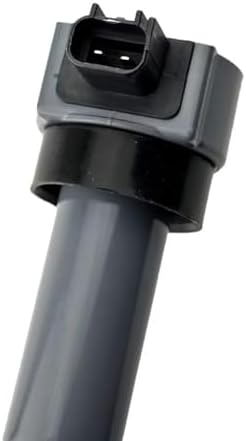
Figure 7.1: Top view of the ignition coil, showing the electrical connector and mounting bracket. This image highlights the specific design of the connector for proper fitment.
8. Support and Contact
For any questions regarding the installation, compatibility, or performance of your Generic Ignition Coil, please contact the seller or manufacturer directly. When contacting support, please provide your product model number (4951576463927) and details of your vehicle (make, model, year, engine size) to assist in a quicker resolution.
Always ensure the ignition coil OEM part number matches your vehicle's requirements before purchase and installation.
Ask a question about this manual
Ask about setup, troubleshooting, compatibility, parts, safety, or missing instructions. Manuals+ will review the question and use this page’s manual context to help answer it.