
1. Introduction
This manual provides detailed instructions for the installation, operation, and maintenance of your plplaaoo 100A MPPT Solar Charge Controller. This advanced controller is designed to optimize energy harvest from your solar panels and manage battery charging efficiently for 12V, 24V, 36V, and 48V solar power systems. Please read this manual thoroughly before installation and use to ensure proper function and safety.
2. Safety Instructions
Please observe the following safety precautions during installation and operation:
- Ensure all wiring is correctly connected and securely fastened to prevent loose connections and overheating.
- Always disconnect the solar panel and battery power before installing or adjusting the controller.
- Use appropriate tools and wear protective gear, including eye protection, during installation.
- Install the controller in a well-ventilated area, away from flammable gases and liquids.
- Do not disassemble or attempt to repair the controller yourself. Contact qualified personnel for service.
- Ensure the battery bank is properly sized and compatible with the controller's voltage and current ratings.
- Avoid short-circuiting the solar panel, battery, or load terminals.
3. Product Features
- Maximum Power Point Tracking (MPPT): Achieves up to 98% conversion efficiency by intelligently tracking the maximum power point of solar panels under varying conditions.
- Automatic Voltage Adaptation: Automatically detects and adapts to 12V, 24V, 36V, or 48V battery systems.
- Multifunctional Control: Supports various operating modes including PWM charging, constant current output, and voltage regulation.
- Integrated USB and DC Outputs: Features dual 5V 1A USB ports and a 2A DC output for charging external devices.
- Comprehensive Protection: Includes safeguards against overvoltage, overcurrent, overtemperature, overload, short circuits, and reverse polarity.
- User-Friendly Interface: Equipped with a backlit LCD display for real-time monitoring and intuitive buttons for configuration.
- Durable Construction: Features an aluminum heatsink for efficient cooling and robust design for harsh environments (0°C to 60°C).
- Battery Compatibility: Compatible with gel, sealed lead-acid, and lithium batteries.
4. Package Contents
- 1 x plplaaoo 100A MPPT Solar Charge Controller
- 1 x User Manual
5. Product Overview and Components
Familiarize yourself with the main components and interface of the solar charge controller.

Figure 5.1: Front view of the solar charge controller, highlighting the LCD screen and various connection terminals.
The controller features an intuitive LCD display and clearly labeled ports for easy connection. The display provides real-time information about the system's status.
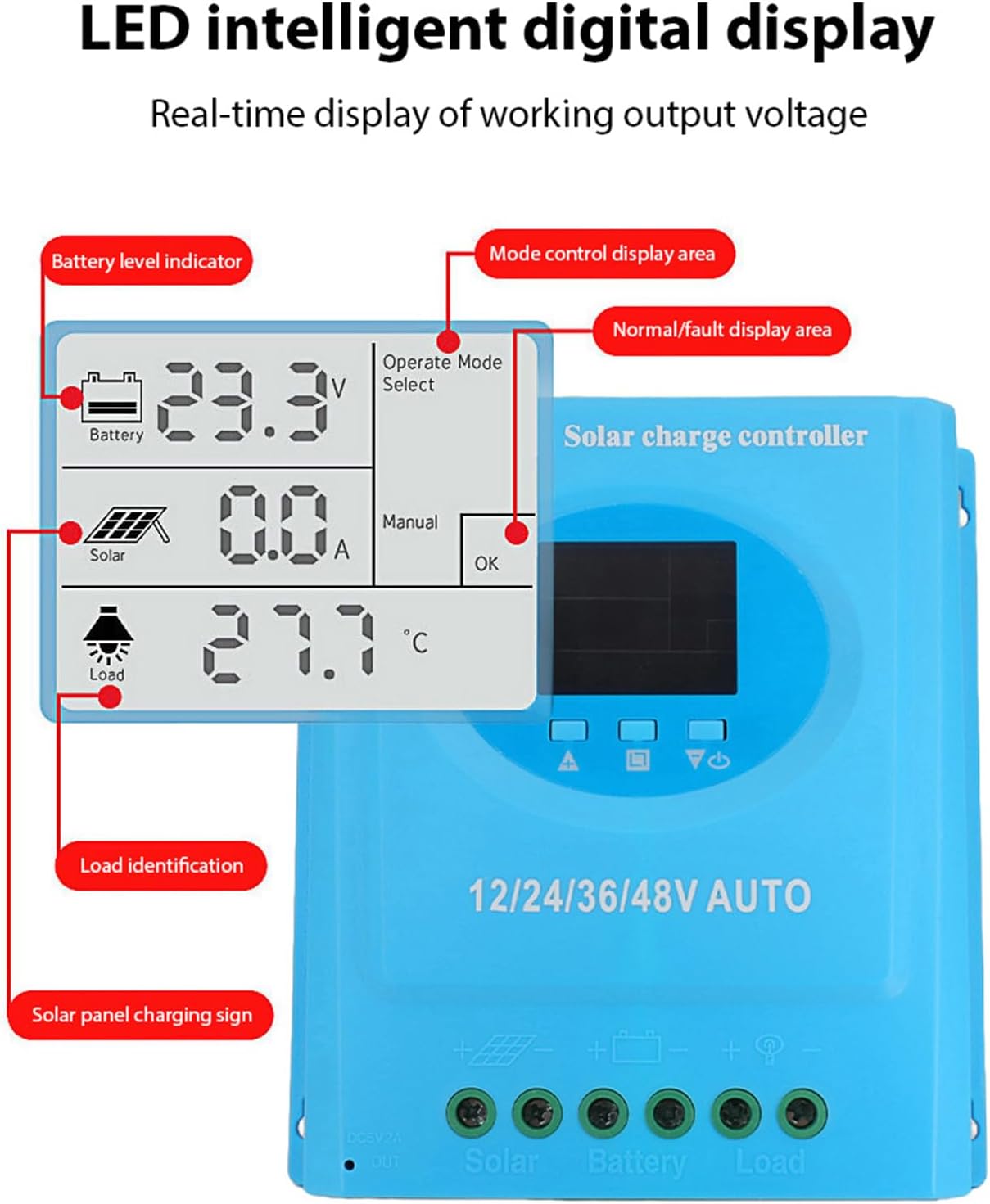
Figure 5.2: Detailed view of the controller's connection ports.

Figure 5.3: Detailed view of the LCD display, indicating battery level, solar panel charging sign, load identification, operating mode, and real-time voltage.
5.1. Connection Ports
- Dual USB Interface: Two 5V 1A USB ports for charging mobile devices.
- Solar Panel Port: Connects to your solar panels (positive and negative).
- Battery Port: Connects to your battery bank (positive and negative).
- DC Load Port: Connects to your DC loads (positive and negative).
- DC Output Port: Additional DC output.
6. Setup and Installation
Follow these steps for proper installation of the solar charge controller. Ensure all power sources are disconnected before beginning.
6.1. Wiring Method
Connect the components in the following order to prevent damage:
- Connect the Battery: Connect the battery to the controller's battery terminals (positive to positive, negative to negative). The controller will automatically detect the battery voltage.
- Connect the Solar Panel: Connect the solar panel to the controller's solar panel terminals (positive to positive, negative to negative).
- Connect the DC Load: Connect the DC load to the controller's load terminals (positive to positive, negative to negative).
Important: Always connect the battery first, then the solar panel, and finally the load. Disconnect in the reverse order.

Figure 6.1: Solar energy system wiring diagram. Note the correct polarity for all connections.
6.2. Mounting
Mount the controller vertically on a flat surface in a well-ventilated area, ensuring adequate clearance for air circulation around the heatsink. Avoid direct sunlight, high temperatures, and humid environments.
7. Operating Instructions
Once installed, the controller will automatically begin operating. The LCD display provides real-time system status.
7.1. LCD Display Information
The LCD screen displays various parameters:
- Battery Level Indicator: Shows the current charge status of the battery.
- Solar Panel Charging Sign: Indicates when the solar panels are actively charging the battery.
- Load Identification: Shows the status of the connected DC load.
- Operating Mode Display Area: Displays the current operating mode (e.g., manual, automatic).
- Normal/Fault Display Area: Indicates normal operation or displays error codes if a fault occurs.
- Real-time Working Output Voltage: Shows the current voltage of the system.
7.2. Button Functions
The controller typically features multiple buttons for navigation and setting adjustments:
- Menu Button: Used to enter and exit the menu settings.
- Up/Down Buttons: Used to navigate through menu options and adjust parameter values.
- OK Button: Used to confirm selections and save settings.
Refer to the on-screen menu for specific parameter adjustments such as battery type, load control mode, and charging thresholds.
8. Maintenance
Regular maintenance ensures optimal performance and longevity of your solar charge controller.
- Cleaning: Periodically clean the controller's exterior with a dry cloth to remove dust and debris. Ensure ventilation openings are clear.
- Connection Check: Annually inspect all wiring connections for tightness and corrosion. Re-tighten if necessary.
- Environmental Check: Ensure the installation environment remains within the specified operating temperature range and is free from excessive moisture or dust.
- Battery Inspection: Regularly check the battery terminals for corrosion and ensure the battery is in good condition.
9. Troubleshooting
If you encounter issues with your solar charge controller, refer to the following common problems and solutions:
| Problem | Possible Cause | Solution |
|---|---|---|
| Controller not powering on / LCD blank |
|
|
| Battery not charging |
|
|
| Load not working |
|
|
| Error code displayed | Specific system fault. | Refer to the controller's display for the specific error code and consult the full product documentation or contact support for detailed interpretation and resolution. |
10. Specifications
| Parameter | Value |
|---|---|
| Model | plplaaoozi6egog4wm-0A |
| Brand | plplaaoo |
| Rated Current | 100A |
| System Voltage | 12V / 24V / 36V / 48V Automatic Adaptation |
| Charging Type | MPPT (Maximum Power Point Tracking) |
| Conversion Efficiency | Up to 98% |
| USB Output | Dual 5V 1A ports |
| DC Output | 2A |
| Operating Temperature | 0°C to 60°C |
| Dimensions (Approx.) | 19.5cm x 18.3cm x 6.8cm (7.7in x 7.2in x 2.7in) |

Figure 10.1: Approximate dimensions of the solar charge controller.
11. Warranty and Support
For warranty information, technical support, or service inquiries, please contact your retailer or the manufacturer directly. Keep your purchase receipt as proof of purchase.