
Introduction to Muscle Scraping
This comprehensive guide, "The Complete Muscle Scraping Guide" by Sidekick, provides detailed instructions for effectively using muscle scraping tools to alleviate pain, improve mobility, and aid in injury recovery. Developed with input from physical therapists, this manual covers techniques for various muscle groups and addresses common injuries.
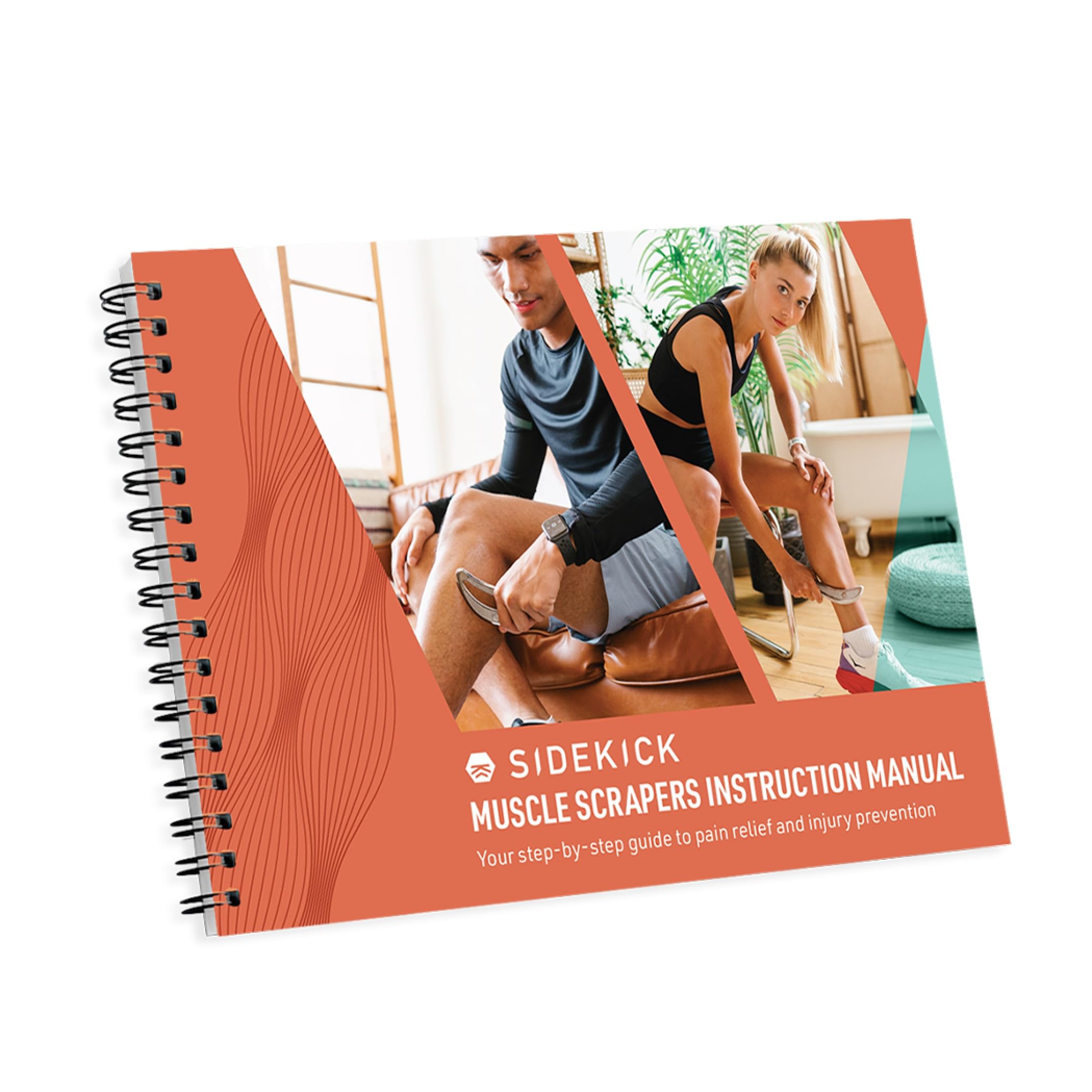
Image: Front cover of the Sidekick Muscle Scrapers Instruction Manual. This image displays the title and a visual representation of muscle scraping in practice.
Muscle scraping, also known as Instrument-Assisted Soft Tissue Mobilization (IASTM), is a technique used to break down scar tissue and fascial restrictions, promoting better blood flow and accelerating the body's natural healing process. This guide is designed for all experience levels, offering clear, easy-to-follow instructions.
Getting Started: Preparation for Muscle Scraping
Before beginning any muscle scraping session, proper preparation is essential to ensure safety and maximize effectiveness. This section outlines the necessary steps.
1. Understand the Guide
- Review Sections: Familiarize yourself with the different sections of this guide, including specific routines for various muscle groups and injuries.
- Video Access: Note that the guide includes references to step-by-step videos for each muscle group. Access these resources as directed within the book for visual demonstrations.
2. Prepare Your Skin and Tools
- Clean Skin: Ensure the area to be treated is clean and free of lotions or oils.
- Apply Emollient: Apply a small amount of massage oil or cream to the skin. This reduces friction and allows the scraping tool to glide smoothly.
- Clean Tools: Always use clean muscle scraping tools. Refer to the "Tool Care and Hygiene" section for cleaning instructions.
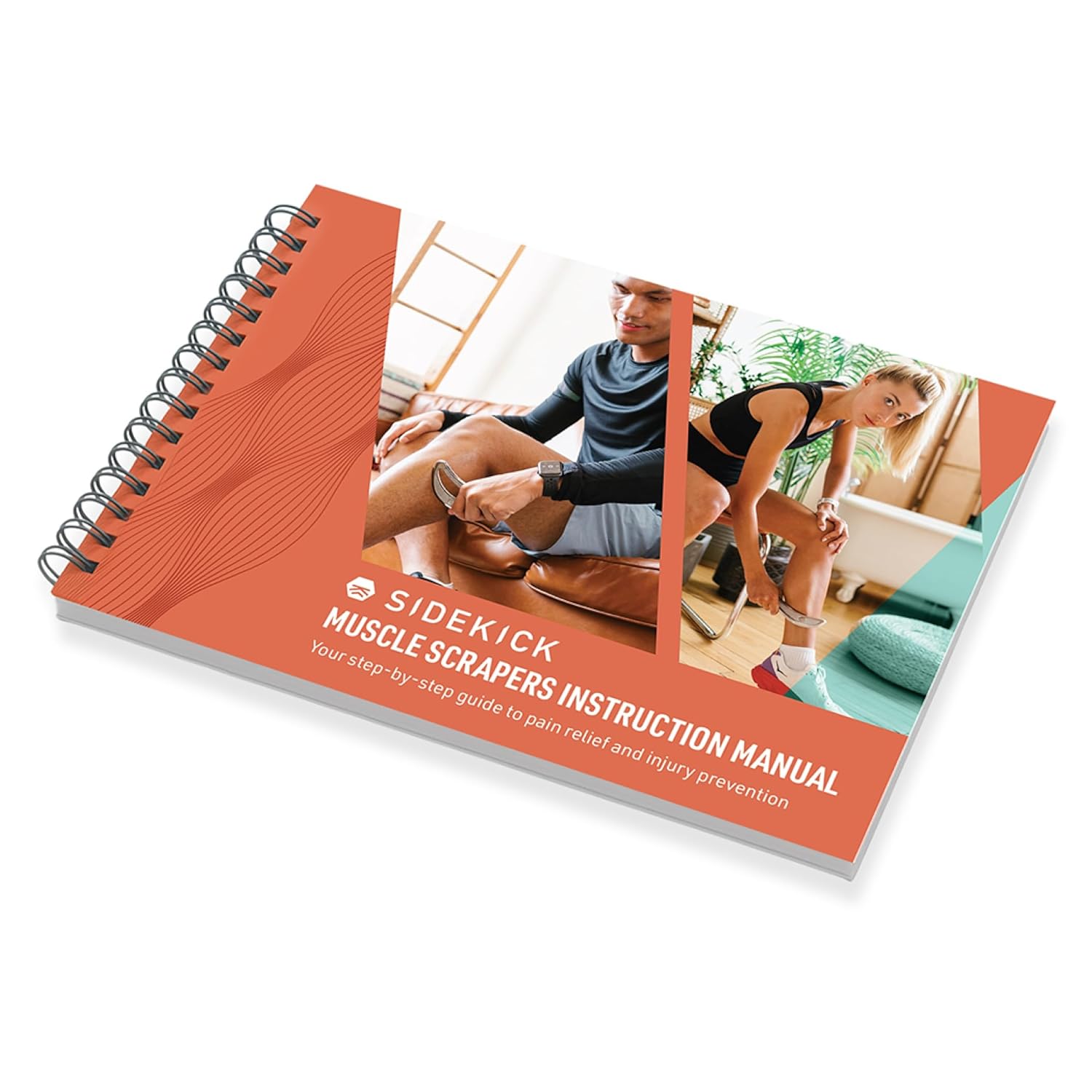
Image: An open page from the Sidekick Muscle Scrapers Instruction Manual, illustrating content layout and visual aids for instruction.
Operating Instructions: Muscle Scraping Techniques
This section details the core techniques for performing muscle scraping as outlined in the guide. Always prioritize comfort and listen to your body.
General Technique Principles
- Tool Selection: Choose the appropriate Sidekick tool for the muscle group and area you are treating. The guide provides recommendations.
- Angle and Pressure: Hold the tool at a 30-60 degree angle to the skin. Apply light to moderate pressure. The goal is to create a therapeutic effect, not to cause excessive pain or bruising.
- Direction of Stroke: Generally, scrape in one direction, following the muscle fibers. Strokes should be firm and consistent.
- Duration: Perform 30-60 second strokes per area, or as specified in the guide for particular routines.
- Frequency: Typically, muscle scraping can be performed 2-3 times per week, allowing for recovery between sessions.
Specific Routines for Muscle Groups and Injuries
The guide contains over 50 PT-designed routines. Each routine includes:
- Target Area: Identification of the specific muscle or injury.
- Step-by-Step Instructions: Detailed written steps for performing the scraping technique.
- Visual Aids: Diagrams and illustrations to demonstrate proper form and direction.
- Video References: Links or QR codes to access accompanying instructional videos for visual learning.

Image: An internal page of the manual, highlighting the benefits of muscle scraping and showing a practical application.
Always consult a healthcare professional before starting any new treatment, especially if you have pre-existing conditions or severe injuries.
Tool Care and Hygiene
Maintaining the cleanliness of your muscle scraping tools is crucial for hygiene and longevity. This section provides guidelines for proper care.
Cleaning Your Tools
- After Each Use: Wipe down your muscle scraping tool with an antiseptic wipe or a cloth dampened with rubbing alcohol.
- Deep Cleaning: Periodically wash the tools with mild soap and warm water, then rinse thoroughly and dry completely.
- Storage: Store tools in a clean, dry place to prevent contamination and damage.
Note: This guide focuses on the application of muscle scraping. For specific care instructions for your particular Sidekick muscle scraping tools, refer to the documentation provided with those tools.
Common Questions and Solutions
This section addresses frequently asked questions and common issues that may arise during or after muscle scraping.
1. Skin Redness or Petechiae
Issue: Redness or small red spots (petechiae) appear on the skin after scraping.
Solution: This is a normal response to muscle scraping, indicating increased blood flow. It typically subsides within a few days. If excessive or painful, reduce pressure and frequency. Ensure adequate lubrication.
2. Discomfort or Pain During Scraping
Issue: Experiencing significant discomfort or pain.
Solution: Muscle scraping should not be overly painful. Reduce the pressure applied and ensure sufficient emollient is used. If pain persists, stop the session and consult a healthcare professional.
3. No Apparent Results
Issue: Not noticing improvements after several sessions.
Solution: Review the techniques in the guide, ensuring correct angle, pressure, and direction. Consistency is key. If still no improvement, consider consulting a physical therapist or medical professional to assess the underlying issue.

Image: An open page from the manual, detailing how muscle scraping works and its benefits, with accompanying illustrations.
Product Specifications
| Feature | Detail |
|---|---|
| Title | The Complete Muscle Scraping Guide |
| Author | Sidekick |
| Format | Spiral-bound Book |
| Publisher | DITU Inc. |
| Publication Date | June 25, 2025 |
| Language | English |
| Print Length | 155 pages |
| Item Weight | 13.4 ounces |
| Dimensions | 10.25 x 7 x 0.25 inches |
| ASIN | B0FN9ZX9Z7 |
Further Support and Resources
For additional information, support, or inquiries regarding Sidekick muscle scraping tools or techniques, please refer to the following resources:
- Official Sidekick Website: Visit the official Sidekick website for product updates, additional guides, and community forums.
- Professional Consultation: Always consult with a qualified physical therapist or medical doctor for personalized advice, especially concerning specific injuries or chronic conditions.
- Video Library: Utilize the video resources linked within this guide for visual demonstrations of techniques.
This guide is intended for informational purposes and should not replace professional medical advice.