
1. Introduction
This manual provides essential information for the installation, operation, maintenance, and troubleshooting of your MOUGOL AMD Radeon RX 580 graphics card. Please read this manual thoroughly before using the product to ensure proper functionality and longevity.
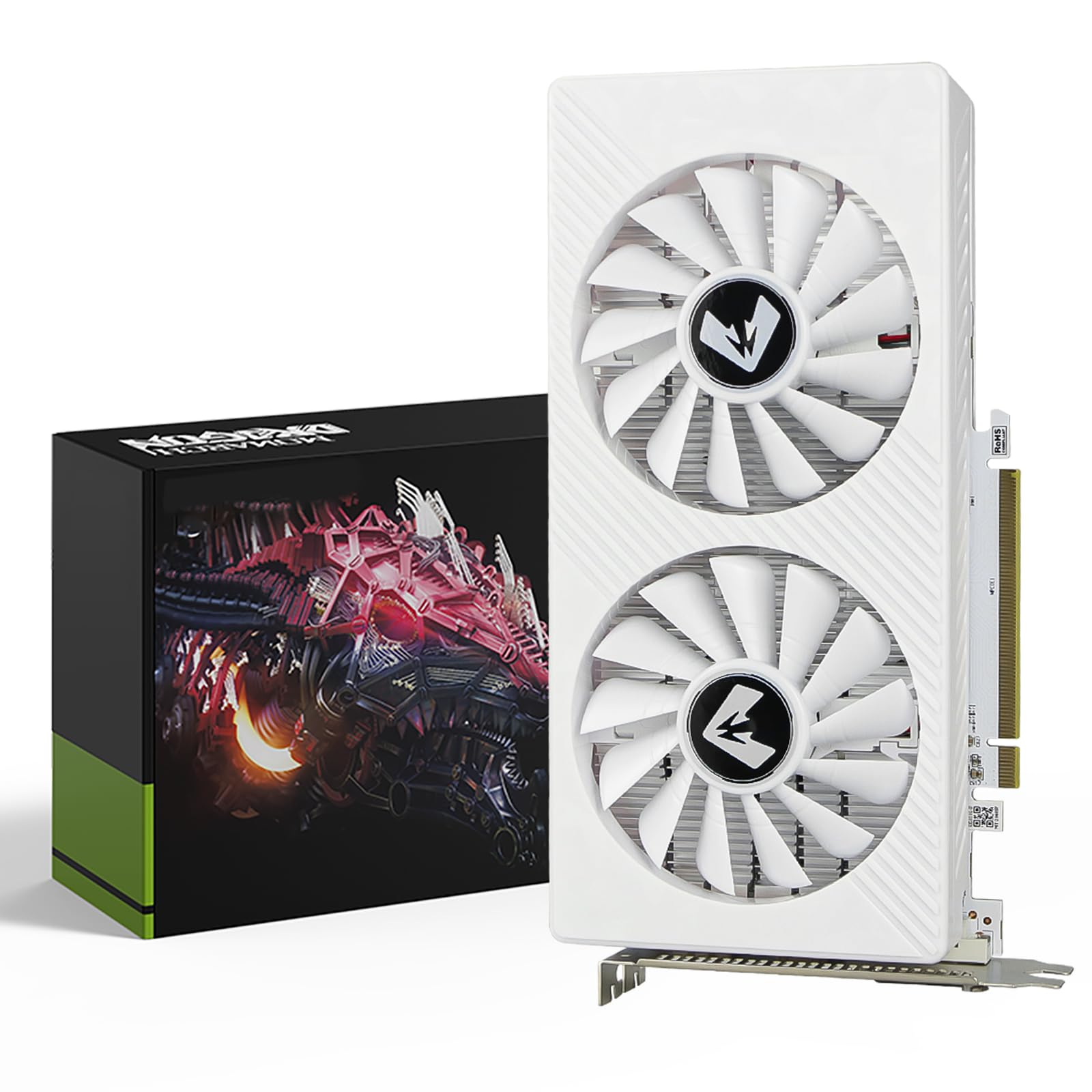
Figure 1.1: MOUGOL AMD Radeon RX 580 Graphics Card
2. Product Features
- 8GB GDDR5 High-Performance Graphics Memory: Features a 256-bit ultra-wide memory bus width, delivering 256GB/s bandwidth for high-resolution textures and multitasking.
- Dual-fan Ice Armor Cooling System: Equipped with 90mm biomimetic shark fin fans and three pure copper heat pipes for efficient cooling.
- Intelligent Start/Stop Technology: Enables dynamic silent operation from 0 to 40dB.
- Diverse Interfaces: Includes HDMI 2.0b, DisplayPort 1.4, and DVI-D for triple-screen 7680x4320 ultra-high-definition output.
- AMD FreeSync Support: Optimizes display refresh rates to eliminate screen stuttering and motion blur with compatible monitors.
- Next-generation Graphics Technology: Full support for DirectX 12, Vulkan, and OpenGL 4.6.
- AMD FidelityFX: Enhances image detail and dynamic lighting in supported games.

Figure 2.1: Product Function Introduction
3. Specifications
| Feature | Specification |
|---|---|
| GPU | AMD Radeon RX 580 (Ellesmere) |
| Shaders | 2048 Unified |
| Core Frequency | 1206 MHz |
| Memory Size | 8 GB |
| Memory Type | GDDR5 |
| Bus Width | 256 bit |
| Memory Frequency | 6000 MHz |
| TDP (Thermal Design Power) | 150 W |
| Recommended PSU | 500 W |
| Cooling Configuration | Dual Fan + Metal Heatsink |
| Product Dimensions | 9.45 x 5.31 x 1.77 inches |
| Output Ports | DisplayPort, HDMI, DVI-D |

Figure 3.1: Graphics Card Dimensions and Cooling
4. Setup and Installation
- Prepare Your System: Ensure your computer is powered off and unplugged from the wall outlet. Open your computer case.
- Locate PCIe Slot: Identify an available PCI Express x16 3.0 slot on your motherboard.
- Install the Graphics Card: Carefully align the graphics card with the PCIe slot and press down firmly until it is securely seated. Secure the card with the case's retention mechanism or screw.
- Connect Power: Connect the required 6-pin PCIe power connector from your power supply unit (PSU) to the graphics card. Ensure your PSU meets the recommended 500W requirement.
- Close Case and Connect Display: Close your computer case. Connect your display monitor(s) to the graphics card's output ports (HDMI, DisplayPort, or DVI-D).
- Install Drivers: Power on your computer. Once the operating system loads, download and install the latest compatible drivers from AMD's official website. Use the "Auto-Detect and Install" tool or manually select "RX 580" and your operating system.

Figure 4.1: Graphics Card Output Interfaces
Important Warning:
Do not use any adapter to convert the signal (e.g., HDMI-DVI, HDMI-VGA, DP-VGA), as this may result in artifacts, a black screen, or no image. It is recommended to use the original HDMI, DVI, or DisplayPort connections for better compatibility and stability.
5. Operating Instructions
5.1 Display Configuration (Windows 10/11)
The MOUGOL RX 580 supports multiple display configurations, including triple-monitor setups and 4K resolution output.
- Switch Display Modes: Press the Windows logo key + P on your keyboard to select display modes (PC screen only, Duplicate, Extend, Second screen only).
- Configure Display Settings: Right-click any empty area of the desktop and select "Display settings." In older Windows versions, this might be "Screen resolution."
- Identify and Arrange Displays: Click 'Identify' to show numbers on corresponding displays. Rearrange displays by clicking or dragging the number boxes.
- Multiple Displays: Scroll down and click the "Multiple displays" drop-down list, then select 'Extend these displays' or 'Duplicate these displays' as needed.

Figure 5.1: Windows 10/11 Display Operation Guide
5.2 Gaming and Performance
The RX 580 is designed to deliver smooth frame rates and immersive gaming experiences with support for DirectX 12, OpenGL 4.6, and Vulkan. Utilize AMD FreeSync with compatible monitors to prevent screen tearing.

Figure 5.2: Gaming Performance Comparison
5.3 Video Playback and Editing
With 8GB GDDR5 memory, the RX 580 is suitable for graphic and video editing tasks, as well as high-resolution audio-visual entertainment.

Figure 5.3: 8GB GDDR5 Graphics RAM Use Cases
6. Maintenance
Regular maintenance helps ensure optimal performance and extends the lifespan of your graphics card.
- Cleaning: Periodically power off your PC, remove the GPU, and use a soft brush or compressed air can (hold it upright to avoid liquid spray) to blow dust off the heatsink fins and fan blades. Avoid using water or harsh cleaners.
- Thermal Paste (Advanced Users): For advanced users, if overheating persists, disassemble the GPU's heatsink, wipe off the old dried paste with isopropyl alcohol (90%+ concentration) and a lint-free cloth, then apply a small pea-sized amount of high-quality thermal paste to the center of the GPU die. Reattach the heatsink evenly.
- Case Airflow: Ensure proper case airflow. Add 1-2 intake fans at the front/bottom of the case and 1 exhaust fan at the rear/top to create positive air pressure (more intake than exhaust), which pushes hot air out. Ensure the GPU is installed in the top PCIe x16 slot (not a lower-speed slot) to avoid airflow blockage from adjacent components.
7. Troubleshooting
7.1 Overheating
If your GPU is overheating, refer to the cleaning and airflow recommendations in the Maintenance section (Section 6).
7.2 Driver-Related Issues
If you experience display issues or performance problems, driver issues may be the cause:
- Open Device Manager > Expand "Display adapters" > Right-click "AMD Radeon RX 580" > Select "Uninstall device" > Check "Delete the driver software for this device" > Restart the PC.
- Download the latest compatible driver from AMD's official website (use the "Auto-Detect and Install" tool or manually select "RX 580" and your OS).
- During installation, choose "Factory Reset" to remove residual files.
- If the latest driver causes issues, use AMD Radeon Software > "Settings" > "System" > "Driver" > "Roll Back" to revert to a previously working version. For Windows 10/11, you can also roll back via Device Manager.
7.3 Power Supply Issues
Ensure your power supply unit (PSU) is adequate and properly connected:
- Check the PSU's label for wattage (e.g., "500W") and 80+ efficiency rating.
- Ensure it has a dedicated 6-pin PCIe connector (do not use a Molex-to-PCIe adapter, as it is unstable).
- If the PSU is undersized or faulty, upgrade to a reliable 500W+ model.
- Power off the PC, disconnect the PSU from the wall, then firmly reinsert the PCIe power cable into the GPU and the PSU. Check for bent pins in the connector.
7.4 Hardware Degradation
If you suspect hardware issues:
- Use tools like MemTest86+ (bootable USB) or AMD Radeon Software's "VRAM Stress Test" to check for VRAM corruption. If errors are detected, the VRAM is likely faulty—repairing VRAM is not cost-effective.
- Check the GPU's fan blades (replace broken fans with compatible models).
- Straighten the PCIe bracket gently if it is bent.
7.5 Compatibility with New Games/Software
If you encounter performance issues with new games or software:
- Lower resolution to 1080p (or 720p for very demanding games).
- Disable anti-aliasing (AA), reduce texture quality to "Low/Medium," and turn off resource-heavy features (e.g., ray tracing, DLSS/FSR 2.0—use FSR 1.0 if supported).
- Enable AMD FSR 1.0 (if the game supports it) to upscale lower resolutions and improve frame rates.
- Use tools like Radeon Software's "Game Optimization" to automatically adjust settings for better performance.
Video 7.1: MOUGOL RX 580 Product Description. This video provides an overview of the MOUGOL RX 580 graphics card's features and design.
8. Warranty and Support
For warranty information and technical support, please refer to the MOUGOL official website or contact your retailer. Keep your proof of purchase for warranty claims.
