
1. Introduction
The JDIAG HD10 is a versatile diagnostic scan tool designed for comprehensive analysis of both 12V gasoline/diesel vehicles and 24V diesel heavy-duty trucks. This device supports a wide range of diagnostic functions, including reading and clearing Diagnostic Trouble Codes (DTCs), displaying live data, and performing various system checks. Its ergonomic design and user-friendly interface aim to provide efficient vehicle diagnostics.

Figure 1: JDIAG HD10 Diagnostic Scan Tool with included 6-pin and 9-pin adapters.
2. Safety Information
Always observe the following safety precautions when operating the JDIAG HD10 diagnostic tool:
- Ensure the vehicle is in a safe, well-ventilated area.
- Wear appropriate personal protective equipment, such as eye protection.
- Avoid contact with hot engine components or moving parts.
- Do not operate the tool while driving.
- Keep the tool dry and away from extreme temperatures.
- Refer to the vehicle's service manual for specific diagnostic procedures and warnings.
3. Package Contents
Verify that all items are present in the package:
- HD10 heavy duty scanner tool
- 6-pin adapter (for trucks)
- 9-pin adapter (for trucks)
- USB data cable
- User Manual
4. Device Overview
The JDIAG HD10 features a 2.4-inch color screen and intuitive button layout for easy navigation. Its robust design includes non-slip grips and a durable integrated cable.

Figure 2: Ergonomic design features including silicone buttons, non-slip sides, durable cable, and OBD2 connector.
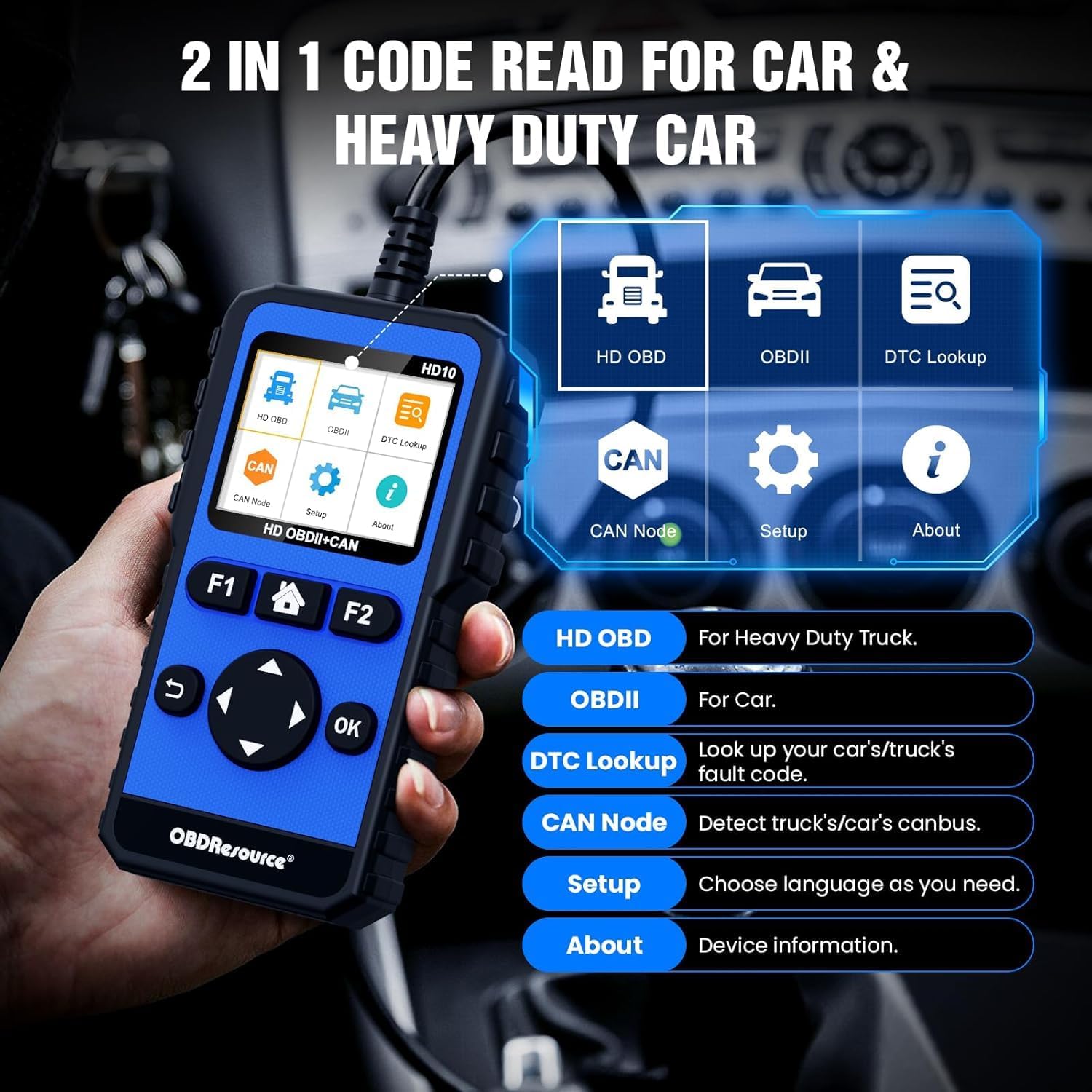
Figure 3: Main menu interface of the HD10 device.
4.1. Physical Features
- Display: 2.4-inch TFT Color Screen (320 x 240 resolution).
- Buttons: Clearly arranged silicone physical buttons for high sensitivity and fast response.
- Housing: Anti-slip design on both sides for secure handling.
- Cable: Integrated, thick, and durable wire (up to 105 cm).
- Connectors: Standard OBD2 connector, with included 6-pin and 9-pin adapters for heavy-duty vehicles.
5. Setup
5.1. Connecting to the Vehicle
- Locate the vehicle's Diagnostic Link Connector (DLC). For 12V vehicles, this is typically a 16-pin OBD2 port. For heavy-duty 24V vehicles, it will be a 6-pin or 9-pin connector.
- If diagnosing a heavy-duty vehicle, attach the appropriate 6-pin or 9-pin adapter to the HD10's main cable, then connect to the vehicle's DLC. For 12V vehicles, connect the standard OBD2 connector directly.
- Ensure the connection is secure. The device will power on automatically once connected to the vehicle's power supply.

Figure 4: The HD10 displaying live data, illustrating its 2.4-inch color screen.
5.2. Initial Settings
Upon first use or after a reset, you may need to configure basic settings:
- Navigate to the Setup menu using the directional buttons and press OK.
- Select Language to choose your preferred language.
- Other settings like unit of measurement (e.g., Metric/Imperial) may also be available in the Setup menu.
6. Operating Instructions
The JDIAG HD10 offers various diagnostic functions accessible through its main menu.
6.1. Main Menu Navigation
Use the directional buttons (Up, Down, Left, Right) to highlight menu options and press the OK button to confirm a selection. The Return button (curved arrow) navigates back to the previous screen.
6.2. HD OBD (Heavy Duty On-Board Diagnostics)
This mode is for diagnosing heavy-duty trucks and supports protocols like SAE J1939, SAE J1587/J1708, ISO15765, ISO 14230, and ISO 9141-2.

Figure 5: Full system diagnostic capabilities for heavy-duty vehicles.
- Read Codes: Retrieves Diagnostic Trouble Codes (DTCs) from various vehicle systems (Engine, Transmission, Drivetrain, Suspension, Braking System, Cab Climate, Body Control, Dashboard, Fuel System, etc.).
- Erase Codes: Clears DTCs from the vehicle's computer after repairs have been made.
- Live Data: Displays real-time operational parameters of the vehicle's systems.
- Full System Diagnosis: Accesses and diagnoses all supported electronic control units (ECUs) in 24V diesel vehicles.
6.3. OBDII (Standard On-Board Diagnostics)
This mode is for diagnosing 12V gasoline/diesel vehicles and supports standard OBD2 protocols including SAE J1850.

Figure 6: Overview of full OBD2 functions available.
- Read Codes: Retrieves current, pending, and permanent DTCs.
- Erase Codes: Clears DTCs and turns off the Malfunction Indicator Lamp (MIL).
- I/M Readiness: Checks the readiness of emission-related monitors.
- Data Stream: Displays live sensor data in text or graph format.
- Freeze Frame: Records a snapshot of vehicle conditions when an emission-related fault occurs.
- O2 Sensor Test: Retrieves O2 sensor monitoring test results.
- On-Board Monitoring: Retrieves results for on-board diagnostic monitoring tests of specific components/systems.
- EVAP System Test: Initiates a test of the Evaporative Emission Control System.
- Vehicle Information: Displays the vehicle's Vehicle Identification Number (VIN), Calibration ID (CALID), and Calibration Verification Number (CVN).
6.4. DTC Lookup
The built-in DTC Lookup function allows you to search for definitions of diagnostic trouble codes directly on the device, helping to understand the nature of a fault without external resources.
6.5. CAN Node Detection
This function helps quickly detect CANBUS nodes and identify faulty modules or lines by checking existing nodes, improving diagnostic efficiency.
6.6. BAT Test (Battery Test)
The BAT Test function allows for basic battery voltage checks, providing quick insights into the vehicle's battery health.
6.7. Software Update
The JDIAG HD10 supports lifetime free software updates. Connect the device to a computer via the USB data cable and follow the instructions on the manufacturer's website to download and install the latest software. This ensures expanded fault coverage and up-to-date functionality.
Video 1: An overview of the JDIAG HD10's diagnostic capabilities for cars and trucks, demonstrating its interface and functions.
7. Maintenance
7.1. Cleaning
Wipe the device with a soft, damp cloth. Do not use abrasive cleaners or solvents. Ensure the device is dry before storage or next use.
7.2. Storage
Store the JDIAG HD10 in a clean, dry environment, away from direct sunlight and extreme temperatures. Keep it in its original packaging or a protective case when not in use to prevent damage.
8. Troubleshooting
| Problem | Possible Cause | Solution |
|---|---|---|
| Device does not power on. | Loose connection to vehicle DLC; vehicle battery low; faulty cable. | Ensure the cable is securely connected. Check vehicle battery voltage. Try a different vehicle if possible to rule out a device issue. |
| Communication error with vehicle. | Incorrect protocol selected; vehicle ignition off; faulty vehicle DLC; device software outdated. | Verify vehicle ignition is ON. Ensure the correct vehicle type (12V/24V) and protocol are selected. Check the DLC for damage. Update device software. |
| Cannot clear DTCs. | Underlying fault still present; vehicle ignition off; specific vehicle system requirements. | Ensure the underlying issue causing the DTC has been resolved. Verify ignition is ON. Some vehicles require specific conditions for DTC clearing. |
| Screen is dim or unreadable. | Environmental lighting; display settings. | Adjust screen brightness in the Setup menu. Move to an area with less direct sunlight or glare. |
9. Specifications
- Brand: JDIAG
- Model: HD10 (Item model number) / CC0147HD10 (Manufacturer Model)
- Operating System: Linux
- Automotive Fit Type: Universal Fit
- Supported Protocols (Heavy Duty): SAE J1939, SAE J1587/J1708, ISO15765, ISO 14230, ISO 9141-2
- Supported Protocols (OBD2): SAE J1850 (VPW/PWM), ISO9141, ISO14230 (KWP), ISO15765-4 (CAN)
- Display: 2.4-inch TFT Color Screen
- Item Weight: 1.15 pounds
- Package Dimensions: 7.48 x 6.69 x 1.57 inches

Figure 7: Compatibility table for various heavy-duty truck brands and protocols.
10. Warranty Information
For detailed warranty information regarding your JDIAG HD10 diagnostic tool, please refer to the documentation included with your purchase or contact JDIAG customer support directly. Protection plans may be available for extended coverage.
11. Support
If you encounter any issues or have questions regarding the operation of your JDIAG HD10, please contact the JDIAG technical support team. They are available to provide assistance and operational guidance.
- Manufacturer: JDIAG
- Technical Support: Refer to the contact information provided in your product packaging or on the official JDIAG website.


