
1. Product Overview
This manual provides essential information for the proper installation, operation, and maintenance of your Torchbeam Brake Master Cylinder with Reservoir. This component is a direct fit replacement designed to restore optimal braking performance in compatible vehicles.

Image 1.1: Torchbeam Brake Master Cylinder with Reservoir. This image displays the complete unit, including the aluminum alloy body and the integrated fluid reservoir.
The Torchbeam Brake Master Cylinder is engineered with precision seals and a durable bore finish to prevent brake fluid leaks, ensuring consistent and reliable braking. It comes pre-assembled with the reservoir, seals, and necessary mounting hardware for a straightforward replacement process.
2. Compatibility Information
This Torchbeam Brake Master Cylinder (OEM #M39953, F0TZ2140A, ZZL043400) is specifically designed for the following vehicle models:
- Mazda Navajo: 1991-1994 (All Engine Types)
Always verify fitment with your vehicle's specific year, make, and model before proceeding with installation.

Image 2.1: Compatibility chart for the brake master cylinder. This chart visually confirms the compatible vehicle models and years.
3. Safety Information
Working with vehicle braking systems requires caution. Please observe the following safety guidelines:
- Always wear appropriate personal protective equipment, including safety glasses and gloves.
- Brake fluid is corrosive. Avoid contact with skin, eyes, and painted surfaces. In case of contact, rinse immediately with plenty of water.
- Ensure the vehicle is securely supported on jack stands before working underneath it.
- Never reuse old brake fluid. Always use new, clean brake fluid of the correct DOT specification for your vehicle.
- Dispose of old brake fluid and components responsibly according to local regulations.
4. Installation (Setup)
Installation of a brake master cylinder is a critical procedure that directly impacts vehicle safety. It is strongly recommended that this procedure be performed by a certified mechanic or an individual with extensive automotive repair experience.
General Installation Steps (Consult your vehicle's service manual for precise instructions):
- Preparation: Park the vehicle on a level surface, engage the parking brake, and disconnect the negative battery terminal.
- Access: Locate the master cylinder, typically mounted on the firewall in the engine bay.
- Fluid Drainage: Use a syringe or turkey baster to remove as much old brake fluid from the reservoir as possible.
- Disconnect Lines: Carefully disconnect the brake lines from the master cylinder. Be prepared for some fluid leakage. Cap the lines to prevent contamination.
- Remove Old Unit: Unbolt the master cylinder from the brake booster. Remove the old master cylinder.
- Bench Bleeding (Recommended): Before installing the new master cylinder, bench bleed it to remove air. This involves filling the reservoir with new brake fluid and using a special kit or method to push fluid through the outlet ports until no air bubbles are visible.
- Install New Unit: Mount the new Torchbeam master cylinder onto the brake booster and secure it with the provided mounting hardware. Reconnect the brake lines, ensuring they are properly tightened to prevent leaks.
- Connect Sensor: If applicable, connect the fluid level sensor wiring to the master cylinder reservoir.
- System Bleeding: Bleed the entire brake system to remove any remaining air. Start with the wheel furthest from the master cylinder and work your way closer. Follow your vehicle's specific bleeding procedure.
- Final Checks: Check for leaks at all connections. Top off the brake fluid reservoir to the MAX line. Test the brake pedal for firmness before driving.

Image 4.1: Professional assistance for installation. This image emphasizes the importance of consulting a shop manual and seeking certified mechanic assistance for precise directions.
5. Operation
The brake master cylinder is a crucial component of your vehicle's hydraulic braking system. When the brake pedal is pressed, the master cylinder converts the mechanical force into hydraulic pressure. This pressure is then transmitted through the brake lines to the wheel cylinders or calipers, which in turn apply the brake pads or shoes to slow or stop the vehicle.
A properly functioning master cylinder ensures a firm and consistent brake pedal feel, allowing for effective and safe braking.

Image 5.1: Diagram illustrating brake system operation. This diagram shows the interaction between the brake pedal, brake booster, and master cylinder when braking.
6. Maintenance
Regular inspection and maintenance of your brake master cylinder and brake fluid are essential for vehicle safety and longevity.
- Brake Fluid Level: Periodically check the brake fluid level in the reservoir. It should be between the MIN and MAX lines. If the level is consistently low, it may indicate a leak in the system or worn brake pads.
- Brake Fluid Condition: Brake fluid can absorb moisture over time, which reduces its effectiveness and can lead to corrosion. Consult your vehicle's service manual for recommended brake fluid flush intervals.
- Leak Inspection: Visually inspect the master cylinder and surrounding areas for any signs of brake fluid leaks. Pay attention to the connections and the area where the master cylinder meets the brake booster.
- Reservoir Cap: Ensure the reservoir cap is securely fastened to prevent contamination and moisture ingress.
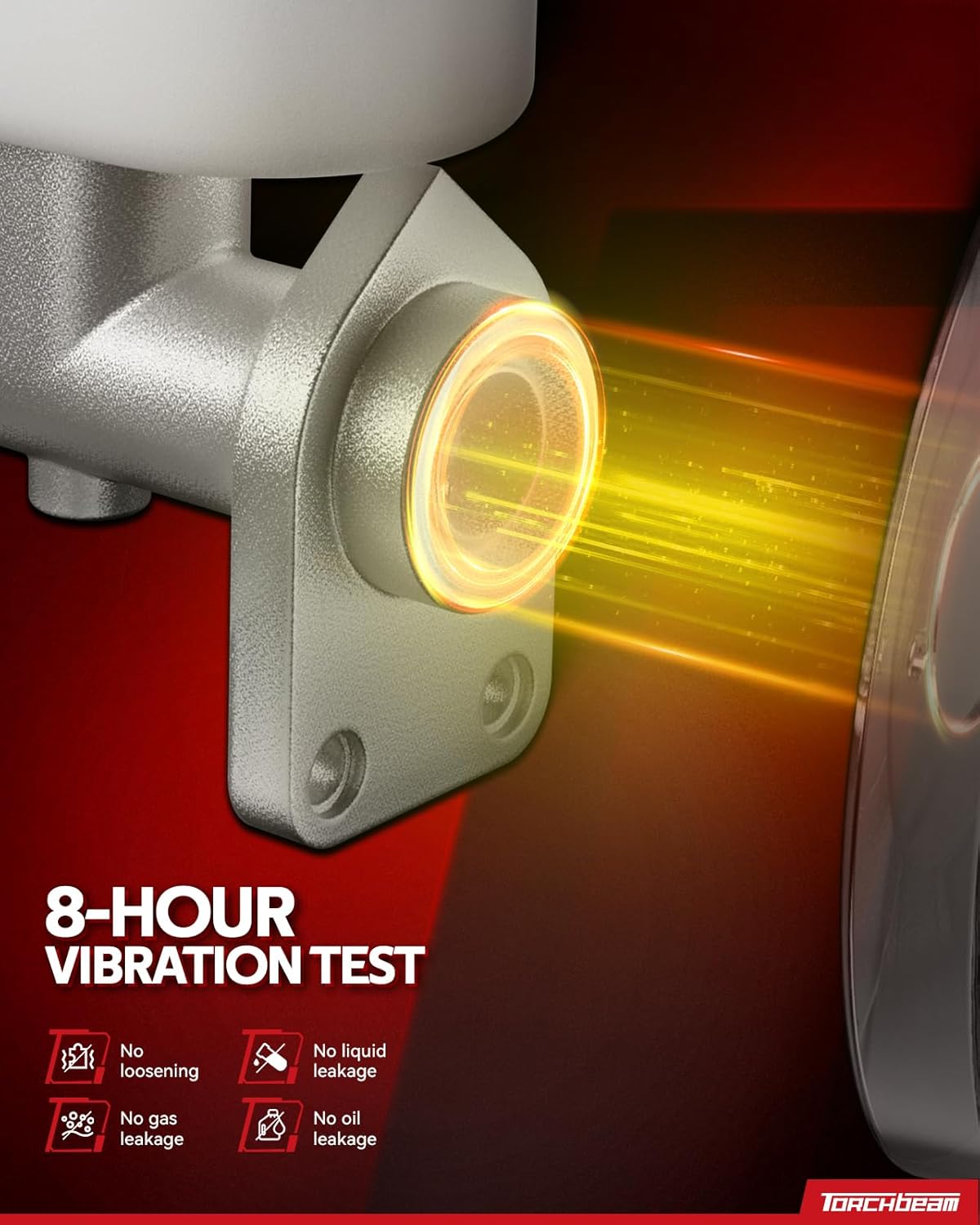
Image 6.1: Close-up view of the brake fluid reservoir. This image highlights the reservoir where brake fluid levels can be checked.
7. Troubleshooting
If you experience issues with your braking system, consider the following common troubleshooting points related to the master cylinder:
- Spongy or Soft Brake Pedal: This often indicates air in the brake lines. The system needs to be bled thoroughly. It could also be a sign of internal master cylinder failure or a leak.
- Brake Fluid Leaks: Inspect all brake line connections to the master cylinder and the seal between the master cylinder and the brake booster. A leak can lead to a loss of braking pressure.
- Brake Pedal Slowly Sinks to the Floor: This is a strong indicator of an internal leak within the master cylinder, where fluid bypasses the piston seals. The master cylinder likely needs replacement.
- Brake Warning Light On: This could be due to a low brake fluid level in the reservoir (check for leaks) or a faulty fluid level sensor.
If troubleshooting does not resolve the issue, seek professional automotive service immediately.
8. Specifications
Key specifications for the Torchbeam Brake Master Cylinder:
- Condition: New
- Reservoir Included: Yes
- Material: Aluminum Alloy
- Master Cylinder Bore Diameter: 1 inch
- Number of Outlets: 2
- Rearward Outlet Size: M10 x 1.0
- Sensor Included: Yes
- OEM Part Numbers: M39953, F0TZ2140A, ZZL043400
- Manufacturer Part Number: 2148BMC0961US

Image 8.1: Internal construction diagram. This diagram illustrates the various components within the master cylinder, including the piston, seals, and ports.

Image 8.2: Detail of the internal spring mechanism. This image shows the 65Mn spring steel and EPDM seals designed for strong braking thrust and durability.

Image 8.3: Close-up of the electrical connector. This image details the sensor connection point on the reservoir.
9. Warranty and Support
Torchbeam is committed to providing quality products and customer satisfaction. For any questions, concerns, or assistance with your product, please contact Torchbeam customer service.
- Customer Service: Torchbeam offers 24-hour online response for customer inquiries.
- Warranty: Torchbeam products typically come with a warranty. Please refer to your purchase documentation or contact customer support for specific warranty terms and conditions.

Image 9.1: Torchbeam customer support information. This image highlights Torchbeam's commitment to customer service.