
1. Introduction
The SilverStone CS383 is a high-performance full tower chassis designed for Network Attached Storage (NAS) and workstation applications. It supports a wide range of components, including SSI-EEB motherboards, multiple storage drives, and advanced cooling solutions. This manual provides detailed instructions for the assembly, operation, and maintenance of your CS383 chassis.

Figure 1.1: Front view of the SilverStone CS383 chassis with the door open, showing the hot-swappable drive bays.
Key Features:
- Supports motherboards up to E-ATX / SSI-EEB form factors.
- Includes 8 hot-swappable 3.5" or 2.5" drive trays with support for SAS-12G / SATA-6G drives.
- Features 8 expansion slots, accommodating GPUs or adapter cards up to 340mm in length.
- Supports liquid cooling radiators up to 420mm or air coolers up to 186mm tall.
- Capable of housing dual power supplies or up to 4 additional 5.25" drive bay devices.
2. System Setup
2.1 Preparing the Chassis
Before installing components, ensure the chassis is placed on a stable, flat surface. Remove the side panels by unscrewing the thumbscrews at the rear and sliding the panels backward.

Figure 2.1: Side view of the CS383 chassis.
2.2 Motherboard Installation
- Install the necessary motherboard standoffs into the chassis tray according to your motherboard's form factor (SSI-EEB, SSI-CEB, E-ATX, ATX, Micro-ATX, Mini-ITX).
- Carefully place your motherboard onto the standoffs, aligning the screw holes.
- Secure the motherboard with screws.

Figure 2.2: Internal layout showing motherboard mounting area.

Figure 2.3: Workstation-grade component support, including SSI-EEB motherboard and dual PSU options.
2.3 Drive Installation (Hot-Swappable Bays)
The CS383 features eight hot-swappable drive bays for 3.5" or 2.5" SAS-12G / SATA-6G drives.
- Open the front door of the chassis.
- Press the release latch on a drive tray and pull it out.
- Mount your 3.5" or 2.5" drive into the tray using the provided screws.
- Slide the loaded drive tray back into the bay until it clicks into place.
- Ensure all drives are properly connected to the backplane for power and data.

Figure 2.4: Detail of the hot-swappable drive bays.
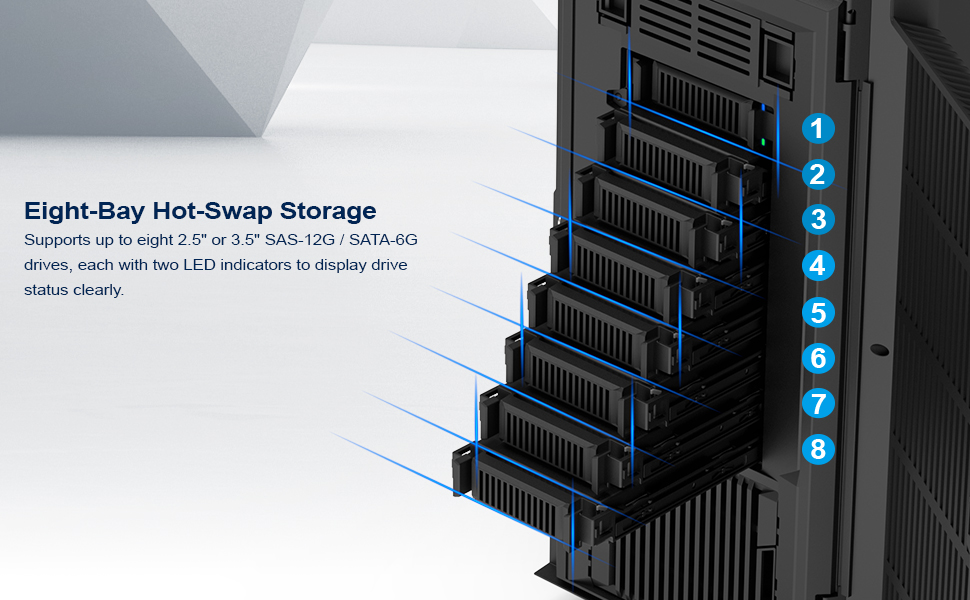
Figure 2.5: Eight-bay hot-swap storage with drive status indicators.
2.4 Power Supply Installation
The chassis supports standard ATX (PS2) power supplies and offers an optional secondary PSU slot.
- Mount your primary power supply in the designated bottom-rear compartment.
- Secure it with screws from the rear of the chassis.
- For dual PSU configurations, install the second power supply in the lower front 5.25" bay area.
2.5 Expansion Card Installation
The CS383 provides eight expansion slots for graphics cards, network adapters, or RAID controllers.
- Remove the necessary slot covers from the rear of the chassis.
- Insert your expansion card into the corresponding PCIe slot on the motherboard.
- Secure the card with screws or the tool-less retention mechanism.

Figure 2.6: Expansion slots for adapter cards.
2.6 Cooling System Installation
The chassis supports various cooling configurations, including liquid cooling radiators up to 420mm and air coolers up to 186mm tall.
- Radiators: Mount liquid cooling radiators to the top panel.
- Fans: Two 92mm fans are pre-installed behind the drive bays for efficient cooling. Additional fans can be installed as needed.

Figure 2.7: Top panel supporting up to a 420mm liquid cooling radiator.

Figure 2.8: Internal component clearance diagram.
2.7 Additional Storage Options
Beyond the hot-swappable bays, the CS383 offers additional mounting points for 2.5" SSDs and 3.5" HDDs, as well as three 5.25" drive bays at the bottom front.

Figure 2.9: Additional 2.5" SSD and 3.5" HDD mounting locations.
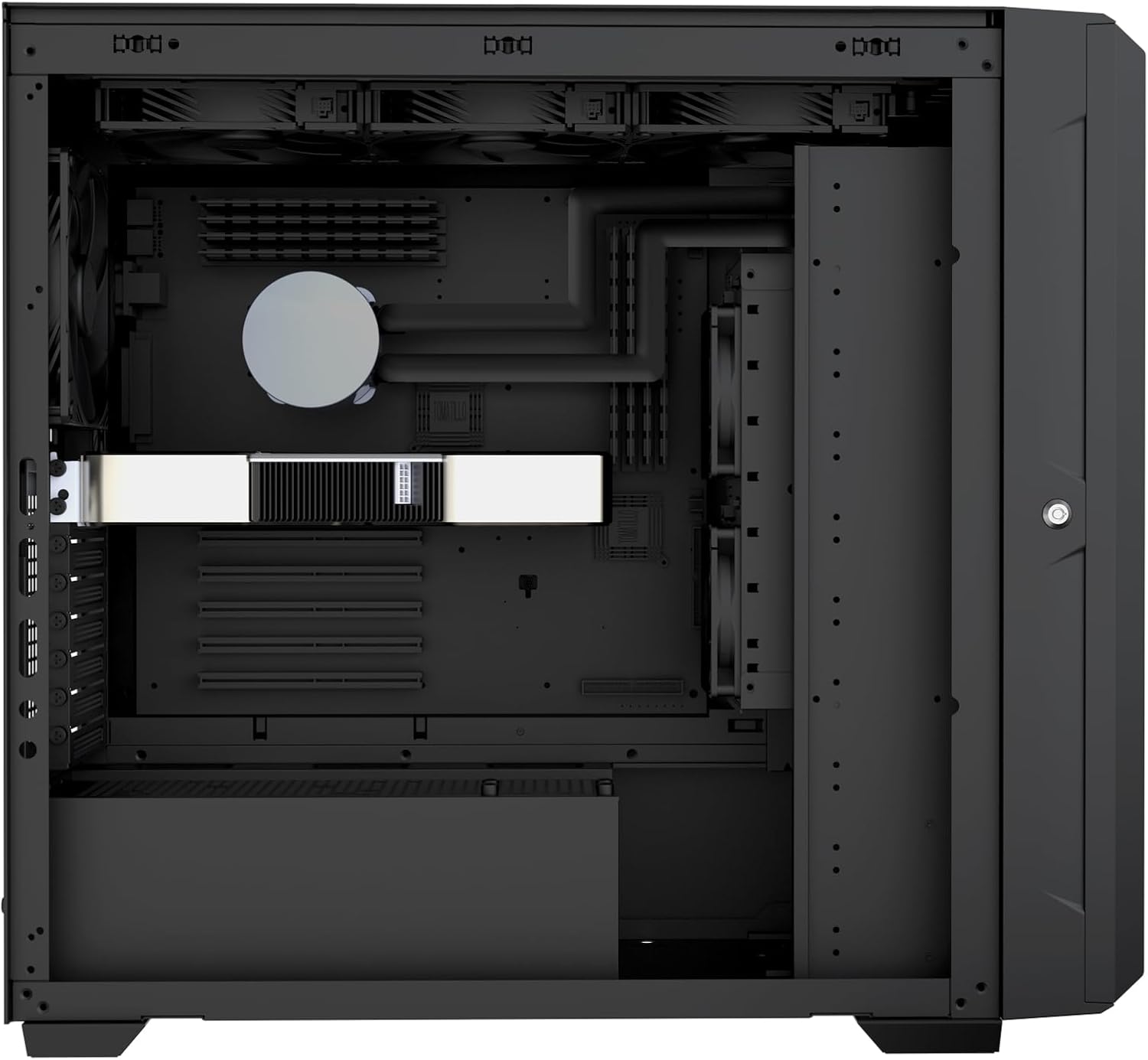
Figure 2.10: Three 5.25" drive bays.
3. Operation
3.1 Front Panel Controls and I/O
The front panel provides essential controls and connectivity options:
- Power Button: Initiates or shuts down the system.
- Reset Button: Restarts the system.
- USB Ports: For connecting external devices.
- Audio Jacks: For headphones and microphones.
- Drive Activity LEDs: Indicate read/write activity for each hot-swappable drive.

Figure 3.1: Front panel I/O and controls.
3.2 Hot-Swapping Drives
The hot-swappable drive bays allow for adding or removing drives while the system is running, provided your operating system and RAID controller support this feature.
- Ensure the drive is properly unmounted or ejected from the operating system before removal.
- Open the front door and press the release latch on the desired drive tray.
- Carefully pull the drive tray out.
- To insert a new drive, mount it into an empty tray and slide it into the bay until it locks.
- The operating system should detect the new drive automatically.
Note: Always refer to your operating system and RAID controller documentation for specific hot-swap procedures to prevent data loss.
4. Maintenance
4.1 Dust Filter Cleaning
The CS383 includes removable dust filters in key areas to prevent dust buildup and maintain optimal cooling performance. Regular cleaning is recommended.
- Locate the dust filters (e.g., at the bottom of the chassis).
- Gently slide out or unclip the filters.
- Clean the filters using compressed air or by rinsing them with water. Ensure they are completely dry before reinstallation.
- Reinstall the filters securely.
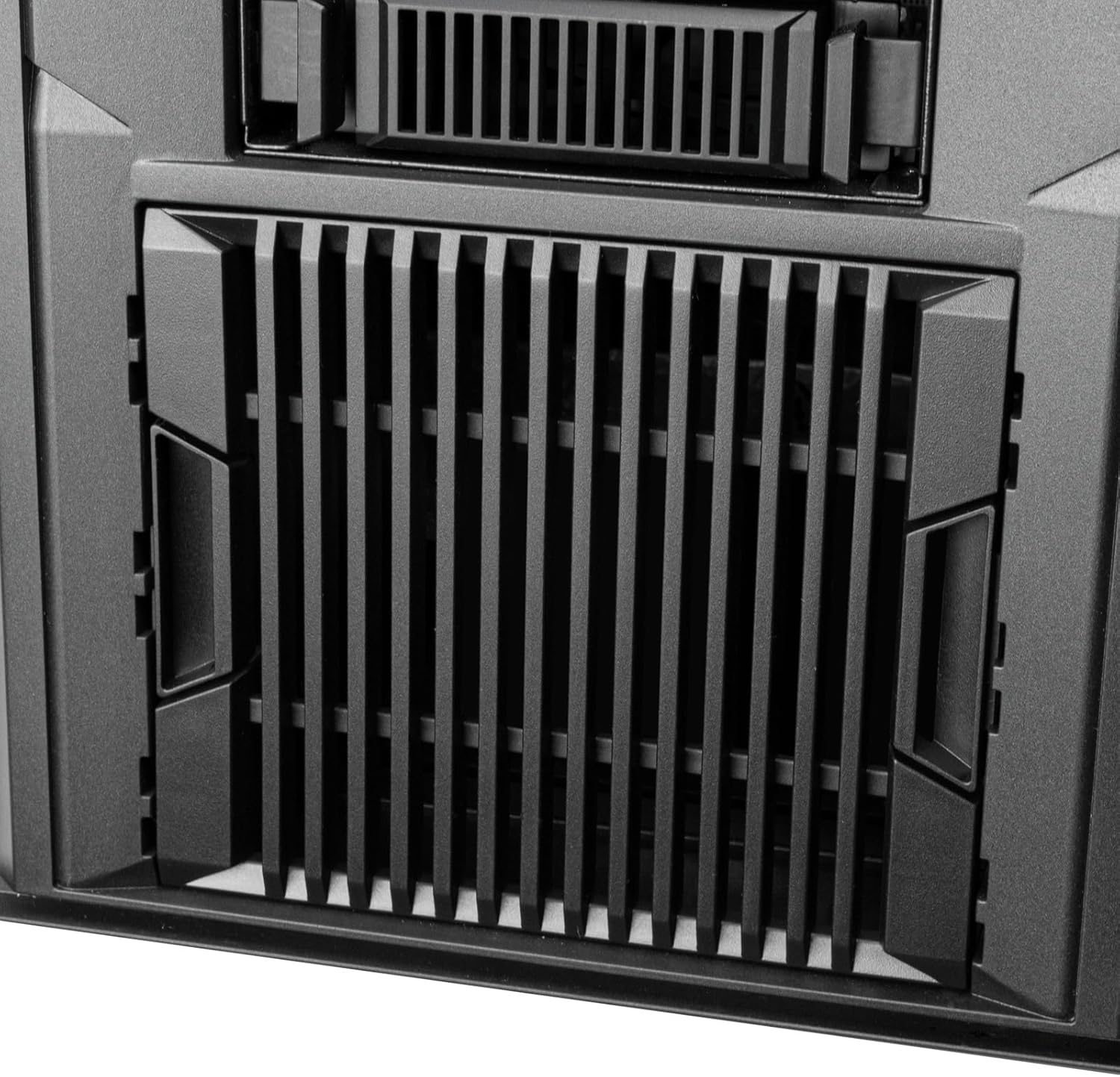
Figure 4.1: Removable dust filter at the bottom of the chassis.
4.2 Fan Maintenance
Periodically check the chassis fans for dust accumulation. Clean them with compressed air to ensure unrestricted airflow.
Caution: Disconnect power to the system before performing any internal cleaning or maintenance.
5. Troubleshooting
- System Does Not Power On:
- Ensure the power supply is properly connected to the wall outlet and the power switch on the PSU is in the 'ON' position.
- Verify all power cables (24-pin ATX, 8-pin CPU, PCIe, SATA) are securely connected to the motherboard and components.
- Check the front panel power button connection to the motherboard.
- Drives Not Detected:
- Confirm drives are fully seated in their hot-swap trays and the trays are locked into the bays.
- Verify SATA/SAS data and power cables from the backplane are connected to the motherboard/RAID controller and power supply.
- Check BIOS/UEFI settings to ensure SATA/SAS ports are enabled.
- Overheating Issues:
- Ensure all chassis fans are spinning and not obstructed.
- Clean dust filters and internal components regularly.
- Verify CPU cooler and GPU fans are functioning correctly.
- Consider optimizing fan curves in BIOS/UEFI or adding additional cooling if temperatures remain high under load.
- Front Panel I/O Not Working:
- Check the internal cable connections from the front panel to the motherboard (USB headers, audio headers).
6. Specifications
| Feature | Detail |
|---|---|
| Model Name | CS383 (SST-CS383) |
| Brand | SilverStone |
| Case Type | Full Tower |
| Material | Alloy Steel, Aluminum |
| Color | Black |
| Motherboard Compatibility | SSI-EEB, SSI-CEB, Extended ATX, ATX, Micro-ATX, Mini-ITX |
| Drive Bays (Hot-Swap) | 8 x 3.5"/2.5" SAS-12G / SATA-6G |
| Expansion Slots | 8 |
| GPU Length Support | Up to 340mm |
| CPU Cooler Height Support | Up to 186mm |
| Radiator Support | Up to 420mm (Top) |
| Power Supply Support | Standard ATX (PS2), Dual PSU capable |
| Product Dimensions (LxWxH) | 23.15" x 9.77" x 20.79" (588mm x 248mm x 528mm) |
| Item Weight | 42.3 pounds (19.18 kg) |
7. Warranty and Support
7.1 Product Warranty
SilverStone Technology products are covered by a limited warranty. The specific terms and duration of the warranty may vary by region and product. Please retain your proof of purchase for warranty claims.
7.2 Technical Support
For technical assistance, troubleshooting, or further inquiries regarding your SilverStone CS383 chassis, please visit the official SilverStone Technology website or contact their customer support department. You can find contact information and support resources at www.silverstonetek.com.


