
DATOUBOSS 12V300Ah
DATOUBOSS 12V 300Ah LiFePO4 Lithium Battery
Model: 12V300Ah
User Manual
1. Introduction
This manual provides essential information for the safe and efficient use of your DATOUBOSS 12V 300Ah LiFePO4 Lithium Battery. This deep cycle battery features a built-in 200A Battery Management System (BMS) and is designed for various applications including solar energy systems, RVs, off-grid setups, marine use, and trolling motors. Please read this manual thoroughly before installation and operation.

Figure 1: DATOUBOSS 12V 300Ah LiFePO4 Lithium Battery. This image shows the top and side view of the battery, highlighting its terminals and branding.
2. Safety Information
Adhering to these safety guidelines is crucial for preventing injury, damage to the battery, and ensuring optimal performance.
- Do not short-circuit: Never short-circuit the positive and negative terminals of the battery. This can cause severe damage to the battery and pose a fire hazard.
- No modification or disassembly: Do not attempt to modify, disassemble, or open the battery casing without explicit authorization from the manufacturer. Unauthorized tampering voids the warranty and can be dangerous.
- Avoid extreme conditions: Do not expose the battery to fire, water, or extreme temperatures.
- Use appropriate charger: Always use a standard charger specifically designed for LiFePO4 batteries that matches the output voltage of this lithium battery. Using an incompatible charger can lead to overcharging or damage.
- Proper ventilation: Ensure adequate ventilation around the battery during charging and discharging to prevent heat buildup.
- Handle with care: Despite its robust design, handle the battery with care to avoid physical damage.
- Children and pets: Keep the battery out of reach of children and pets.
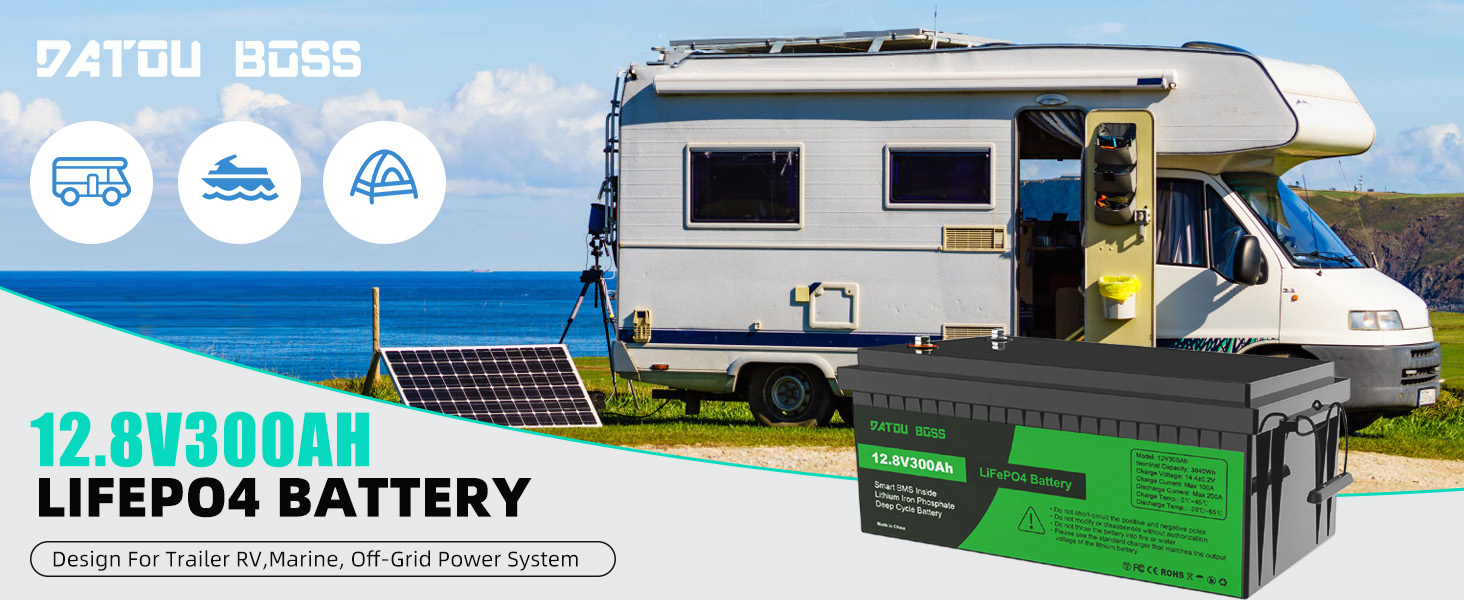
Figure 2: Illustration of the Battery Management System (BMS) protections. This image visually represents the various safety features integrated into the battery, including protection against short circuit, overvoltage, overload, reverse charge, overdischarge, overheating, overcharge, and PTC.
3. Product Overview
The DATOUBOSS 12V 300Ah LiFePO4 battery is a high-performance, deep-cycle energy storage solution. It features Grade A cells for stable performance and a long lifespan. The integrated 200A BMS provides comprehensive protection, making it a reliable choice for various power needs.
3.1 Key Features
- Integrated 200A BMS: Protects against overcharging, over-discharging, overcurrent, short circuit, high temperature, and low temperature.
- Lightweight and Compact: Weighs approximately 31kg (68.3 lbs), offering a significant weight reduction compared to traditional lead-acid batteries.
- High Energy Density: Utilizes advanced Lithium Iron Phosphate (LiFePO4) technology for superior energy density and stable power output.
- Long Cycle Life: Designed for 8000+ deep cycles, providing a service life of over 10 years.
- Expandable System: Supports up to 4 batteries in parallel and 4 in series (4P4S) for a maximum 51.2V 1200Ah system, offering up to 61,440Wh of energy.
- Environmentally Friendly: Contains no heavy metals or rare metals, making it a non-toxic and safe option.
3.2 Dimensions and Weight
Understanding the physical characteristics of the battery is important for planning installation.
- Dimensions: Approximately 21 inches (L) x 9 inches (W) x 8 inches (H) or 50 cm (L) x 25 cm (W) x 22 cm (H).
- Weight: Approximately 31kg (68.3 lbs). Please refer to the detailed specifications section for precise values, as some sources may vary.

Figure 3: Product dimensions and weight. This image illustrates the physical size of the battery, showing its length, width, and height, along with its approximate weight of 32kg (70.54lb).
4. Setup & Installation
4.1 Unpacking
Upon receiving your DATOUBOSS 12V 300Ah LiFePO4 battery, carefully inspect the packaging for any signs of damage. Open the box and ensure all contents are present and undamaged. The package should contain: 12V300Ah battery * 1.
4.2 Initial Charge
It is recommended to fully charge the battery before its first use to ensure optimal performance and calibrate the BMS.
4.3 Connection Guidelines
Ensure all connections are secure and properly insulated. Use appropriate gauge cables for your application to prevent overheating and power loss.
4.3.1 Single Battery Connection
Connect the positive terminal of the battery to the positive input of your load/inverter and the negative terminal to the negative input. Ensure correct polarity.
4.3.2 Series and Parallel Connection
The DATOUBOSS 12V 300Ah LiFePO4 battery supports connecting up to 4 batteries in parallel (4P) and up to 4 batteries in series (4S). This allows for configurations up to 4P4S, enabling higher capacity (up to 1200Ah) and higher voltage (up to 51.2V). When connecting in series or parallel, ensure all batteries are of the same model and state of charge before connection.
- Parallel Connection (Increased Capacity): Connect positive terminals together and negative terminals together. This increases the total amperage (Ah) while maintaining the same voltage (12V).
- Series Connection (Increased Voltage): Connect the positive terminal of one battery to the negative terminal of the next. This increases the total voltage while maintaining the same amperage (300Ah).
- Series-Parallel Connection (Increased Voltage and Capacity): Combine both methods to achieve desired voltage and capacity. For example, a 4P4S configuration can create a 51.2V 1200Ah system with up to 61,440Wh of energy.

Figure 4: Diagram illustrating a 4P4S battery system configuration. This image shows how multiple batteries can be connected in series and parallel to create a larger battery bank, including connections to solar panels, MPPT controller, inverter, and various loads.

Figure 5: Visual representation of multiple DATOUBOSS LiFePO4 batteries connected. This image provides a practical example of how several batteries are linked together, likely in a series or parallel configuration.
5. Operating Instructions
5.1 Charging the Battery
The DATOUBOSS LiFePO4 battery can be charged using a dedicated LiFePO4 charger, solar panels, or a generator. Always ensure the charging source provides the correct voltage and current for LiFePO4 batteries.
- LiFePO4 Charger: Use a charger specifically designed for 12V LiFePO4 batteries with an appropriate current rating.
- Solar Panels: Connect solar panels through a compatible MPPT (Maximum Power Point Tracking) or PWM (Pulse Width Modulation) charge controller designed for LiFePO4 batteries.
- Generator: If using a generator, ensure it powers a LiFePO4 compatible charger or inverter/charger.

Figure 6: Various methods for charging the LiFePO4 battery. This image displays a dedicated LiFePO4 charger, solar panels, and a generator as potential charging sources.
5.2 Discharging the Battery
The battery is designed for deep cycle applications, allowing for a high depth of discharge. The integrated BMS will manage the discharge process to prevent over-discharging and protect the battery cells.
5.3 Battery Management System (BMS)
The built-in 200A BMS is a critical component that ensures the safety and longevity of your battery. It continuously monitors various parameters and provides protection against:
- Overcharging: Prevents cells from being charged beyond their safe voltage limit.
- Over-discharging: Stops discharge before cells reach critically low voltage levels.
- Overcurrent: Limits the current drawn from the battery to prevent damage.
- Short Circuit: Immediately cuts off power in case of a short circuit.
- High Temperature: Shuts down operation if the internal temperature exceeds safe limits.
- Low Temperature: Prevents charging at temperatures too low, which can damage LiFePO4 cells.
In case of a protection event, the BMS will temporarily shut down the battery. It will automatically reset and allow operation once the fault condition is corrected and the battery parameters return to safe levels.
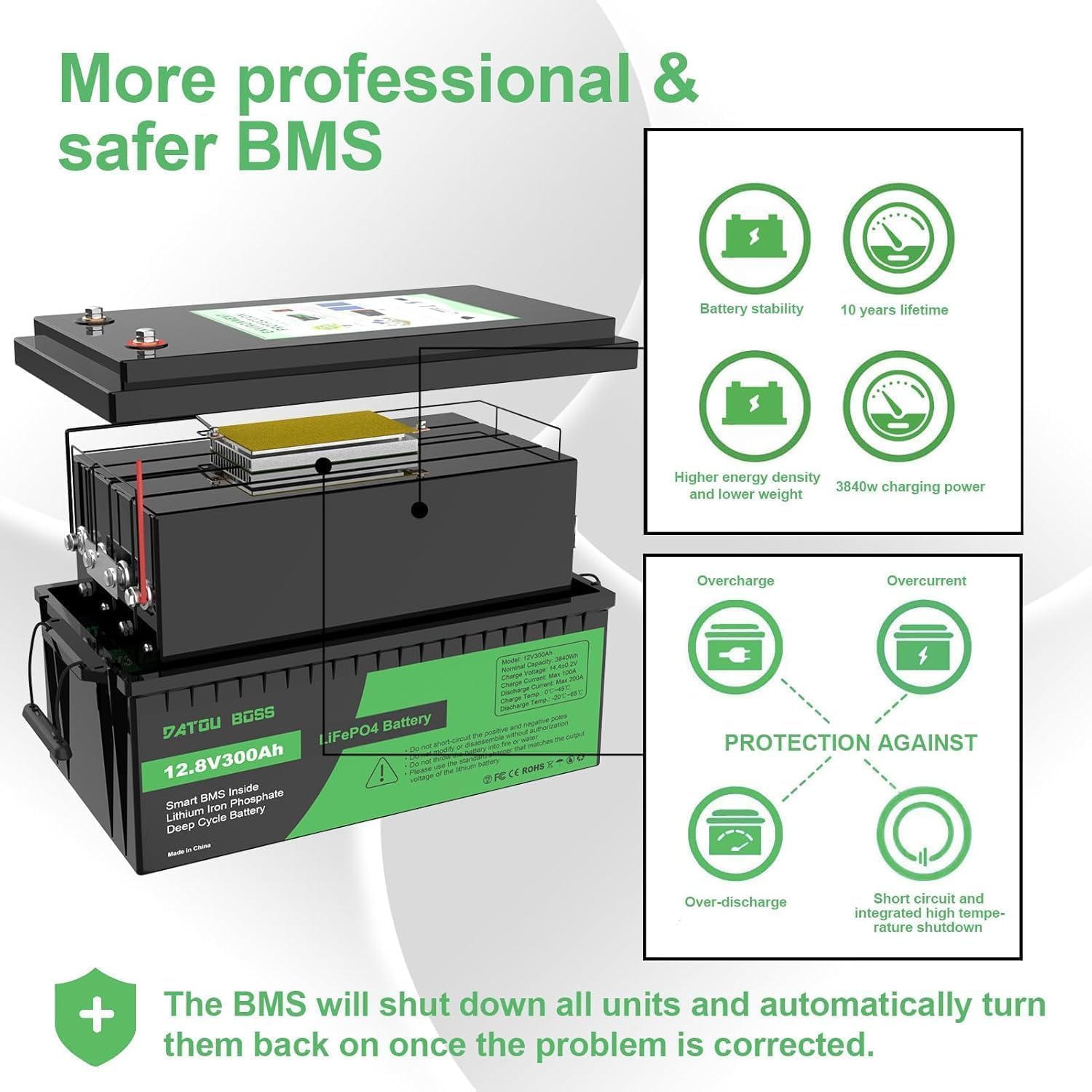
Figure 7: Detailed view of the BMS and its protective functions. This image highlights the internal structure and the various protections offered by the BMS, such as overcharge, overcurrent, over-discharge, and short circuit/high temperature shutdown.
6. Maintenance
LiFePO4 batteries require minimal maintenance compared to lead-acid batteries. However, following these guidelines will help maximize their lifespan and performance.
- Regular Inspection: Periodically check battery terminals for corrosion or loose connections. Clean terminals if necessary using a wire brush and ensure they are tightened securely.
- Cleaning: Keep the battery surface clean and dry. Use a damp cloth to wipe away dust or dirt. Do not use harsh chemicals or abrasive cleaners.
- Storage: If storing the battery for an extended period, ensure it is charged to approximately 50-70% State of Charge (SoC) and stored in a cool, dry place away from direct sunlight and extreme temperatures. Avoid storing in a fully discharged state.
- Temperature Management: While the BMS protects against extreme temperatures, operating and storing the battery within its recommended temperature range (typically 0°C to 45°C for charging, -20°C to 65°C for discharging) will prolong its life.
7. Troubleshooting
If you encounter issues with your DATOUBOSS LiFePO4 battery, refer to the following common problems and solutions. The integrated BMS is designed to protect the battery, and many issues may be related to its activation.
| Problem | Possible Cause | Solution |
|---|---|---|
| Battery not charging |
|
|
| Battery not discharging (no power output) |
|
|
| Battery overheating |
|
|
If the problem persists after attempting these solutions, please contact DATOUBOSS customer support for further assistance.
8. Specifications
| Feature | Detail |
|---|---|
| Model | 12V300Ah |
| Nominal Voltage | 12.8V |
| Nominal Capacity | 300Ah |
| Energy | 3840Wh |
| Built-in BMS | 200A |
| Max Continuous Charge Current | 200A |
| Max Continuous Discharge Current | 200A |
| Cycle Life | 8000+ cycles (at 80% DoD) |
| Operating Temperature (Charge) | 0°C to 45°C (32°F to 113°F) |
| Operating Temperature (Discharge) | -20°C to 65°C (-4°F to 149°F) |
| Dimensions (L x W x H) | 21 x 9 x 8 inches (approx. 53.3 x 22.9 x 20.3 cm) |
| Weight | Approx. 23.4 pounds (10.6 kg) / 31kg (68.3 lbs) / 32kg (70.54 lbs) - Note: Refer to product label for exact weight. |
| Max System Expansion | 4P4S (Max 51.2V 1200Ah, 61,440Wh) |
9. Warranty & Support
9.1 Warranty Information
The DATOUBOSS 12V 300Ah LiFePO4 battery comes with a 5-year protection period, ensuring peace of mind regarding its quality and performance. This warranty covers defects in materials and workmanship under normal use. Please retain your proof of purchase for warranty claims.
With a design life expectancy of over 10 years and 8000+ deep cycles, this battery is built for long-term reliability.

Figure 8: Summary of key features including 5 Years Protection and 4000+ Cycles. This image visually reinforces the product's durability and warranty period.
9.2 Customer Support
For any questions, technical assistance, or warranty claims, please contact DATOUBOSS customer support. We offer 24-hour technical support to ensure you receive timely help.
Contact information can typically be found on the product packaging, the official DATOUBOSS website, or through your point of purchase.
Related documents12V300Ah


Ask a question about this manual
Ask about setup, troubleshooting, compatibility, parts, safety, or missing instructions. Manuals+ will review the question and use this page’s manual context to help answer it.