1. Introduction
This manual provides detailed instructions for the installation, operation, and maintenance of the Generic TX628-WIFI Fingerprint Time Attendance System. This device is designed to accurately record employee attendance using fingerprint recognition, RFID cards, or PINs, and offers various data management options including TCP/IP, USB, and WiFi connectivity.
2. Product Overview
2.1 Key Features
- Color TFT screen with Graphical User Interface (GUI) for intuitive operation.
- One-touch user recognition for quick attendance logging.
- Storage capacity for 3,200 fingerprint templates and 80,000 transaction records.
- Supports multiple identification methods: Fingerprint, RFID Card, or PIN.
- Integrated 125KHZ RFID card reader.
- Connectivity options: RS232/485, TCP/IP, and built-in USB port for data transfer.
- WiFi functionality for wireless network integration.
- Built-in bell scheduling for customizable alerts.
- Real-time one-touch data export for third-party applications.
- Audio-visual indications for successful or failed attendance attempts.
- Voice broadcast function to confirm clock-in/out status and display employee information.
- Automatic calculation of working hours.
2.2 Components and Interface
The TX628-WIFI system includes the main attendance device, a power adapter, and a USB cable. Familiarize yourself with the device's front panel, rear panel, and connectivity ports.

Figure 2.2.1: Front View of the TX628-WIFI Device. This image displays the front panel of the time attendance system, featuring the color TFT screen, numerical keypad, function buttons, fingerprint scanner, and integrated speaker.

Figure 2.2.2: Side View of the TX628-WIFI Device. This image shows the side profile of the time attendance system, highlighting its compact design.

Figure 2.2.3: Angled View of the TX628-WIFI Device. This image provides an angled perspective of the device, showcasing the screen, keypad, and fingerprint scanner from a different viewpoint.
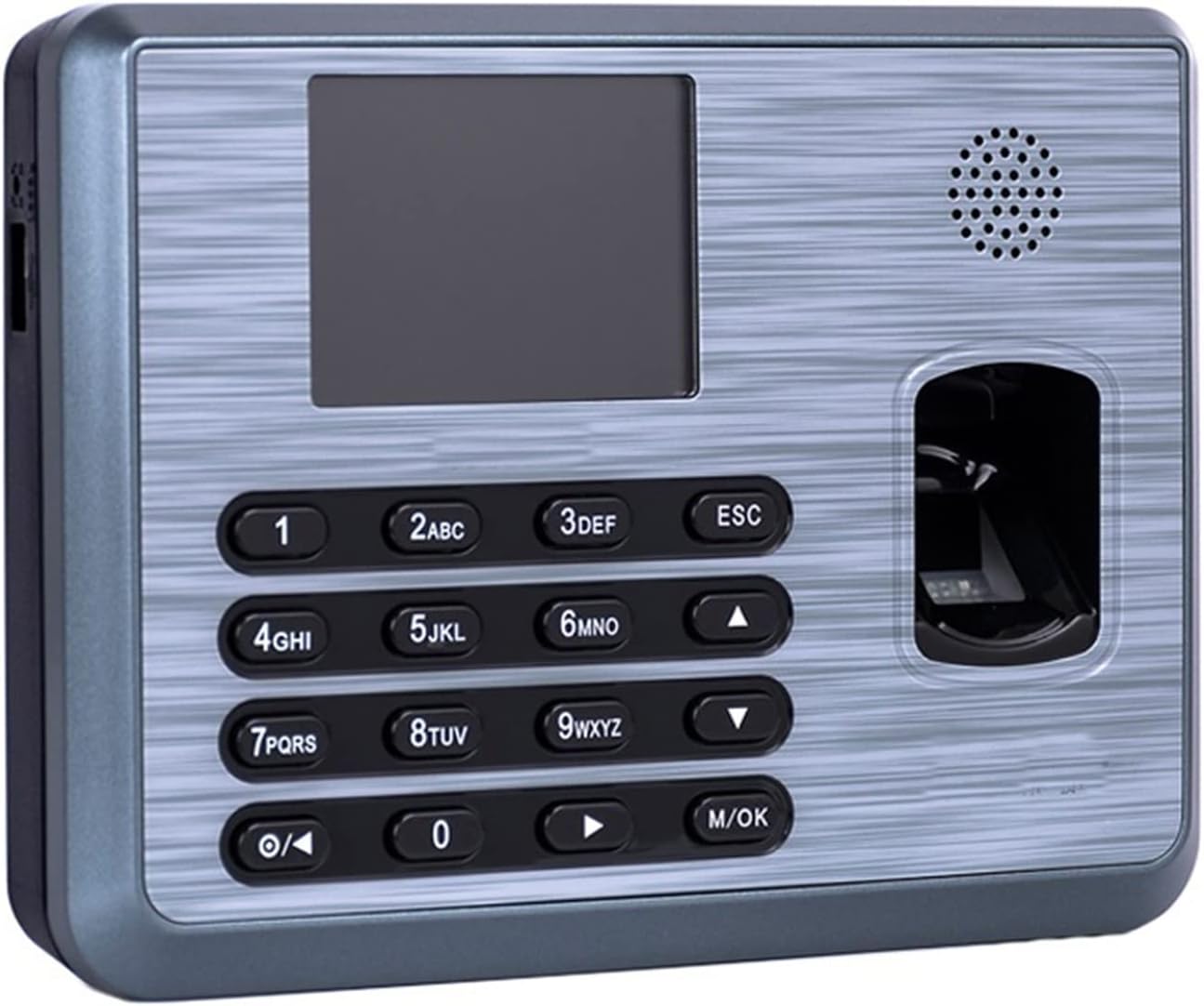
Figure 2.2.4: Alternate Angled View of the TX628-WIFI Device. This image offers another angled view, emphasizing the overall form factor and button layout.

Figure 2.2.5: TX628-WIFI with WiFi Indication. This image highlights the device's WiFi capability, showing the main screen with a WiFi logo overlay.
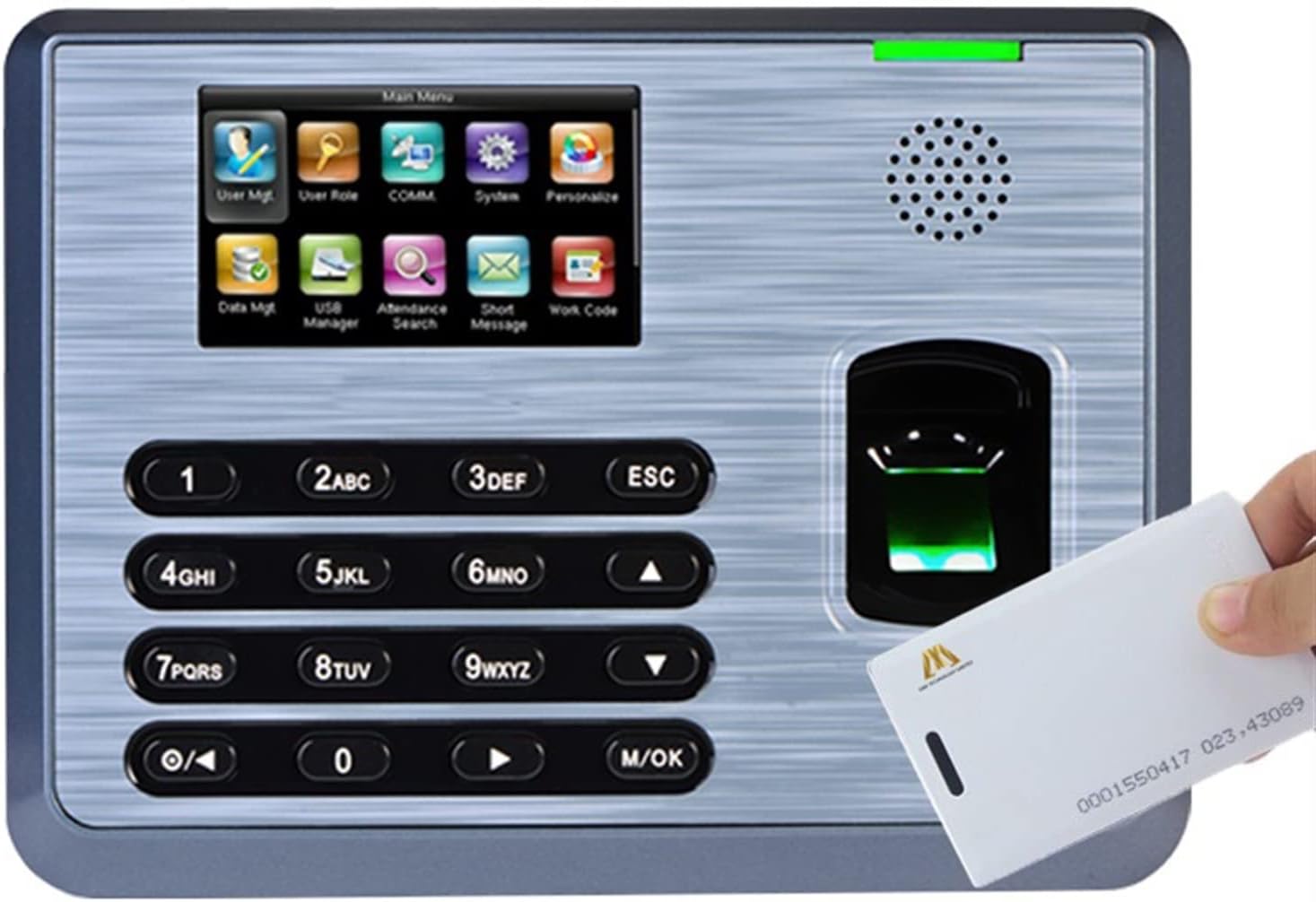
Figure 2.2.6: Rear View of the TX628-WIFI Device. This image displays the back panel of the time attendance system, including mounting holes, product labels, and port covers for power and communication.
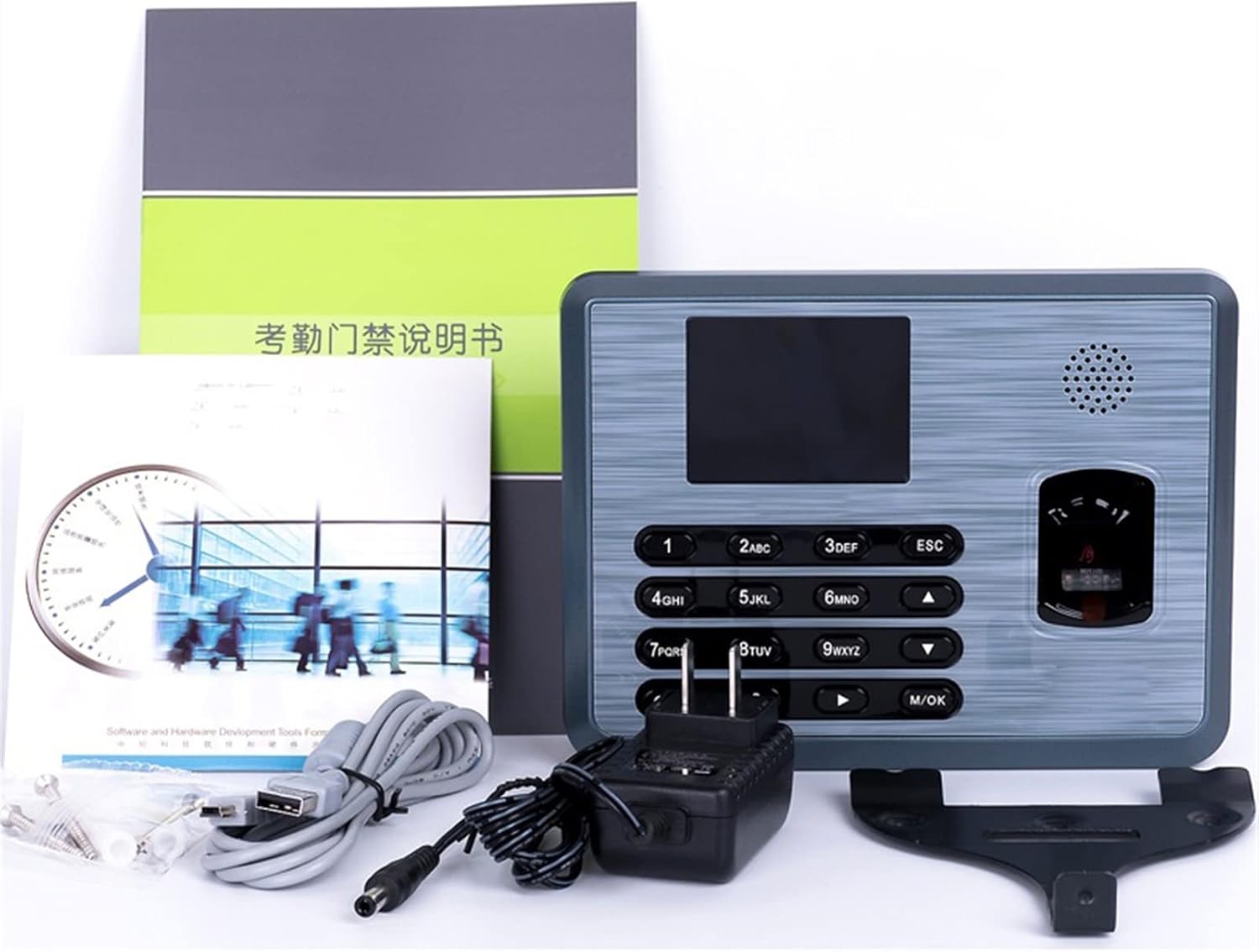
Figure 2.2.7: RFID Card Usage Demonstration. This image illustrates an RFID card being presented to the device for attendance recording, showcasing the card reader functionality.
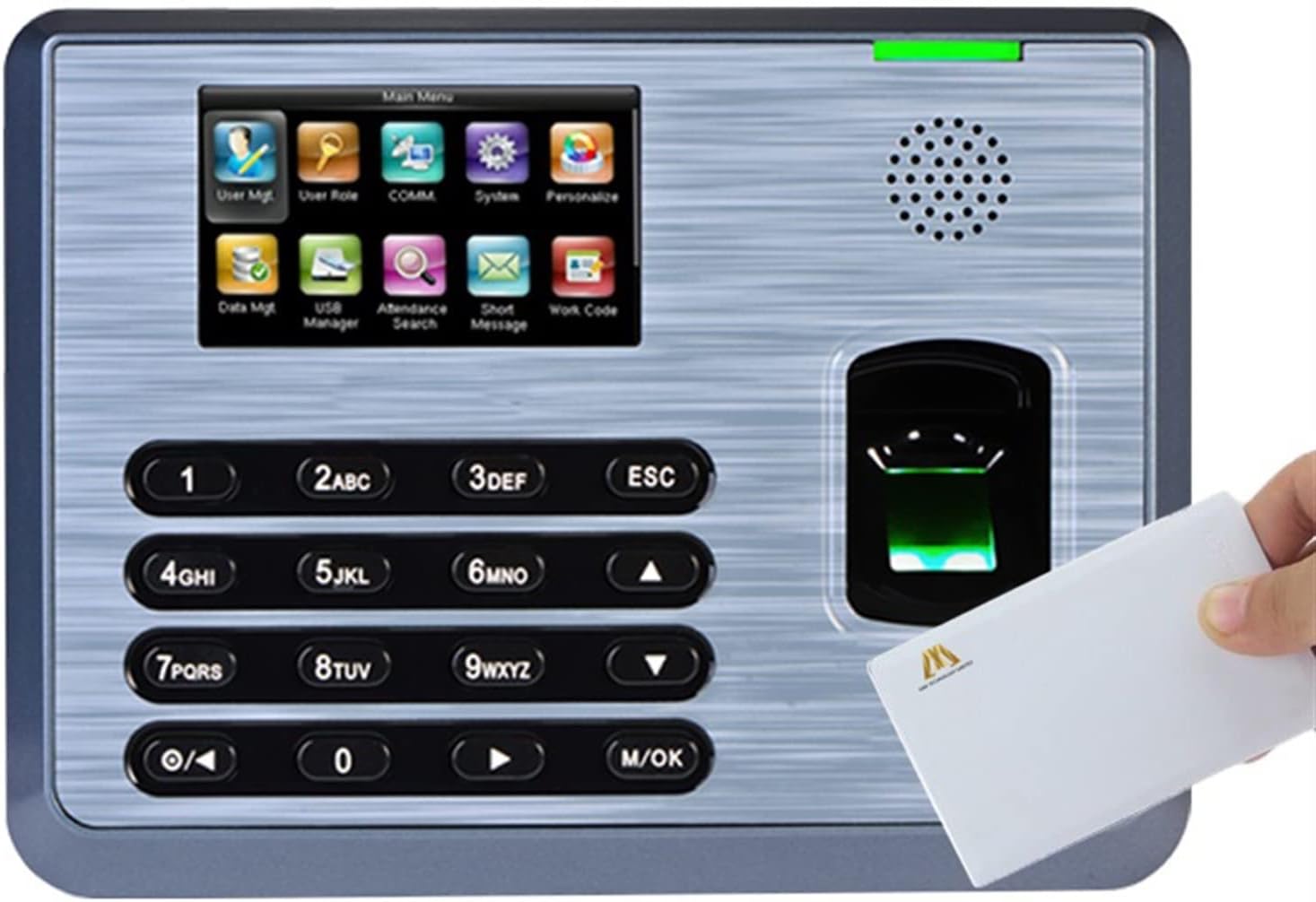
Figure 2.2.8: Package Contents. This image shows the complete package contents, including the TX628-WIFI device, power adapter, USB cable, mounting bracket, and user manual.
3. Setup
3.1 Mounting the Device
- Choose a suitable location for installation, ensuring it is easily accessible for employees and protected from direct sunlight or moisture.
- Use the provided mounting bracket as a template to mark drilling points on the wall.
- Drill holes and insert wall plugs if necessary.
- Secure the mounting bracket to the wall using screws.
- Attach the TX628-WIFI device to the mounting bracket.
3.2 Power Connection
- Connect the provided 5V DC 2A power adapter to the power input port on the device.
- Plug the power adapter into a standard electrical outlet. The device will power on automatically.
3.3 Network Configuration (TCP/IP or WiFi)
The TX628-WIFI supports both wired (TCP/IP) and wireless (WiFi) network connections for data transfer to management software.
3.3.1 Wired Connection (TCP/IP)
- Connect an Ethernet cable from the device's Ethernet port to your network router or switch.
- Access the device's system settings via the menu.
- Navigate to "COMM" (Communication) settings and configure the IP address, subnet mask, and gateway according to your network's requirements. You may use DHCP or assign a static IP.
3.3.2 Wireless Connection (WiFi)
- From the main menu, navigate to "System" then "Network Settings" or "WiFi Settings".
- Enable WiFi and scan for available networks.
- Select your desired WiFi network and enter the password.
- Confirm the connection. The device should display a successful connection status.
4. Operating Instructions
4.1 User Management
Before employees can record attendance, their information and biometric data must be enrolled in the system.
4.1.1 Enrolling a New User
- From the main menu, select "User Mgt" (User Management).
- Choose "New User" or "Add User".
- Enter a unique User ID (e.g., employee number).
- Enter the employee's name using the keypad.
- Fingerprint Enrollment: Select "Enroll Finger" and follow the on-screen prompts to place the employee's finger on the scanner multiple times until enrollment is successful.
- RFID Card Enrollment: Select "Enroll Card" and present the RFID card to the reader until it is registered.
- PIN Enrollment: Optionally, set a PIN for the user.
- Save the user information.
4.1.2 Modifying User Information
- From "User Mgt", select "Manage User".
- Find the user by User ID or name.
- Select the user and choose to modify their fingerprint, card, PIN, or other details.
- Save changes.
4.1.3 Deleting a User
- From "User Mgt", select "Manage User".
- Find the user to be deleted.
- Select the user and choose "Delete". Confirm the action.
4.2 Recording Attendance
Employees can record their attendance using their enrolled fingerprint, RFID card, or PIN.
4.2.1 Fingerprint Recognition
- Place an enrolled finger firmly on the fingerprint scanner.
- The device will provide an audio-visual confirmation (e.g., "Thank you" and green light) upon successful recognition.
4.2.2 RFID Card Recognition
- Present an enrolled RFID card to the card reader area on the device.
- The device will provide an audio-visual confirmation upon successful recognition.
4.2.3 PIN Recognition
- Press the "M/OK" button to access the menu.
- Enter your User ID using the keypad.
- Press "M/OK", then enter your PIN.
- Press "M/OK" again to confirm. The device will provide audio-visual confirmation.
4.3 Data Management
Attendance records can be exported for further processing using management software.
4.3.1 Exporting Data via USB
- Insert a USB flash drive into the device's USB port.
- From the main menu, select "Data Mgt" (Data Management).
- Choose "Download Attendance Data" or "Export Data".
- Select the desired date range for the data export.
- Confirm the export. The data will be saved to the USB drive in a compatible format.
4.3.2 Real-time Data Transfer (TCP/IP or WiFi)
- Ensure the device is properly connected to your network (refer to Section 3.3).
- Install the compatible attendance management software on your computer.
- Configure the software to connect to the device using its IP address.
- The software can then download attendance records in real-time or on demand.
5. Maintenance
- Cleaning: Regularly wipe the fingerprint scanner and screen with a soft, dry, lint-free cloth. Avoid using abrasive cleaners or solvents.
- Environment: Operate the device within the specified temperature range of 0°C to 45°C and humidity of 20% to 80%. Protect it from direct sunlight, dust, and moisture.
- Data Backup: Periodically back up attendance data to an external storage device or your management software to prevent data loss.
- Firmware Updates: Check the manufacturer's website for any available firmware updates to ensure optimal performance and security.
6. Troubleshooting
6.1 Common Issues and Solutions
| Issue | Possible Cause | Solution |
|---|---|---|
| Device does not power on. | Power adapter not connected or faulty; power outlet issue. | Check power adapter connection. Try a different power outlet. Ensure the adapter is 5V DC 2A. |
| Fingerprint recognition fails frequently. | Finger is dirty, wet, or scarred; fingerprint not properly enrolled; scanner is dirty. | Ensure finger is clean and dry. Re-enroll fingerprint if necessary, trying different angles. Clean the fingerprint scanner. |
| RFID card not recognized. | Card not enrolled; card is damaged; incorrect card type (e.g., not 125KHZ). | Ensure the card is enrolled. Try a different enrolled card. Verify the card type is compatible. |
| Cannot connect to network (TCP/IP or WiFi). | Incorrect network settings; cable issue (for TCP/IP); incorrect WiFi password; network interference. | Verify IP address, subnet mask, gateway, and DNS settings. Check Ethernet cable. Re-enter WiFi password. Ensure device is within WiFi range. |
| Data export fails via USB. | USB drive not formatted correctly; USB drive is full or faulty. | Ensure USB drive is formatted to FAT32. Try a different USB drive. |
7. Specifications
| Feature | Detail |
|---|---|
| Fingerprint Capacity | 3200 templates |
| Card Capacity | 10000 |
| Transaction Capacity | 80,000 records |
| Hardware Platform | ZEM510 |
| Sensor | Optical Sensor |
| Algorithm Version | Finger v10.0 |
| Communication | RS232/485, TCP/IP, USB, WiFi |
| Display | 3-inch TFT Screen |
| Power Supply | 5V DC 2A |
| Operating Temperature | 0°C - 45°C (32°F - 113°F) |
| Operating Humidity | 20% - 80% (non-condensing) |
| Dimensions | Approximately 1"W x 1"H (Note: This dimension seems generic and might not be accurate for the actual device. Refer to product packaging for precise dimensions.) |
| Item Weight | 1000 Grams (2.2 pounds) |
| Material | Metal |
8. Warranty and Support
For warranty information, please refer to the documentation included with your purchase or contact the retailer. For technical support, please reach out to the manufacturer or your point of purchase. Keep your purchase receipt and model number (TX628-WIFI) readily available when seeking support.
The product is manufactured by AOTAODIANZISHANGWU.


