
1. Introduction
This manual provides detailed instructions for the installation, operation, and maintenance of your new FTYHFEFH carburetor. This carburetor is designed as a direct replacement component for specific Briggs & Stratton engine models, ensuring compatibility and optimal performance when installed correctly. Please read all instructions carefully before proceeding with installation or operation.
Compatible Briggs & Stratton Engine Models:
- 460707
- 460777
- 461707
- 461777
- 463707
2. Safety Information
Always prioritize safety when working with engine components. Ensure the engine is turned off and cooled down before beginning any work. Disconnect the spark plug wire to prevent accidental starting. Wear appropriate personal protective equipment, including safety glasses and gloves. Work in a well-ventilated area.
3. Setup and Installation
This carburetor is manufactured to original specifications for optimal performance and is designed for a simple installation process, typically requiring no special tools for replacement. However, basic mechanical knowledge is recommended.
3.1. Preparation
- Ensure the engine is off and cool.
- Disconnect the spark plug wire.
- Turn off the fuel supply valve, if present, or clamp the fuel line.
- Place a suitable container under the carburetor to catch any spilled fuel.
3.2. Removal of Old Carburetor
- Carefully disconnect the fuel line from the old carburetor.
- Disconnect any linkages or springs attached to the carburetor (e.g., throttle, choke). Note their positions for reassembly.
- Remove the mounting bolts or nuts that secure the carburetor to the engine intake manifold.
- Gently remove the old carburetor and any gaskets. Inspect the intake manifold for debris or damage.
3.3. Installation of New Carburetor
- Ensure the mating surfaces are clean. Install new gaskets (if provided) between the carburetor and the engine intake manifold, and between the carburetor and the air filter housing.
- Position the new FTYHFEFH carburetor onto the mounting studs or bolts.
- Secure the carburetor with the mounting bolts/nuts, tightening them evenly to prevent air leaks. Do not overtighten.
- Reconnect all linkages and springs to their correct positions. Refer to your notes or photos taken during disassembly.
- Reconnect the fuel line to the carburetor. Ensure a secure, leak-free connection.
- Reconnect the spark plug wire.

Figure 1: Angled view of the FTYHFEFH carburetor, highlighting the fuel inlet and throttle linkage points. This view is useful for identifying connection points during installation.

Figure 2: Side view of the FTYHFEFH carburetor, illustrating the main body and mounting flange. This perspective helps in understanding how the carburetor attaches to the engine.

Figure 3: Opposite side view of the FTYHFEFH carburetor, detailing the choke mechanism and additional linkages. This image is helpful for correctly connecting the choke control.
4. Operating Instructions
After successful installation, the engine should be ready for operation. The FTYHFEFH carburetor is designed to meet OEM standards, providing optimal fuel-air mixture for your Briggs & Stratton engine.
4.1. Initial Start-up
- Open the fuel supply valve.
- Engage the choke (if applicable and required for cold start).
- Start the engine according to the engine manufacturer's instructions.
- Once the engine starts, gradually disengage the choke as the engine warms up.
4.2. Adjustments (if necessary)
This carburetor is typically pre-set from the factory. However, minor adjustments may be required for optimal performance depending on altitude and specific engine conditions. Refer to your engine's service manual for specific carburetor adjustment procedures, such as idle speed or mixture screws, if present and adjustable.
5. Maintenance
Regular maintenance ensures the longevity and reliable performance of your FTYHFEFH carburetor. Its durable metal construction contributes to an extended product lifespan when properly cared for.
5.1. Fuel System Care
- Always use fresh, clean fuel. Stale or contaminated fuel is a primary cause of carburetor issues.
- Consider using a fuel stabilizer, especially during periods of storage.
- Regularly check and clean or replace the fuel filter as recommended by your engine manufacturer.
5.2. Carburetor Cleaning
- If performance issues arise due to fuel contamination, the carburetor may need cleaning. This typically involves disassembling the carburetor, cleaning jets and passages with carburetor cleaner, and replacing gaskets.
- Consult a qualified technician or your engine's service manual for detailed carburetor cleaning procedures.
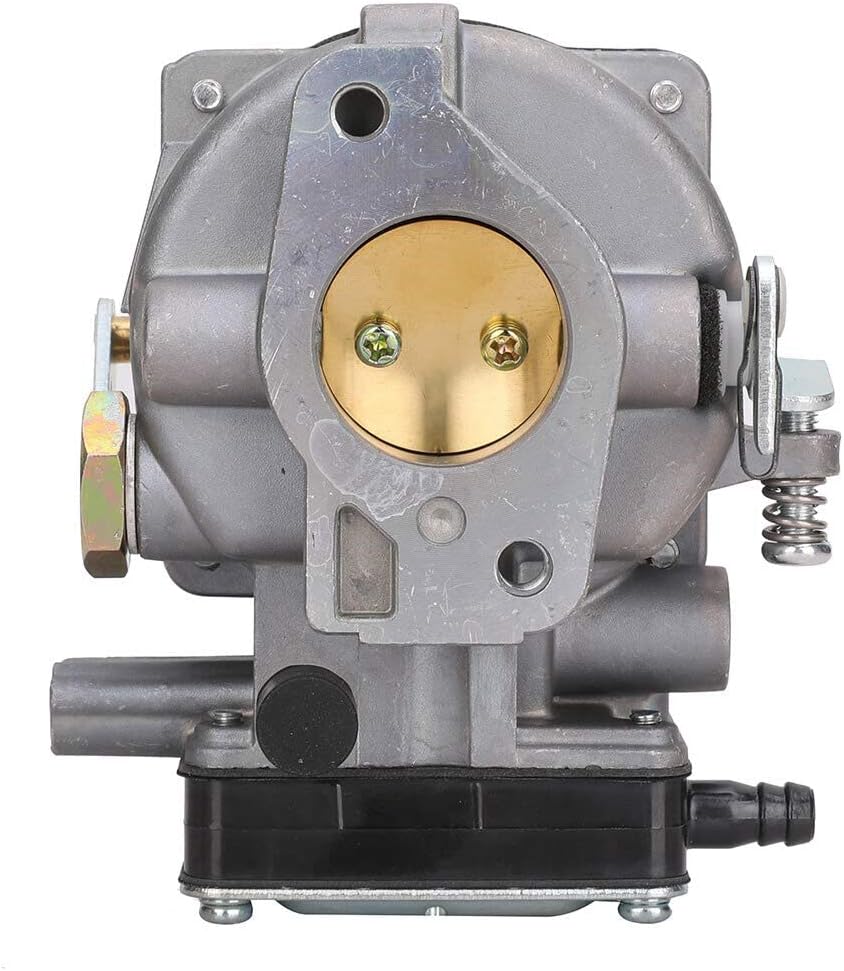
Figure 4: Front view of the FTYHFEFH carburetor, showing the air intake opening where it connects to the air filter assembly. Keeping this area clean is vital for proper engine function.

Figure 5: Rear view of the FTYHFEFH carburetor, displaying the connection point to the engine's intake manifold. Proper sealing here is crucial to prevent vacuum leaks.
6. Troubleshooting
If your engine experiences issues after carburetor replacement, consider the following common troubleshooting steps:
- Engine Not Starting:
- Check fuel supply: Ensure the fuel tank has fresh fuel and the fuel valve is open.
- Spark plug: Inspect the spark plug for fouling or damage.
- Choke operation: Verify the choke is functioning correctly for cold starts.
- Air filter: A clogged air filter can restrict airflow.
- Rough Idle or Poor Performance:
- Vacuum leaks: Check all carburetor mounting bolts and gaskets for proper sealing.
- Fuel quality: Ensure fresh, clean fuel is being used.
- Fuel filter: A partially clogged fuel filter can restrict fuel flow.
- Adjustments: If adjustable, fine-tune idle speed or mixture screws according to engine specifications.
- Fuel Leaks:
- Check fuel line connections for tightness and condition.
- Inspect carburetor gaskets for proper seating and damage.
- Ensure the float bowl is properly sealed.
If issues persist, it is recommended to consult a qualified small engine technician.
7. Specifications
- Brand: FTYHFEFH
- Product Type: Replacement Carburetor
- Compatibility: Briggs & Stratton Engine Models 460707, 460777, 461707, 461777, 463707
- Construction: Durable Metal
- Standard: Manufactured to OEM specifications
- UPC: 779603370956
- ASIN: B0F8B7Y541
- GTIN: 779603370956
8. Warranty Information
For specific warranty details regarding your FTYHFEFH carburetor, please refer to the documentation provided at the time of purchase or contact the seller directly. Warranty terms typically cover manufacturing defects under normal use.
9. Customer Support
If you require further assistance with installation, troubleshooting, or have questions about your FTYHFEFH carburetor, please contact the seller or retailer from whom you purchased the product. They can provide product-specific support and guidance.