
DAEWOO DASR40
DAEWOO SR40 Self-Priming Water Pump - 4-Stroke Engine Instruction Manual
Model: DASR40 | Brand: DAEWOO
Introduction
The DAEWOO SR40 self-priming water pump is designed for efficient and portable water pumping in various applications, including agricultural, domestic, and emergency situations. Its robust 4-stroke engine, self-priming design, and reinforced chassis ensure reliable performance and durability. This manual provides essential information for the safe and effective operation and maintenance of your DAEWOO SR40 water pump.
Product Overview
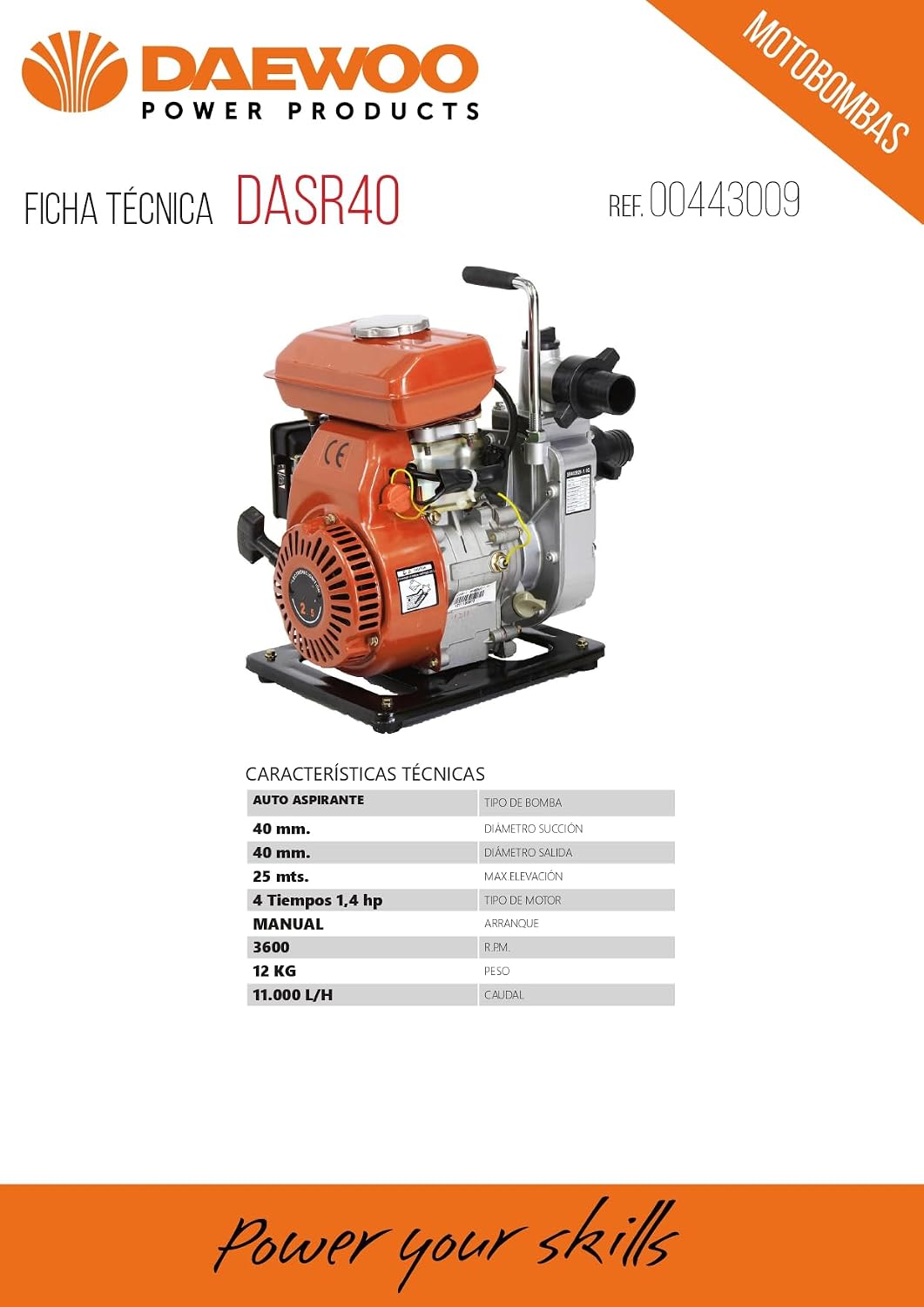
Figure 1: DAEWOO SR40 Self-Priming Water Pump
This image displays the DAEWOO SR40 self-priming water pump from a front-side angle, highlighting its compact design and key components such as the engine and pump housing. The pump is mounted on a sturdy black frame.
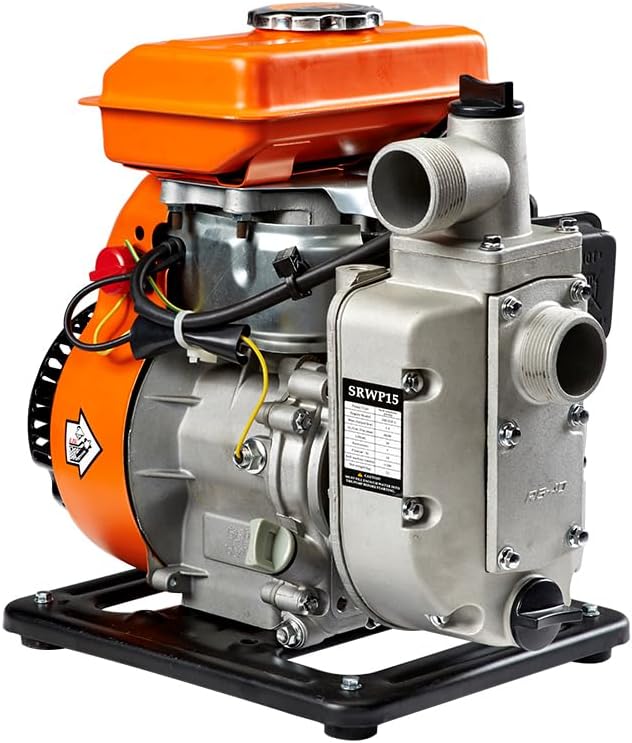
Figure 2: DAEWOO SR40 Water Pump Side View
A side view of the DAEWOO SR40 water pump, showing the red engine casing, the fuel tank, and the pump mechanism. The robust frame is visible, providing stability.
Specifications
| Feature | Specification |
|---|---|
| Pump Type | Self-priming |
| Engine Type | 4-stroke, single-cylinder, horizontal shaft, side valves |
| Power | 2.5 HP |
| Revolutions | 3,600 rpm |
| Fuel Tank Capacity | 110 cc |
| Maximum Suction | 7 m |
| Maximum Flow Rate | 11,000 L/h |
| Safety System | Oil alert |
| Chassis | Reinforced with anti-vibration pads |
| Material | Stainless Steel |
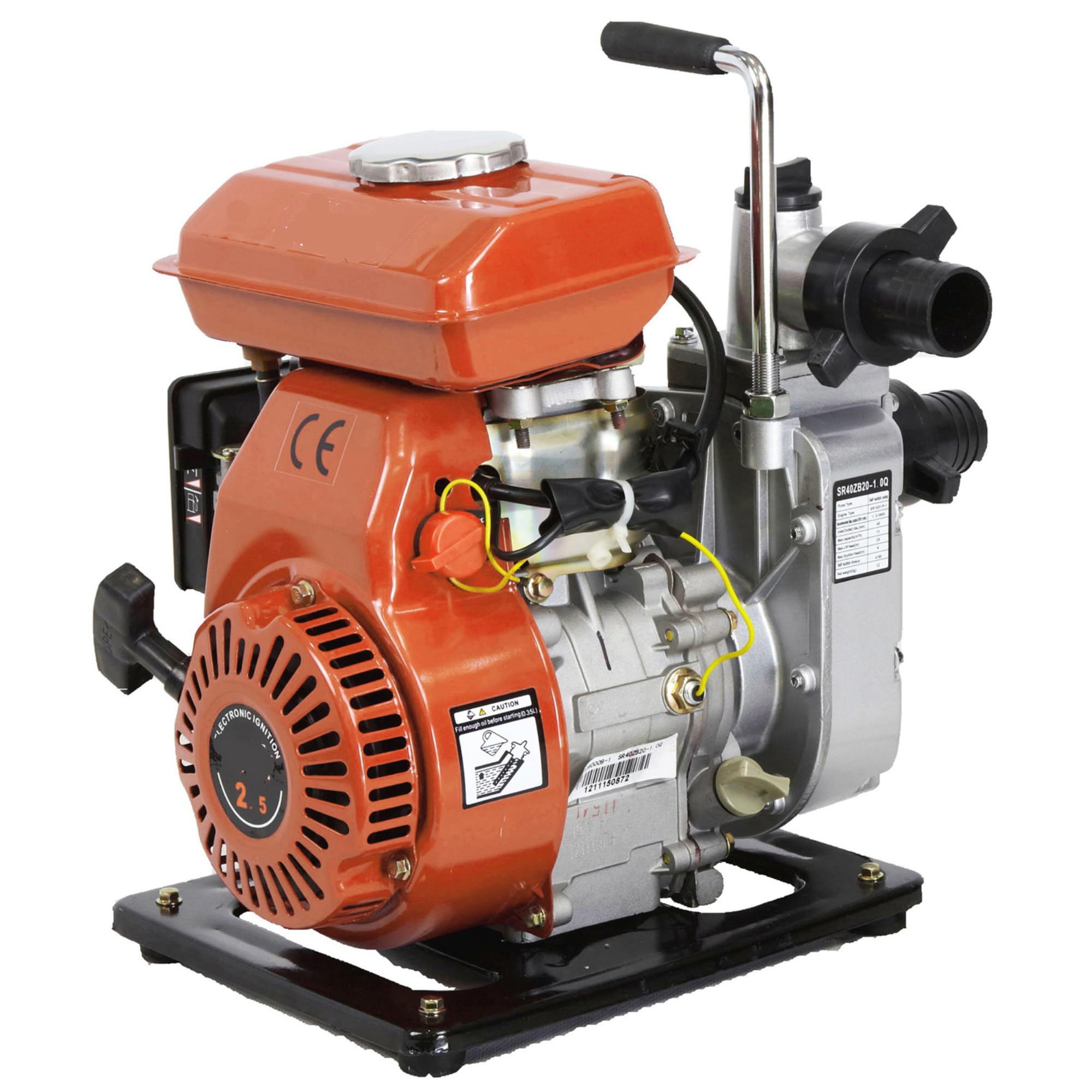
Figure 3: Technical Data Sheet for DAEWOO SR40
This image shows the technical data sheet for the DAEWOO SR40, detailing specifications such as pump type, suction diameter, discharge diameter, maximum elevation, engine type, RPM, weight, and flow rate.
Safety Information
Always read and understand this manual before operating the pump. Failure to follow instructions can result in serious injury or property damage.
- Ensure the pump is placed on a stable, level surface to prevent tipping.
- Operate the pump in a well-ventilated area to avoid carbon monoxide poisoning.
- Keep children and pets away from the operating pump.
- Do not refuel while the engine is running or hot.
- Always check the oil level before each use. The integrated oil alert system will stop the engine if oil levels are too low, but regular checks are crucial.
- Wear appropriate personal protective equipment (PPE) such as gloves and eye protection.
- Do not pump flammable liquids.
- Ensure all connections are secure to prevent leaks.
Setup
1. Attaching Connections
The pump comes with necessary fittings for the inlet and outlet. Securely attach the provided connectors to the pump's suction and discharge ports. Ensure a tight seal to prevent air leaks, which can affect priming and performance.
Video 1: Motobomba Setup and Operation (Example)
This video demonstrates the general setup and operation of a water pump, including attaching hoses and preparing for use. While not specific to the SR40 model, it illustrates common procedures.
2. Fuel and Oil Filling
Before starting, fill the engine with appropriate 4-stroke engine oil and the fuel tank with unleaded gasoline (95 octane or higher). Refer to the engine's oil dipstick for correct oil level. Do not overfill.
Video 2: Gasoline Water Pump Presentation (Example)
This video provides a general presentation of a gasoline water pump, which may include steps for adding fuel and oil. Consult your specific model's instructions for exact procedures.
3. Priming the Pump
As a self-priming pump, the SR40 typically requires the pump casing to be filled with water before the first start or if it has run dry. Remove the priming cap on top of the pump casing and fill it with water until full. Replace the cap securely.
Video 3: 4-Stroke Gasoline Water Pump (Example)
This video showcases a 4-stroke gasoline water pump, potentially demonstrating the priming process or other setup steps. Always refer to the DAEWOO SR40 manual for precise instructions.
4. Suction Hose Installation
Connect the suction hose to the inlet port. Ensure the end of the suction hose is equipped with a filter to prevent debris from entering the pump. Position the filter end in the water source, ensuring it is fully submerged and clear of the bottom to avoid drawing in sediment.
Video 4: Suction Hose Installation (Example)
This video demonstrates the installation of a 7-meter suction hose with PVC terminals, which is a common accessory for water pumps. Proper hose connection is vital for pump efficiency.
Operating Instructions
1. Starting the Engine
Ensure the fuel valve is open and the engine switch is in the "ON" position. If the engine is cold, engage the choke. Pull the recoil starter handle firmly until the engine starts. Once started, gradually disengage the choke.
Video 5: Gasoline Water Pump Operation (Example)
This video shows the operation of a gasoline water pump, including starting procedures. Follow the specific starting instructions for your DAEWOO SR40 model.
2. Pumping Water
Once the engine is running smoothly, the pump will begin to draw water. Monitor the water flow and ensure the suction hose remains submerged. Adjust the engine speed as needed for the desired flow rate.
3. Stopping the Engine
To stop the engine, move the engine switch to the "OFF" position and close the fuel valve.
Maintenance
Regular maintenance is crucial for the longevity and optimal performance of your DAEWOO SR40 water pump.
- Engine Oil: Check oil level before each use. Change oil after the first 20 hours of operation, then every 50 hours or annually.
- Air Filter: Clean the air filter every 25 hours or more frequently in dusty conditions. Replace if damaged.
- Spark Plug: Inspect the spark plug every 100 hours. Clean or replace as necessary.
- Fuel Filter: Inspect and clean the fuel filter periodically.
- Pump Casing: After each use, especially when pumping dirty water, flush the pump casing with clean water to remove any debris.
- Storage: For long-term storage, drain all fuel from the tank and carburetor. Remove the spark plug and pour a small amount of engine oil into the cylinder, then pull the starter cord a few times to distribute the oil.
Troubleshooting
| Problem | Possible Cause | Solution |
|---|---|---|
| Engine does not start | No fuel, engine switch OFF, low oil, choke not set, fouled spark plug. | Check fuel level, turn engine switch ON, add oil, adjust choke, clean/replace spark plug. |
| Pump does not prime or deliver water | Pump casing not filled, air leak in suction line, clogged suction filter, suction lift too high. | Fill pump casing, check all connections for tightness, clean suction filter, reduce suction lift. |
| Reduced water flow | Clogged filter, partially blocked hose, worn impeller. | Clean filter, check hoses for kinks/blockages, inspect impeller for wear. |
| Engine stops during operation | Low oil level (oil alert activated), out of fuel, overheating. | Check/add oil, refuel, allow engine to cool and check for obstructions. |
Warranty and Support
For warranty information, technical support, or spare parts, please contact your authorized DAEWOO dealer or visit the official DAEWOO Power Products website. Keep your purchase receipt as proof of purchase for warranty claims.
Related documentsDASR40


Ask a question about this manual
Ask about setup, troubleshooting, compatibility, parts, safety, or missing instructions. Manuals+ will review the question and use this page’s manual context to help answer it.