
Wagner O21090
Wagner Oxygen Sensor O21090 User Manual
Model: O21090 | Brand: Wagner
Introduction
The Wagner Oxygen Sensor O21090 is engineered to provide precise oxygen level readings in your vehicle's exhaust system. This sensor is crucial for maintaining optimal engine performance, fuel efficiency, and reduced emissions. It is designed to meet OE specifications for form, fit, and function, ensuring reliable operation and a long service life.
Key features include:
- Built to Last: Application-specific, four-layer chip design reduces cracking due to thermal expansion for extended durability.
- Easy to Install: Features an easy-to-install connector and threads with anti-seize compound to facilitate future service.
- Optimal Engine Performance: Correct fuel control helps reduce emissions, maintain fuel economy, and contributes to overall engine efficiency.
- OE-Style Replacement: Designed to meet application requirements for seamless integration and performance.
- Real-World Tested: Parts are tested on-vehicle on select applications and validated to ensure optimal performance on the road.
What's in the Box
Your package should contain the following:
- One Wagner Oxygen Sensor O21090
Setup and Installation
Installation of an oxygen sensor typically requires specific tools and technical knowledge. It is highly recommended that installation be performed by a qualified automotive technician.
- Safety First: Ensure the vehicle's engine is cool and the battery is disconnected before beginning any work. Use appropriate personal protective equipment.
- Locate the Old Sensor: Identify the oxygen sensor to be replaced. Refer to your vehicle's service manual for exact locations.
- Disconnect Electrical Connector: Carefully disconnect the electrical connector from the old sensor.
- Remove Old Sensor: Use a specialized oxygen sensor socket or wrench to remove the old sensor from the exhaust system. Note that sensors can be very tight due to heat and corrosion.
- Prepare New Sensor: The Wagner O21090 sensor comes with anti-seize compound pre-applied to the threads. Do not apply additional grease or anti-seize to the sensor tip.
- Install New Sensor: Carefully thread the new sensor into the exhaust bung by hand to prevent cross-threading. Tighten to the manufacturer's specified torque using the appropriate tool.
- Connect Electrical Connector: Reconnect the electrical connector securely. Ensure it clicks into place.
- Reconnect Battery: Reconnect the vehicle's battery.
- Clear Codes: If a "Check Engine" light was on, it may need to be cleared using an OBD-II scanner.

Figure 1: Complete view of the Wagner Oxygen Sensor O21090, showing the sensor body, threaded section, and electrical connector.

Figure 2: Close-up of the oxygen sensor tip, which is inserted into the exhaust stream to measure oxygen levels.

Figure 3: View of the oxygen sensor's electrical connector, designed for easy and secure connection to the vehicle's wiring harness.
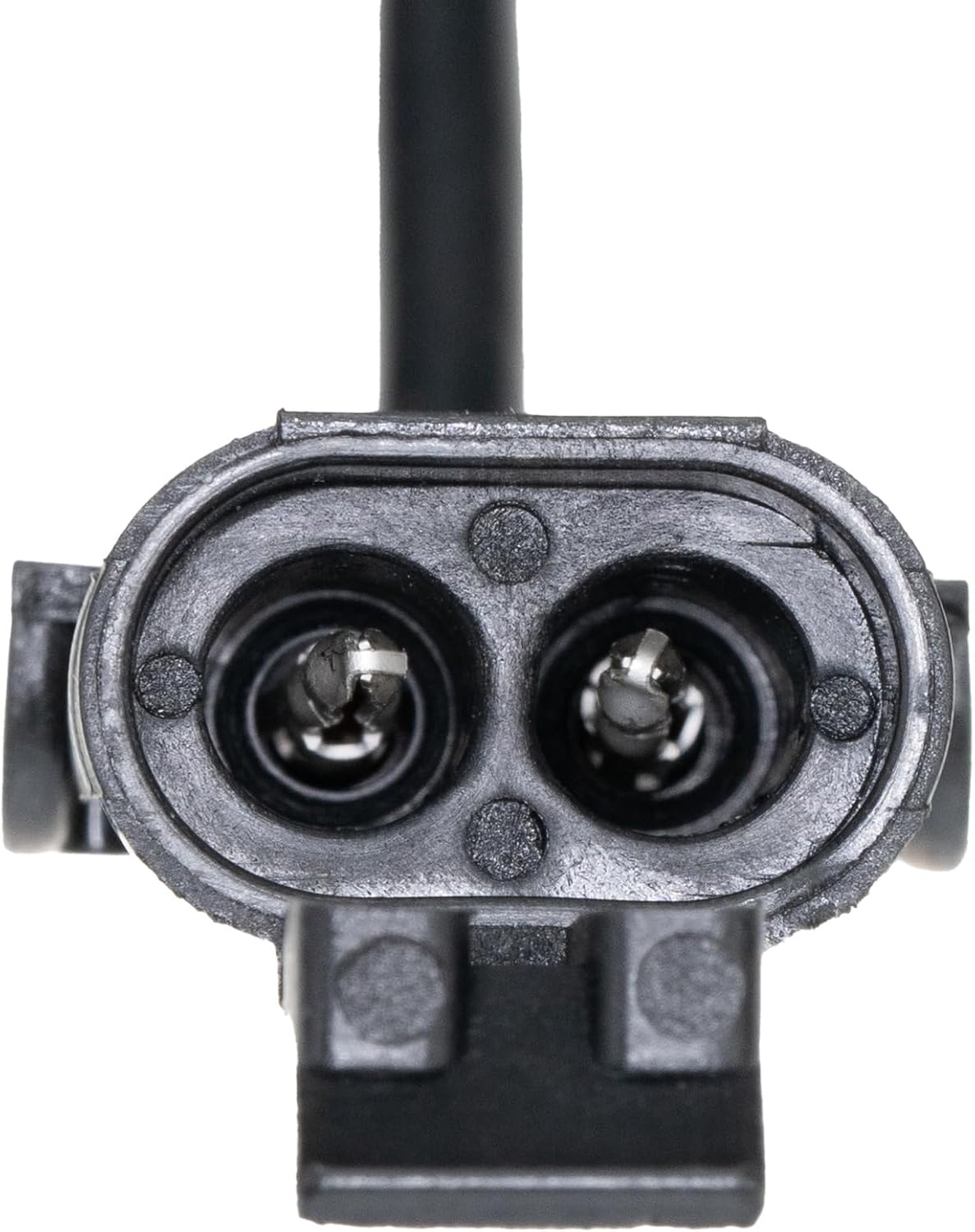
Figure 4: Detailed view of the pins within the oxygen sensor's electrical connector, ensuring proper signal transmission.
Operating Principles
The Wagner Oxygen Sensor O21090 measures the oxygen content in the exhaust gases. This information is sent to the vehicle's Engine Control Unit (ECU). The ECU uses this data to adjust the air-fuel mixture for optimal combustion. A properly functioning oxygen sensor ensures that the engine runs efficiently, minimizing harmful emissions and maximizing fuel economy.
The sensor generates a voltage signal that varies depending on the oxygen concentration. A high voltage indicates a rich mixture (low oxygen), while a low voltage indicates a lean mixture (high oxygen). The ECU continuously monitors this signal to make real-time adjustments.
Maintenance
Oxygen sensors are wear items and have a finite lifespan. While they do not typically require routine maintenance, their performance can degrade over time due to exposure to exhaust gases, contaminants, and extreme temperatures. Regular vehicle maintenance and inspections can help identify potential issues.
- Inspection: During routine vehicle inspections, a technician may visually inspect the oxygen sensor for physical damage or excessive carbon buildup.
- Replacement Intervals: Consult your vehicle's manufacturer service manual for recommended oxygen sensor replacement intervals. These can vary significantly by vehicle make and model, but typically range from 60,000 to 100,000 miles.
- Fuel Quality: Using high-quality fuel and avoiding fuel additives not recommended by the vehicle manufacturer can help prolong sensor life.
Troubleshooting
A faulty oxygen sensor can lead to various vehicle performance issues. If you suspect a problem with your oxygen sensor, consider the following:
- Check Engine Light: The most common symptom of a failing oxygen sensor is the illumination of the "Check Engine" light on your dashboard. An OBD-II scanner can retrieve diagnostic trouble codes (DTCs) related to the oxygen sensor (e.g., P0130-P0167).
- Decreased Fuel Economy: A malfunctioning sensor can cause the engine to run too rich or too lean, leading to a noticeable drop in fuel efficiency.
- Rough Idling or Stalling: Incorrect air-fuel mixture data can cause the engine to run poorly, resulting in rough idling or even stalling.
- Increased Emissions: A faulty sensor can lead to higher levels of pollutants in the exhaust, potentially causing the vehicle to fail emissions tests.
- Sulfur Smell from Exhaust: An overly rich mixture due to a bad sensor can sometimes produce a strong sulfur or rotten egg smell from the exhaust.
If you experience any of these symptoms, it is advisable to have your vehicle inspected by a professional technician. They can accurately diagnose the issue and determine if the oxygen sensor needs replacement.
Specifications
| Attribute | Value |
|---|---|
| Brand | Wagner |
| Model Number | O21090 |
| Item Weight | 5.3 ounces (0.33 Pounds) |
| Package Dimensions | 5.9 x 2.1 x 2.1 inches |
| Manufacturer | DRiV Incorporated |
| ASIN | B0F6VVNTNW |
| UPC | 019826295576 |
| Date First Available | April 16, 2025 |
Warranty Information
Specific warranty details for the Wagner Oxygen Sensor O21090 are typically provided by the manufacturer at the time of purchase or can be found on the official Wagner website. Please retain your proof of purchase for warranty claims. For the most accurate and up-to-date warranty information, please refer to the documentation included with your product or contact Wagner directly.
Customer Support
For technical assistance, product inquiries, or support regarding your Wagner Oxygen Sensor O21090, please contact Wagner customer service. You can often find contact information on the product packaging, the official Wagner website, or through their Amazon Brand Store.
When contacting support, please have your product model number (O21090) and any relevant purchase details ready.
Ask a question about this manual
Ask about setup, troubleshooting, compatibility, parts, safety, or missing instructions. Manuals+ will review the question and use this page’s manual context to help answer it.