
1. Introduction
This manual provides essential instructions for the safe and efficient installation, operation, and maintenance of the NHJLFKSA DST-100-2FAK Automatic Voltage Regulator (AVR). The AVR is designed to maintain a stable output voltage from a generator, ensuring consistent power delivery to connected equipment. Please read this manual thoroughly before attempting any installation or operation.
An Automatic Voltage Regulator (AVR) is a critical component in a generator system. Its primary function is to automatically control the output voltage of the generator to a constant level, regardless of changes in load or engine speed. This stability is crucial for protecting sensitive electronic equipment and ensuring reliable power supply.
2. Product Overview
The NHJLFKSA DST-100-2FAK is a compact and robust Automatic Voltage Regulator designed for various generator applications. It features multiple connection points for integration into your generator's electrical system.

Figure 2.1: Top view of the DST-100-2FAK AVR, showing the main circuit board, capacitors, transformer, and multi-colored wiring harness with a white connector.

Figure 2.2: Bottom view of the DST-100-2FAK AVR, illustrating the underside of the circuit board with additional components and the wiring harness exiting from the side.

Figure 2.3: Detailed view of the white multi-pin electrical connectors, which are used to interface the AVR with the generator's electrical system.
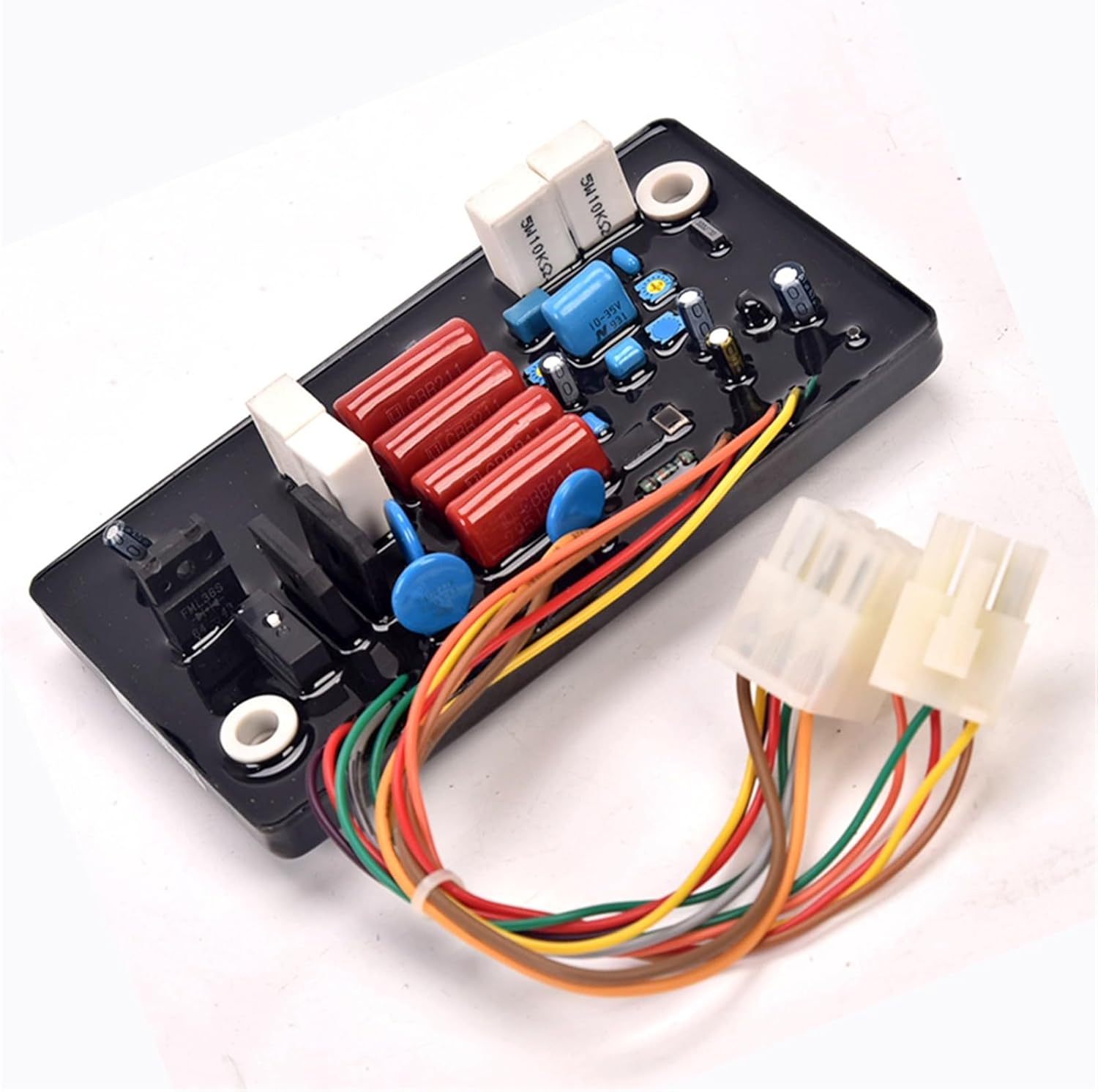
Figure 2.4: Angled perspective of the DST-100-2FAK AVR, highlighting the overall compact design and the arrangement of its internal components and external wiring.
3. Setup and Installation
Safety Warning:
- Always disconnect the generator's battery and ensure the generator is completely shut down before beginning any installation or maintenance.
- Only qualified personnel should perform electrical installations.
- Wear appropriate personal protective equipment (PPE), including safety glasses and insulated gloves.
- Ensure all connections are secure and properly insulated to prevent short circuits.
3.1 Mounting the AVR
Mount the AVR in a location that is protected from excessive vibration, moisture, and extreme temperatures. Ensure adequate ventilation around the unit. Use appropriate fasteners to secure the AVR firmly to a stable surface within the generator enclosure.
3.2 Electrical Connections
Refer to your generator's specific wiring diagram for precise connection points. The DST-100-2FAK AVR typically requires connections for:
- Sensing Voltage Input: Connect to the generator's output terminals to monitor the voltage.
- Excitation Output: Connect to the generator's exciter field windings (F+ and F-).
- Auxiliary Power Input: If applicable, connect to a stable power source to power the AVR's internal circuitry.
- Ground Connection: Ensure a proper ground connection for safety and stable operation.
Carefully match the wire colors and terminal labels on the AVR to the corresponding points on your generator. Incorrect wiring can cause damage to the AVR or the generator.
4. Operating Instructions
Once the NHJLFKSA DST-100-2FAK AVR is correctly installed and all connections are verified, follow these steps to operate your generator:
- Pre-Start Check: Before starting the generator, visually inspect all wiring connections to ensure they are secure and free from damage.
- Start Generator: Start the generator according to the manufacturer's instructions.
- Voltage Stabilization: The AVR will automatically sense the generator's output voltage and adjust the excitation to maintain the set voltage level. This process typically occurs within a few seconds of the generator reaching operating speed.
- Monitor Output: Use a voltmeter to confirm that the generator's output voltage is stable and within the expected range.
- Load Application: Once the voltage is stable, you can begin applying electrical loads to the generator. The AVR will continuously work to maintain voltage stability under varying load conditions.
If the output voltage is unstable or outside the desired range, refer to the Troubleshooting section.
5. Maintenance
The NHJLFKSA DST-100-2FAK AVR is designed for reliable operation with minimal maintenance. However, periodic checks can help ensure its longevity and optimal performance.
- Visual Inspection: Regularly inspect the AVR and its wiring for any signs of physical damage, loose connections, or corrosion.
- Cleaning: Keep the AVR free from dust, dirt, and debris. Use a soft, dry cloth to gently wipe the unit. Do not use liquid cleaners or solvents.
- Ventilation: Ensure that the area around the AVR remains clear to allow for proper airflow and heat dissipation.
- Connection Integrity: Periodically check that all electrical connections are tight and secure.
Note: Do not attempt to open or repair the AVR unit. Refer all servicing to qualified technicians.
6. Troubleshooting
This section provides solutions to common issues you might encounter with your NHJLFKSA DST-100-2FAK AVR. Always ensure the generator is safely shut down before performing any checks.
6.1 No Voltage Output from Generator
- Check Connections: Verify all AVR wiring connections are correct and secure, especially the sensing and excitation wires.
- Generator Speed: Ensure the generator engine is running at its rated speed. The AVR requires sufficient engine speed to generate voltage.
- Exciter Field: Check the exciter field windings for continuity and proper resistance.
- AVR Failure: If all other components are functioning correctly, the AVR itself may be faulty and require replacement.
6.2 Unstable or Fluctuating Voltage
- Engine Speed Fluctuation: Ensure the generator engine maintains a stable RPM. Fluctuations in engine speed will directly affect voltage stability.
- Loose Connections: Inspect all electrical connections for looseness or corrosion.
- Overload: The generator may be overloaded. Reduce the connected load.
- AVR Adjustment: Some AVRs have voltage adjustment potentiometers. Consult your generator's manual or a qualified technician for proper adjustment procedures.
6.3 Overvoltage or Undervoltage
- Sensing Circuit: Check the voltage sensing circuit for proper connection and integrity.
- AVR Malfunction: The AVR may not be regulating voltage correctly. This could indicate an internal fault.
If troubleshooting steps do not resolve the issue, contact a qualified generator technician or the manufacturer for assistance.
7. Specifications
The following specifications are for the NHJLFKSA DST-100-2FAK Automatic Voltage Regulator:
| Feature | Specification |
|---|---|
| Model | DST-100-2FAK |
| Brand | NHJLFKSA |
| Item Weight | 1.76 ounces (approx. 50 grams) |
| Package Dimensions | 1.18 x 0.79 x 0.39 inches (approx. 3 x 2 x 1 cm) |
| Function | Automatic Voltage Stability Regulation for Generators |
| Compatibility | Designed for various generator types (verify compatibility with your specific generator model) |
8. Warranty and Support
For specific warranty information regarding your NHJLFKSA DST-100-2FAK Automatic Voltage Regulator, please refer to the documentation provided at the time of purchase or contact your seller directly. Warranty terms typically cover manufacturing defects for a specified period.
For technical support, installation assistance, or to report a suspected defect, please contact the NHJLFKSA customer service or your authorized dealer. When contacting support, please have your product model number (DST-100-2FAK) and purchase details readily available.