
1. Important Safety Instructions
Read all instructions before using this appliance to reduce the risk of fire, electric shock, or injury. Keep this manual for future reference.
- Ensure the refrigerator is properly grounded.
- Do not operate the appliance with a damaged cord or plug.
- Unplug the refrigerator before cleaning or performing any maintenance.
- Keep ventilation openings clear of obstruction.
- Do not store explosive substances such as aerosol cans with a flammable propellant in this appliance.
- This appliance is intended for household use only.
- Do not allow children to play with or inside the refrigerator.
2. Product Overview
The Hamilton Beach HBR70MS1E is a 7 cubic feet single-door refrigerator designed for efficient food storage. It features a compact design, a top freezer compartment, a vegetable crisper drawer, and an adjustable temperature control. A 2.5-liter water dispenser provides instant access to fresh water without opening the main door.
Key Features:
- 7 cubic feet (183 liters) capacity.
- Compact and elegant design.
- Adjustable temperature control with mechanical thermostat.
- 2.5-liter water dispenser.
- Top freezer compartment.
- Vegetable crisper drawer.
- Glass shelves and door racks for organized storage.
- Internal LED lighting.

Figure 2.1: Interior view of the Hamilton Beach HBR70MS1E refrigerator, displaying the main compartment with glass shelves, the top freezer section, and the integrated water dispenser on the door.
3. Setup and Installation
3.1 Unpacking
- Remove all packaging materials, including foam and adhesive tape.
- Inspect the refrigerator for any damage during transit. Report any damage to your retailer immediately.
- Keep packaging materials out of reach of children.
3.2 Placement
- Place the refrigerator on a firm, level floor.
- Ensure adequate air circulation. Allow at least 10 cm (4 inches) of space at the back and sides, and 30 cm (12 inches) at the top for proper ventilation.
- Avoid direct sunlight or heat sources (e.g., stove, heater) as this will increase energy consumption.
- Do not install in areas where the temperature may drop below 10°C (50°F).

Figure 3.1: Rear view of the refrigerator, illustrating the need for clearance for proper ventilation around the compressor unit.
3.3 Leveling
Adjust the leveling feet at the bottom front of the refrigerator to ensure it is stable and level. This helps the door close properly and reduces vibrations.
3.4 Initial Cleaning
Before first use, clean the interior and exterior of the refrigerator with a soft cloth and a mild detergent. Rinse with clean water and dry thoroughly.
3.5 Power Connection
- Plug the refrigerator into an exclusive, grounded 115V AC outlet.
- Do not use extension cords or ungrounded adapters.
- Allow the refrigerator to stand upright for at least 2-4 hours before plugging it in to allow refrigerants to settle.
- After plugging in, allow the refrigerator to cool for 2-3 hours before placing food inside.
4. Operating Instructions
4.1 Temperature Control
The refrigerator features a mechanical adjustable thermostat control located inside the fresh food compartment, typically near the top freezer. The control dial ranges from '0' (off) to '7' (coldest). For normal use, setting the control between '3' and '5' is recommended. Adjust as needed based on ambient temperature and food load.
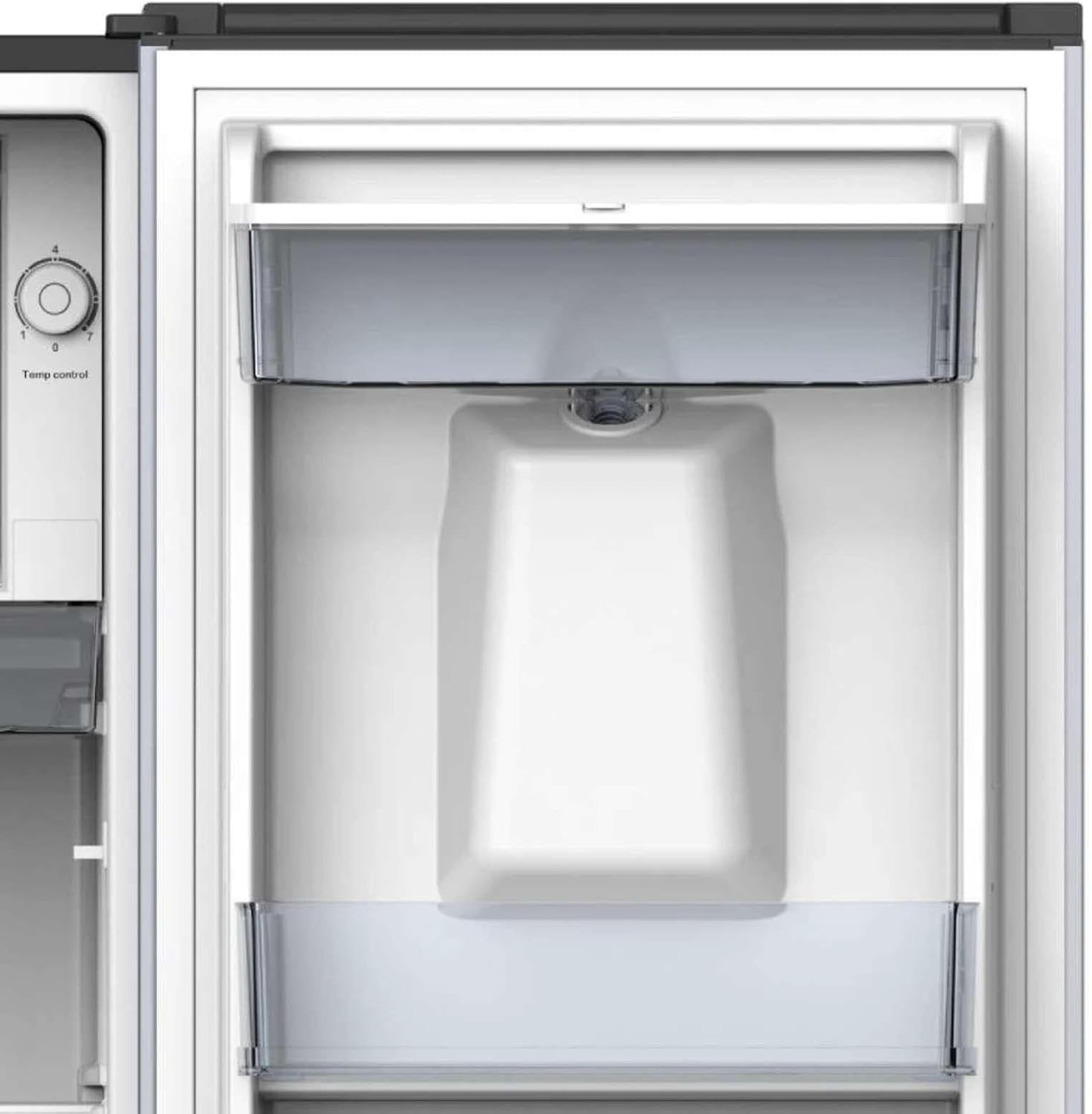
Figure 4.1: Detail of the top freezer compartment and the temperature control dial, which allows adjustment of the cooling intensity.
4.2 Water Dispenser
The refrigerator is equipped with a 2.5-liter manual water dispenser located on the door. To fill, open the refrigerator door and carefully pour potable water into the reservoir. To dispense water, press the lever located on the exterior of the door with a glass or cup.

Figure 4.2: Internal view of the water dispenser reservoir, showing where to fill with water.
4.3 Food Storage Guidelines
- Fresh Food Compartment: Store fruits, vegetables, dairy products, and cooked foods. Use the crisper drawer for produce to maintain freshness.
- Freezer Compartment: Suitable for storing frozen foods, ice cream, and meats. Ensure items are properly sealed to prevent freezer burn.
- Avoid overloading the refrigerator, as this can obstruct airflow and reduce cooling efficiency.
- Allow hot foods to cool to room temperature before placing them in the refrigerator.
5. Maintenance and Cleaning
Always unplug the refrigerator before cleaning or performing any maintenance.
5.1 Interior Cleaning
- Clean the interior regularly with a solution of mild detergent and warm water.
- Wipe down shelves, drawers, and door liners.
- Rinse thoroughly and dry with a soft cloth to prevent odors and mildew.
- For stubborn stains, use a baking soda solution (2 tablespoons baking soda to 1 quart warm water).
5.2 Exterior Cleaning
- Wipe the exterior surfaces with a soft cloth and mild detergent.
- For stainless steel finishes (if applicable), use a specialized stainless steel cleaner.
- Clean the door gasket regularly to ensure a proper seal.
5.3 Defrosting
This refrigerator features a manual defrost system for the freezer compartment. When frost accumulation in the freezer reaches about 6mm (1/4 inch) thick, it should be defrosted.
- Unplug the refrigerator.
- Remove all food from the freezer and place it in a cooler.
- Leave the freezer door open to allow frost to melt naturally. You can place towels at the bottom to absorb water.
- Do not use sharp objects or heating devices to speed up defrosting, as this can damage the appliance.
- Once defrosted, clean and dry the interior thoroughly.
- Plug the refrigerator back in and allow it to cool before returning food.
6. Troubleshooting
Before contacting service, review this section for common issues and solutions.
| Problem | Possible Cause | Solution |
|---|---|---|
| Refrigerator does not operate. | Not plugged in; circuit breaker tripped; temperature control set to '0'. | Ensure plug is secure; reset circuit breaker; set temperature control to a higher setting. |
| Temperature is too warm. | Door left open; heavy food load; temperature control set too low; poor ventilation. | Check door seal; reduce food load; adjust temperature control to a colder setting; ensure proper clearance around the unit. |
| Excessive noise. | Refrigerator not level; items vibrating inside; compressor cycling. | Adjust leveling feet; rearrange items; compressor noise is normal during operation. |
| Water on floor. | Drain pan overflowing (during defrost); water dispenser leak. | Clean drain pan; check water dispenser reservoir for proper seating. |
7. Specifications
| Feature | Detail |
|---|---|
| Brand | Hamilton Beach |
| Model Number | HBR70MS1E |
| Color | Silver |
| Capacity | 7 Cubic Feet (183 Liters) |
| Dimensions (H x W x D) | 132 cm x 55 cm x 62 cm (52 in x 21.7 in x 24.4 in) |
| Weight | 35 kg (77 lbs) |
| Voltage | 115V |
| Annual Energy Consumption | 311 Kilowatt Hours Per Year |
| Defrost System | Manual (Freezer) |
| Special Features | Separate freezer, Water dispenser (2.5L), Adjustable temperature control, Glass shelves, LED internal light |
| Installation Type | Freestanding |
8. Warranty and Support
For warranty information and customer support, please refer to the warranty card included with your purchase or visit the official Hamilton Beach website. Keep your proof of purchase for warranty claims.
Hamilton Beach Official Website: www.hamiltonbeach.com
For service or technical assistance, please contact Hamilton Beach customer service.


