1. Introduction
This manual provides essential information for the proper installation, operation, and maintenance of your Sawyer Auto Clutch Master Cylinder, model PG-871238. This component is a direct-fit replacement part designed to restore the hydraulic function of your vehicle's clutch system. Please read this manual thoroughly before proceeding with installation or any related procedures.
2. Important Safety Information
Automotive repair can be hazardous. Always prioritize safety. Failure to follow these safety guidelines may result in personal injury or damage to the vehicle.
- Professional Installation Recommended: If you are not experienced with automotive hydraulic systems, it is highly recommended to have this part installed by a certified mechanic.
- Eye Protection: Always wear appropriate eye protection (safety glasses or goggles) when working on vehicles, especially when dealing with fluids.
- Hand Protection: Wear gloves to protect your hands from chemicals and sharp objects.
- Vehicle Support: Ensure the vehicle is securely supported on jack stands or a lift before working underneath it. Never rely solely on a jack.
- Brake Fluid Handling: Clutch systems use brake fluid, which is corrosive to paint and can irritate skin. Handle with care, avoid contact with skin and eyes, and clean up spills immediately. Dispose of used fluid responsibly.
- Flammable Materials: Keep open flames, sparks, and heat sources away from brake fluid and other flammable materials.
3. Product Overview
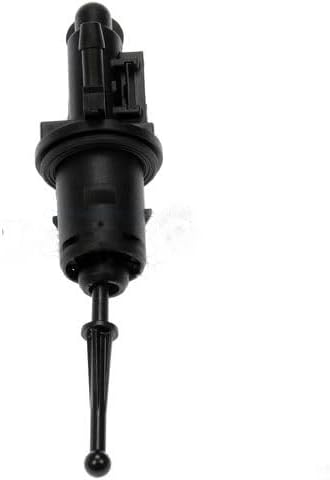
Image: The Sawyer Auto Clutch Master Cylinder (PG-871238) shown in black, featuring its main body, fluid reservoir connection point, and the pushrod extending from the bottom. This component is crucial for transmitting pedal force to the clutch slave cylinder.
The Sawyer Auto Clutch Master Cylinder is a critical component in manual transmission vehicles. It converts the mechanical force from the clutch pedal into hydraulic pressure, which is then transmitted to the clutch slave cylinder to disengage the clutch. This unit is manufactured to OE standards, ensuring optimal quality and reliability.
4. Vehicle Compatibility
This Sawyer Auto Clutch Master Cylinder (PG-871238) is specifically designed as a direct replacement for the following vehicle models:
- Volkswagen Golf: 2010, 2011, 2012, 2013, 2014
Please verify your vehicle's make, model, and year to ensure proper fitment before installation.
5. Package Contents
Upon opening the package, please ensure all components are present and undamaged:
- 1x Sawyer Auto Clutch Master Cylinder (PG-871238)
6. Installation Instructions
The following steps provide a general guide for replacing a clutch master cylinder. Specific procedures may vary depending on your vehicle's configuration. Refer to your vehicle's service manual for detailed instructions.
- Preparation: Park the vehicle on a level surface, engage the parking brake, and disconnect the negative terminal of the battery. Gather necessary tools, including wrenches, pliers, a fluid catch pan, and fresh brake fluid.
- Locate and Access: Identify the clutch master cylinder, typically located on the firewall in the engine bay, connected to the clutch pedal inside the cabin. You may need to remove air ducts or other components for access.
- Drain Fluid: Place a catch pan beneath the master cylinder. Disconnect the hydraulic line(s) from the master cylinder and allow the fluid to drain. Cap the lines to prevent excessive fluid loss and contamination.
- Remove Old Cylinder: Disconnect the pushrod from the clutch pedal inside the cabin. Unbolt the master cylinder from the firewall. Carefully remove the old unit.
- Install New Cylinder: Position the new Sawyer Auto Clutch Master Cylinder (PG-871238) onto the firewall. Secure it with the mounting bolts. Reconnect the pushrod to the clutch pedal.
- Connect Hydraulic Lines: Reattach the hydraulic line(s) to the new master cylinder. Ensure all connections are tight to prevent leaks.
- Fill and Bleed System: Fill the clutch fluid reservoir with fresh, recommended brake fluid. Bleed the clutch hydraulic system to remove any air. This typically involves pumping the clutch pedal while opening and closing a bleed screw on the slave cylinder. Continue until no air bubbles are visible in the fluid.
- Test Operation: Once bleeding is complete, check the clutch pedal for proper feel and engagement. Inspect for any fluid leaks. Reconnect the battery.
- Final Check: Ensure all removed components are reinstalled and all fasteners are tightened to specification.
7. Operation
The clutch master cylinder operates in conjunction with the clutch pedal and slave cylinder. When the clutch pedal is depressed, the master cylinder's piston moves, generating hydraulic pressure. This pressure travels through the hydraulic line to the slave cylinder, which then disengages the clutch, allowing for gear changes. Releasing the pedal reverses this process, engaging the clutch.
8. Maintenance
Regular maintenance of your clutch hydraulic system helps ensure its longevity and proper function.
- Fluid Level Check: Periodically check the clutch fluid reservoir level. It should be between the 'MIN' and 'MAX' marks. Low fluid levels can indicate a leak or worn components.
- Fluid Condition: Inspect the clutch fluid for discoloration or contamination. Dark or cloudy fluid may indicate a need for replacement.
- Leak Inspection: Regularly inspect the master cylinder, slave cylinder, and hydraulic lines for any signs of fluid leaks. Address leaks promptly.
- Fluid Replacement: Follow your vehicle manufacturer's recommendations for clutch fluid replacement intervals. Brake fluid can absorb moisture over time, reducing its effectiveness.
9. Troubleshooting Common Issues
If you experience issues with your clutch system, consider the following common problems and potential solutions:
- Spongy or Soft Clutch Pedal:
Possible Causes: Air in the hydraulic system, low fluid level, internal master cylinder leak, or slave cylinder issue.
Solutions: Bleed the clutch system, check and top up fluid, inspect for leaks. - Difficulty Shifting Gears:
Possible Causes: Incomplete clutch disengagement due to air in the system, low fluid, or a faulty master/slave cylinder.
Solutions: Bleed the clutch system, check fluid level, inspect master and slave cylinders. - Clutch Pedal Stays on Floor:
Possible Causes: Significant hydraulic leak, failed master cylinder, or broken clutch pedal assembly component.
Solutions: Inspect for major leaks, check master cylinder function, examine pedal linkage. - Fluid Leaks Around Master Cylinder:
Possible Causes: Loose connections, damaged seals, or a cracked housing.
Solutions: Tighten connections, replace the master cylinder if seals are internal or housing is damaged.
If troubleshooting does not resolve the issue, consult a qualified automotive technician.
10. Product Specifications
| Specification | Detail |
|---|---|
| Brand | Sawyer Auto |
| Model Number | PG-871238 |
| Manufacturer Part Number | PG-871238 |
| Item Weight | 12 ounces |
| Product Dimensions | 3 x 6 x 6 inches |
| Bore Size | 5/8 In. |
11. Warranty and Customer Support
Sawyer Auto products are designed for quality and reliability. This product is covered by the manufacturer's standard warranty against defects in materials and workmanship. For specific warranty details, claims, or technical assistance, please refer to the documentation included with your purchase or visit the official Sawyer Auto website.
For further support, please contact Sawyer Auto customer service through their official channels.


