1. Introduction
This manual provides essential instructions for the safe and efficient operation of your iBELL SL-50B Digital Electronic Safe Locker. Please read this manual thoroughly before installation and use, and retain it for future reference. This safe is designed to protect your valuables with a robust digital locking system and emergency key access.
2. Safety Information
- Do not store the emergency keys inside the safe. Keep them in a secure, separate location.
- Ensure the safe is installed on a stable surface or securely mounted to prevent tipping.
- Avoid exposing the safe to extreme temperatures or high humidity.
- Do not attempt to force the safe open if the digital lock malfunctions. Use the emergency key.
- Keep batteries out of reach of children. Replace all batteries simultaneously with new ones of the same type.
3. Package Contents
Verify that all items are present in the package:
- iBELL SL-50B Digital Electronic Safe Locker
- Emergency Keys (2 pcs)
- Expansion Bolts (for mounting)
- Instruction Manual
4. Product Overview
Familiarize yourself with the components of your iBELL SL-50B safe.

Figure 4.1: Front view of the iBELL SL-50B Digital Electronic Safe Locker, showing the digital keypad, rotary knob, and emergency key access point.

Figure 4.2: Interior view of the safe, illustrating the internal storage capacity and the removable shelf for organizing items.
- Digital Keypad: For entering your personal access code.
- Rotary Knob: Used to open the safe door after entering the correct code or using the emergency key.
- Emergency Keyhole: Hidden access point for manual override.
- Battery Compartment: Located inside the door for power supply.
- LED Interior Light: Illuminates the safe's interior when opened.
- Locking Bolts: Secure the door when closed.
5. Setup
5.1 Unpacking
Carefully remove the safe from its packaging. Inspect for any damage. Keep all packaging materials until you are satisfied with the product.
5.2 Battery Installation
The safe requires 4 AA batteries (not included) for the digital keypad to function. The battery compartment is located inside the safe door.
- Open the safe using the emergency key (refer to Section 6.3 if needed).
- Locate the battery compartment cover on the inside of the door.
- Slide the cover open and insert 4 new AA batteries, ensuring correct polarity (+/-).
- Close the battery compartment cover.
- The safe will emit a beep, indicating successful battery installation.

Figure 5.1: Battery compartment for power supply, easily accessible for replacement.
5.3 Mounting the Safe
For enhanced security, it is recommended to mount the safe to a wall or floor using the provided expansion bolts.
- Choose a suitable location, ensuring a solid mounting surface.
- Open the safe door and locate the pre-drilled mounting holes on the back or bottom panel.
- Mark the drilling points on the wall or floor through the holes.
- Drill pilot holes using an appropriate drill bit for your mounting surface.
- Align the safe with the drilled holes and insert the expansion bolts.
- Tighten the bolts securely to fix the safe in place.
6. Operating Instructions
6.1 Initial Code Setup
The safe comes with a factory default code (usually "159"). You must change this to your personal code immediately after battery installation.
- With the safe door open, press the red reset button located on the inside of the door, near the hinge. The yellow indicator light on the keypad will illuminate.
- Within 5 seconds, enter your desired 3-8 digit personal code on the keypad.
- Press the "#" button to confirm. The safe will beep twice, and the yellow light will turn off, indicating the new code is set.
- Test the new code: With the door still open, enter your new code, then press "#". Turn the rotary knob clockwise to ensure the locking bolts retract.
6.2 Opening the Safe with Digital Code
- Enter your 3-8 digit personal code on the keypad.
- Press the "#" button. The green indicator light will illuminate, and you will hear a beep.
- Within 5 seconds, turn the rotary knob clockwise to open the door.
- If an incorrect code is entered, the red indicator light will flash, and the safe will beep. After three incorrect attempts, the safe will lock for 20 seconds.

Figure 6.1: User interacting with the digital keypad for secure access.
6.3 Opening the Safe with Emergency Key
Use the emergency key for initial setup, if you forget your code, or if the batteries are depleted.
- Locate the emergency keyhole, usually hidden behind a small cover or the iBELL logo on the keypad panel.
- Insert the emergency key and turn it counter-clockwise.
- While holding the key turned, rotate the main rotary knob clockwise to open the safe door.
- Remove the key once the door is open.

Figure 6.2: Dual access system, illustrating both digital code entry and emergency key override.
6.4 Changing the User Code
You can change your personal code at any time while the door is open.
- Open the safe door.
- Press the red reset button on the inside of the door. The yellow indicator light will turn on.
- Enter your new 3-8 digit code.
- Press the "#" button to confirm. The safe will beep twice, and the yellow light will turn off.
- Test the new code before closing the door.
6.5 Low Battery Warning
When the batteries are low, the red indicator light will flash, and the safe will beep continuously after entering the correct code. Replace the batteries promptly to ensure continued operation.
6.6 LED Interior Light
The safe is equipped with an internal white LED light that automatically illuminates when the door is opened, providing clear visibility of the contents.
7. Maintenance
7.1 Cleaning
Wipe the safe's exterior with a soft, damp cloth. Do not use abrasive cleaners or solvents, as they may damage the finish.
7.2 Battery Replacement
Replace all 4 AA batteries when the low battery warning appears or approximately once a year, even if not frequently used. Always use new batteries of the same type. Refer to Section 5.2 for detailed battery installation steps.
8. Troubleshooting
| Problem | Possible Cause | Solution |
|---|---|---|
| Safe does not open with digital code. | Incorrect code entered. Batteries are low or dead. Keypad malfunction. | Re-enter the correct code carefully. Replace batteries (Section 5.2). Use the emergency key (Section 6.3). |
| Keypad does not respond. | Dead batteries. Loose battery connection. | Replace batteries (Section 5.2). Check battery polarity and ensure they are seated correctly. |
| Safe beeps continuously after opening. | Low battery warning. | Replace batteries immediately (Section 5.2). |
| Emergency key does not turn. | Key not fully inserted. Obstruction in keyhole. | Ensure the key is fully inserted and aligned. Do not force the key. Contact customer support if issue persists. |
9. Specifications
| Feature | Detail |
|---|---|
| Brand | iBELL |
| Model | SL-50B |
| Capacity | 50 Litres |
| Lock Type | Digital Electronic with Emergency Key |
| Material | High-Strength Metal |
| Product Dimensions (H x W x D) | 50 cm x 35 cm x 30 cm |
| Item Weight | 13.72 Kilograms |
| Power Source | 4 x AA Batteries (not included) |
| Special Features | Removable Shelf, LED Interior Light, External Battery Support |
| Mounting Type | Freestanding, Tabletop (Wall/Floor mountable) |

Figure 9.1: Key dimensions of the iBELL SL-50B safe.
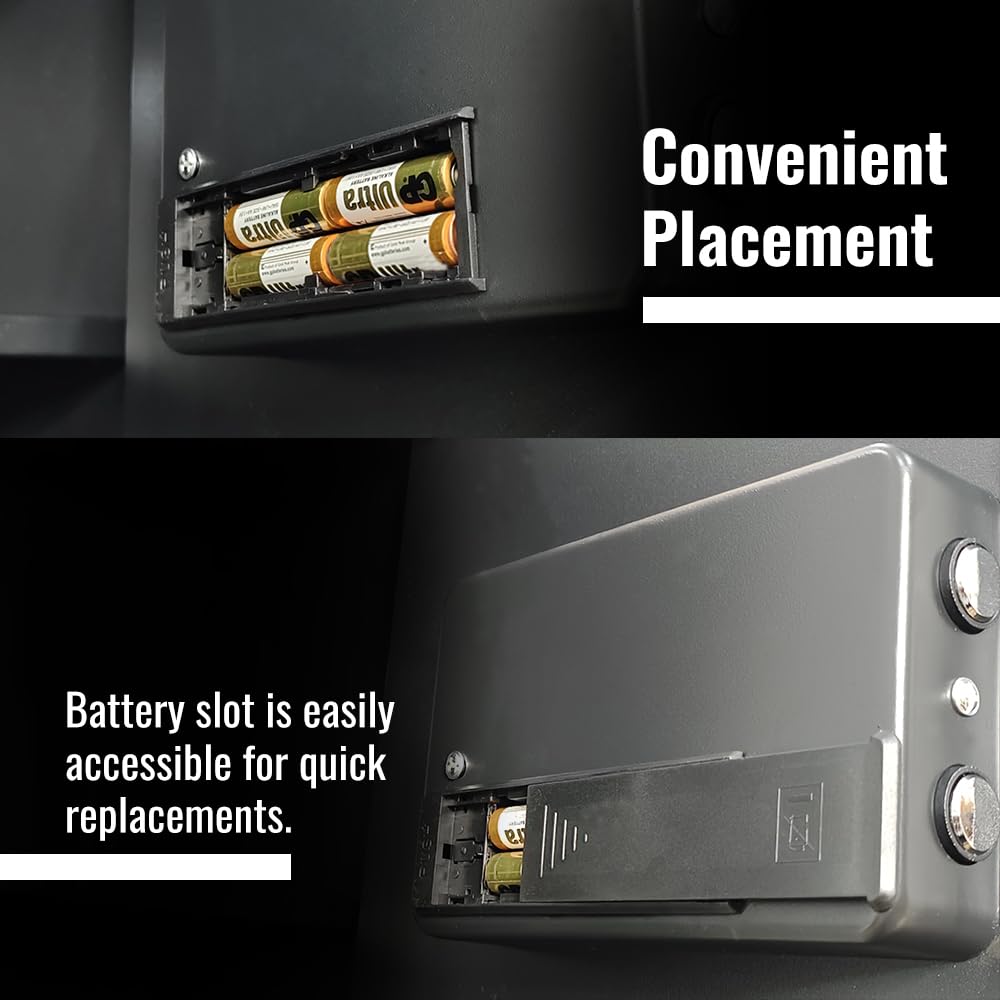
Figure 9.2: Overview of key specifications including weight, LED light, and volume.
10. Warranty and Support
The iBELL SL-50B Digital Electronic Safe Locker comes with a 12-month warranty from the date of purchase. This warranty covers manufacturing defects and material faults under normal use.
For warranty claims, technical support, or any inquiries, please contact iBELL customer service. Keep your purchase receipt as proof of purchase.
Contact Information: Refer to the iBELL official website or your purchase documentation for the most up-to-date contact details.


