
1. Introduction
This manual provides comprehensive instructions for the IULMTYN Motorcycle Voltage Regulator Rectifier. This component is designed to regulate the voltage from your motorcycle's alternator, convert AC voltage to DC voltage, and ensure stable power delivery to your electrical system and battery. Proper installation and maintenance are crucial for optimal performance and longevity of your motorcycle's electrical components.
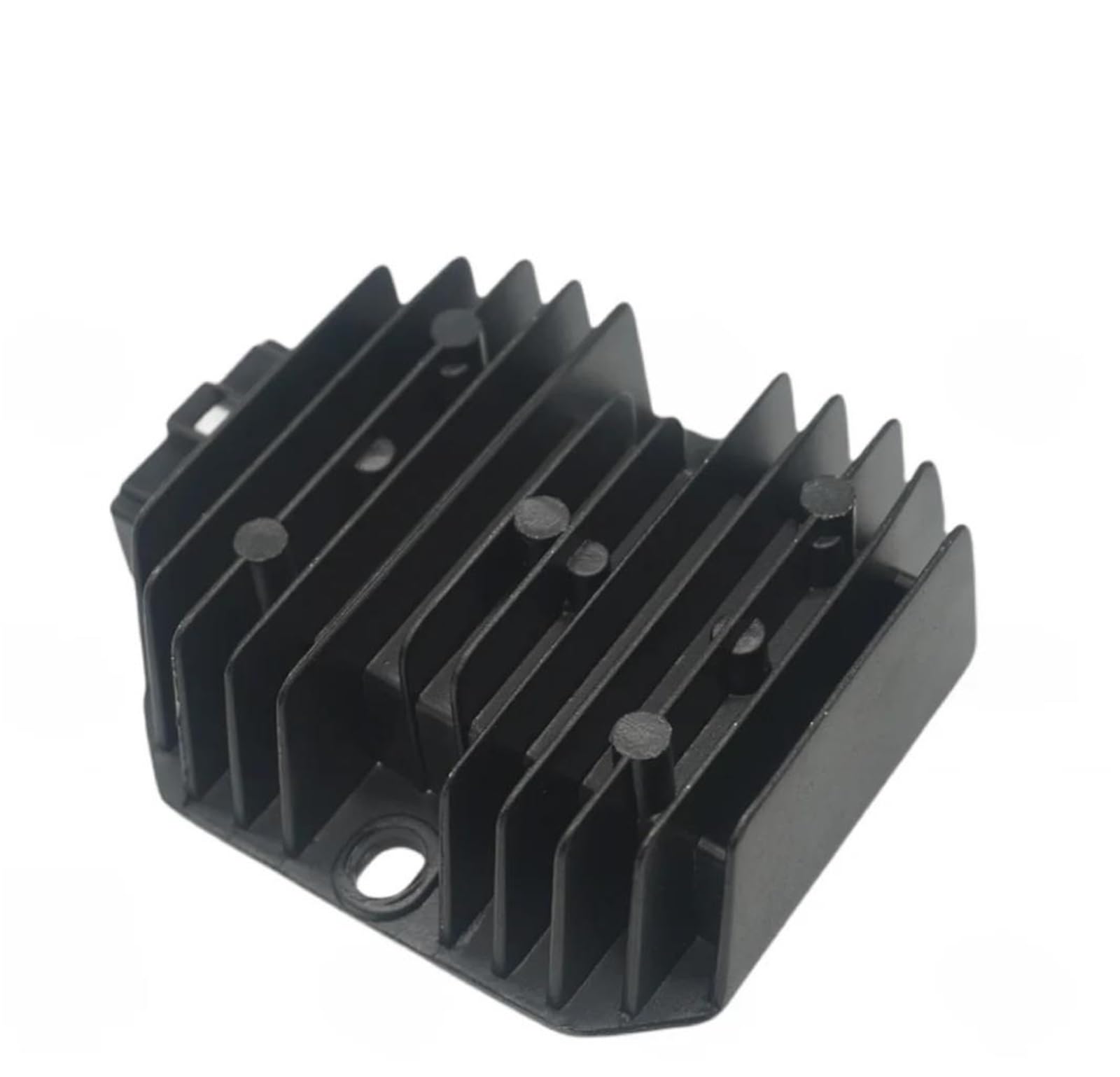
Figure 1.1: Front view of the IULMTYN Motorcycle Voltage Regulator Rectifier, showing its finned heat sink design.
2. Product Features
The IULMTYN Voltage Regulator Rectifier incorporates several key features designed for reliable performance:
- Durable Construction: Made of high-quality materials, including an aluminum shell and copper wire, ensuring reliability and durability.
- Efficient Heat Dissipation: Features a strong heat dissipation function to maintain optimal operating temperatures.
- Voltage Regulation: Regulates DC voltage to provide stable power to the motorcycle's electrical system.
- Improved Engine Efficiency: Stabilizes voltage, allowing the engine to use fuel more efficiently.
- Battery Charge Protection: Includes a function to stop charging the battery once it is full, preventing overcharging and extending battery life.
- Precise Manufacturing: Manufactured according to specific dimensions for full adaptability to compatible models.
3. Compatibility
This voltage regulator rectifier is compatible with a wide range of motorcycle models. Please verify your motorcycle's specific model and part requirements before installation.
Compatible Models:
- Loncin LX300GS-B
- ZN125T-27
- JL125T-10
- DB125T-32
- Tmax
- YZ6
- Bayou220
- ZANELLA250
- RZ3
- GR6
- R1000
This rectifier is a 12-volt, 5-pin unit. Ensure your motorcycle's electrical system matches these specifications.
4. Installation Instructions
Installation of the voltage regulator rectifier is designed to be straightforward. However, if you are not experienced with motorcycle electrical systems, professional installation is recommended.
General Steps:
- Safety First: Disconnect the motorcycle's battery before beginning any electrical work to prevent short circuits or injury.
- Locate Existing Rectifier: Identify the location of the old voltage regulator rectifier on your motorcycle. It is typically found near the battery or under the seat/fairing.
- Disconnect Old Unit: Carefully disconnect the wiring harness from the old rectifier. Note the orientation and connection points.
- Remove Old Unit: Unbolt or unmount the old rectifier from its position.
- Install New Unit: Mount the IULMTYN rectifier in the same location, ensuring it is securely fastened.
- Connect Wiring: Connect the wiring harness to the new rectifier. Ensure all connections are firm and correctly oriented. This unit features a 5-pin connector.
- Reconnect Battery: Reconnect the motorcycle's battery.
- Test System: Start the motorcycle and check the charging system voltage with a multimeter to ensure proper operation (typically between 13.5V and 14.8V at idle).

Figure 4.1: Rear view of the rectifier, highlighting the 5-pin connector for wiring harness attachment.
No complex tools are required for installation, and repairs can often be completed in a short time with basic mechanical expertise.
5. Operating Principles
Once installed, the IULMTYN Voltage Regulator Rectifier operates automatically to manage your motorcycle's electrical system:
- AC to DC Conversion: The rectifier converts the alternating current (AC) generated by the motorcycle's stator into direct current (DC) required by the battery and electrical components.
- Voltage Regulation: The regulator maintains a stable output voltage, typically around 14 volts, preventing overvoltage that could damage electrical components or undervoltage that could lead to a discharged battery.
- Battery Charging: It directs the regulated DC power to charge the motorcycle's battery.
- Overcharge Protection: A key feature is its ability to detect when the battery is fully charged and subsequently stop the charging process. This prevents battery overcharging, which can significantly shorten battery life.

Figure 5.1: Top view of the voltage regulator rectifier, showing the overall compact design.
6. Maintenance
To ensure the longevity and optimal performance of your IULMTYN Voltage Regulator Rectifier, follow these simple maintenance guidelines:
- Regular Cleaning: Periodically clean the area around the rectifier. Accumulation of dirt, dust, or debris can hinder its heat dissipation capabilities and affect its function. Use a soft brush or cloth to gently remove any buildup.
- Inspect Connections: During routine motorcycle maintenance, check the wiring connections to the rectifier. Ensure they are secure and free from corrosion. Loose or corroded connections can lead to poor performance or failure.
- Visual Inspection: Occasionally inspect the rectifier for any signs of physical damage, such as cracks in the casing or bent fins. While the unit is durable, extreme conditions can sometimes cause wear.

Figure 6.1: Side view of the rectifier, illustrating the heat sink fins crucial for thermal management.
7. Troubleshooting
If you experience issues with your motorcycle's charging system, the voltage regulator rectifier may be a contributing factor. Here are some common symptoms and general troubleshooting steps:
- Battery Not Charging: If your battery is consistently low or dead, check the rectifier's output voltage with a multimeter. A reading significantly below 13.5V while the engine is running may indicate a faulty rectifier or stator.
- Overcharging Battery: If your battery is constantly boiling, emitting sulfur smell, or swelling, the rectifier may not be regulating voltage correctly, leading to overcharging. Check for voltage readings above 14.8V.
- Dim Lights/Electrical Malfunctions: Inconsistent or low voltage can cause lights to dim or other electrical components to malfunction. Verify stable voltage output from the rectifier.
- Rectifier Overheating: While the unit has good heat dissipation, excessive heat can indicate an underlying issue, such as a short circuit or an overloaded system. Ensure proper airflow around the unit.
Always consult your motorcycle's service manual for specific diagnostic procedures. If you suspect a faulty rectifier, it is often best to replace it with a new, compatible unit.

Figure 7.1: Additional side view of the rectifier, showing its robust casing.
8. Specifications
| Attribute | Value |
|---|---|
| Model Number | GFON |
| Input Voltage | 12 Volts (AC from Stator) |
| Output Voltage | Regulated DC (approx. 13.5V - 14.8V) |
| Connector Type | 5-Pin |
| Material | Aluminum Shell, Copper Wire |
| Package Dimensions | 1.18 x 0.79 x 0.39 inches |
| Item Weight | 12.3 ounces |
| Assembly Required | No |
| Number of Pieces | 1 |
9. Customer Support
If you have any questions, require assistance with installation, or encounter any issues with your IULMTYN Voltage Regulator Rectifier, please do not hesitate to contact our customer support team. We are committed to providing timely and helpful solutions.
Contact Information: Please refer to your purchase documentation or the seller's contact details for the most current support options. We aim to respond to inquiries within 12 hours.