
1. Introduction
This manual provides essential information for the safe and efficient handling, installation, operation, and maintenance of the Trane DP28D-BB1-KA 2.33 Ton Reciprocating Compressor. This unit is designed for use in HVAC systems and operates on 200-230V/60/1 power, utilizing R410A refrigerant. Adherence to these instructions is crucial for optimal performance and longevity of the compressor.
2. Safety Information
Important: Installation, maintenance, and repair of this compressor must be performed by qualified and experienced HVAC technicians. Failure to comply with safety warnings and instructions can result in property damage, serious injury, or death.
- Electrical Hazard: Ensure all power to the unit and associated HVAC system is disconnected before installation or servicing. Lock out/tag out procedures must be followed.
- Refrigerant Handling: R410A refrigerant must be handled by certified personnel. Follow all local, state, and federal regulations regarding refrigerant recovery, recycling, and disposal.
- High Pressure: The compressor operates under high pressure. Do not attempt to open or service the compressor while it is pressurized.
- Heavy Equipment: This unit is heavy (approximately 400 pounds). Use appropriate lifting equipment and techniques to prevent injury.
- Personal Protective Equipment (PPE): Always wear appropriate PPE, including safety glasses, gloves, and protective clothing, when working with the compressor.
3. Product Overview
The Trane DP28D-BB1-KA is a 2.33-ton reciprocating compressor designed for robust performance in various HVAC applications. It is compatible with R410A refrigerant and operates on a 200-230V, single-phase, 60Hz power supply. This compressor is a critical component for maintaining desired temperatures in residential and commercial systems.
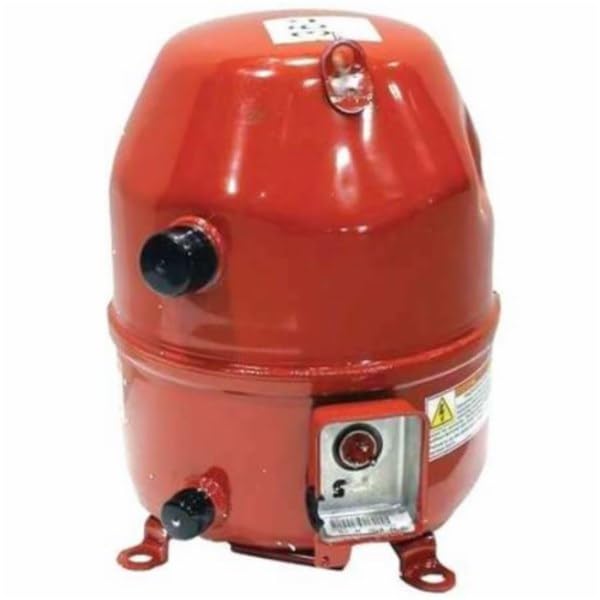
Figure 1: Trane DP28D-BB1-KA Reciprocating Compressor. This image displays the Trane DP28D-BB1-KA reciprocating compressor, a robust red unit with black ports for suction and discharge lines, and an electrical connection box on the side. It is designed for HVAC systems.
This compressor replaces or supersedes models such as COM9281, COM-9281, and COM09281, ensuring compatibility with a range of existing Trane and American Standard systems.
4. Setup and Installation
Installation of the Trane DP28D-BB1-KA compressor requires specialized knowledge and tools. It must be performed by a certified HVAC technician.
- Pre-Installation Check: Verify that the compressor model matches the system requirements. Inspect the unit for any shipping damage.
- Mounting: Securely mount the compressor in its designated location, ensuring proper vibration isolation.
- Refrigerant Line Connection: Connect the suction (1.25-12) and discharge (1.00-14) lines according to system specifications. Ensure clean, leak-free brazed connections.
- Electrical Wiring: Connect the compressor to the 200-230V/60/1 power supply. All wiring must conform to local electrical codes and the compressor's wiring diagram.
- Evacuation and Charging: Evacuate the system to a deep vacuum to remove non-condensables and moisture. Charge the system with the correct amount and type of R410A refrigerant.
- Leak Detection: Perform a thorough leak check on all connections.
5. Operating Instructions
Once properly installed and charged, the Trane DP28D-BB1-KA compressor operates as an integral part of the HVAC system. Its operation is typically controlled by the system's thermostat and control board.
- Ensure the system is properly powered and all safety devices are functional.
- Monitor system pressures and temperatures during initial startup to confirm correct operation.
- Refer to the overall HVAC system manual for specific operational parameters and user controls.
6. Maintenance
Regular maintenance by a qualified HVAC technician is essential to ensure the longevity and efficient operation of the compressor and the entire HVAC system.
- Annual Inspections: Have the system, including the compressor, inspected annually by a professional.
- Refrigerant Levels: Check refrigerant charge levels periodically. Low or high charge can lead to compressor damage.
- Electrical Connections: Inspect electrical connections for tightness and signs of corrosion.
- Cleaning: Ensure the outdoor coil (if applicable) is clean to allow for proper heat transfer, reducing strain on the compressor.
7. Troubleshooting
Troubleshooting compressor issues typically requires diagnostic tools and expertise. If the compressor is not functioning correctly, contact a qualified HVAC technician.
- Compressor Not Starting: Check power supply, thermostat settings, and control circuit.
- No Cooling: Verify refrigerant charge, check for leaks, and inspect other system components like fans and coils.
- Unusual Noises: Could indicate internal mechanical issues or improper mounting. Shut down the system and call for service.
- Frequent Cycling: May be due to incorrect refrigerant charge, airflow issues, or control problems.
Do not attempt to repair the compressor yourself. Internal repairs require specialized equipment and knowledge.
8. Specifications
| Feature | Specification |
|---|---|
| Brand | Trane |
| Model Number | DP28D-BB1-KA (Replaces COM9281, COM-9281, COM09281) |
| Compressor Type | Reciprocating |
| Cooling Capacity | 2.33 Ton |
| Voltage | 200-230V/60/1 (Single Phase) |
| Refrigerant | R410A |
| Suction Line Connection | 1.25-12 |
| Discharge Line Connection | 1.00-14 |
| Product Dimensions | 48 x 48 x 48 inches |
| Item Weight | 400 Pounds |
9. Warranty and Support
This compressor is typically sold as a unit-specific component and is often non-returnable. Warranty coverage, if any, is provided by the manufacturer, Trane, and is subject to their terms and conditions. It is recommended to retain your purchase receipt and consult with your seller or Trane directly for specific warranty details.
For technical support or service, please contact a qualified HVAC professional or refer to the official Trane support channels.
Consider purchasing extended protection plans, if available, at the time of purchase for additional coverage.