
Introduction
This manual provides essential information for the proper use, care, and maintenance of your Nautilus Men's 1340-m Safety Footwear. Please read these instructions carefully before initial use to ensure optimal performance, safety, and longevity of your footwear.
Setup and Initial Use
Upon receiving your Nautilus 1340-m safety footwear, follow these steps for initial setup:
- Inspection: Carefully inspect the footwear for any visible damage or manufacturing defects. If any issues are found, contact your retailer immediately.
- Fit: Ensure the footwear fits comfortably. The composite safety toe should not press against your toes. There should be adequate space for your foot to move slightly without excessive friction.
- Lacing: Lace the footwear securely, ensuring a snug fit around your foot and ankle to prevent slippage and provide proper support. Avoid overtightening, which can restrict circulation.
- Break-in Period: New footwear may require a short break-in period. Wear them for shorter durations initially to allow the materials to conform to your foot shape.
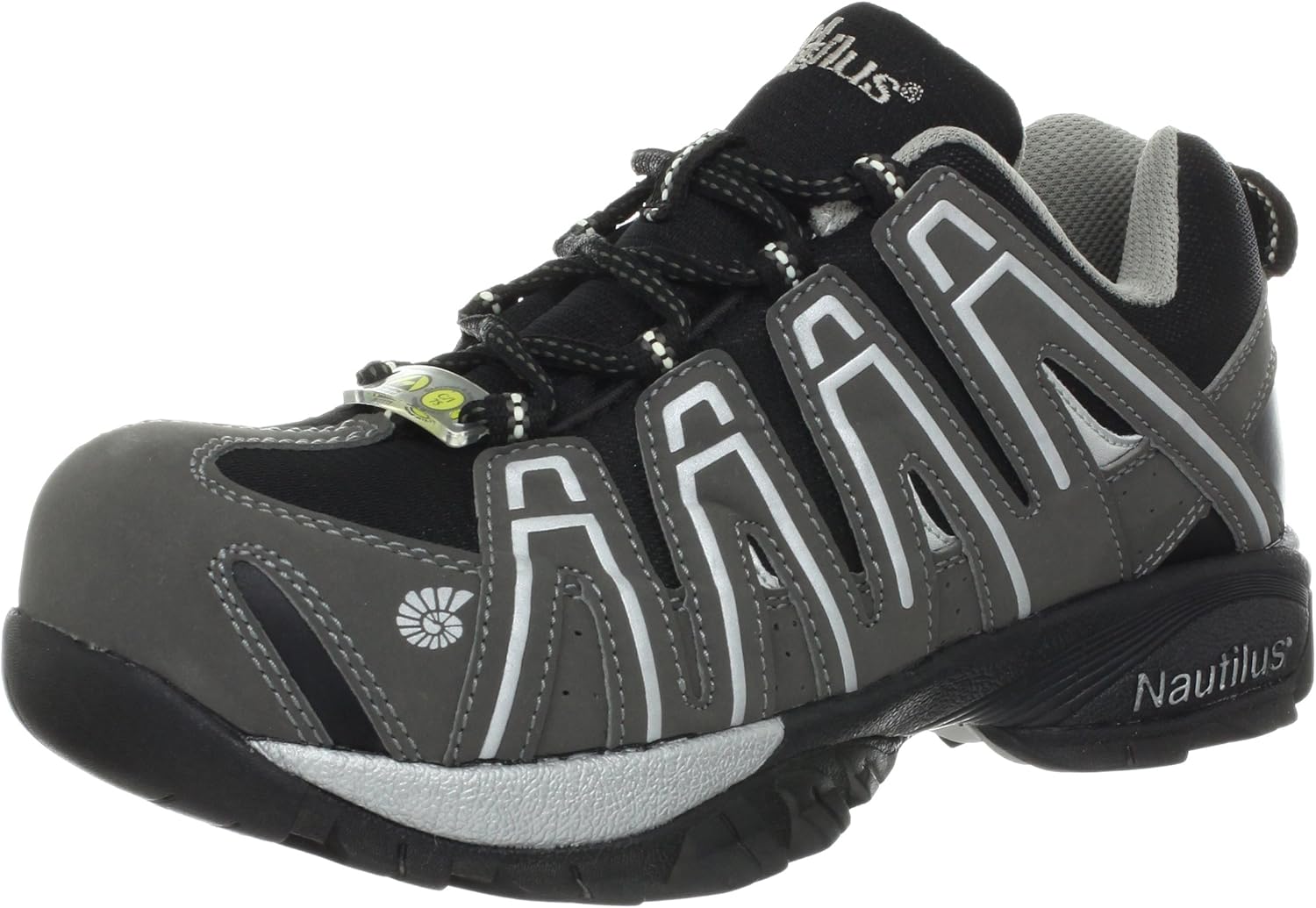
Figure 1: Side view of the Nautilus 1340-m Safety Footwear, showcasing the nylon and synthetic leather upper with grey and black accents.
Operating (Wearing Instructions)
The Nautilus 1340-m footwear is designed for demanding work environments. Adhere to the following guidelines for safe and effective use:
- Intended Use: This footwear is intended for use in environments requiring ASTM F2413-1 compliant composite safety toe protection and ESD (Electric Static Dissipating) properties.
- Safety Toe: The ergonomically designed wide-area composite safety toe cap provides protection against impact and compression hazards. Ensure the toe cap is not compromised by damage.
- ESD Protection: The ESD feature helps to dissipate static electricity, reducing the risk of electrostatic discharge in sensitive environments. This feature requires proper contact with the ground through the sole.
- Slip Resistance: The stabilizer outsole is designed to be highly slip- and oil-resistant. However, exercise caution on extremely wet, oily, or uneven surfaces.
- Metal-Free Design: The 100% metal-free construction ensures compliance with scratch-resistant workplace requirements and is suitable for environments with metal detectors.

Figure 2: Front view of the Nautilus 1340-m Safety Footwear, highlighting the lacing system and composite safety toe area.
Maintenance and Care
Proper maintenance extends the life and effectiveness of your safety footwear:
- Cleaning: Clean the footwear regularly with a damp cloth to remove dirt and debris. For stubborn stains, use a mild soap solution. Avoid harsh chemicals or abrasive cleaners.
- Drying: Allow footwear to air dry naturally at room temperature. Avoid direct heat sources like radiators or direct sunlight, which can damage materials.
- Insole Care: The removable anti-fatigue polyurethane insole can be removed for airing or cleaning. Hand wash with mild soap and air dry completely before reinserting.
- Storage: Store footwear in a cool, dry place away from direct sunlight and extreme temperatures.
- Regular Inspection: Periodically inspect the soles for wear, especially the slip-resistant tread. Check the upper for cuts, tears, or separation. Damaged footwear should be replaced to maintain safety standards.

Figure 3: Bottom view of the Nautilus 1340-m Safety Footwear, showing the slip- and oil-resistant stabilizer outsole tread pattern.
Troubleshooting
If you encounter issues with your Nautilus 1340-m footwear, consider the following:
- Discomfort: Ensure proper fit and lacing. If discomfort persists, verify that the footwear size is correct. The removable insole can be replaced if it shows significant wear.
- Reduced Slip Resistance: Clean the outsole thoroughly to remove any embedded debris or oil residue. If the tread is significantly worn, the footwear may need replacement.
- Loss of ESD Properties: Ensure the outsole is clean and free of insulating materials. ESD properties can be affected by excessive wear or contamination of the sole.
- Material Damage: For significant cuts, tears, or separation of materials, the safety features of the footwear may be compromised. It is recommended to replace damaged safety footwear.
Specifications
| Feature | Description |
|---|---|
| Model Number | 1340-m / N1340 |
| Upper Material | Nylon and Synthetic Leather |
| Outer Material | Leather |
| Sole Material | Rubber |
| Safety Toe | Composite Safety Toe Cap (ASTM F2413-1 compliant) |
| Midsole | EVA for Maximum Comfort |
| Insole | Removable Anti-Fatigue Polyurethane |
| Electrical Hazard Protection | ESD (Electric Static Dissipating) Footwear (ASTM compliant) |
| Outsole Features | Highly Durable, Slip- and Oil- Resistant Stabilizer |
| Construction | 100% Man-Made Components, 100% Metal Free |
Warranty and Support
For specific warranty information regarding your Nautilus 1340-m Safety Footwear, please refer to the warranty card included with your purchase or visit the official Nautilus website. For technical support or inquiries, please contact Nautilus customer service directly through their official channels.