
1. Introduction
The QWORK 4-in-1 Antifreeze Refractometer is a precision optical instrument designed for quick and accurate measurement of various automotive and industrial fluids. It allows for the determination of freezing points for ethylene glycol and propylene glycol-based coolants, the specific gravity of battery acid, and the concentration of car urea (AdBlue). Constructed from durable aluminum alloy, this refractometer offers high resistance to corrosion and wear, ensuring reliable performance.
2. Product Components
Familiarize yourself with the main components of your refractometer for proper use and maintenance.

Image 2.1: Overview of the refractometer components. Key parts include the detecting prisms, protective covers, adjustment sheath, adjusting screw, adjustment handwheel, and the eyepiece (goggles).
- Detecting Prisms: The surface where the sample liquid is placed.
- Covers: Protects the prism and spreads the sample evenly.
- Adjustment Sheath/Screw: Used for fine-tuning the focus and calibration.
- Adjustment Handwheel: For focusing the eyepiece.
- Eyepiece (Goggles): Where you look to read the scale.
3. Setup and Calibration
Before initial use and periodically thereafter, the refractometer must be calibrated to ensure accurate readings. Use distilled or pure water for calibration.
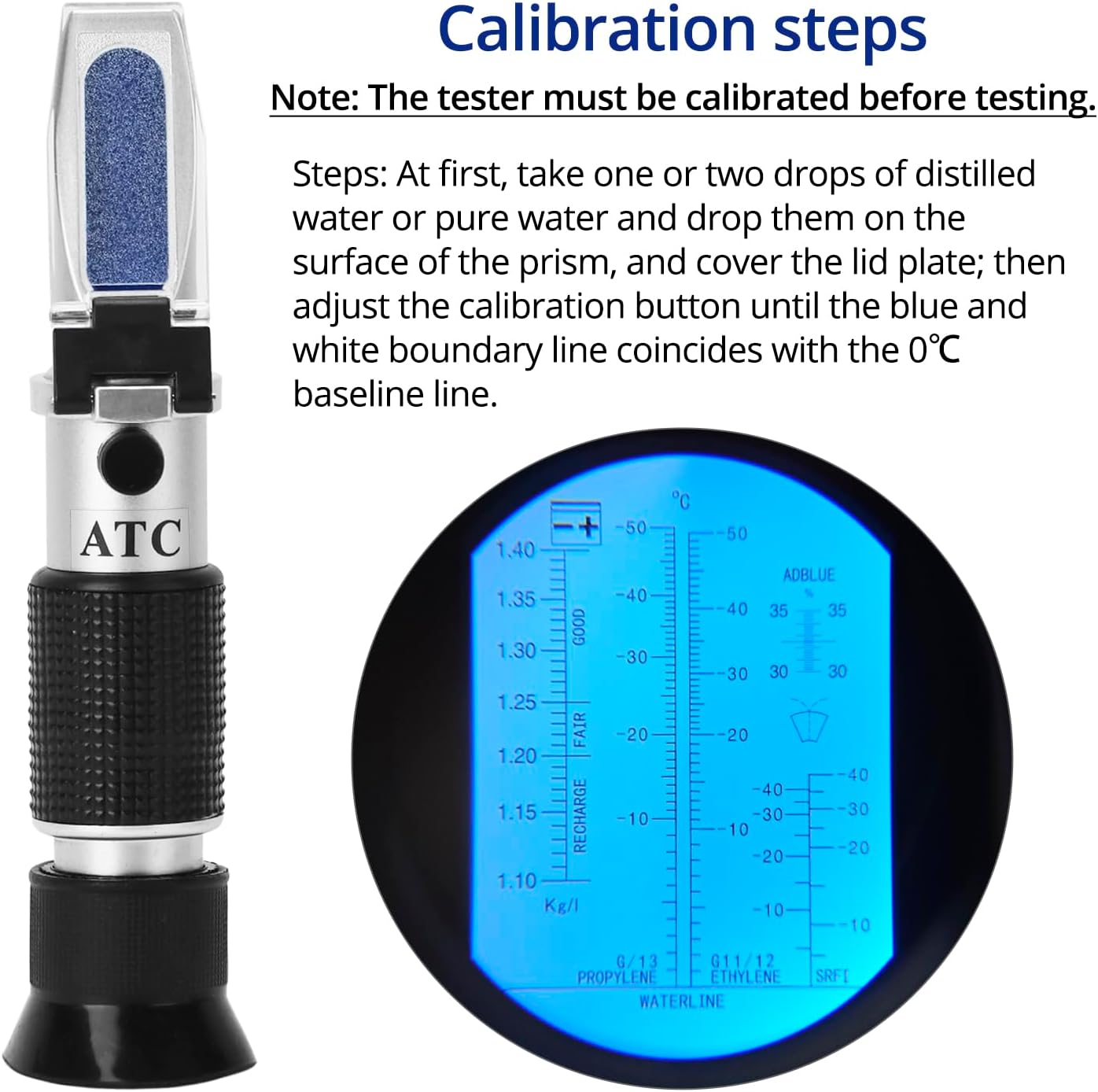
Image 3.1: Calibration process using distilled water.
- Ensure the refractometer is clean and dry.
- Open the cover plate.
- Place one or two drops of distilled water or pure water onto the surface of the main prism.
- Close the cover plate gently, ensuring the water spreads evenly across the prism surface without air bubbles.
- Point the refractometer towards a light source (e.g., daylight).
- Look through the eyepiece. If the scale is blurry, rotate the adjustment handwheel to bring it into clear focus.
- Locate the blue and white boundary line.
- Adjust the calibration screw (usually located near the cover plate) until the blue and white boundary line precisely aligns with the 0°C baseline on the antifreeze scale.
- Wipe the prism and cover plate clean with a soft cloth after calibration.
4. Operating Instructions
Follow these steps to accurately measure your fluid samples.

Image 4.1: Applying a sample to the refractometer prism.
- Ensure the refractometer is clean and calibrated.
- Using the provided pipette, take a sample of the liquid to be tested.
- Open the cover plate and place one or two drops of the sample onto the main prism.
- Close the cover plate gently. The liquid should spread evenly across the prism surface without air bubbles.
- Point the refractometer towards a light source.
- Look through the eyepiece and adjust the focus if necessary.
- Read the value where the blue and white boundary line intersects the appropriate scale.
- Record your measurement.
- Immediately after use, clean the prism and cover plate thoroughly with a soft, damp cloth. Dry completely.
5. Measurement Ranges
The refractometer features multiple scales for different fluid types:

Image 5.1: Internal scale showing various measurement ranges.
- Antifreeze (Ethylene Glycol & Propylene Glycol): -50°C to 0°C
- Battery Fluid Density: 1.10 to 1.40 Kg/l (Good, Fair, Recharge indicators)
- Windshield Washer Fluid (Glass Water): -40°C to 0°C
- Car Urea Concentration (AdBlue): 30% to 35%
6. Maintenance
Proper maintenance ensures the longevity and accuracy of your refractometer.
- Cleaning: Always clean the prism and cover plate immediately after each use with a soft, damp cloth. Do not use abrasive materials or harsh chemicals that could scratch the prism surface.
- Drying: Ensure all parts are completely dry before storing.
- Storage: Store the refractometer in its protective case in a dry, cool, and dust-free environment. Avoid direct sunlight or extreme temperatures.
- Handling: Handle the instrument with care. Avoid dropping or subjecting it to strong impacts.
7. Troubleshooting
If you encounter issues, consider the following:
- Blurry Readings: Adjust the eyepiece's focus by rotating the adjustment handwheel.
- Inaccurate Readings: Recalibrate the instrument using distilled water. Ensure the prism is clean and dry before applying the sample. Check for air bubbles in the sample.
- No Clear Boundary Line: Ensure sufficient light is passing through the prism. The sample might be too opaque or too thin.
8. Specifications
| Feature | Specification |
|---|---|
| Model | WD43048 |
| Brand | QWORK |
| Material | Aluminum Alloy |
| Item Weight | 95.5 g |
| Package Dimensions | 21.1 x 8.6 x 5.8 cm |
| Antifreeze Measurement Range | -50°C to 0°C |
| Battery Fluid Density Range | 1.10 to 1.40 Kg/l |
| Windshield Washer Fluid Range | -40°C to 0°C |
| Car Urea Concentration Range | 30% to 35% |

Image 8.1: Product and case dimensions.
9. Safety Information
- Avoid direct contact of the prism with corrosive or abrasive substances.
- Do not immerse the entire instrument in water.
- Keep out of reach of children.
- Always wear appropriate personal protective equipment (PPE) when handling automotive fluids.
10. Warranty and Support
For warranty information or technical support, please refer to the documentation provided with your purchase or contact QWORK customer service. Keep your purchase receipt as proof of purchase.
11. Applications
The QWORK 4-in-1 Antifreeze Refractometer is suitable for a wide range of applications, including:

Image 11.1: Examples of refractometer applications.
- Automotive antifreeze testing (ethylene and propylene glycol).
- Heat pump system fluid analysis.
- Windshield washer fluid freezing point verification.
- Battery electrolyte specific gravity measurement.
- Car urea (AdBlue) concentration checks.