
1. Introduction
Thank you for choosing the pamo Industrial Design LAS 1 Standard Garment Rack. This manual provides essential information for the safe and correct assembly, operation, and maintenance of your new garment rack. Please read these instructions carefully before assembly and retain them for future reference.

Figure 1.1: The pamo Industrial Design LAS 1 Standard Garment Rack, fully assembled and in use.
2. Safety Information
- Ensure all components are present and undamaged before beginning assembly. Do not use if any parts are missing or broken.
- Assemble the garment rack on a soft, clean surface to prevent scratches.
- Do not exceed the maximum load capacity of 175 pounds (60 kg). Overloading can cause instability and damage.
- This product is designed for freestanding use. While stable, avoid climbing on or hanging from the rack.
- Keep small parts away from children during assembly to prevent choking hazards.
- Periodically check all connections to ensure they remain tight.
3. Package Contents
Verify that all the following components are included in your package. If any parts are missing, please contact customer support.

Figure 3.1: Illustration of typical components included in the package.
- Vertical Pipes (various lengths)
- Horizontal Pipes (various lengths)
- T-Connectors
- Elbow Connectors
- Floor Flanges / Feet
- Non-slip Felt Pads
- Hex Key (Allen wrench)
- Assembly Instructions (this manual)
4. Setup and Assembly
The pamo Industrial Design Garment Rack features an easy screw system for straightforward assembly. No drilling into walls or floors is required for the freestanding model.
4.1. Preparation
- Clear a spacious area for assembly.
- Lay out all components and identify them using the parts list.
- Ensure the floor is protected, especially if assembling on delicate surfaces.
4.2. Assembly Steps
- Attach Feet: Screw the floor flanges/feet onto the bottom ends of the vertical pipes. Ensure they are tightened securely. Apply the non-slip felt pads to the bottom of the flanges.
- Connect Vertical and Horizontal Pipes: Begin by connecting the lower horizontal pipes to the vertical pipes using T-connectors. Hand-tighten initially.
- Build the Frame: Continue connecting vertical and horizontal pipes using T-connectors and elbow connectors as per the specific design of your LAS 1 Standard model. Refer to the detailed diagrams provided in the included paper instructions for your specific configuration.
- Secure Connections: Once the basic frame is assembled, use the provided hex key to firmly tighten all screw connections. Do not overtighten, but ensure all joints are snug to prevent wobbling.
- Final Placement: Carefully move the assembled garment rack to its desired location. The non-slip felt pads will protect your floor.

Figure 4.1: The easy screw system allows for straightforward assembly.
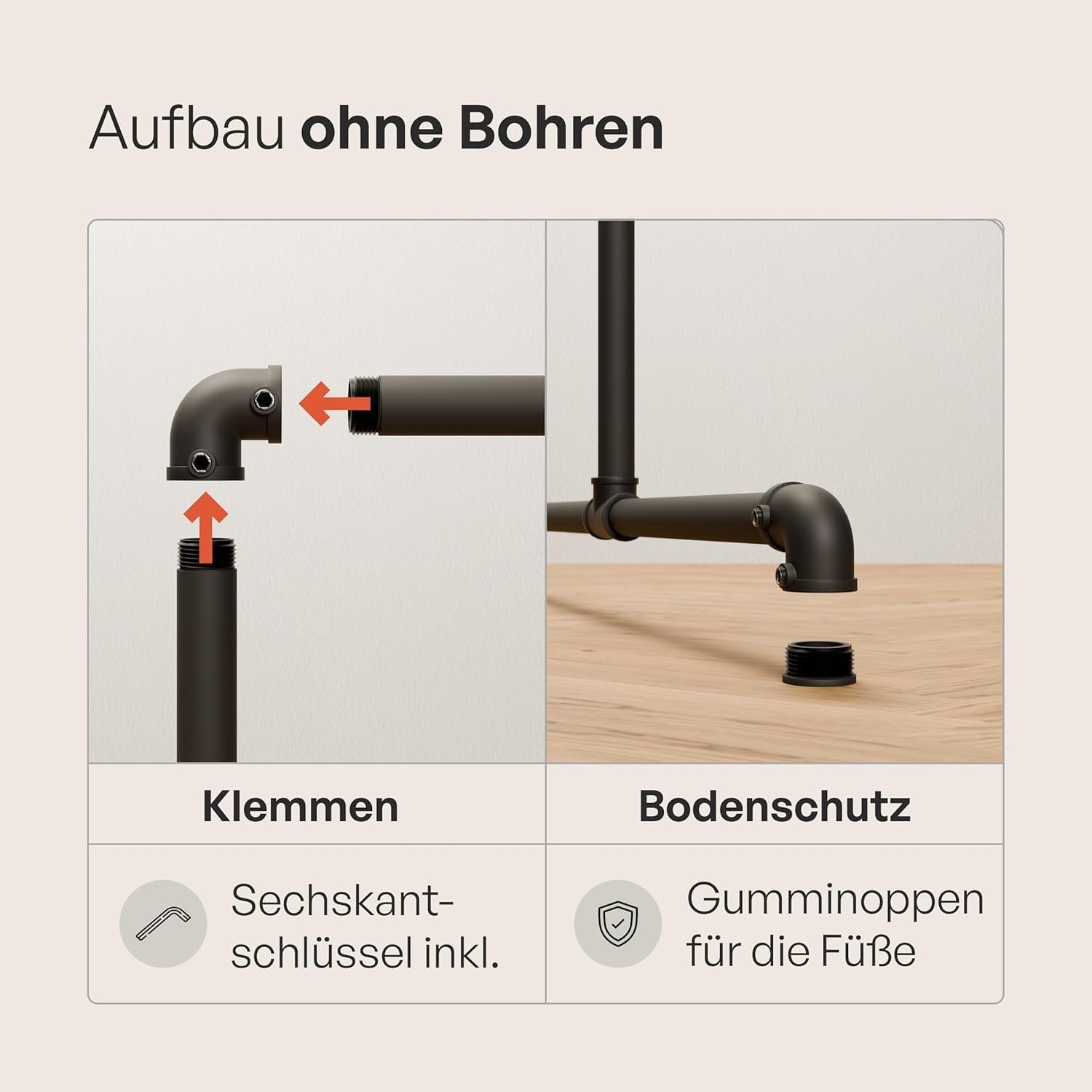
Figure 4.2: Detail of pipe clamping and floor protection with rubber feet.
5. Operating Instructions
The pamo Industrial Design Garment Rack is designed for organizing and storing clothing. Its robust construction allows for significant weight capacity.
- Hanging Clothes: Use standard hangers to hang garments on the horizontal pipes. Distribute weight evenly to maintain stability.
- Weight Capacity: The rack has a maximum load capacity of 175 pounds (60 kg). Avoid concentrating heavy items in one area.
- Freestanding Use: This model is designed to be freestanding. Ensure it is placed on a level surface. The non-slip felt pads provide stability and floor protection.
- Expandable System: The modular design allows for future expansion or reconfiguration. Additional components can be purchased separately to adapt the rack to changing needs.
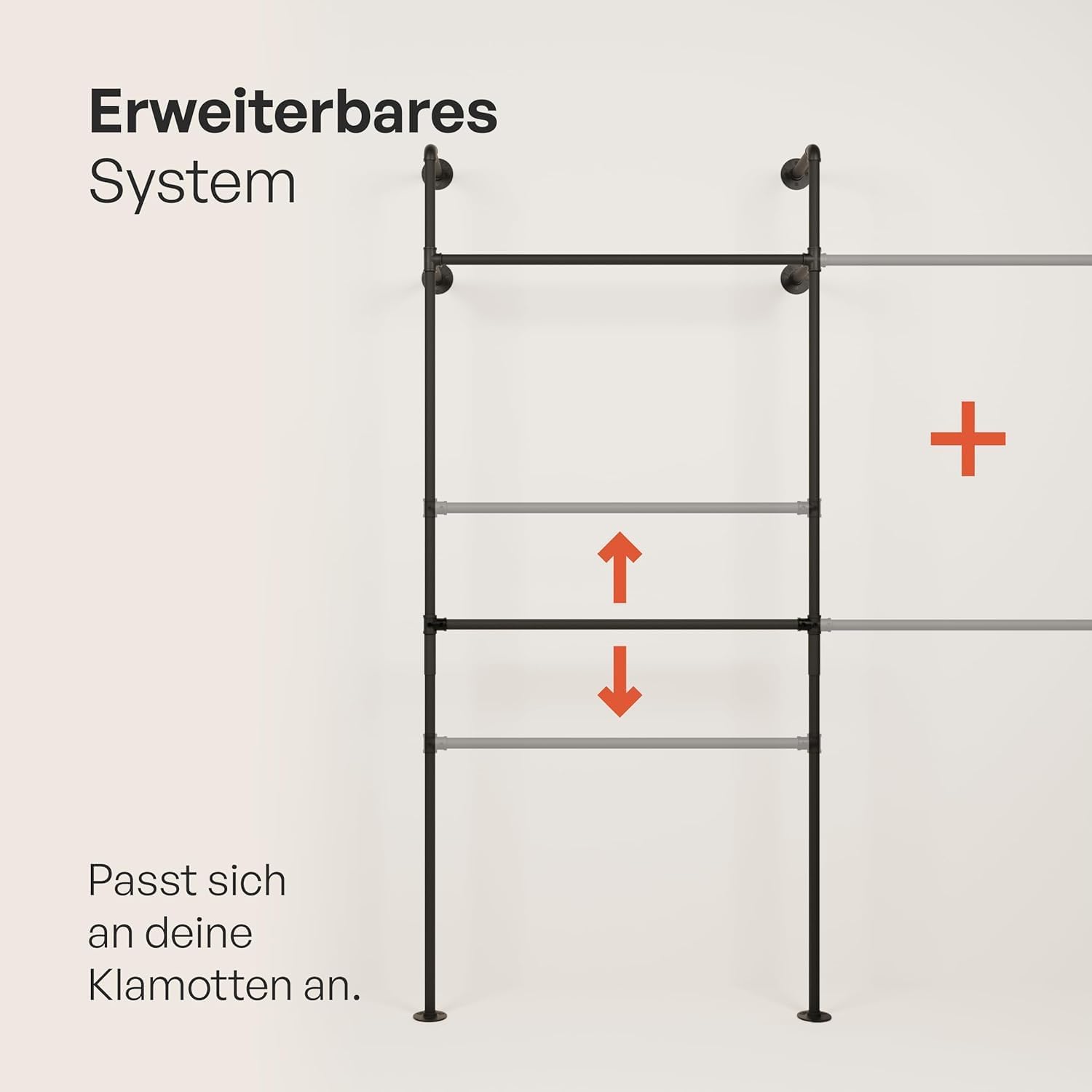
Figure 5.1: The modular system allows for expansion and customization.
6. Maintenance
Proper care will ensure the longevity and appearance of your garment rack.
- Cleaning: Wipe the metal surfaces with a soft, damp cloth. Avoid abrasive cleaners or harsh chemicals, as these can damage the powder-coated finish.
- Inspection: Periodically inspect all connections and joints for tightness. Re-tighten any loose screws using the hex key.
- Floor Pads: Check the non-slip felt pads for wear and tear. Replace them if they become damaged to continue protecting your floor.

Figure 6.1: The MatteGuard coating provides a durable, scratch-resistant surface.
7. Troubleshooting
If you encounter any issues with your garment rack, refer to the following common problems and solutions.
| Problem | Possible Cause | Solution |
|---|---|---|
| Rack is wobbly/unstable | Loose connections; uneven floor; overloaded | Tighten all screw connections. Ensure the rack is on a level surface. Redistribute weight or reduce load. |
| Pipes do not fit together | Incorrect orientation; debris in threads | Ensure pipes are aligned correctly. Check threads for any obstructions and clear if necessary. |
| Scratches on floor | Missing or worn felt pads | Ensure felt pads are properly attached to all feet. Replace worn pads if necessary. |
8. Specifications
| Brand | pamo |
| Model | LAS 1 Standard (P-01-087) |
| Color | Black |
| Material | Metal (Solid steel tubes, malleable cast iron fittings) |
| Finish Type | Powder Coated (MatteGuard) |
| Product Dimensions (H x W x D) | Approx. 76.38" x 38.98" x 23.62" (194 cm x 99 cm x 60 cm) |
| Installation Type | Free Standing |
| Load Capacity | 175 Pounds (60 Kilograms) |
| Assembly Required | Yes |
| Special Features | Easy to Install, Non-slip Felt Pads, Scratch-resistant |

Figure 8.1: Product dimensions for the LAS 1 Standard Garment Rack.
9. Warranty and Support
For information regarding product warranty, please refer to the documentation provided with your purchase or visit the official pamo website. If you require assistance with assembly, have questions about product functionality, or need to report a missing/damaged part, please contact pamo customer support.
Contact Information: Please refer to the contact details provided on the product packaging or the official pamo website for the most up-to-date support information.