
1. Introduction
This manual provides essential information for the proper installation, operation, and maintenance of your SITERWELL GS886-H04 Smoke Detector. This device is designed to provide early warning of smoke and fire, enhancing the safety of your home. Please read this manual thoroughly before installation and retain it for future reference.
2. Product Overview
The SITERWELL GS886-H04 is a photoelectric smoke detector featuring a 10-year sealed battery and bilingual voice alerts. It is designed to meet UL217-9th edition standards for enhanced fire detection and reduced nuisance alarms.
Key Features:
- 10-Year Sealed Battery: Provides long-lasting power without frequent battery changes.
- UL217-9th Certified: Complies with the latest safety standards for reliable detection.
- Bilingual Voice Alerts: Delivers clear warnings in English and French.
- Photoelectric Sensor: Advanced technology for swift smoke detection and reduced false alarms.
- LED Indicator: Visual status for power, fault, and alarm conditions.
- Test/Silence Button: Easy operation for testing and silencing alarms.
Components:
- Smoke Detector Unit
- Mounting Bracket
- Screws and Anchors
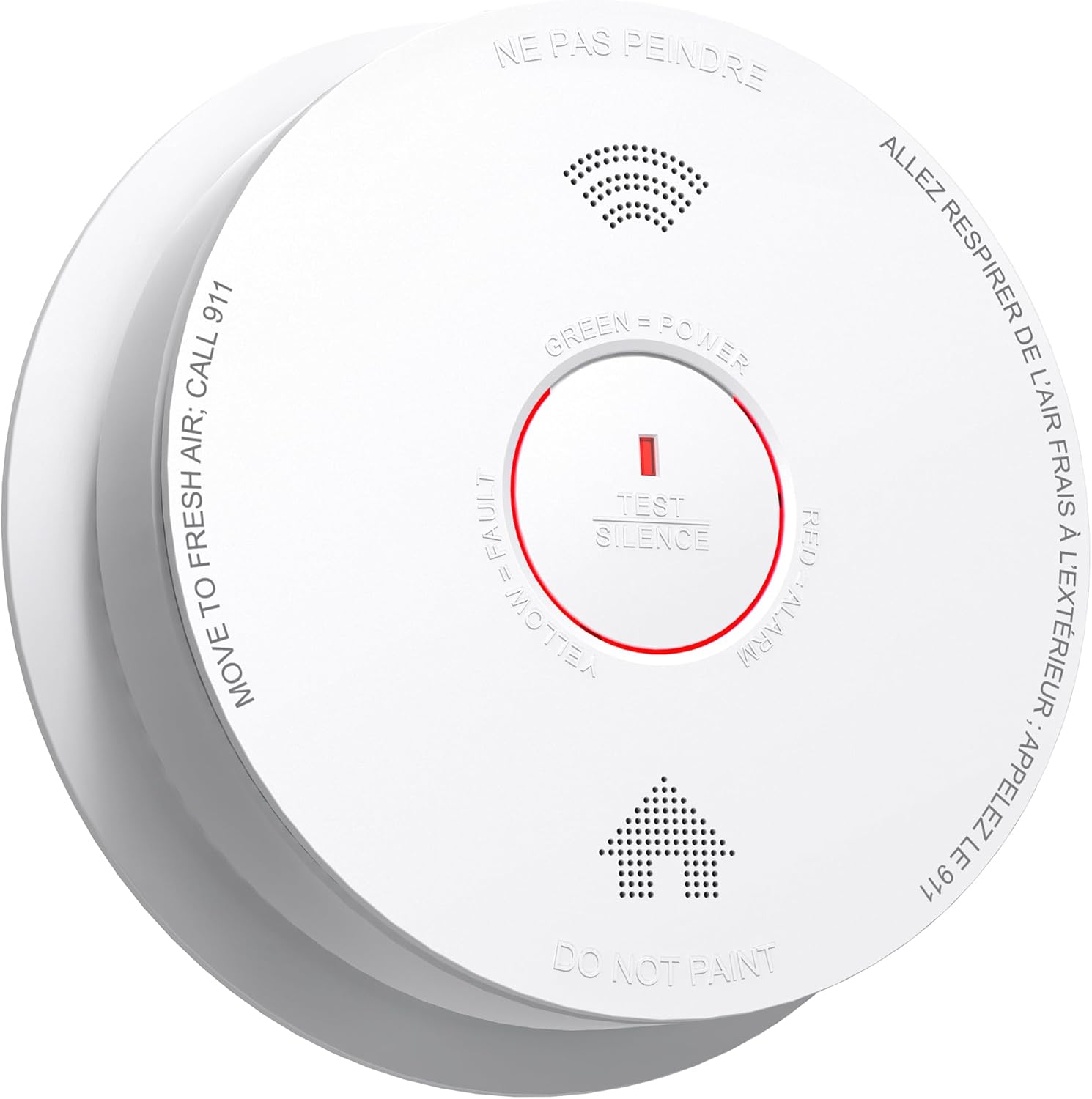
Figure 2.1: Front view of the SITERWELL GS886-H04 Smoke Detector, showing the central test/silence button, LED indicator, and printed instructions for fresh air and emergency calls.

Figure 2.2: Rear view of the smoke detector, illustrating the sealed battery compartment and the 'ACTIVATE' switch for initial setup.
3. Setup and Installation
Recommended Placement:
- Install smoke detectors on every level of your home, including basements.
- Place detectors inside and outside sleeping areas.
- Mount on the ceiling or high on a wall (at least 4 inches from the ceiling).
- Avoid placing near windows, doors, or air vents where drafts might interfere with detection.
- Keep away from cooking appliances to minimize nuisance alarms.
Installation Steps:
- Choose Location: Select a suitable location following the placement guidelines.
- Mount Bracket: Use the provided screws and anchors to securely attach the mounting bracket to the ceiling or wall.
- Activate Battery: Twist the detector onto the mounting bracket. This action will activate the sealed 10-year battery. You should hear a chirp or voice prompt indicating activation.
- Test Unit: Press and hold the Test/Silence button for a few seconds until the alarm sounds. This confirms proper operation.
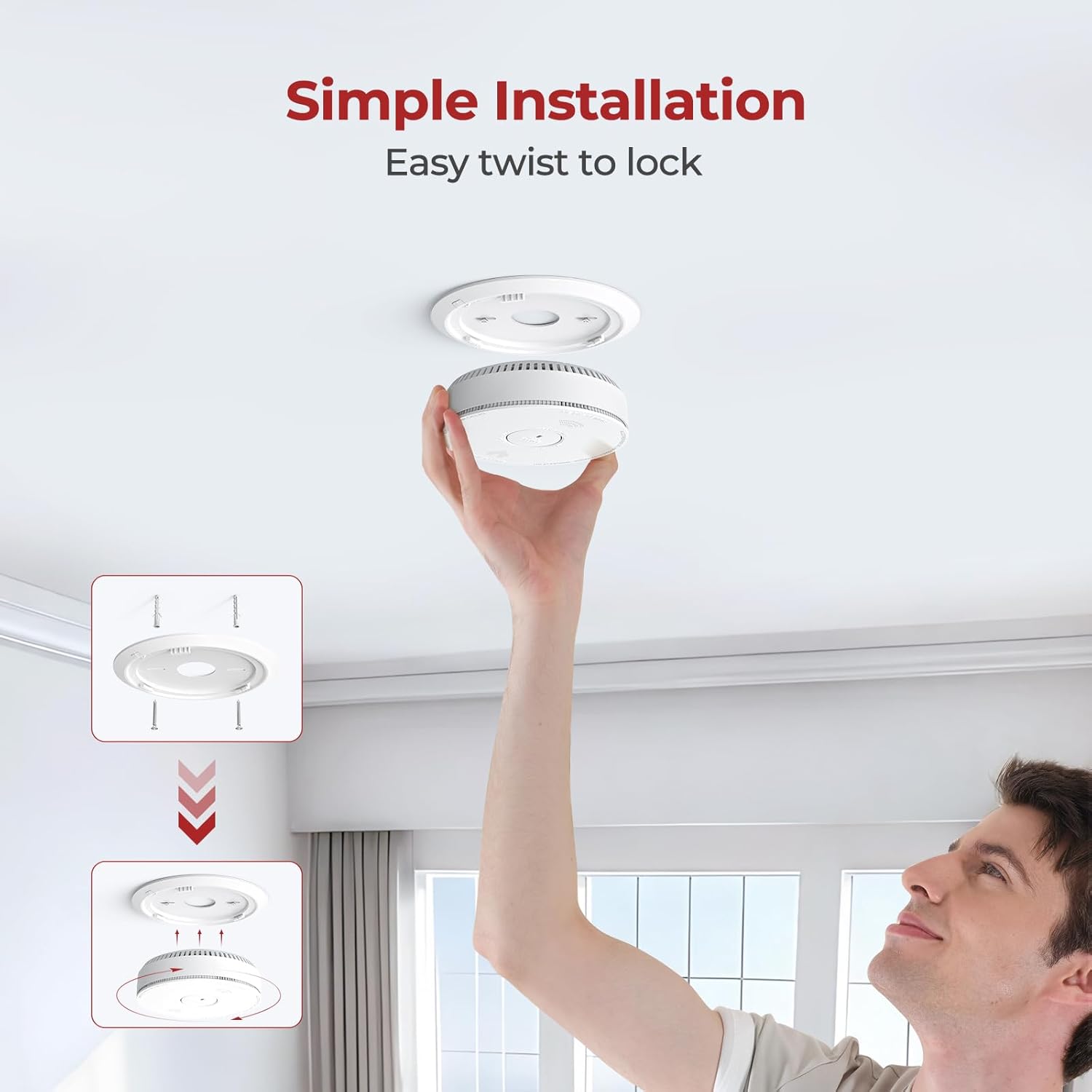
Figure 3.1: Illustration of the simple installation process, demonstrating how to attach the detector to its mounting bracket with a twist.
4. Operating Instructions
LED Indicator Status:
- Green LED: Indicates normal operation and power.
- Yellow LED: Indicates a fault or low battery condition.
- Red LED: Indicates an alarm condition (smoke detected).
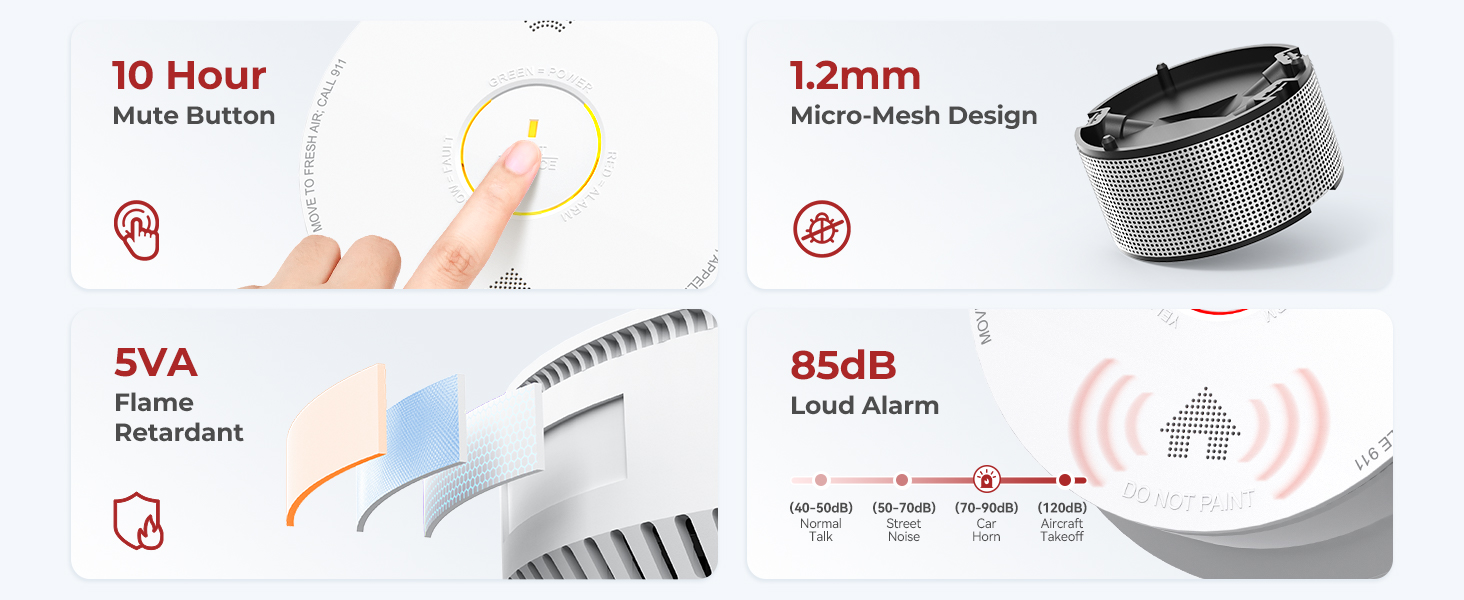
Figure 4.1: Visual guide to the LED indicator lights and their corresponding statuses.
Testing the Detector:
It is recommended to test your smoke detector weekly. Press and hold the Test/Silence button until the alarm sounds. The voice alert will announce "Fire!" in English and "Incendie!" in French, followed by a loud siren. Release the button to stop the alarm.
Silencing a Nuisance Alarm:
If a non-emergency event (e.g., cooking smoke) triggers the alarm, press the Test/Silence button to temporarily silence it for approximately 10 minutes. The detector will automatically reset after the silence period if the smoke has cleared. If smoke is still present, the alarm will reactivate.

Figure 4.2: The detector provides clear voice alerts in both English and French for effective communication during emergencies.

Figure 4.3: The advanced photoelectric sensor and intelligent chipset help distinguish between actual smoke and harmless particles like cooking fumes, reducing false alarms.
5. Maintenance
Cleaning Your Detector:
Dust and debris can accumulate on the smoke detector and affect its performance. Clean your detector at least once a month:
- Gently vacuum the exterior of the detector using a soft brush attachment.
- Wipe the cover with a clean, damp cloth. Do not use cleaning solvents or sprays.
End of Life Indication:
The SITERWELL GS886-H04 is equipped with a 10-year sealed battery. After approximately 10 years of operation, the detector will emit an end-of-life signal (typically a series of chirps) to indicate that it needs to be replaced. Replace the entire unit promptly when this occurs.
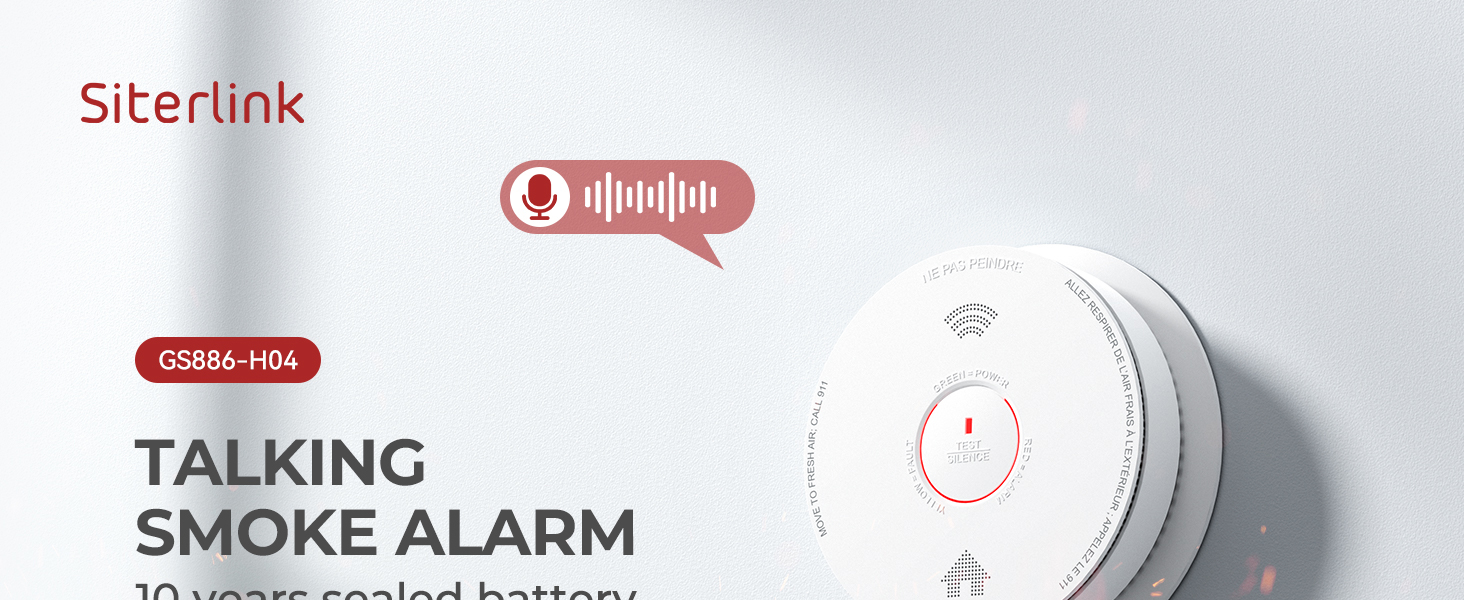
Figure 5.1: The detector features a 10-year sealed battery, eliminating the need for frequent battery replacements.
6. Troubleshooting
| Problem | Possible Cause | Solution |
|---|---|---|
| Detector chirps periodically | Low battery or end-of-life signal. | Replace the entire smoke detector unit. |
| Nuisance alarms (false alarms) | Cooking fumes, steam, dust, or high humidity. | Press the Test/Silence button. Relocate the detector if nuisance alarms persist in a specific area. Ensure proper ventilation during cooking. |
| Detector does not sound during test | Battery not activated or unit is faulty. | Ensure the detector is properly twisted onto the mounting bracket to activate the battery. If still unresponsive, replace the unit. |
| Red LED flashes but no alarm sound | Faulty speaker or internal issue. | Replace the smoke detector unit. |
7. Specifications
- Model: GS886-H04
- Sensor Type: Photoelectric
- Battery: 10-Year Sealed Lithium Battery
- Alarm Volume: 85dB at 3 meters (10 feet)
- Voice Alerts: English and French
- Certifications: UL217-9th, ETL Listed, Intertek 5019856, California State Fire Marshal
- Operating Temperature: 40°F (4.4°C) to 100°F (37.8°C)
- Operating Humidity: 10% to 95% RH (non-condensing)
- Dimensions: Approximately 6.1 x 6.1 x 1.6 inches
- Weight: Approximately 12 ounces
- UPC: 725576461108
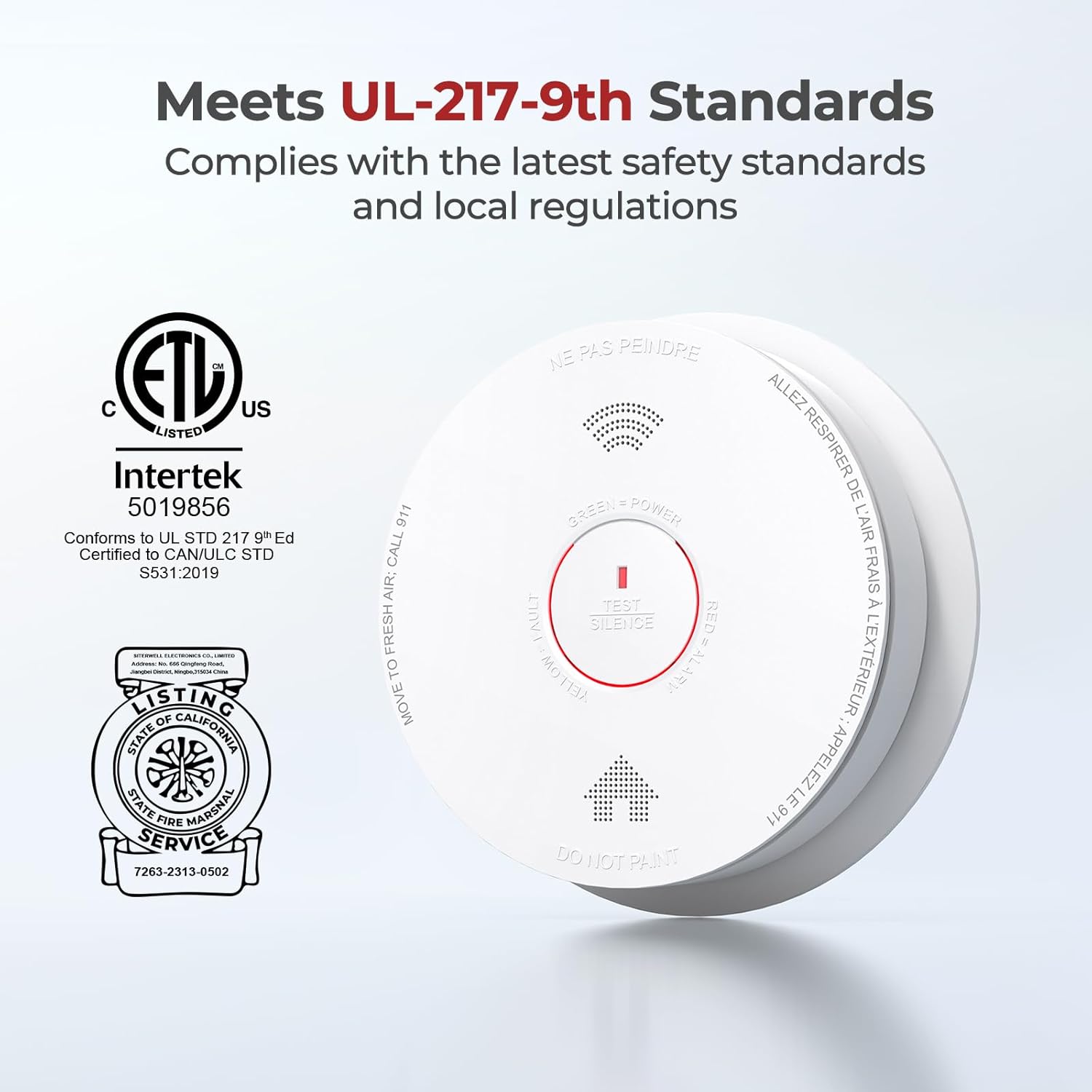
Figure 7.1: The detector is certified by trusted authorities, ensuring compliance with safety standards.
8. Safety Information
- Emergency Procedure: In case of a fire alarm, immediately evacuate all occupants to a safe location outside the building. Once safe, call emergency services (911 in the US).
- Do Not Paint: Never paint the smoke detector. Paint can clog the sensing chambers and prevent the unit from operating correctly.
- Regular Testing: Test your smoke detector weekly to ensure it is functioning properly.
- Replacement: Replace the entire smoke detector unit every 10 years, or immediately if it malfunctions.
- Children: Teach children what the smoke alarm sounds like and what to do when they hear it.
9. Warranty and Support
Specific warranty details are not provided in this manual. For warranty information, technical support, or any questions regarding your SITERWELL GS886-H04 Smoke Detector, please contact SITERWELL customer service through their official channels or the retailer where the product was purchased.


