
ENGWE LE20 Cargo Ebike
ENGWE LE20 Cargo Ebike User Manual
Brand: ENGWE
1. Introduction
The ENGWE LE20 Cargo Ebike is a versatile electric bicycle designed for various uses, including short trips, cargo transport, and family outings. Its robust design and powerful motor make it suitable for diverse terrains and heavy loads.
Key features include a 1300W peak motor, 48V 19.2AH removable battery, a maximum speed of 28 MPH, and a cargo capacity of up to 440 lbs. The ebike is equipped with advanced safety features and designed for a comfortable riding experience.
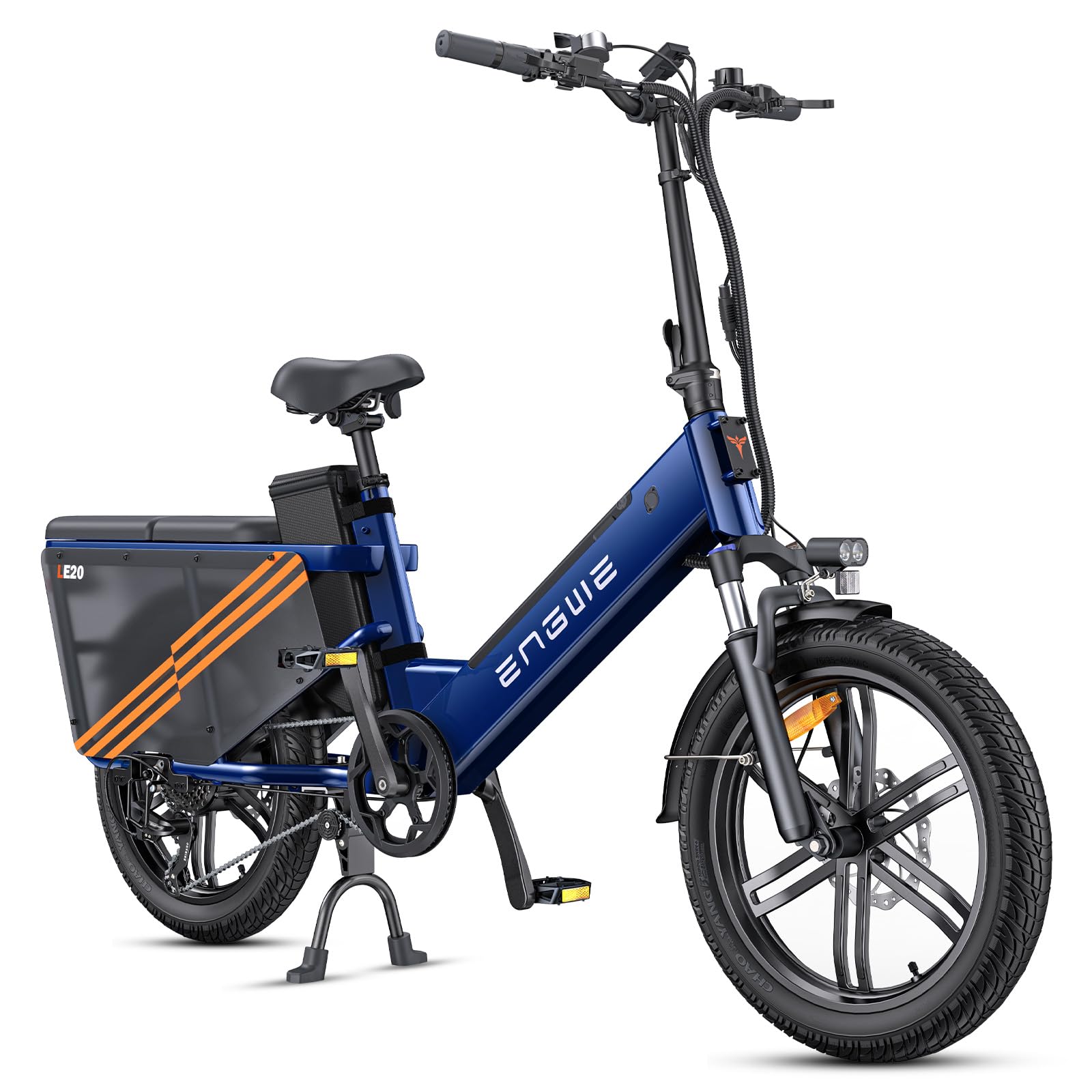
Image: The ENGWE LE20 Cargo Ebike, showcasing its robust frame and cargo capabilities.
2. Safety Information
Always prioritize safety when operating your ENGWE LE20 Cargo Ebike. Adhere to local traffic laws and wear appropriate safety gear, including a helmet. This ebike is UL 2849 Certified and GCC compliant, ensuring it meets industry-leading safety protocols.
- Brakes: The 180mm Hydraulic Disc Brakes provide strong and reliable stopping power in various weather conditions. Regularly check brake function.
- Lighting: Equipped with a headlight, rear light, and turn signals for high visibility, especially important on busy roads.
- Safety Board: The integrated safety board prevents objects from interfering with the rear wheel, enhancing safety for cargo or passengers.
- Weight Limit: Do not exceed the maximum weight recommendation of 440 lbs (200 kg).
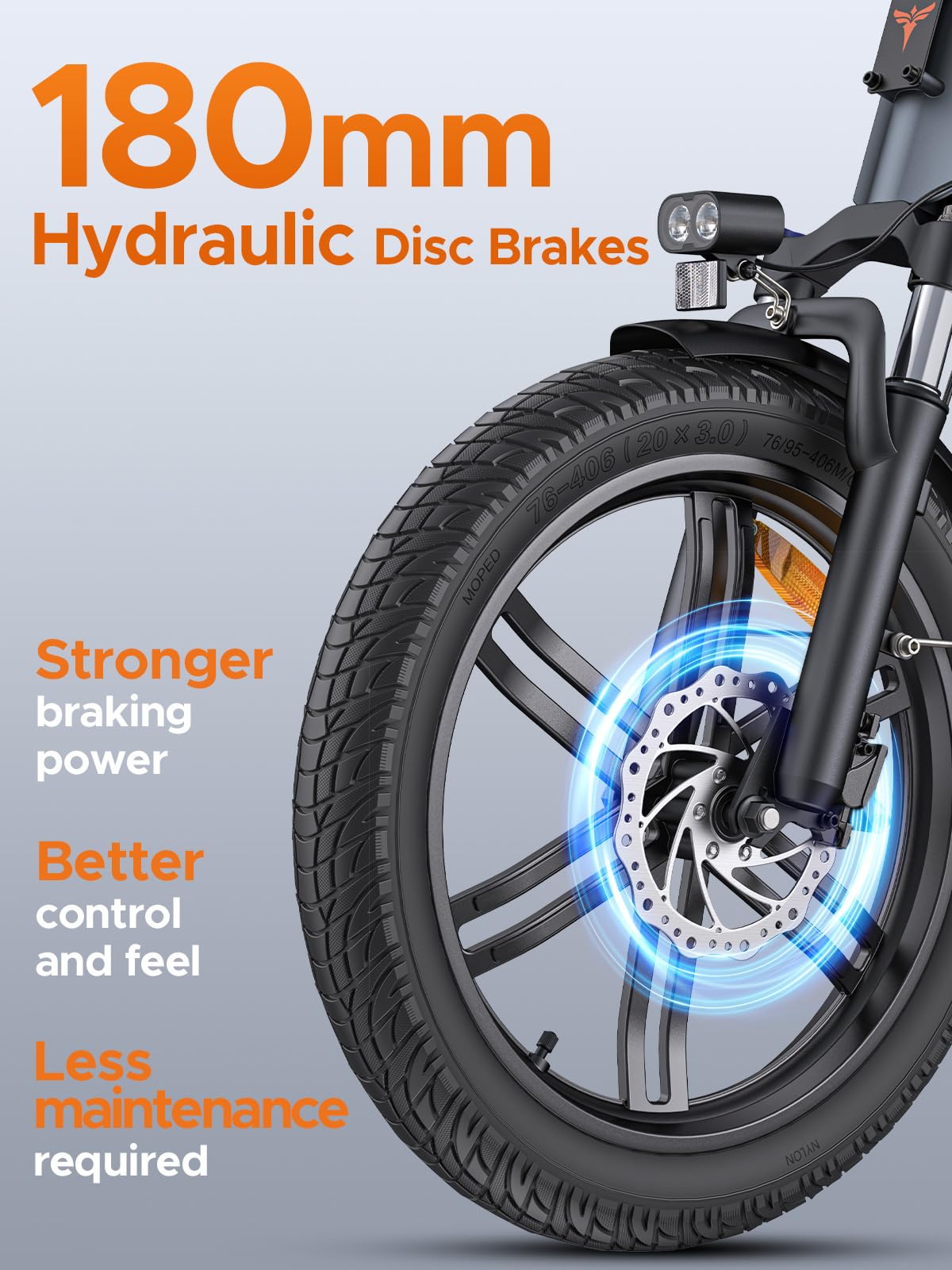
Image: Detail of the 180mm Hydraulic Disc Brakes, highlighting their robust design for enhanced stopping power.
3. Package Contents
Upon unboxing your ENGWE LE20 Cargo Ebike, please verify that all the following components are included:
- LE20 Cargo E-bike (1 unit)
- Battery Charger (1 unit)
- Assembly Tool kit (1 set)
- English User Manual (1 unit)
- 48V 19.2Ah Lithium-Ion Battery (1 unit)
4. Setup and Assembly
The ENGWE LE20 Ebike arrives 85% pre-assembled. Follow these steps to complete the assembly process. For a visual guide, please refer to the official Unboxing & Assembly video below.
4.1. Official Assembly Video
Video: ENGWE LE20 Unboxing & Assembly. This video provides a comprehensive visual guide for setting up your new ebike.
4.2. Handlebar Installation
- Insert the handlebar stem into the head tube of the frame.
- Adjust the height and orientation of the handlebar for comfortable riding.
- Secure the handlebar stem by tightening the quick-release lever and any necessary bolts with the provided tools.
4.3. Front Fender and Front Wheel Installation
- Remove the protective rod from the front fork. Discard this rod.
- Attach the front fender to the front fork using the provided screws.
- Carefully align the front wheel with the fork dropouts, ensuring the brake rotor slides into the brake caliper.
- Secure the front wheel using the axle nuts. Ensure they are tightened firmly.
4.4. Pedal and Saddle Seat Installation
- Identify the left (L) and right (R) pedals. The left pedal tightens counter-clockwise, and the right pedal tightens clockwise.
- Thread the pedals into the crank arms and tighten them securely with a wrench.
- Insert the saddle seat post into the seat tube. Adjust the height to your preference.
- Important: Ensure the height safety line of the security tube is not visible above the frame. Secure the seat post with the quick-release clamp.
4.5. Taillight Installation
- Attach the taillight to the designated mounting point on the rear rack.
- Secure it firmly with the provided screws.
4.6. Battery Installation
- Insert the removable battery into its compartment on the frame.
- Use the key to lock the battery securely in place.
- Check the battery charge indicator.
4.7. Functional Testing
- Lights: Press and hold the '+' button on the control panel for 3 seconds to turn on the headlights and taillights.
- Brakes: Squeeze the brake handles 3-5 times to test their functionality. Ensure both front and rear brakes engage properly.
- Throttle: Test the throttle response.
- First Ride Note: When riding for the first time, please ride at a low speed and try to squeeze the brake handle about 10 times repeatedly during riding to ensure that you can ride normally before having a pleasant riding experience.
5. Operating Instructions
Familiarize yourself with the controls and functions of your ENGWE LE20 Cargo Ebike for optimal performance and safety.
5.1. Powering On/Off
- To power on the ebike, ensure the battery is locked and press the power button on the control panel.
- To power off, press and hold the power button until the display turns off.
5.2. Pedal Assist System (PAS)
The LE20 features 7 adjustable speeds in PAS mode. Use the '+' and '-' buttons on the control panel to increase or decrease the assist level. Higher PAS levels provide more motor assistance while pedaling.
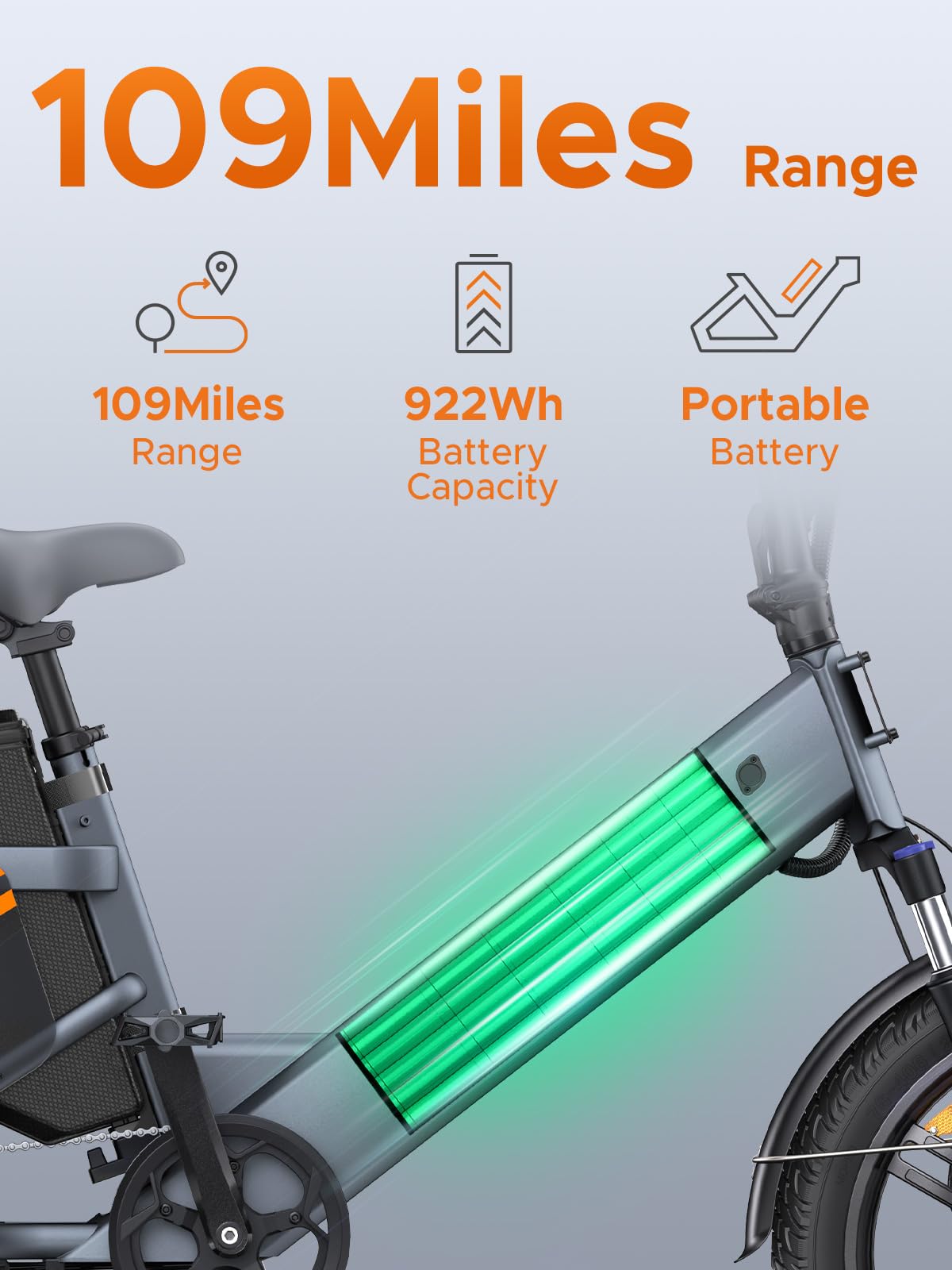
Image: Visual representation of the ebike's range and battery capacity, indicating extended travel possibilities.
5.3. Throttle Operation
The ebike can be operated in pure electric mode using the throttle. Gently twist the throttle to engage the motor without pedaling. The maximum speed in pure electric mode is 20 mph, and up to 28 mph in PAS mode.
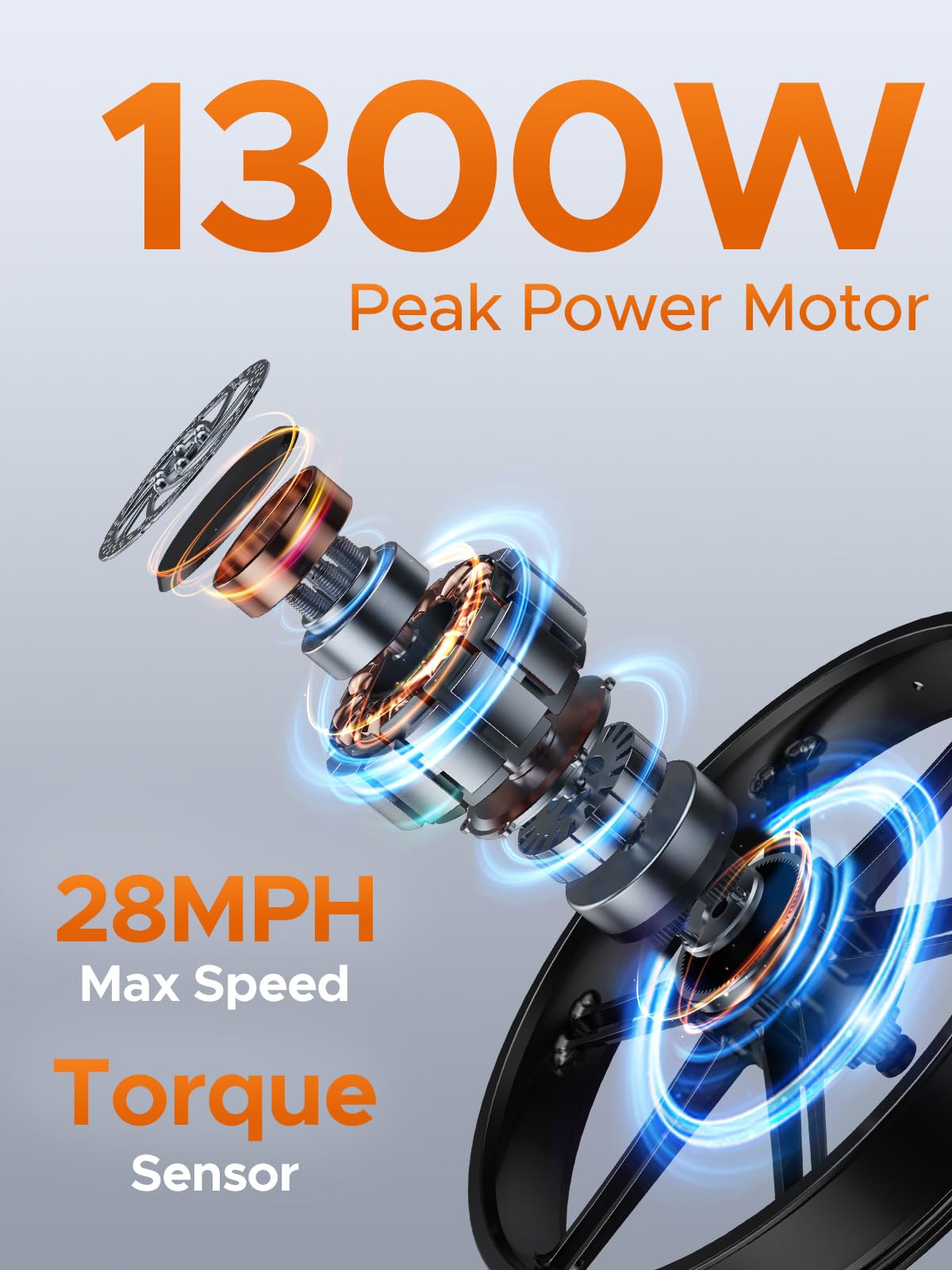
Image: Diagram illustrating the 1300W peak power motor and torque sensor, capable of reaching 28 MPH.
5.4. Display Functions
The digital display provides essential riding information, including current speed, distance traveled, battery level, and PAS mode. Refer to the detailed user manual for specific display settings and customization options.
5.5. Versatile Usage
The LE20 Cargo Ebike is designed for a variety of situations, from family outings to transporting goods. Its 440 lbs (200 kg) cargo capacity and extended rear rack allow for versatile loading options, including children, pets, and groceries.
Video: LE20 Cargo Ebike is suitable for a variety of situations. This video demonstrates the ebike's adaptability for different uses.

Image: A family enjoying a ride on the ENGWE LE20 Cargo Ebike, showcasing its capacity for passengers and pets.

Image: A woman transporting groceries on the ENGWE LE20 Cargo Ebike, demonstrating its utility for daily errands.
6. Maintenance
Regular maintenance ensures the longevity and optimal performance of your ENGWE LE20 Cargo Ebike.
- Battery Care: The 48V 19.2AH removable lithium battery typically charges in 5-6 hours. For faster charging (2-3 hours), an optional 8A charger (ASIN: B0DHKQDR3M) is available for purchase. Store the battery in a cool, dry place and avoid extreme temperatures.
- Tires: The 20x3" puncture-resistant tires are designed for durability across various terrains. Regularly check tire pressure and inspect for wear or damage.
- Brakes: Periodically inspect the 180mm Hydraulic Disc Brakes for proper function and wear on the brake pads. Adjust or replace as needed.
- Cleaning: Clean the ebike regularly with a damp cloth. Avoid using high-pressure water jets directly on electrical components.
- General Inspection: Before each ride, perform a quick check of all bolts, connections, and moving parts to ensure they are secure and functioning correctly.
7. Troubleshooting
This section addresses common issues you might encounter with your ENGWE LE20 Cargo Ebike.
- Headlights/Taillights Not Turning On: If your lights do not activate, check the "auto-on lights" setting in the on-screen options. This setting may not be enabled by default. You can also temporarily turn on the lights by pressing the '+' speed/power control button, but be aware that this action might turn the auto-on setting off.
- Battery Not Charging: Ensure the charger is properly connected to both the ebike and a power outlet. Check for any damage to the charger or battery port.
- Motor Not Engaging: Verify that the battery is fully charged and securely installed. Check the display for any error codes. Ensure you are in a valid PAS mode or using the throttle correctly.
- Brake Squeal/Ineffectiveness: This may indicate worn brake pads or contamination on the rotors. Inspect and clean the brake system, or replace pads if necessary.
For issues not covered here, please contact customer support.
8. Specifications
| Feature | Detail |
|---|---|
| Bike Type | Cargo Ebike, Electric Bike |
| Age Range | Adult |
| Brand | ENGWE |
| Model Name | LE20 Cargo Ebike |
| Number of Speeds | 7 |
| Color | Blue+19.2Ah Battery |
| Wheel Size | 20 Inches |
| Frame Material | Aluminum |
| Suspension Type | Front |
| Special Features | Digital Display, Rechargeable, Headlight, Turn Signal, Adjustable Seat |
| Item Weight | 81.1 Pounds |
| Maximum Weight Recommendation | 440 Pounds |
| Wattage | 750 watts |
| Lithium Battery Energy Content | 19200 Milliampere Hour (mAh) |
| Certifications | UL 2849 Certified, GCC |

Image: Detailed dimensions and weight specifications for the ENGWE LE20 Cargo Ebike.
9. Warranty Information
The ENGWE LE20 Cargo Ebike comes with a 1-year limited warranty from the date of purchase. This warranty covers manufacturing defects and issues arising from normal use. Please retain your proof of purchase for warranty claims.
For detailed warranty terms and conditions, refer to the full warranty document included with your product or contact ENGWE customer support.
10. Support
Should you have any questions, require assistance with assembly, operation, or encounter any issues with your ENGWE LE20 Cargo Ebike, our dedicated after-sales service team is available to help.
- Customer Service: Our team aims to reply to all inquiries within 24 hours.
- Online Resources: Visit the official ENGWE Store on Amazon for additional product information, FAQs, and accessories: ENGWE Store
Ask a question about this manual
Ask about setup, troubleshooting, compatibility, parts, safety, or missing instructions. Manuals+ will review the question and use this page’s manual context to help answer it.