
Introduction
This manual provides detailed instructions for the assembly and care of your TAMIYA 1/48 Lockheed Martin F-35C Lightning II plastic model kit. This kit is part of the Masterpiece Machine Series, designed for accurate reproduction and ease of assembly. The F-35C variant features specific details distinguishing it from A-type and B-type models, including robust landing gear, an arresting hook, and folding wingtips, characteristic of a carrier-based aircraft.
The assembled model will have an approximate total length of 327 mm (12.8 inches) and a total width of 273 mm (10.7 inches).
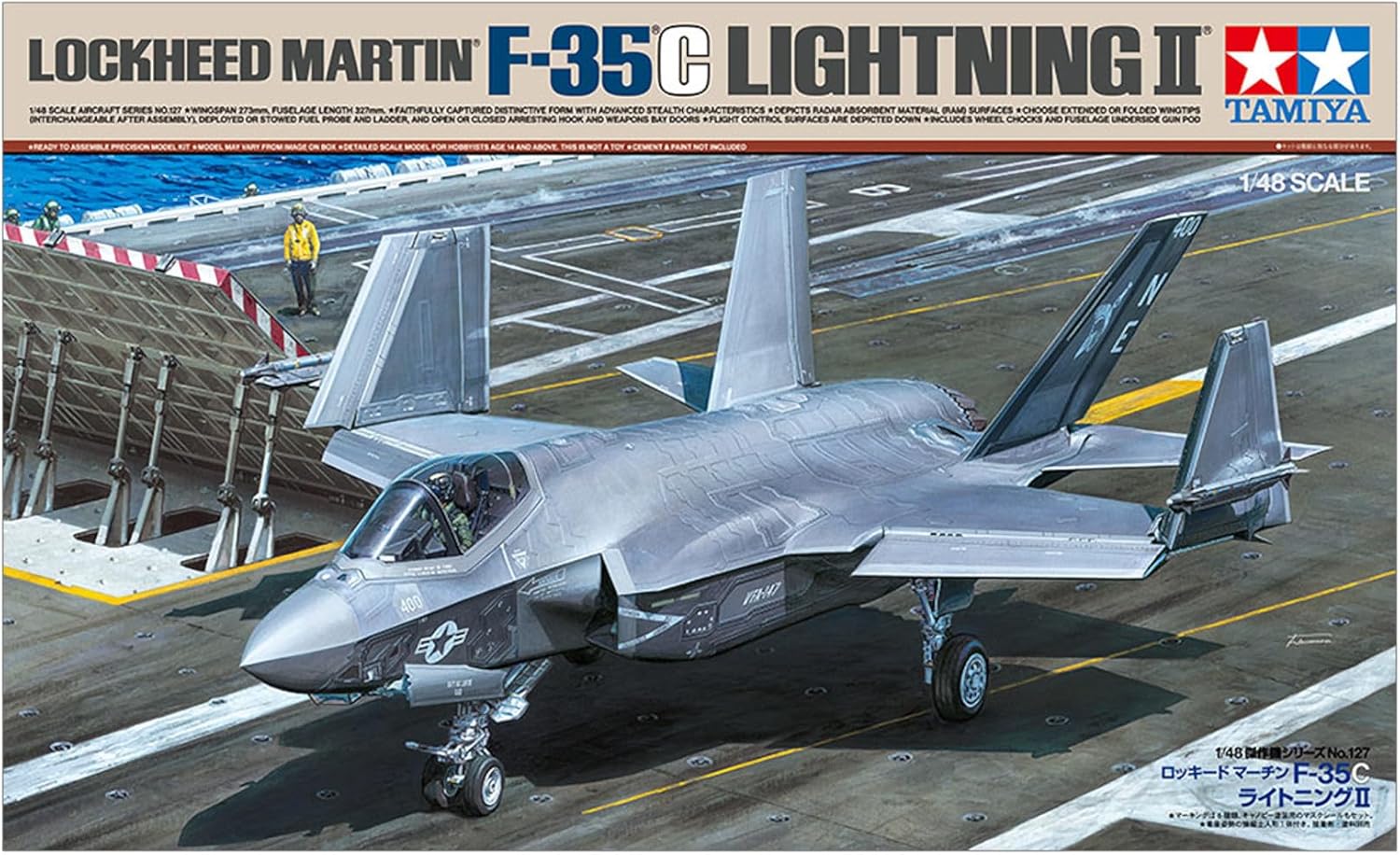
Figure 1: Packaging for the TAMIYA 1/48 Lockheed Martin F-35C Lightning II model kit, showing the F-35C aircraft on an aircraft carrier deck.
Product Features
The TAMIYA 1/48 Lockheed Martin F-35C Lightning II model kit includes the following features:
- Fuselage parts are newly molded, excluding canopy and weapons bay doors parts, ensuring accurate representation.
- Fine recreations of Radar Absorbent Material (RAM) are molded into fuselage surfaces for enhanced realism.
- Multiple configuration options are available for assembly:
- Deployed or folded wingtips: Parts can be interchanged after initial assembly.
- Deployed or stowed air fuel probe: Located on the right side of the nose.
- Open or closed arresting hook door: Allows for display in various states.
- Open or closed canopy: Parts can be interchanged after initial assembly.
- Open or closed weapons bay doors: For displaying internal ordnance.
- Deployed or stowed boarding ladder: Adds detail to the aircraft's ground configuration.
- Leading-edge and trailing-edge control surfaces are depicted in the down position.
- Parts to render wheel chocks are included for a static display.
- Features realistic renderings of pylons (F-35C's dedicated design) under wings and a lower fuselage gun pod. Note: The gun pod is not attached if using RCS enhancers.
What's in the Box
The TAMIYA 1/48 Lockheed Martin F-35C Lightning II model kit contains:
- Plastic Kit components for assembly.
Please note that adhesives, tools, paints, and batteries are not included and must be purchased separately.
Safety Information
This product is a plastic model kit intended for assembly. Please observe the following safety guidelines:
- Age Recommendation: This kit is recommended for ages 14 months and up. Adult supervision is advised for younger builders.
- Small Parts: The kit contains small parts that may pose a choking hazard. Keep out of reach of small children.
- Sharp Tools: Assembly requires the use of hobby knives, clippers, and other sharp tools. Handle with care to prevent injury.
- Adhesives and Paints: Use adhesives and paints in a well-ventilated area. Refer to the manufacturer's safety data sheets for specific product warnings and instructions. Avoid contact with skin and eyes.
- Ventilation: Ensure adequate ventilation when working with paints and glues.
Setup and Assembly Instructions
Follow the detailed instruction booklet included in your kit for step-by-step assembly. The general process involves:
- Preparation: Carefully remove parts from the sprues using appropriate tools. Clean any mold lines or excess plastic with a hobby knife or sanding stick.
- Sub-Assemblies: Begin by assembling smaller components such as the cockpit, landing gear, and weapons bays.
- Fuselage Assembly: Join the main fuselage sections, ensuring proper alignment.
- Wing and Tail Assembly: Attach the wings and tail sections. Pay attention to the optional folded wingtip configuration if desired.
- Detailing: Add smaller details such as the air fuel probe, arresting hook, and boarding ladder.
- Weapons and External Stores: Assemble and attach any desired weapons or external fuel tanks.
Refer to the diagrams in the included instruction manual for specific part numbers and assembly sequences.

Figure 2: Top-down view of the assembled TAMIYA F-35C model, showcasing the overall shape and surface details.
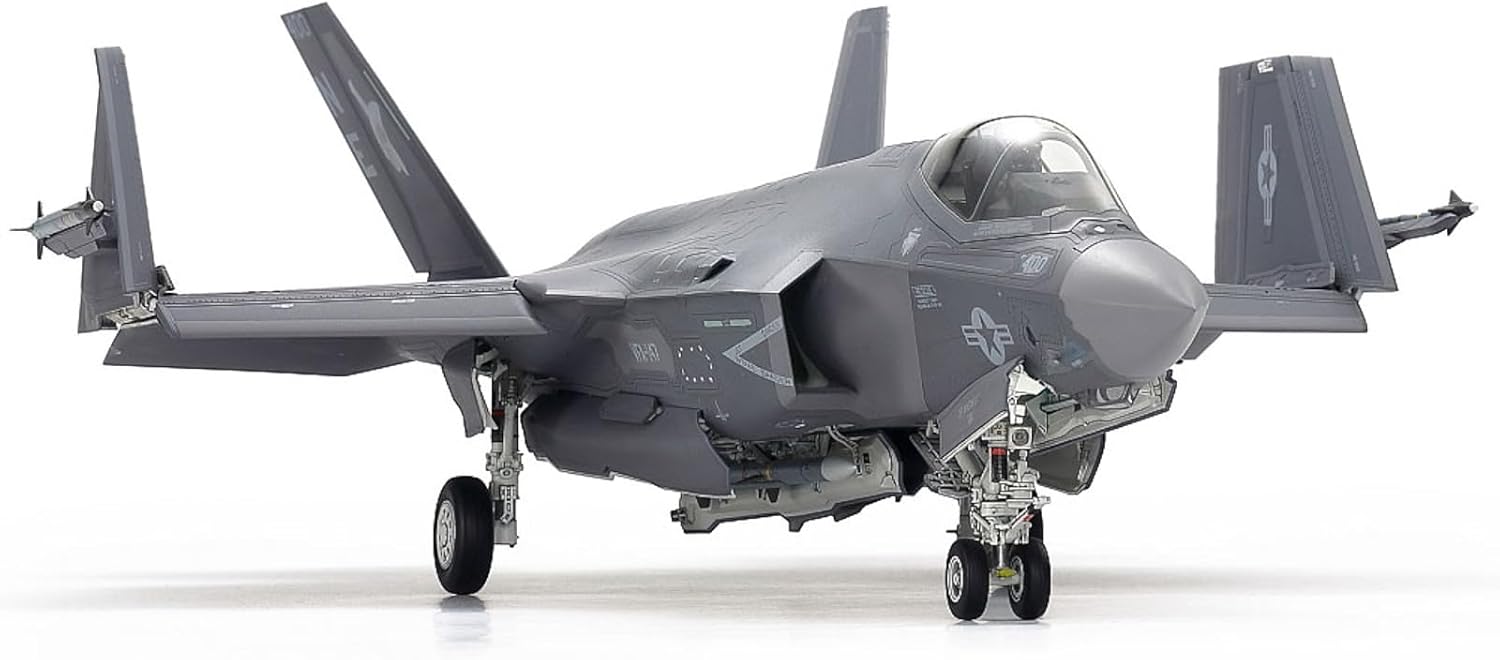
Figure 3: Frontal view of the assembled TAMIYA F-35C model, highlighting the landing gear and nose section.

Figure 4: Rear view of the assembled TAMIYA F-35C model, showing the engine exhaust and tail stabilizers.
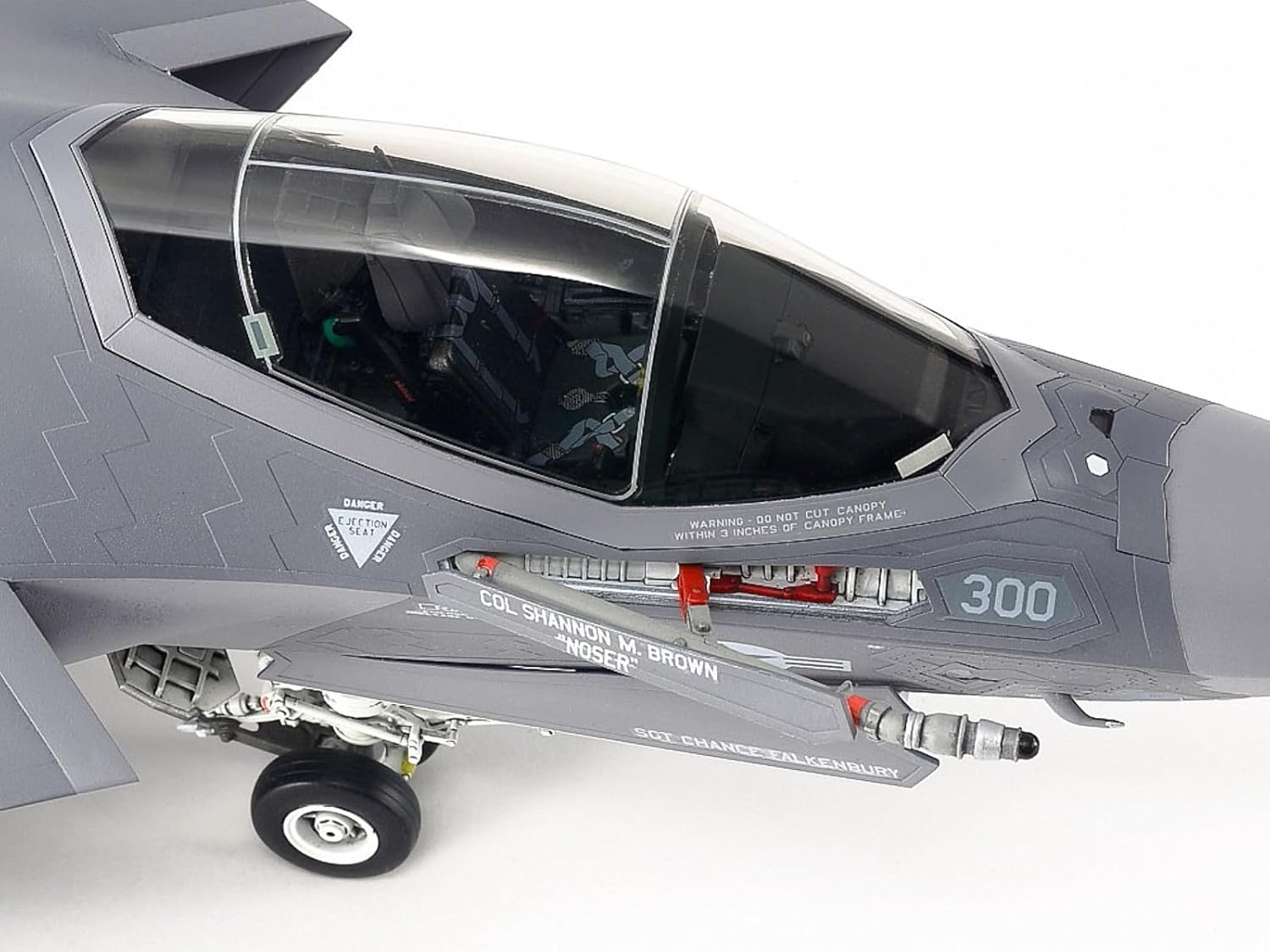
Figure 5: Close-up of the cockpit area and the deployed air refueling probe on the TAMIYA F-35C model.
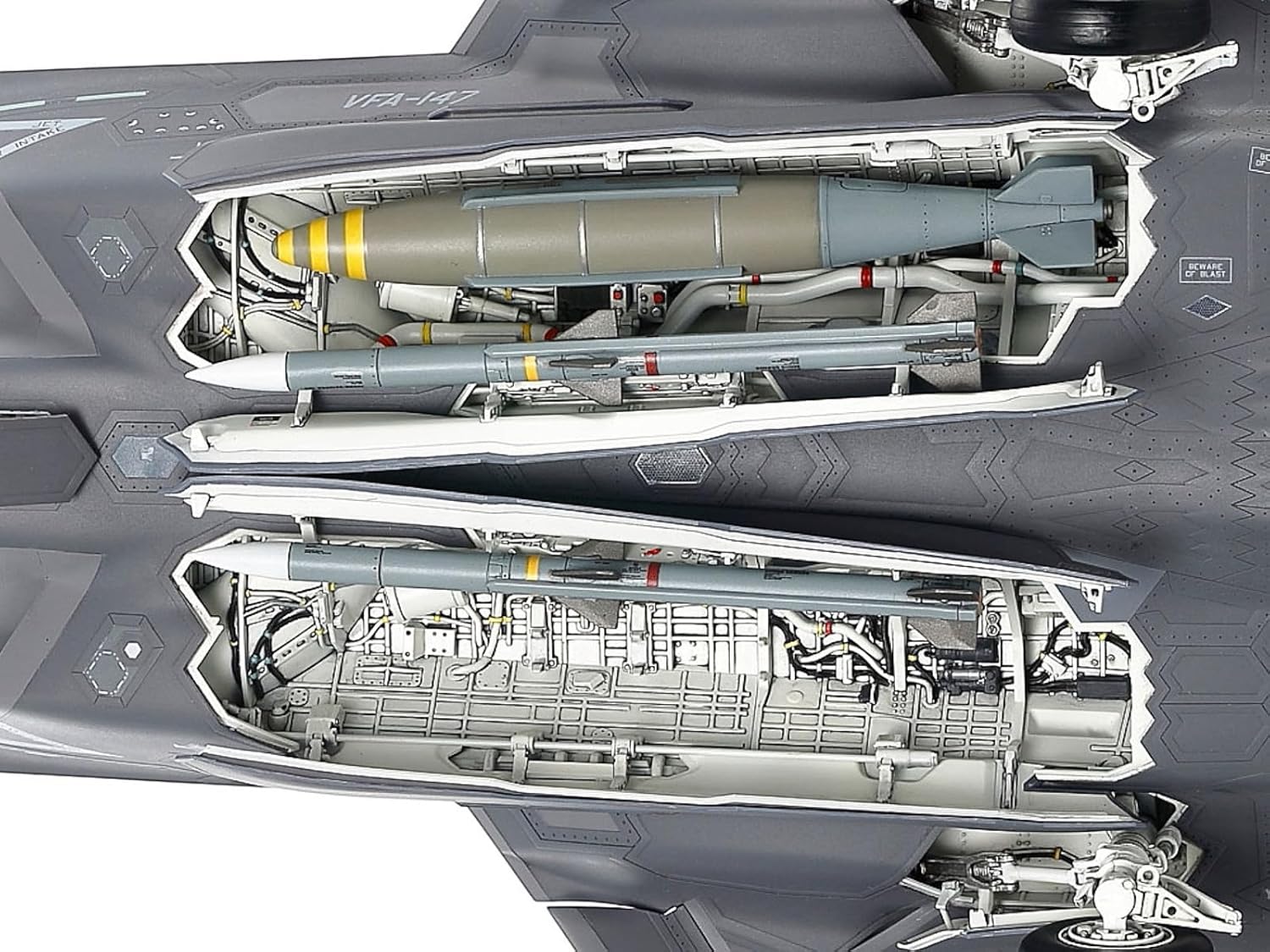
Figure 6: Detailed view of the open weapons bay on the TAMIYA F-35C model, showing internal ordnance.

Figure 7: Close-up of the external gun pod attached to the TAMIYA F-35C model.
Painting and Finishing
After assembly, the model can be painted and decaled to achieve a realistic finish. Refer to the kit's painting guide for recommended colors and camouflage patterns.
- Decals: Apply decals carefully using water and decal setting solutions as needed.
- Masking: Use masking tape or the provided masking stickers for precise paint application, especially for canopies and complex camouflage schemes.

Figure 8: Decal sheet 1 for the TAMIYA F-35C model, containing various markings and stencils.

Figure 9: Sheet of masking stickers provided with the TAMIYA F-35C model kit for precise painting.
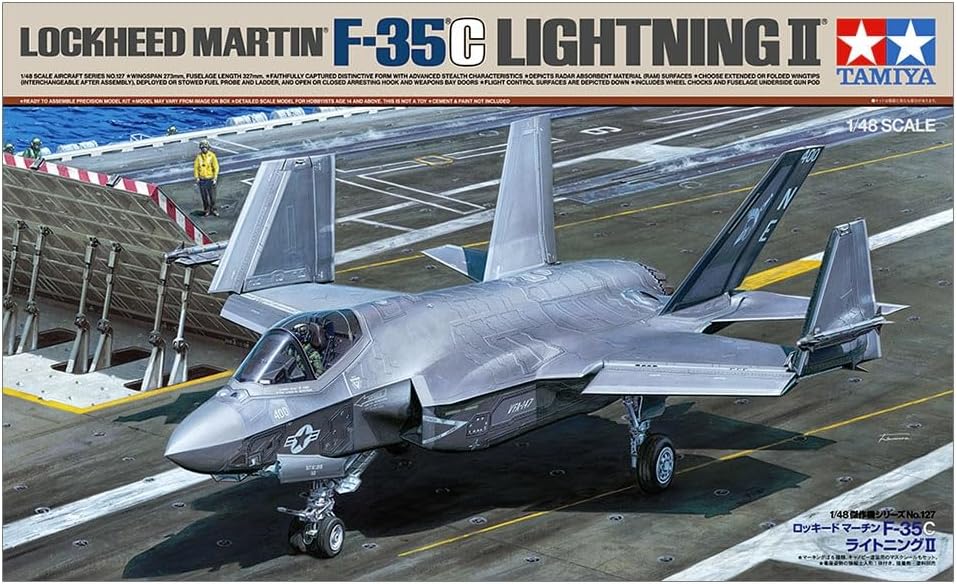
Figure 10: Decal sheet 2 for the TAMIYA F-35C model, including additional markings and weapon stencils.
Specifications
| Attribute | Detail |
|---|---|
| Product Dimensions (Assembled) | Total length 12.8 inches (327 mm), Total width 10.7 inches (273 mm) |
| Item Weight | 0.012 ounces (Kit components) |
| Item Model Number | 61127 |
| Manufacturer Recommended Age | 14 months and up |
| Manufacturer | Tamiya |
| Release Date | December 31, 2024 |
Maintenance
To ensure the longevity and appearance of your assembled model, consider the following maintenance tips:
- Cleaning: Dust your model regularly with a soft brush or a can of compressed air. Avoid using harsh chemicals or abrasive materials.
- Storage: Store the model in a cool, dry place away from direct sunlight to prevent paint fading or plastic warping.
- Handling: Handle the model by its sturdy parts, such as the main fuselage, to avoid damaging delicate components like antennas or landing gear.
Troubleshooting
If you encounter issues during assembly or with the finished model, consider these common troubleshooting steps:
- Parts Not Fitting: Ensure you are using the correct parts as indicated in the instruction manual. Sometimes, a small amount of sanding or trimming may be required for a perfect fit.
- Decal Issues: If decals do not adhere properly, ensure the surface is clean and smooth. Decal setting solutions can help them conform to irregular surfaces.
- Paint Problems: For issues like uneven paint, brush strokes, or poor adhesion, ensure the surface is clean, primed (if necessary), and that paint is properly thinned. Apply multiple thin coats rather than one thick coat.
- Missing Parts: Double-check the sprues and packaging. If a part is genuinely missing, contact Tamiya customer support.
Warranty and Support
For specific warranty information or technical support regarding your TAMIYA model kit, please refer to the documentation included in the product packaging or visit the official TAMIYA website. Tamiya is known for its quality products, and any manufacturing defects should be addressed through their customer service channels.
Official TAMIYA Website: www.tamiya.com


