
1. Product Overview
This RHYTHM TESTAMENT carburetor is designed as a direct replacement for specific Briggs & Stratton engine models, including 171432-0521-01, 171432-0522-01, and 171432-0525-01. Its primary function is to restore steady fuel delivery, ensuring smoother engine starts and consistent operation for tasks such as mowing.
The internal passages and calibrated jets are engineered to support balanced fuel flow, contributing to reliable equipment performance during extended use. This unit is constructed with a precisely machined intake bore measuring 1 7/16 inches and an overall height of 4 9/16 inches, providing a secure fit for engines requiring these specifications. Its design supports stable combustion, helping to maintain dependable power levels under heavy workloads.
This carburetor is a direct replacement for OEM part number 100020_557.
2. Safety Information
- Always disconnect the spark plug wire before performing any service or maintenance to prevent accidental engine starting.
- Work in a well-ventilated area when handling gasoline. Fuel vapors are highly flammable and explosive.
- Wear appropriate personal protective equipment, including safety glasses and gloves, when working with engine components and fuel.
- Ensure the engine is cool before attempting to remove or install the carburetor. Hot engine parts can cause burns.
- Dispose of old fuel and engine fluids responsibly according to local regulations.
- Keep children and pets away from the work area.
3. Package Contents
Verify that all items are present in the package:
- 1 × Carburetor
- 1 × Mounting Gasket
4. Specifications
| Feature | Specification |
|---|---|
| Brand | RHYTHM TESTAMENT |
| Model Numbers | 171432-0521-01, 171432-0522-01, 171432-0525-01 |
| OEM Part Number | 100020_557 |
| Flange Type | Two-bolt horizontal flange |
| Fuel Type | Gasoline |
| Intake Bore Measurement | 1 7/16 inches |
| Overall Height | 4 9/16 inches |
| Item Weight | 2 pounds |
| Package Dimensions | 5 x 4 x 3 inches |
5. Installation Guide
This carburetor is designed for direct replacement. Follow these general steps for installation. Always refer to your engine's specific service manual for detailed instructions.
- Preparation: Ensure the engine is off and cool. Disconnect the spark plug wire. Turn off the fuel supply and drain any fuel from the tank if necessary.
- Remove Air Filter Assembly: Carefully remove the air filter housing and any associated components to gain access to the carburetor.
- Disconnect Fuel Line and Linkages: Disconnect the fuel line from the old carburetor. Note the routing of all linkages (throttle, choke) and springs before detaching them. Taking a photo can be helpful.
- Remove Old Carburetor: Unbolt the old carburetor from the engine. Be mindful of any gaskets between the carburetor and the engine/intake manifold.
- Clean Mounting Surfaces: Thoroughly clean the mounting surfaces on the engine and intake manifold to ensure a proper seal with the new gasket.
- Install New Gasket: Place the new mounting gasket (included) onto the engine or carburetor, ensuring it aligns correctly with the bolt holes and passages.
- Mount New Carburetor: Position the new RHYTHM TESTAMENT carburetor onto the engine, aligning it with the bolt holes. Secure it with the original bolts, tightening them evenly to prevent warping.
- Reconnect Linkages and Fuel Line: Reattach all throttle and choke linkages and springs in their original positions. Connect the fuel line securely.
- Reinstall Air Filter Assembly: Reassemble the air filter housing and any other components removed during disassembly.
- Final Checks: Double-check all connections for tightness and proper routing. Reconnect the spark plug wire.

Figure 1: Front view of the RHYTHM TESTAMENT carburetor. This image shows the general appearance and main body of the carburetor.

Figure 2: Top view of the carburetor, illustrating the 1 13/16 inch flange width and 5/16 inch fuel line connection. This view is helpful for verifying mounting dimensions.
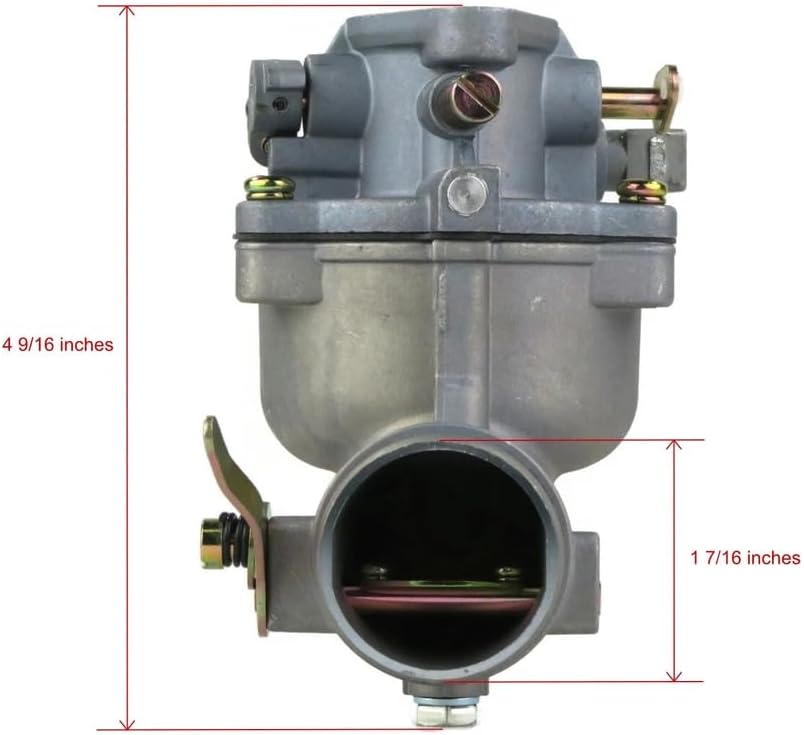
Figure 3: Side view of the carburetor, showing the overall height of 4 9/16 inches and the 1 7/16 inch intake bore. These dimensions are critical for fitment.
6. Operation
Once installed, the carburetor is designed to automatically mix air and fuel in the correct proportions for your engine. After installation, refill the fuel tank and turn on the fuel supply. The engine should now start and run smoothly, provided all other engine components are in good working order.
The carburetor's design supports consistent engine response, which is crucial for maintaining power levels during various operational demands, such as cutting tall grass or extended yard maintenance.
7. Maintenance
Regular maintenance of your engine and its components, including the carburetor, is essential for longevity and optimal performance.
- Fuel Quality: Always use fresh, clean gasoline. Stale or contaminated fuel can clog carburetor passages.
- Fuel Filter: Regularly check and replace the fuel filter to prevent debris from reaching the carburetor.
- Air Filter: A clean air filter is vital for proper air-fuel mixture. Clean or replace the air filter as recommended by your engine manufacturer.
- Adjustment Points: The carburetor features accessible adjustment points for seasonal tuning. If your engine's performance changes, consult your engine's service manual for specific adjustment procedures.
- Storage: Before long-term storage, run the engine until it runs out of fuel, or use a fuel stabilizer to prevent gum and varnish buildup in the carburetor.
8. Troubleshooting
If you experience issues after installing the new carburetor, consider the following common troubleshooting steps:
- Engine Not Starting:
- Check for fuel in the tank and ensure the fuel valve is open.
- Verify the spark plug is connected and in good condition.
- Ensure the choke is set correctly for starting.
- Check for proper installation of the carburetor and all linkages.
- Engine Runs Poorly/Roughly:
- Inspect the air filter for clogs.
- Check for vacuum leaks around the carburetor mounting gaskets.
- Ensure the fuel is fresh and not contaminated.
- Verify that all linkages are moving freely and not binding.
- Fuel Leaks:
- Check all fuel line connections for tightness.
- Ensure the carburetor mounting gasket is properly seated and not damaged.
- Inspect the float bowl for cracks or loose screws.
If issues persist after troubleshooting, it is recommended to consult a qualified engine technician or refer to your engine's specific service manual.
9. Warranty and Support
For information regarding warranty coverage or technical support for your RHYTHM TESTAMENT carburetor, please refer to the documentation provided with your purchase or contact the manufacturer directly. Keep your purchase receipt as proof of purchase.
Manufacturer: RHYTHM TESTAMENT