
1. Product Overview
The QRD Wireless Controller (Model: US-T5-JB02) is a high-performance replacement controller designed for Nintendo Switch, Switch Pro, Lite, and OLED models. It features advanced technologies such as Hall Effect joysticks for precise, drift-free control, dual vibration motors for immersive feedback, and a 6-axis gyroscope for accurate motion sensing. This controller also includes programmable back buttons and customizable LED backlighting, enhancing your gaming experience.
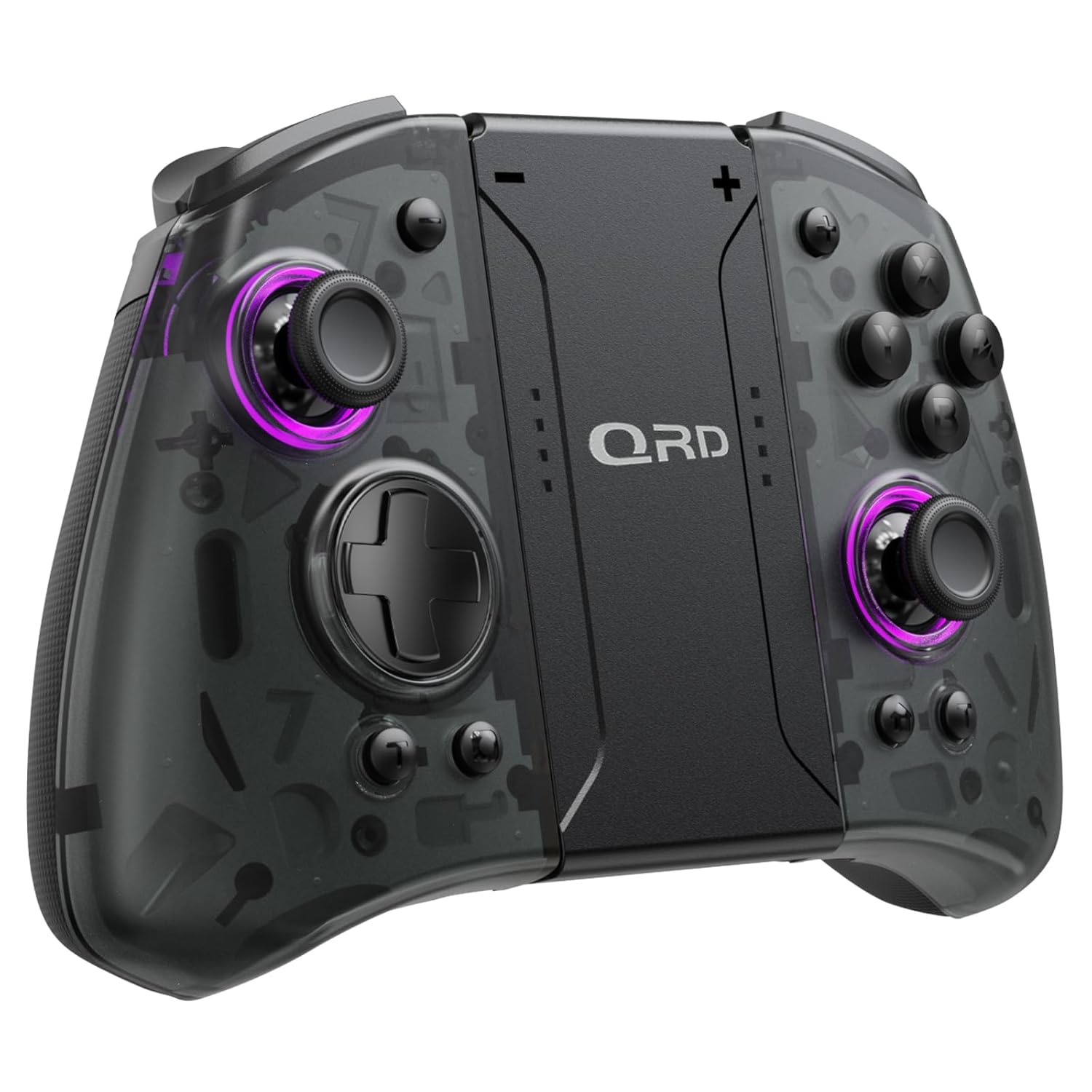
Image 1.1: Front view of the QRD Wireless Controller, showcasing its ergonomic design and button layout.
2. Key Features
- Wireless Bluetooth 5.3 Connectivity: Ensures stable, lag-free connection for seamless gameplay.
- Hall Effect Joysticks: Provides 360° precise, drift-free control and extended lifespan.
- Dual Vibration Motors: Offers 3 levels of adjustable vibration for enhanced tactile feedback.
- 6-Axis Gyroscope Motion Sensing: Enables accurate tilt detection for precise aiming and movement in compatible games.
- Programmable Back Buttons: Customize controls with single or multiple mappings for efficient combo execution.
- Turbo Function: Allows for rapid firing of buttons.
- LED Backlit: Features 8 different colors with static, breathing, and flashing modes for personalized aesthetics.
- Long Battery Life: Up to 10 hours of uninterrupted gameplay on a single charge (2 hours charging time).
- Ergonomic Design: Comfortable grip for extended gaming sessions, includes a screenshot function.

Image 2.1: Diagram highlighting key features such as Bluetooth 5.3, Dual Vibration, 6-Axis Gyro, Turbo, Macro Back Paddles, and Colorful Options.

Image 2.2: Illustration demonstrating the Hall Effect Joysticks, emphasizing drift-free and accurate control.
3. Setup and Connection
3.1 Initial Pairing with Nintendo Switch
- Ensure your Nintendo Switch console is powered on and updated to the latest system version.
- From the HOME Menu, select "Controllers" > "Change Grip/Order".
- On the QRD Wireless Controller, press and hold the HOME button (usually located in the center) for 3-5 seconds until the LED indicators start flashing rapidly.
- Once the controller is successfully paired, the corresponding player LED(s) on the controller will light up solid.
- The controller can also be connected by sliding it into the Nintendo Switch Dock while the console is attached.
3.2 Reconnecting the Controller
To reconnect a previously paired controller, simply press the HOME button once. The controller will automatically attempt to connect to the last paired console.
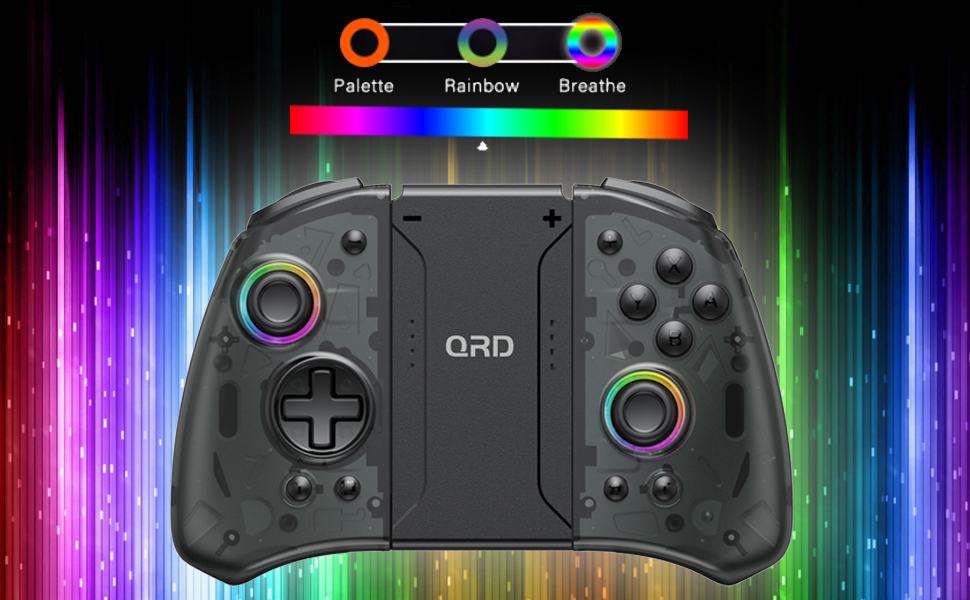
Image 3.1: Visual representation of controller compatibility with Nintendo Switch and Switch OLED models. Note: Not compatible with Switch Lite.
4. Operating Instructions
4.1 Button Layout
Familiarize yourself with the controller's button layout:
- Left Joystick: Movement control.
- Right Joystick: Camera or aiming control.
- D-Pad: Directional input.
- A/B/X/Y Buttons: Action buttons.
- L/R Buttons: Shoulder buttons.
- ZL/ZR Buttons: Trigger buttons.
- HOME Button: Returns to the HOME Menu, powers on/off the controller.
- Screenshot Button: Captures screenshots.
- +/- Buttons: Plus and Minus buttons for in-game functions.
- M1/M2 (Back Buttons): Programmable macro buttons.
4.2 Adjusting Vibration Intensity
The controller supports 3 levels of vibration intensity. To adjust, press and hold the Turbo button and then press the D-Pad Up or D-Pad Down to cycle through intensity levels (Low, Medium, High, Off).
4.3 Turbo Function Setup
To set a button to Turbo mode:
- Press and hold the Turbo button.
- While holding Turbo, press the desired action button (e.g., A, B, X, Y, L, R, ZL, ZR). The button will now continuously register input when held down.
- To clear Turbo for a specific button, repeat the process. To clear all Turbo settings, press and hold the Turbo button for 5 seconds.
4.4 Programming Back Buttons (Macro)
The M1 and M2 back buttons can be programmed to execute a sequence of button presses (macro). Each macro can store up to 16 button presses.
- Press and hold the M1 or M2 button you wish to program.
- While holding the M button, press the SET button (refer to manual diagram for location, typically a small button on the back). The indicator light will flash slowly.
- Enter the desired sequence of button presses (e.g., A, B, X, Y, D-Pad directions).
- Press the SET button again to save the macro. The indicator light will stop flashing.
- To clear a macro, press and hold the programmed M button and then press the SET button twice.
4.5 LED Backlight Adjustment
The controller features customizable RGB lighting. To cycle through modes and colors:
- Press the LED button (refer to manual diagram for location) to change between static color, breathing, and flashing modes.
- In static mode, press the LED button repeatedly to cycle through the 8 available colors.

Image 4.1: Display of the controller's LED backlight options, including Palette (static colors), Rainbow, and Breathe modes.
5. Charging and Battery Life
The QRD Wireless Controller is equipped with a built-in rechargeable Lithium Polymer battery. A 2.5m USB-C cable is included for charging.
- Connect the USB-C end of the cable to the controller's charging port and the USB-A end to a power source (e.g., Nintendo Switch Dock, USB wall adapter, computer USB port).
- Charging takes approximately 2 hours for a full charge.
- A full charge provides up to 10 hours of continuous gameplay.
- The LED indicators on the controller will show charging status and battery level.
6. Maintenance
To ensure the longevity and optimal performance of your QRD Wireless Controller, follow these maintenance guidelines:
- Cleaning: Use a soft, dry cloth to wipe the controller. For stubborn dirt, slightly dampen the cloth with water. Avoid using harsh chemicals, solvents, or abrasive cleaners.
- Storage: Store the controller in a cool, dry place away from direct sunlight, extreme temperatures, and high humidity.
- Handling: Avoid dropping the controller or subjecting it to strong impacts. Do not disassemble the controller, as this may void the warranty and cause damage.
- Charging: Do not leave the controller charging for excessively long periods after it is fully charged.
7. Troubleshooting
| Problem | Possible Cause | Solution |
|---|---|---|
| Controller does not connect. | Low battery; Not paired; Interference. | Charge the controller; Re-pair the controller following Section 3.1; Move closer to the console or away from other wireless devices. |
| Input lag or disconnection during gameplay. | Wireless interference; Distance from console; Low battery. | Ensure no strong wireless signals are nearby; Reduce distance to console; Charge the controller. |
| Joysticks drift or are unresponsive. | Calibration issue; Physical debris. | Go to Switch System Settings > Controllers and Sensors > Calibrate Control Sticks. Clean around the joystick base. |
| Buttons are unresponsive. | Stuck button; Software glitch. | Ensure buttons are not physically stuck. Try resetting the controller (if a reset button is present, otherwise power cycle). |
| Vibration not working. | Vibration setting off; Game does not support vibration. | Adjust vibration intensity (Section 4.2). Verify game compatibility. |
8. Specifications
| Feature | Detail |
|---|---|
| Model Number | US-T5-JB02 |
| Connectivity | Bluetooth 5.3 |
| Compatibility | Nintendo Switch, Switch Pro, Switch OLED |
| Joystick Type | Hall Effect |
| Vibration | Dual Motors, 3 adjustable levels |
| Motion Control | 6-Axis Gyroscope |
| Programmable Buttons | Yes (Back Buttons) |
| Battery Type | Lithium Polymer |
| Charging Time | Approx. 2 hours |
| Play Time | Up to 10 hours |
| Charging Port | USB-C |
| Dimensions | 7.95 x 5.51 x 2.36 inches (approx.) |
| Weight | 12.35 ounces (approx.) |
9. Warranty and Support
9.1 Warranty Information
QRD products are manufactured with high-quality materials and undergo rigorous testing. This product comes with a standard manufacturer's warranty against defects in materials and workmanship. Please refer to the product packaging or the official QRD website for specific warranty terms and duration.
9.2 Customer Support
For technical assistance, troubleshooting, or warranty claims, please contact QRD Customer Support. Have your product model number (US-T5-JB02) and purchase information ready when contacting support.
- Online Support: Visit the official QRD website for FAQs, updated manuals, and support contact forms.
- Email Support: [Insert QRD Support Email Address Here - if available, otherwise omit]
- Phone Support: [Insert QRD Support Phone Number Here - if available, otherwise omit]
We are committed to providing excellent customer service and ensuring your satisfaction with QRD products.


