
Notonmek LS-3000-1
Notonmek LS-3000-1 Hydraulic Log Splitter Valve Instruction Manual
Model: LS-3000-1 | Brand: Notonmek
1. Introduction
This manual provides detailed instructions for the safe and efficient installation, operation, and maintenance of the Notonmek LS-3000-1 Hydraulic Log Splitter Valve. Please read this manual thoroughly before installation or operation to ensure proper function and to prevent injury or damage to equipment. Keep this manual for future reference.
2. Safety Information
WARNING: Hydraulic systems operate under high pressure and can cause severe injury or death if not handled correctly. Always follow safety precautions.
- Always wear appropriate personal protective equipment (PPE), including safety glasses and gloves.
- Ensure the hydraulic system is depressurized before performing any installation, maintenance, or repair work.
- Check all hydraulic connections for leaks regularly. High-pressure fluid injection can penetrate skin.
- Use only hydraulic fluid specified by the equipment manufacturer.
- Do not exceed the maximum operating pressure or flow rate specified for this valve.
- Ensure the valve is securely mounted before connecting hydraulic lines.
3. Product Overview
The Notonmek LS-3000-1 is a 4-way, 3-position directional control valve designed for hydraulic log splitters. It features a tandem center spool with a spring center and an auto-return detent on the 'Extend' position, which automatically returns the spool to neutral when the cylinder reaches the end of its stroke or pressure builds up.

Figure 1: Notonmek LS-3000-1 Hydraulic Log Splitter Valve with operating handle. This image shows the main body of the valve, which is black cast iron, along with the silver lever handle with a black grip. Various ports and connection points are visible on the valve body.
Key Features:
- 4-Way, 3-Position Spool: Allows for precise control of hydraulic cylinder movement (Extend, Hold, Retract).
- Tandem Center Spool: In the neutral position, pump flow is directed to the tank, allowing for continuous pump operation without overheating.
- Spring Center: The spool automatically returns to the neutral position when the lever is released from the 'Retract' position.
- Auto-Return Detent: Engages in the 'Extend' position, holding the spool until the cylinder reaches the end of its stroke or system pressure increases, then automatically returns to neutral.
- Adjustable Relief Valve: Protects the system from overpressure.
- Durable Construction: Made from cast iron for longevity.
4. Specifications
| Parameter | Value |
|---|---|
| Model Number | LS-3000-1 |
| Flow Rate | 25 GPM (Gallons Per Minute) |
| Maximum Operating Pressure | 2750 PSI (Pounds per Square Inch) |
| Work Ports (A/B) | 1/2" NPT |
| Inlet/Outlet Ports (P/T) | 3/4" NPT |
| Spool Type | 4-Way, 3-Position, Tandem Center, Spring Center |
| Detent | Adjustable Auto-Return Detent |
| Relief Valve | Adjustable |
| Material | Cast Iron |
| Weight | Approximately 10.67 lbs |
Important Note: Some users have reported discrepancies in port sizes. Always verify the actual port sizes on your specific unit before purchasing or installing fittings. The specifications above are based on the manufacturer's primary description.
5. Setup and Installation
Proper installation is critical for the safe and efficient operation of the hydraulic system. If you are unsure about any step, consult a qualified hydraulic technician.
5.1 Pre-Installation Checks:
- Ensure the hydraulic system is clean and free of debris.
- Verify that the valve's specifications (flow rate, pressure, port sizes) match your system requirements.
- Gather all necessary tools, hydraulic fittings, and hoses.
5.2 Mounting the Valve:
- Select a secure, stable location for mounting the valve, ensuring easy access to the control lever and hydraulic ports.
- Use appropriate bolts and hardware to firmly attach the valve to the equipment frame. Ensure the mounting surface is flat to prevent stress on the valve body.
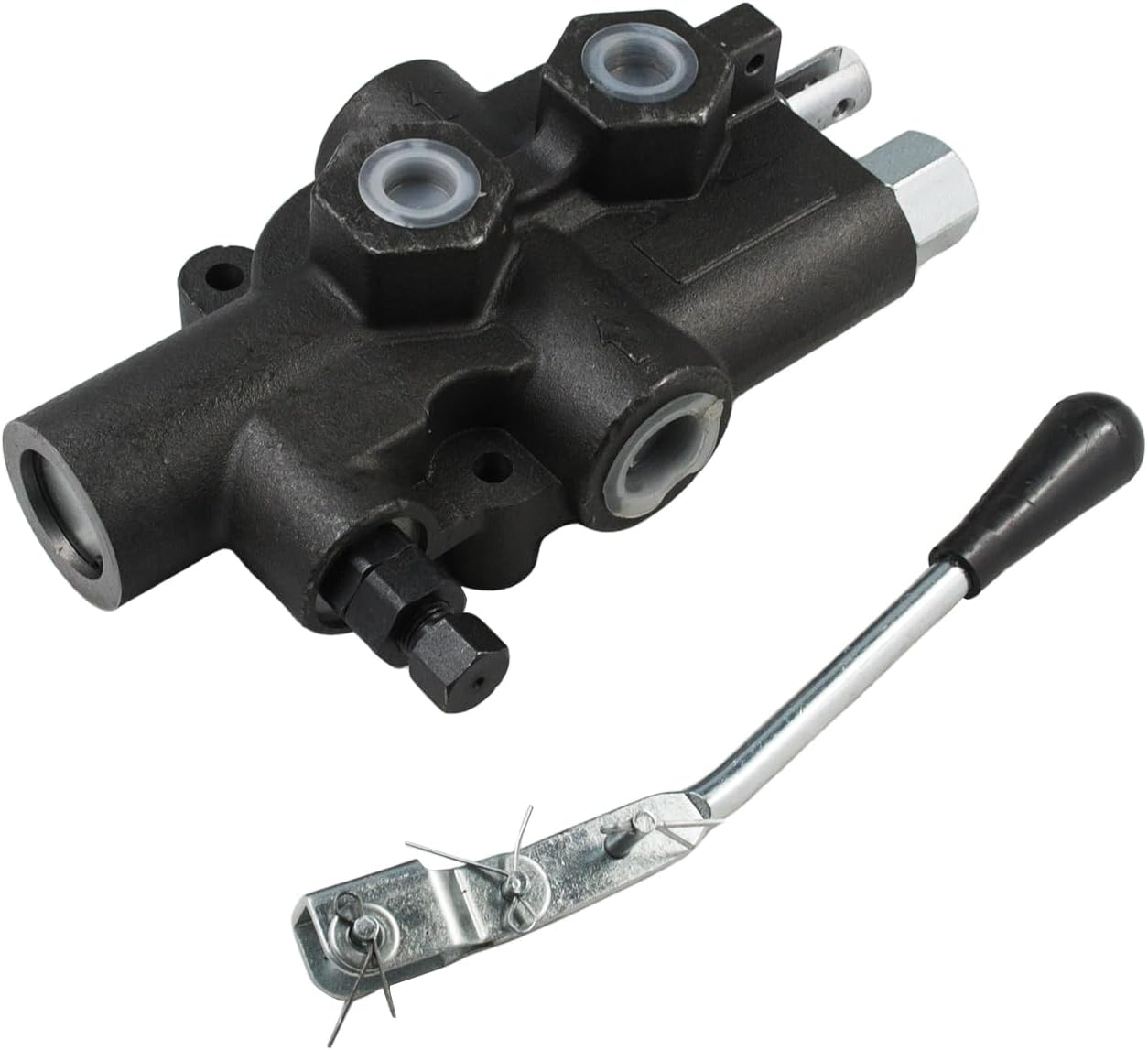
Figure 2: Top view of the valve, highlighting the various port locations for hydraulic line connections. The image shows the black cast iron valve body from above, with four circular ports visible, two larger and two smaller, along with the relief valve adjustment screw.
5.3 Connecting Hydraulic Lines:
Identify the ports on the valve:
- P (Pressure/Inlet) Port: Connect to the pressure line from the hydraulic pump. (3/4" NPT)
- T (Tank/Outlet) Port: Connect to the return line to the hydraulic reservoir. (3/4" NPT)
- A & B (Work Ports): Connect to the hydraulic cylinder lines. (1/2" NPT)
- Apply appropriate thread sealant to all NPT fittings.
- Connect the hydraulic hoses to the corresponding ports. Ensure all connections are tight to prevent leaks, but do not overtighten.
- Double-check all connections before starting the hydraulic system.
5.4 Adjusting the Relief Valve:
The relief valve is factory set but may require adjustment to match your system's maximum operating pressure. Consult your log splitter's specifications for the recommended pressure setting.
- To increase pressure, turn the adjustment screw clockwise.
- To decrease pressure, turn the adjustment screw counter-clockwise.
- Adjust in small increments and use a pressure gauge to monitor the system pressure.
6. Operation
The LS-3000-1 valve features a control lever with three primary positions:
- Neutral (Center Position): In this position, the pump flow is directed back to the tank, and the cylinder is hydraulically locked. The lever will spring back to this position from 'Retract'.
- Extend (Forward Position): Pushing the lever forward extends the hydraulic cylinder. The auto-return detent will hold the lever in this position until the cylinder reaches the end of its stroke or the system pressure exceeds the detent release setting.
- Retract (Backward Position): Pulling the lever backward retracts the hydraulic cylinder. The lever will return to the neutral position when released.
Always operate the log splitter according to its manufacturer's instructions. Ensure the work area is clear and safe before operating.
7. Maintenance
Regular maintenance ensures the longevity and reliable performance of your hydraulic valve and system.
- Hydraulic Fluid: Regularly check the hydraulic fluid level and quality. Replace fluid and filters according to your log splitter's maintenance schedule. Contaminated fluid is a leading cause of hydraulic component failure.
- Leak Checks: Periodically inspect all hydraulic hoses, fittings, and the valve body for any signs of leaks. Address leaks immediately.
- Mounting Security: Ensure the valve remains securely mounted. Tighten any loose mounting bolts.
- Lever Operation: Check the control lever for smooth operation. If it feels stiff or sticky, inspect for debris or damage.
8. Troubleshooting
This section addresses common issues you might encounter with your hydraulic valve.
| Problem | Possible Cause | Solution |
|---|---|---|
| Cylinder does not move or moves slowly. | Low hydraulic fluid level, clogged filter, pump malfunction, relief valve set too low, air in system, incorrect port connections. | Check fluid level and add if necessary. Replace filter. Inspect pump. Adjust relief valve. Bleed air from system. Verify hose connections. |
| Hydraulic fluid overheating. | Low fluid level, restricted return line, continuous relief valve bypass, undersized reservoir. | Check fluid level. Inspect return line for kinks or blockages. Ensure relief valve is not constantly bypassing. Consult equipment manual for reservoir size. |
| Leaks around valve or fittings. | Loose fittings, damaged seals/O-rings, cracked housing. | Tighten fittings (do not overtighten). Replace damaged seals or O-rings. If housing is cracked, replace the valve. |
| Auto-return detent not engaging or releasing. | Detent mechanism dirty or damaged, incorrect pressure setting for detent release. | Inspect and clean detent mechanism. Adjust detent release pressure if applicable (refer to log splitter manual). |
If troubleshooting steps do not resolve the issue, contact a qualified hydraulic technician.
9. Warranty and Support
For specific warranty information regarding your Notonmek LS-3000-1 Hydraulic Log Splitter Valve, please refer to the documentation provided at the time of purchase or contact your supplier. For technical assistance or further inquiries, please reach out to the Notonmek customer support channels.
Always provide your model number (LS-3000-1) and purchase details when seeking support.
Ask a question about this manual
Ask about setup, troubleshooting, compatibility, parts, safety, or missing instructions. Manuals+ will review the question and use this page’s manual context to help answer it.