
Introduction
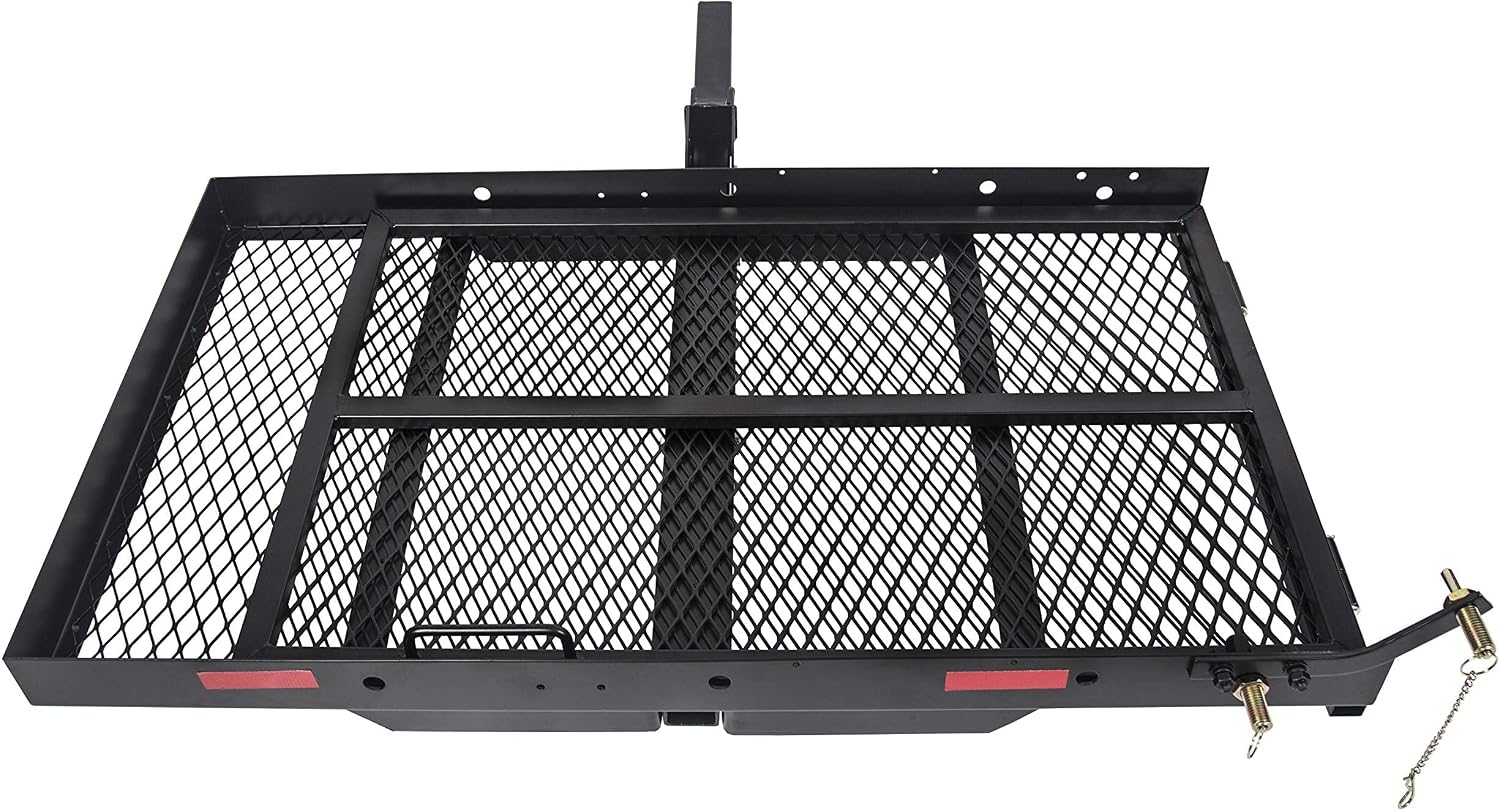
This manual provides detailed instructions for the assembly, installation, operation, and maintenance of your HECASA Hitch Mount Cargo Scooter Carrier Rack, Model MO-3617. Please read all instructions carefully before use to ensure safe and proper handling of the product. This carrier is designed for transporting mobility scooters, wheelchairs, and other cargo, featuring heavy-duty steel construction and a foldable ramp.
Product Overview and Dimensions
The HECASA Hitch Mount Cargo Carrier is constructed from heavy-duty steel with a black powder coating for durability and rust protection. It is designed to fit all 2-inch receiver hitches (Class III or IV).
- Platform Dimensions: 46.2 inches (length) x 26.8 inches (width)
- Ramp Length: 38.7 inches
- Total Carrier Weight: Approximately 75 lbs
- Maximum Load Capacity: 500 lbs


What's in the Box
Upon unpacking, verify that all components are present and undamaged. The package includes:
- 1 x Hitch Cargo Carrier (main platform and ramp assembly)
- Mounting accessories (bolts, washers, pins, etc.)
- Installation instructions
Setup and Installation
The HECASA Hitch Mount Cargo Carrier is designed for direct bolt installation. Ensure your vehicle is equipped with a 2-inch receiver hitch (Class III or IV) before proceeding.
- Assemble the Carrier: Follow the included installation instructions to assemble the main platform and ramp components. This typically involves attaching the hitch bar to the carrier platform using the provided bolts and hardware.
- Attach to Vehicle: Slide the hitch bar into your vehicle's 2-inch receiver. Align the pinholes and insert the hitch pin, securing it with the cotter pin or lock.
- Secure All Connections: Double-check that all bolts are tightened securely and all pins are properly inserted and locked.

Video 1: This video demonstrates the assembly and installation process of the HECASA Hitch Mount Cargo Carrier, showing how to attach it to a vehicle's 2-inch receiver hitch.
Operating Instructions
The carrier features a foldable ramp for convenient loading and unloading, and can be stored in an upright position when not in use.
Loading and Unloading
- Prepare the Ramp: Release the locking pins to lower the ramp to the flat position. Ensure the ramp is fully extended and stable before loading.
- Load Cargo: Carefully roll or place your mobility device or cargo onto the carrier platform. Ensure the weight is evenly distributed and does not exceed the 500 lbs capacity.
- Secure Cargo: Use appropriate tie-downs or straps (not included) to firmly secure the cargo to the carrier platform. This prevents movement during transit.
- Raise the Ramp: Once cargo is secured, raise the ramp to its upright L-shape position and secure it with the locking pins.
Folding for Storage
When the carrier is empty and not in use, it can be folded into an upright position to save space and improve vehicle clearance.
- Ensure Empty Carrier: Confirm the carrier is completely empty of all cargo and tie-downs.
- Release Pins: Release the locking pins that hold the ramp in the L-shape position.
- Fold Upright: Carefully lift the entire carrier platform and ramp assembly upwards until it locks into the vertical storage position. Secure it with the appropriate locking pins.


Maintenance
Regular maintenance ensures the longevity and safe operation of your cargo carrier.
- Cleaning: Clean the carrier regularly with mild soap and water to remove dirt, road grime, and salt. Rinse thoroughly and dry to prevent rust.
- Inspection: Before each use, inspect all welds, bolts, pins, and the hitch connection for any signs of wear, damage, or looseness. Tighten any loose fasteners immediately.
- Lubrication: Periodically lubricate hinges and moving parts with a suitable lubricant to ensure smooth operation.
- Rust Protection: Although the carrier has a powder coating, inspect for any chips or scratches in the finish and touch up with rust-inhibiting paint if necessary to prevent corrosion.

Troubleshooting
If you encounter issues with your cargo carrier, consider the following common solutions:
- Difficulty with Assembly: Ensure all parts are correctly oriented according to the installation diagram. Some components may require firm pressure or a rubber mallet for proper seating. If a washer or bolt does not fit, verify you are using the correct hardware for that specific step.
- Carrier Bending/Sagging: This indicates the load capacity may have been exceeded or the weight is not properly distributed. Do not exceed the 500 lbs load limit. Always distribute weight evenly across the platform. If the carrier shows signs of bending, discontinue use immediately and inspect for structural damage.
- Ramp Not Locking: Check that the locking pins are fully engaged and free from obstruction. Ensure the ramp is correctly aligned with the locking points.
- Excessive Movement/Rattling: Verify that the hitch pin is securely installed and all assembly bolts are tightened. An anti-rattle device (not included) can be used to minimize movement within the hitch receiver.
Specifications
| Feature | Specification |
|---|---|
| Brand | HECASA |
| Model Number | MO-3617 |
| Material | Heavy Steel |
| Color | Black |
| Load Capacity | 500 pounds |
| Mounting Type | Hitch |
| Compatible Hitch Receiver | 2-inch (Class III or IV) |
| Platform Dimensions | 46.2 inches (length) x 26.8 inches (width) |
| Ramp Length | 38.7 inches |
| Carrier Weight | 75 lbs |
| Automotive Fit Type | Universal Fit |
Warranty and Support
For specific warranty information, please refer to the documentation provided with your purchase or contact the seller directly. Keep your proof of purchase for any warranty claims. For technical support or inquiries, please reach out to HECASA customer service through their official channels.