
1. Introduction
This manual provides essential information regarding the Zuphte PCV Valve, part number 12204-11040. The PCV (Positive Crankcase Ventilation) valve is a critical component in your vehicle's emission control system, designed to recirculate unburnt gases from the crankcase back into the engine's intake manifold to be re-burned. This process helps reduce harmful emissions and prevents sludge buildup within the engine.
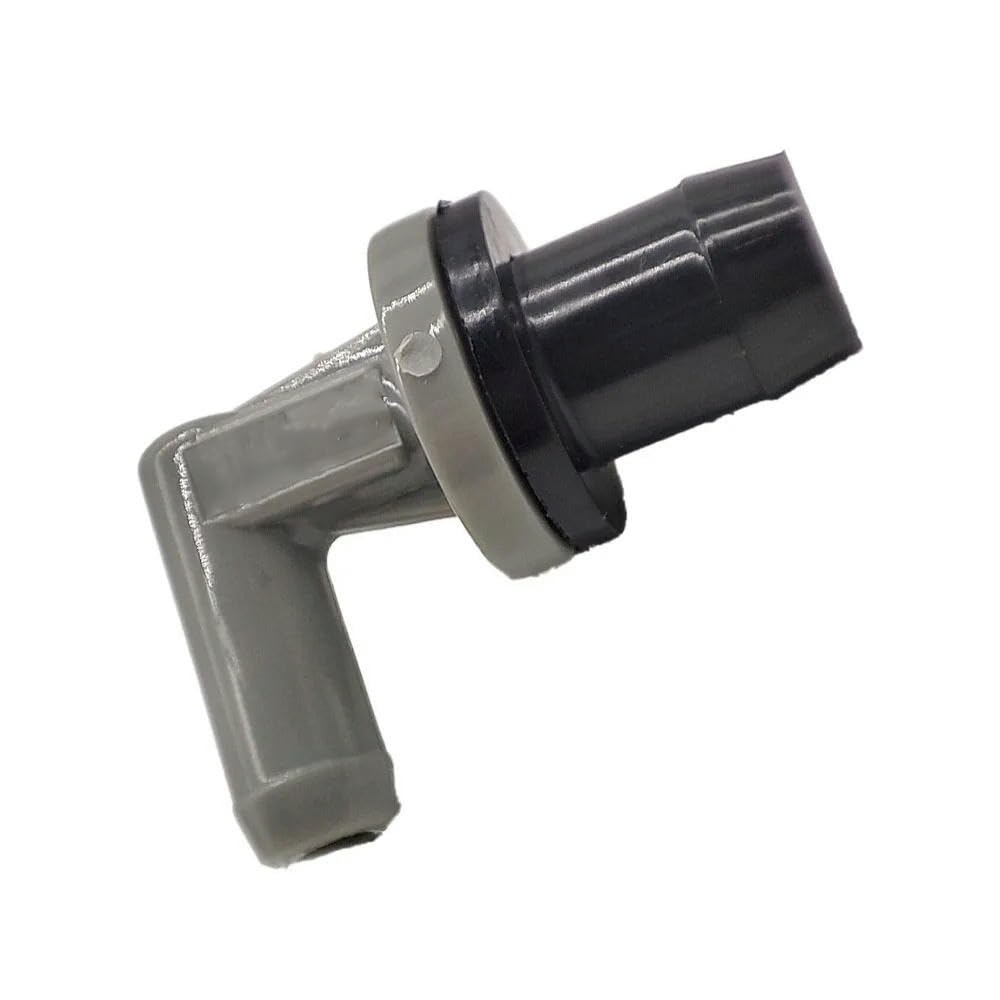
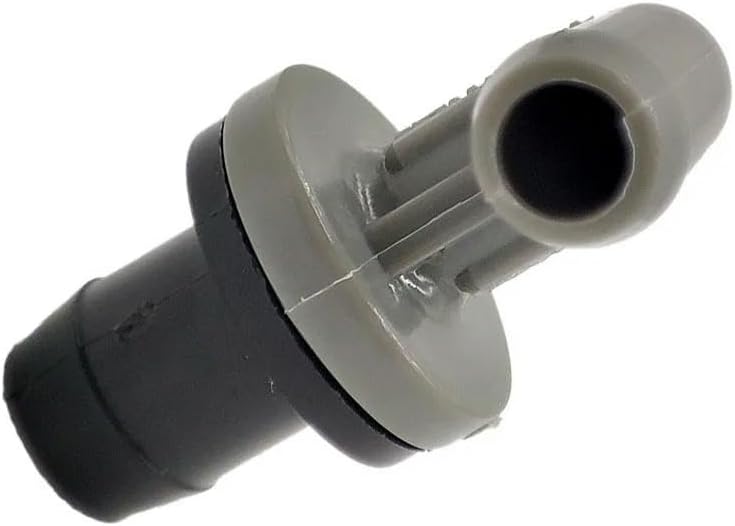
The Zuphte PCV valve is constructed from durable, high-quality materials, ensuring resistance to deformation, wear, and corrosion. It features a stable performance and is equipped with O-ring seals for a firm fit, preventing oil leaks and contributing to a longer service life for the valve and your engine.
2. Applicable Vehicle Models
This PCV Valve (Part Number: 12204-11040) is compatible with the following Toyota vehicle models:
- Toyota Corolla
- Toyota Starlet
- Toyota Paseo
- Toyota Camry
Attention:
Always verify the part number of your existing component against 12204-11040 before purchasing or installing. The compatibility information provided is for reference only. If you are uncertain about the correct part for your vehicle, consult a qualified mechanic or contact the manufacturer for assistance to avoid unnecessary returns or incorrect installation.
3. Product Overview
The Zuphte PCV Valve 12204-11040 is designed to meet original factory specifications, ensuring a precise fit and reliable operation. It includes a built-in valve mechanism and is supplied with O-ring seals to ensure a secure, leak-free connection.




4. Installation
Replacing a PCV valve is generally a straightforward process, designed for convenience. However, if you are not experienced with automotive repairs, it is recommended to seek professional assistance to ensure correct installation and prevent potential damage.
General Installation Steps:
- Safety First: Ensure the engine is cool and the vehicle is safely parked with the ignition off. Disconnect the negative terminal of the battery if necessary.
- Locate the PCV Valve: Refer to your vehicle's service manual for the exact location of the PCV valve. It is typically found on the valve cover or intake manifold.
- Remove the Old Valve: Carefully disconnect any hoses attached to the PCV valve. Twist and pull the old valve out of its grommet or unscrew it, depending on its design.
- Inspect the Grommet and Hoses: Check the rubber grommet and connecting hoses for cracks, hardening, or damage. Replace them if necessary to ensure a proper seal.
- Install the New Valve: Insert the new Zuphte PCV Valve 12204-11040 into the grommet, ensuring it is seated firmly. Reconnect the hoses securely.
- Verify Connections: Double-check all connections to ensure they are tight and leak-free.
- Test: Start the engine and check for any unusual noises, leaks, or warning lights.
Note:
The compact design and light weight of this PCV valve facilitate easy installation without complicated steps. However, always prioritize safety and consult your vehicle's specific repair guidelines.
5. Operating Principles and Function
The PCV valve plays a crucial role in the engine's operation by managing crankcase pressure. During combustion, some gases escape past the piston rings into the crankcase. Without proper ventilation, these 'blow-by' gases can build up pressure, leading to oil leaks, contamination, and reduced engine performance.
The Zuphte PCV valve facilitates the connection between the PCV pipe and the crankcase, enabling forced ventilation. It regulates the flow of these gases, drawing them into the intake manifold where they are mixed with the fresh air-fuel mixture and re-burned. This not only prevents pressure buildup but also helps maintain engine cleanliness and reduces environmental pollution.
6. Maintenance
PCV valves can become clogged with sludge and carbon deposits over time, impairing their function. Regular inspection and timely replacement are essential for optimal engine health and emission control.
Maintenance Recommendations:
- Inspection: Check the PCV valve and its hoses for signs of clogging, cracks, or leaks during routine maintenance, typically every 12,000 to 20,000 miles or annually.
- Replacement: Replace the PCV valve according to your vehicle manufacturer's recommendations, or if it shows signs of malfunction. A common test for a PCV valve is to shake it; a working valve should rattle. If it doesn't, it may be clogged.
- Cleanliness: Ensure the area around the PCV valve is clean during inspection and replacement to prevent contaminants from entering the engine.
7. Troubleshooting
A malfunctioning PCV valve can lead to various engine problems. Here are some common symptoms:
- Rough Engine Idle: A clogged or faulty PCV valve can disrupt the air-fuel mixture, leading to a rough or unstable idle.
- Increased Oil Consumption: A stuck-open PCV valve can draw too much oil vapor into the intake, leading to increased oil consumption.
- Oil Leaks: A clogged PCV valve can cause excessive pressure buildup in the crankcase, potentially leading to oil leaks from seals and gaskets.
- Engine Sludge: If the PCV system is not functioning correctly, moisture and contaminants can accumulate in the crankcase, contributing to sludge formation.
- Check Engine Light: In some cases, a faulty PCV valve can trigger the Check Engine Light.
If you experience any of these symptoms, inspect your PCV valve and replace it if necessary. If the issue persists, consult a professional mechanic.
8. Specifications
| Specification | Detail |
|---|---|
| Product Name | PCV Valve |
| Brand | Zuphte |
| Reference OE Number | 12204-11040 |
| Condition | Brand New |
| Features | Durable material, accurate size, strong and durable, wear-resistant and corrosion-resistant, built-in valve, equipped with O-ring seals. |
9. Important Notes
If you have any questions about the product or your order, please contact us through the messaging system of your purchase platform for assistance. We are committed to providing support and resolving any concerns you may have.