
1. Introduction
The Gustard X30 is a high-performance network streaming decoder designed for audiophiles seeking exceptional sound quality and versatile connectivity. This device integrates advanced digital-to-analog conversion with comprehensive network streaming capabilities, supporting a wide range of high-resolution audio formats.
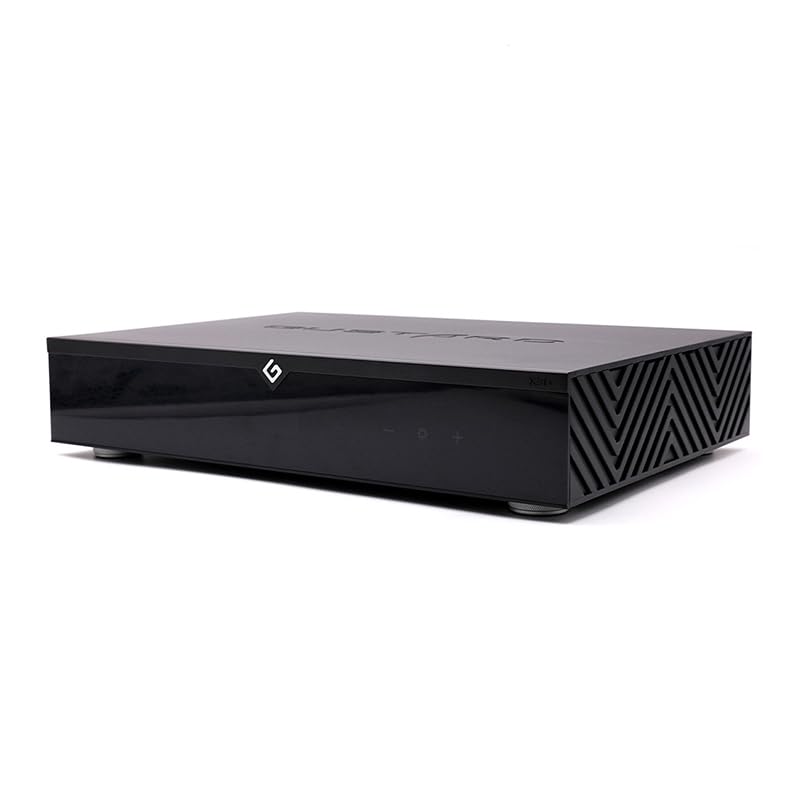
Figure 1: Front view of the Gustard X30 Network Streaming Decoder.
2. Product Overview
The Gustard X30 is engineered with cutting-edge technology to deliver an immersive audio experience. Key features include:
- ES9039SPROx4 DAC: Utilizes four ES9039SPRO chips for superior digital-to-analog conversion.
- ES9311Q Multi-group Independent Power Supply: Ensures clean and stable power delivery to critical components.
- Synchronized Clock Implantation Technology: Reduces audio clock requirements for enhanced precision.
- Built-in OCXO Constant Temperature Crystal Oscillator: Supports 10M clock input with ultra-low noise synthesis.
- Passive Analog Preamp with R2R Relay Volume: Offers lossless adjustable volume control with pass-through option.
- DSP Autonomous Digital Filtering: Reduces aliasing noise for a cleaner audio signal.
- Comprehensive Network Support: Compatible with Roon, Airplay, UPnP, NAA, and Spotify protocols.
- High-Resolution Audio Support: Decodes DSD512, PCM768k, and MQA384k formats.

Figure 2: Detailed feature breakdown of the Gustard X30.

Figure 3: Internal architecture highlighting the ES9039SPRO chips.
3. Setup
3.1 Unpacking
Carefully remove the Gustard X30 from its packaging. Ensure all components are present, including the main unit and the power cable. Inspect the unit for any signs of damage during transit.
3.2 Physical Connections
Refer to the back panel diagram below for proper connection of audio sources and output devices.

Figure 4: Back panel connections of the Gustard X30.
- Analog Output: Connect your amplifier or active speakers to the XLR (balanced) or RCA (unbalanced) output ports.
- Digital Input: The X30 supports various digital inputs including LAN, USB, I2S, Coaxial, AES/EBU, and Optical. Connect your digital audio sources accordingly.
- 10MHz IN: For external clock synchronization, connect a 10MHz clock source to this BNC input.
- UPDATE: USB port for firmware updates.
3.3 Power Connection
Connect the provided power cable to the AC power input on the rear panel. Ensure the voltage switch (115V/230V) is set correctly for your region before powering on the device. Use the main power switch to turn the unit on or off.
3.4 Network Connection
Connect an Ethernet cable from your network router or switch to the LAN port on the rear panel. The X30 supports 100/1000Mbps LAN speeds. Network protocols such as Roon, Airplay, UPnP, NAA, and Spotify can be configured via a web interface.
4. Operating Instructions
4.1 Front Panel Controls
The front panel features a display and touch-sensitive controls for basic operation.

Figure 5: Front panel layout and controls.
- Standby Switch: Toggles the unit between active and standby modes.
- Display Area: Shows current input, sample rate, and other operational information.
- Remote Control Reception: Infrared receiver for the remote control.
- Touch Area: Provides touch-sensitive buttons for navigation and settings adjustments.
4.2 Remote Control
The included remote control allows for convenient operation from a distance, including input selection, volume adjustment (if variable output is enabled), and menu navigation.
4.3 Input Selection
Use the front panel touch controls or the remote control to cycle through available digital inputs (LAN, USB, I2S, Coaxial, AES/EBU, Optical).
4.4 Volume Control
The X30 offers both fixed and variable analog output levels. The RCA and XLR outputs are fixed at 2.5Vrms and 5.1Vrms respectively by default. The passive analog preamplifier with R2R relay volume allows for lossless adjustable volume from 0dB to -90dB via remote control.
4.5 Streaming Functionality
The X30 supports various network streaming protocols. Access the configuration web page (usually via the device's IP address on your network) to enable or disable specific protocols like Roon, Airplay, UPnP, NAA, and Spotify. Firmware updates for streaming functionality can also be performed online.
4.6 Digital Filter Settings
The X30 features DSP autonomous digital filtering to reduce aliasing noise. Specific filter modes (e.g., 4 kinds of DSD filters, 3 kinds of PCM filters) can be selected through the device's menu or web interface to tailor the sound to your preference.
4.7 Clock Settings
The built-in OCXO constant temperature crystal oscillator provides high-precision timing. If an external 10M clock source is connected, the device will automatically synchronize to it, further enhancing audio performance.
5. Maintenance
5.1 Cleaning
To maintain the appearance and performance of your Gustard X30, regularly wipe the exterior with a soft, dry cloth. Avoid using abrasive cleaners or solvents, as these can damage the finish. Ensure the unit is powered off and unplugged before cleaning.
5.2 Firmware Updates
The Gustard X30 supports online firmware upgrades. Periodically check the manufacturer's website for new firmware versions. Updates can improve performance, add new features, or resolve issues. Follow the instructions provided on the configuration web page for a one-click online upgrade process.
6. Troubleshooting
If you encounter any issues with your Gustard X30, consider the following basic troubleshooting steps:
- No Power: Check the power cable connection and ensure the AC voltage switch on the rear panel is set correctly. Verify the power outlet is functional.
- No Sound: Confirm the correct input source is selected. Check all audio cable connections to your amplifier or active speakers. Ensure the volume is not muted or set too low.
- Network Connectivity Issues: Verify the Ethernet cable is securely connected. Check your router and network settings. Ensure the X30's network protocols are enabled via its web interface.
- Distorted Sound: Check the source audio file quality. Ensure all connections are secure and free from interference. Try resetting the device to factory defaults if necessary (refer to the web interface for this option).
For persistent issues, consult the manufacturer's support resources or contact customer service.
7. Specifications
Detailed technical specifications for the Gustard X30 Network Streaming Decoder:
| Category | Specification |
|---|---|
| Model Number | Gustard X30 |
| Digital Input Protocols | Roon, Airplay, UPnP, NAA, Spotify |
| LAN Speed | 100/1000Mbps |
| 10M Clock Input (BNC) | Input impedance 50 Ohm, 0dBm-20dBm, CMOS square wave 0.2V-3.3V, Sine wave 0.5V-3.3V |
| Frequency Response | 20-20kHz / +-0.2dB |
| Dynamic Range | > 130dB |
| Signal to Noise Ratio | > 129dB |
| Channel Crosstalk | -139dB @ 10kHz |
| THD+N | <=0.0001% @ 1kHz |
| IMD | ≈0.001% @ -1dbfs |
| RCA Output Level | 2.5Vrms (VOLUME FIXED) |
| RCA Output Impedance | 100Ω |
| XLR Output Level | 5.1Vrms (VOLUME FIXED) |
| XLR Output Impedance | 100Ω |
| XLR Interface Definition | American standard (1 ground, 2 hot, 3 cold) |
| AC Power Supply | AC115V/230V 50/60Hz |
| Power Consumption | <30W |
| Dimensions (W*D*H) | 430mm * 300mm * 80mm (including feet 92mm) |
| Weight with Package | 10KG |
| Connectivity Technology | Ethernet |
| Controller Type | Remote Control |
| Compatible Devices | Smartphone, Tablet, Personal Computer, Game Console, Television, Amplifier, Speaker |

Figure 6: Dimensions of the Gustard X30.
8. Warranty and Support
For warranty information and technical support, please refer to the documentation included with your product or visit the official LEAUDIO website. Keep your proof of purchase for warranty claims.