
Introduction
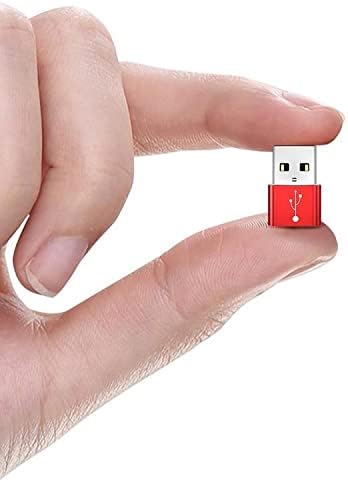
The BoxWave USB-A to C PortChanger adapter is designed to convert a traditional USB Type-A port into a modern USB Type-C port. This allows for compatibility with newer USB-C devices and accessories, enabling both charging and data transfer functionalities. The adapter features a USB-A male connector and a USB-C female port, providing a versatile solution for various connectivity needs.
This compact and durable adapter is constructed from high-grade aluminum alloy, ensuring long-lasting usage. It supports On-The-Go (OTG) functionality, facilitating data transmission and the use of USB Type-C accessories on devices with USB Type-A ports.

Setup
The BoxWave USB-A to C PortChanger adapter is designed for plug-and-play operation, requiring no additional drivers or software installation.
- Identify the USB-A Port: Locate an available USB Type-A port on your host device (e.g., computer, laptop, wall charger, car charger, USB hub).
- Insert the Adapter: Plug the USB-A male end of the PortChanger adapter firmly into the USB Type-A port of your host device.
- Connect Your USB-C Device: Insert your USB Type-C cable or accessory into the USB-C female port of the PortChanger adapter.
The adapter is now ready for use, enabling charging or data transfer depending on your connected device and its capabilities.

Operating Instructions
The PortChanger adapter facilitates two primary functions: charging and data transfer.
Charging Devices
To charge a USB Type-C device using a USB Type-A power source:
- Connect the USB-A male end of the PortChanger adapter into a USB Type-A wall charger, power bank, or computer port.
- Plug your USB Type-C charging cable into the USB-C female port of the adapter.
- Connect the other end of your USB Type-C cable to your device (e.g., smartphone, tablet).
Your device should begin charging. Charging speed may vary depending on the power output of the USB-A source and the capabilities of your device.

Data Transfer (OTG Functionality)
The adapter supports On-The-Go (OTG) functionality, allowing for data transfer between devices.
- Connect the USB-A male end of the PortChanger adapter into a USB Type-A port on your computer or other host device.
- Plug your USB Type-C accessory (e.g., flash drive, external hard drive, or a USB-C cable connected to another device) into the USB-C female port of the adapter.
- Your host device should recognize the connected USB-C accessory, allowing you to transfer data as usual.
Ensure that both your host device and the connected USB-C accessory support OTG or data transfer functionality for optimal performance.

Maintenance
To ensure the longevity and optimal performance of your BoxWave USB-A to C PortChanger adapter, follow these simple maintenance guidelines:
- Cleaning: Gently wipe the adapter with a soft, dry, lint-free cloth. Avoid using liquid cleaners, solvents, or abrasive materials, as these can damage the metallic finish or internal components.
- Storage: Store the adapter in a cool, dry place away from direct sunlight and extreme temperatures. When not in use, consider storing it in a protective pouch to prevent scratches or damage to the connectors.
- Handling: Avoid bending or twisting the adapter excessively, especially at the connection points. Always pull from the adapter body, not the cable, when disconnecting.
Troubleshooting
If you encounter issues with your PortChanger adapter, try the following troubleshooting steps:
- Adapter Not Recognized:
- Ensure the adapter is fully inserted into the USB-A port of your host device.
- Try connecting the adapter to a different USB-A port on your device.
- Test the adapter with a different USB-C cable or accessory to rule out issues with the connected item.
- Restart your host device (computer, smartphone) and try again.
- Device Not Charging:
- Verify that the USB-A power source (wall charger, power bank) is functional and providing power.
- Ensure your USB-C charging cable is not damaged and is properly connected to both the adapter and your device.
- Confirm that your device's charging port is clean and free of debris.
- Data Transfer Issues:
- Check if your host device's operating system requires specific drivers for the USB-C accessory you are trying to connect (though typically not needed for the adapter itself).
- Ensure the USB-C accessory is functioning correctly when connected directly to a native USB-C port (if available).
- For large file transfers, ensure the host device has sufficient free storage space.
If these steps do not resolve the issue, please refer to the Support section for further assistance.
Specifications
| Feature | Detail |
|---|---|
| Product Name | USB-A to C PortChanger Adapter |
| USB Type | USB 2.0 Male (Type-A) to Female (Type-C) |
| Material | Aluminum Alloy |
| Function | Data Transfer and Charging (OTG) |
| Application | Laptops, Smartphones, USB-A enabled devices |
| Color | Metallic Silver |
| Dimensions (L x W x T) | 20mm x 14mm x 7mm (approx. 0.79 x 0.55 x 0.28 inches) |
| Weight | 0.3 ounces (approx. 4 grams) |

Warranty and Support
For product support or inquiries regarding your BoxWave USB-A to C PortChanger adapter, please contact BoxWave Corporation directly through their official channels. While this adapter is compatible with devices like the Energizer U683S, BoxWave is not affiliated with or endorsed by Energizer. Any specific technical support for third-party devices, such as the Energizer U683S, is limited to general compatibility guidance and not device-specific troubleshooting.
Please refer to the original purchase documentation or the BoxWave website for detailed warranty information and customer service contact options.