
Ejoyous Ejoyous304sfwic1x
Ejoyous 7-Liter Stainless Steel Diesel Fuel Tank User Manual
Model: Ejoyous304sfwic1x
1. Product Overview
This manual provides essential information for the installation, operation, and maintenance of your Ejoyous 7-liter stainless steel diesel fuel tank. Designed for universal application, this tank is ideal for use with Webasto and Eberspacher auxiliary heaters in various vehicles, including cars and trucks. Its robust stainless steel construction ensures durability and resistance to high temperatures and corrosion.

Figure 1: Front view of the Ejoyous 7-liter stainless steel diesel fuel tank, showing the main body and fuel cap.
2. Key Features
- Universal Application: Compatible with Webasto and Eberspacher auxiliary heaters, suitable for a wide range of vehicles including cars and trucks.
- High Strength & Durability: Constructed from high-quality stainless steel, offering excellent resistance to high temperatures and rust, ensuring long-lasting service.
- 7-Liter Capacity: Provides ample storage for diesel fuel, reducing the need for frequent refueling during long journeys.
- Direct Fit Installation: Manufactured to original factory standards for a precise fit, simplifying installation and providing a clean, professional appearance.
- High Reliability: Produced under strict quality control, ensuring consistent performance and extended service life.
3. Setup and Installation
Proper installation is crucial for the safe and efficient operation of the fuel tank. It is highly recommended that installation be performed by a qualified professional.
3.1. Pre-Installation Checklist
- Ensure the vehicle's engine is off and cool.
- Gather all necessary tools and safety equipment (gloves, eye protection).
- Verify that the tank dimensions (325mm x 265mm x 100mm) fit the intended mounting location.
- Inspect the tank for any shipping damage.
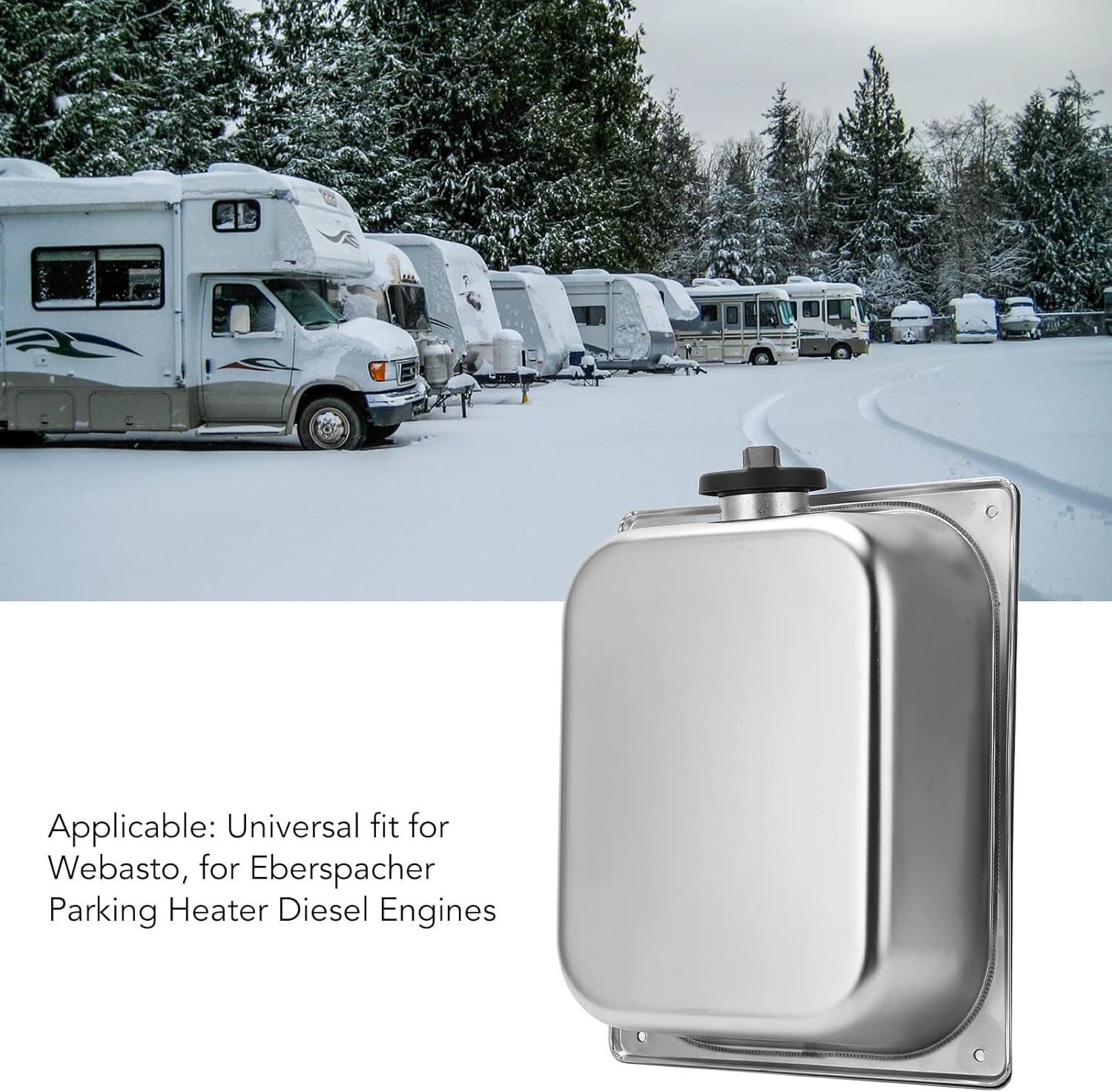
Figure 2: Dimensions of the fuel tank, showing length, width, and height for installation planning.
3.2. Mounting the Tank
- Select a secure, level, and well-ventilated mounting location away from heat sources and moving parts.
- Use appropriate mounting hardware (not included) to firmly secure the tank to the vehicle chassis or a sturdy frame. Ensure the tank is stable and will not shift during vehicle movement.
- Ensure access to the fuel cap for filling and the fuel outlet for connection.
3.3. Connecting Fuel Lines
- Connect the fuel outlet of the tank to the auxiliary heater's fuel inlet using appropriate fuel-resistant hoses and clamps.
- Ensure all connections are tight and secure to prevent leaks. Use fuel-grade sealant if necessary.
- Route fuel lines away from hot engine components, sharp edges, and moving parts.

Figure 3: Top view of the fuel tank, highlighting the fuel cap and connection points for fuel lines.
4. Operating Instructions
4.1. Filling the Tank
- Ensure the vehicle is parked on a level surface and the engine is off.
- Unscrew the fuel cap counter-clockwise to open.
- Carefully fill the tank with diesel fuel, avoiding overfilling. Leave a small air gap to allow for fuel expansion.
- Securely replace the fuel cap by screwing it clockwise until tight.

Figure 4: Side view of the fuel tank, showing the fuel cap and the transparent fuel level indicator tube.
4.2. Fuel Level Monitoring
The tank is equipped with a transparent fuel level indicator tube on the side. Regularly check the fuel level to ensure adequate supply for your auxiliary heater, especially before long trips.
5. Maintenance
Regular maintenance will prolong the life of your fuel tank and ensure safe operation.
- Periodic Inspection: Regularly inspect the tank, fuel lines, and connections for any signs of leaks, cracks, corrosion, or damage. Address any issues immediately.
- Cleaning: Clean the exterior of the tank with a mild detergent and water. Avoid abrasive cleaners that could scratch the stainless steel surface.
- Fuel Quality: Always use clean, high-quality diesel fuel to prevent contamination and blockages in the fuel system.
- Storage (if removed): If the tank is removed for storage, ensure it is completely drained of fuel and stored in a cool, dry, well-ventilated area away from ignition sources.
6. Troubleshooting
| Problem | Possible Cause | Solution |
|---|---|---|
| Fuel Leakage | Loose connections, damaged fuel lines, cracked tank. | Tighten all connections. Replace damaged fuel lines. If the tank is cracked, it must be replaced. Do not attempt to repair a cracked fuel tank. |
| No Fuel Flow to Heater | Empty tank, clogged fuel line, faulty heater pump. | Refill tank. Check and clear fuel lines. Consult heater manual for pump issues. |
| Difficulty Filling | Blocked vent, overfilling. | Ensure vent is clear. Avoid overfilling. |
If problems persist, consult a qualified technician or contact customer support.
7. Specifications
| Attribute | Value |
|---|---|
| Brand | Ejoyous |
| Model Number | Ejoyous304sfwic1x |
| Material | Stainless Steel |
| Capacity | 7 Liters |
| Fuel Type | Diesel |
| Package Dimensions | 36.5 x 28.6 x 14.1 cm |
| Item Weight | 1.14 Kilograms |
| Application | Universal fit for Webasto, Eberspacher auxiliary heaters |
| Vehicle Service Type | Car, Truck |
8. Warranty and Support
For specific warranty information and customer support, please refer to the documentation provided with your purchase or contact the seller directly. The manufacturer, Ejoyous, adheres to standard quality control processes to ensure product reliability.
Seller: Huullkq
Related documentsEjoyous304sfwic1x


Ask a question about this manual
Ask about setup, troubleshooting, compatibility, parts, safety, or missing instructions. Manuals+ will review the question and use this page’s manual context to help answer it.