
1. Introduction
This manual provides essential information for the proper installation, operation, and maintenance of your Agatige YF-S401 Water Flow Sensor. Please read this manual thoroughly before using the product to ensure safe and efficient performance.
The Agatige YF-S401 is a compact and reliable Hall effect water flow sensor designed for precise measurement of liquid flow rates in various applications, including water coolers, coffee machines, and water filters.
2. Product Overview
The YF-S401 water flow sensor is engineered for accurate and efficient water flow monitoring. Its design emphasizes stability and ease of integration into existing systems.

Figure 2.1: Agatige YF-S401 Water Flow Sensor. This image shows the compact white sensor unit with its three-wire connector (red, yellow, black) extending from one side.
Key Features:
- Accurate Measurement: Provides precise flow detection with an accuracy of 3%.
- Wide Application Range: Suitable for chillers, coffee machines, water filters, and other water-related appliances.
- Compact and Lightweight Design: Small footprint allows for easy installation in confined spaces.
- Durable Construction: Made from high-quality materials for long-term reliability and continuous flow monitoring.
- Hall Effect Output: Generates pulse signals corresponding to the water flow rate, which can be read by a controller.
- Sealed Design: Features a waterproof rubber ring silicone for effective sealing and prevention of water leakage.
- Corrosion Resistance: Internally embedded with stainless steel beads for enhanced wear and corrosion resistance.
- XH-3P Connection Cable: Transparent soft PVC cable offering strong compressive strength, safe insulation, and stable conductivity.

Figure 2.2: Detailed features of the YF-S401 sensor, highlighting strong conductivity, stainless steel beads, waterproof rubber ring, and 6mm hose connection.
3. Specifications
| Parameter | Value |
|---|---|
| Model | YF-S401 |
| Monitoring Range | 0.3 - 6 L/min |
| Accuracy | ±3% |
| Pressure Resistance | 0.35 MPa |
| Working Voltage Range | DC 5V - 24V |
| Item Weight | 1.06 ounces (approx. 30g) |
| Product Dimensions | 1.97 x 1.97 x 1.18 inches (approx. 5 x 5 x 3 cm) |
| Connection Type | Barb Joint for 6mm hose, XH-3P Connector |
| Material | High-quality plastic, stainless steel, PVC (cable) |
| Batteries Required | No |

Figure 3.1: Sensor label displaying key specifications such as model number, working range, water pressure, and working voltage.
4. Setup and Installation
Proper installation is crucial for the accurate operation of the water flow sensor. Follow these steps carefully:
- Identify Installation Point: The sensor is designed to be installed at the water inlet of your appliance (e.g., water dispenser, coffee machine, water filter). Ensure the flow direction matches the arrow indicated on the sensor body.
- Prepare Connections: The sensor features barb joints suitable for connecting to a 6mm hose. Ensure the hose is securely attached to prevent leaks.
- Electrical Connection: The sensor uses an XH-3P connector with three wires:
- Red Wire: Connect to DC 5V-24V power supply (VCC).
- Black Wire: Connect to Ground (GND).
- Yellow Wire: Pulse output signal. Connect to the input pin of your microcontroller or control circuit.
- Mounting: Secure the sensor in a stable position to prevent movement or vibration during operation.
- Leak Check: After installation, slowly turn on the water supply and carefully check for any leaks at the hose connections.
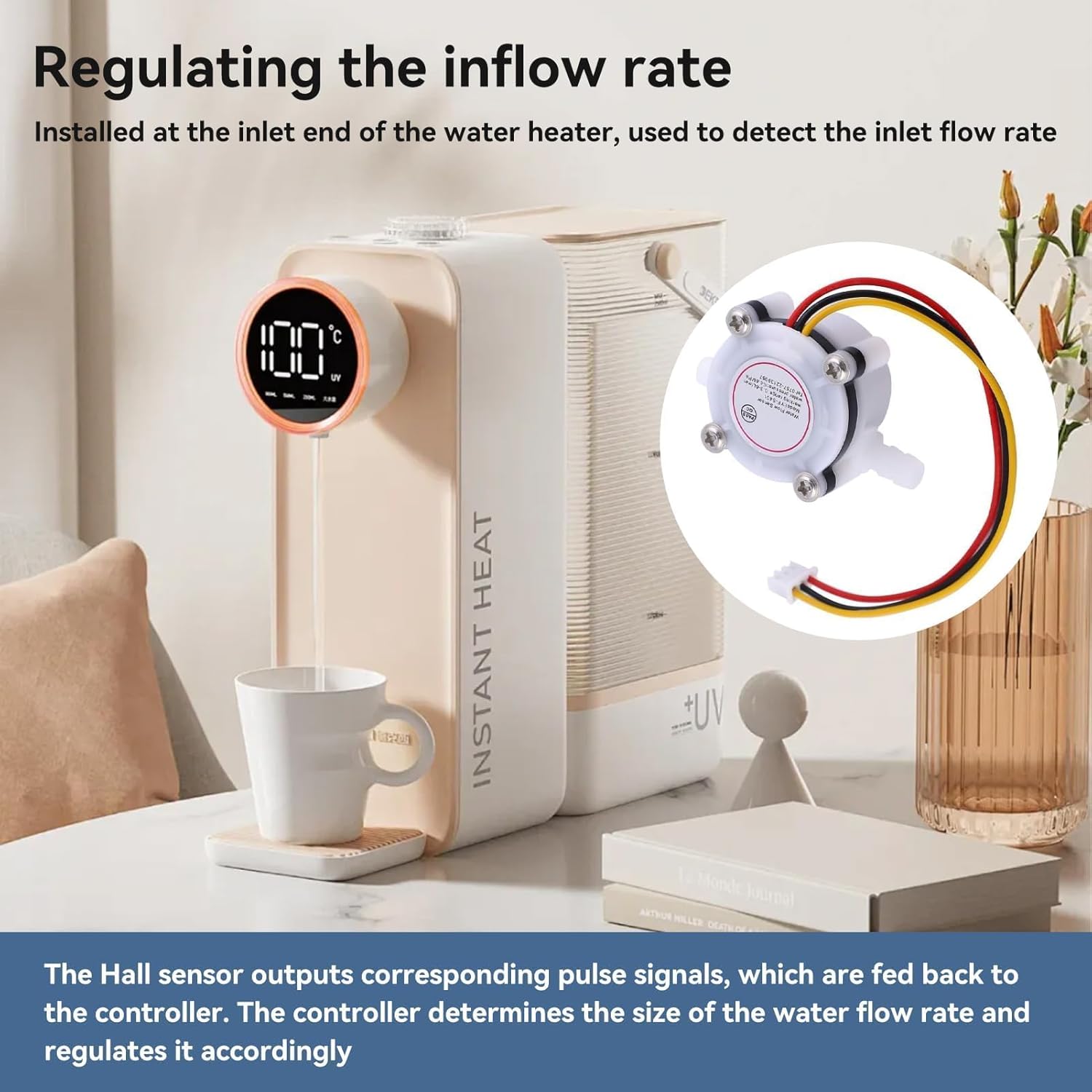
Figure 4.1: Example installation of the water flow sensor in a system, demonstrating its placement for regulating inflow rate.

Figure 4.2: The XH-3P connection cable, highlighting its robust PVC material and stable conductivity for reliable signal transmission.
5. Operating Instructions
The Agatige YF-S401 operates based on the Hall effect principle, generating electrical pulses proportional to the water flow rate.
How it Works:
- As water flows through the sensor, it rotates an internal turbine.
- A Hall effect sensor detects the rotation of the turbine and outputs a series of electrical pulses.
- The frequency of these pulses is directly proportional to the water flow rate.
- Your external microcontroller or control system reads these pulse signals to calculate and monitor the real-time water flow.
For accurate flow rate calculation, refer to the sensor's pulse output characteristics (often provided in the product datasheet or can be calibrated). A common formula involves converting pulse frequency (Hz) to liters per minute (L/min).

Figure 5.1: Illustration of the Hall sensor outputting pulse signals to a controller, which then regulates the water flow rate based on these signals.
6. Maintenance
The Agatige YF-S401 Water Flow Sensor is designed for low maintenance. However, periodic checks can help ensure its longevity and accurate performance.
- Regular Inspection: Periodically inspect the sensor and its connections for any signs of wear, damage, or leaks.
- Cleaning: If the sensor is used in environments with potential for sediment or mineral buildup, occasional cleaning of the internal turbine may be necessary. Disconnect power and water supply before attempting any cleaning. Use mild soap and water, avoiding harsh chemicals.
- Hose Integrity: Ensure the connected hoses remain flexible and free from kinks or cracks. Replace damaged hoses promptly.
- Electrical Connections: Verify that the electrical connections remain secure and free from corrosion.
7. Troubleshooting
If you encounter issues with your water flow sensor, consider the following common troubleshooting steps:
| Problem | Possible Cause | Solution |
|---|---|---|
| No flow reading or incorrect reading |
|
|
| Water leakage at connections |
|
|
| Intermittent readings |
|
|
8. Safety Information
- Always disconnect power before making or breaking electrical connections.
- Ensure the working voltage (DC 5-24V) is strictly adhered to. Exceeding this range can damage the sensor.
- Do not exceed the maximum pressure resistance of 0.35 MPa. High pressure can cause leaks or sensor damage.
- Install the sensor in a location where it is protected from physical impact and extreme temperatures.
- This product is not intended for use with flammable or corrosive liquids.
- Keep out of reach of children.
9. Warranty and Support
Specific warranty information for the Agatige YF-S401 Water Flow Sensor is not provided in this manual. Please refer to the retailer or manufacturer's website for details regarding warranty coverage and customer support.
For technical assistance or inquiries, please contact Agatige customer service through their official channels.